Table of Contents
Introduction
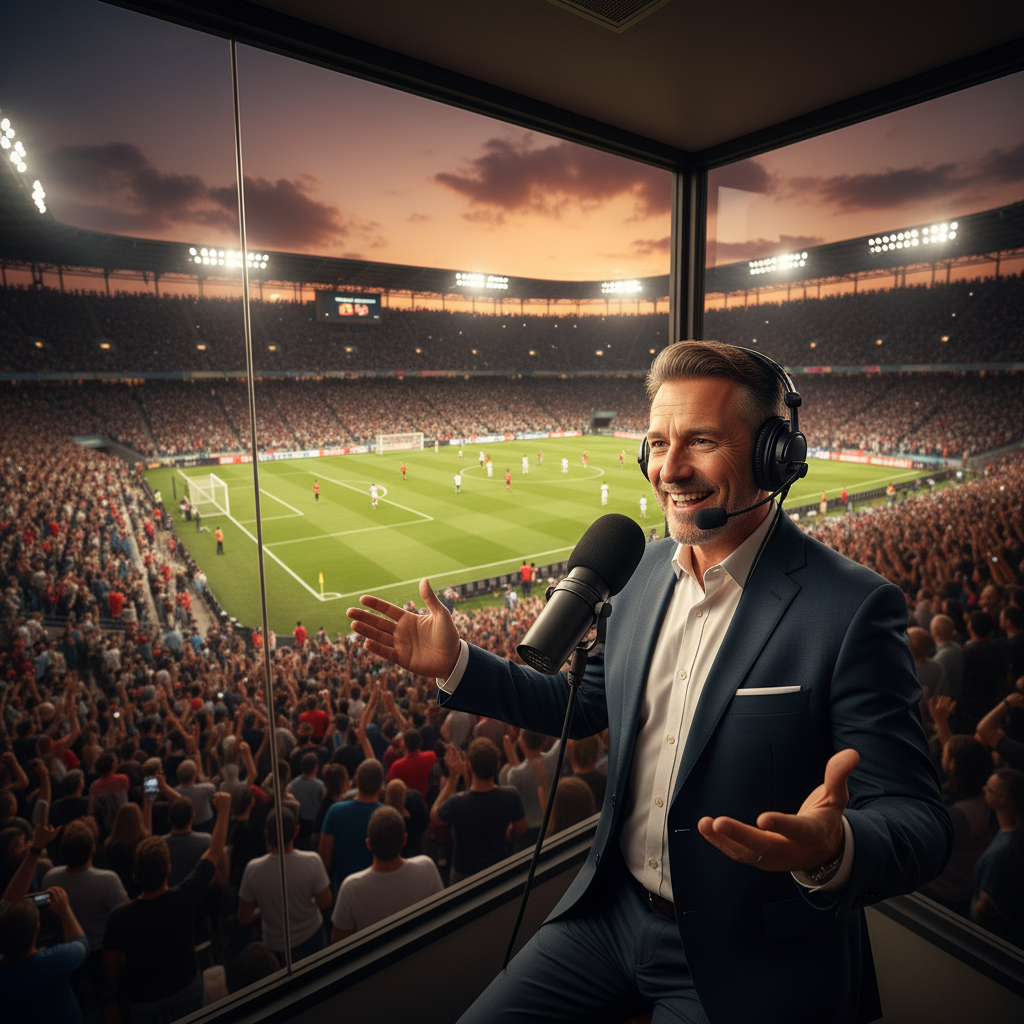
You know that voice that gets your heart racing during a nail-biting game? The one that makes you feel like you’re right there on the field, even when you’re sitting on your couch in your pajamas? That’s the magic of a great sports commentator. And here’s the thing—that could be you up there, turning ordinary moments into unforgettable memories for sports fans everywhere.
Being a sports commentator isn’t just about calling plays (though that’s definitely part of it). It’s about becoming the bridge between the action and the audience. You’re the one who captures that split-second when everything changes, who helps viewers understand why that particular move was brilliant, and who shares the raw emotion that makes sports so addictive. With streaming platforms exploding and sports content reaching every corner of the globe, there’s never been a better time to jump into this field. But let’s be real—it takes more than just loving sports to make it work.
So what does it actually take to break into this world? First off, you’ve got to master the art of talking under pressure. I’m talking about describing lightning-fast action while keeping your cool when everything goes sideways. You need to know your sports inside and out—not just the basics, but the nuances that separate casual fans from true enthusiasts. Most successful commentators have backgrounds in journalism, broadcasting, or communications, often backed up by specialized sports media training. If you’re curious about the broader world of media careers, checking out careers in journalism can give you some solid perspective on where this path might lead.
Here’s where it gets interesting—experience beats everything else in this business. You can’t just wake up one day and land a primetime gig (trust me, it doesn’t work that way). Start small: volunteer at your local radio station, offer to cover high school games, or create your own sports podcast. I’ve seen people launch YouTube channels from their living rooms and eventually catch the attention of major networks. The key is getting your voice out there and developing your unique style. While you’re at it, understanding related fields like sports marketing careers can open up additional opportunities and give you a well-rounded view of the industry.
Once you’ve got some experience under your belt, it’s time to show off what you can do. Think of your portfolio as your greatest hits album—you want variety, quality, and proof that you can handle different sports and situations. Maybe you’re brilliant at basketball play-by-play but also surprisingly good at golf commentary. Show that range! Social media becomes your best friend here. Post clips, engage with fans, and build a following. The sports media world is surprisingly tight-knit, so networking isn’t just helpful—it’s absolutely vital. Hit up media events, connect with other commentators, and don’t be shy about asking for feedback.
What You’ll Learn in This Guide
We’re going to walk through everything you need to know to turn your sports passion into a real career. No fluff, just the practical stuff that actually works.
- Understanding the Role: What sports commentators really do day-to-day, why it’s such an exciting career choice, and what makes this profession perfect for people who live and breathe sports.
- Education and Skills: The educational routes that make sense, the communication skills you absolutely must have, and the sports knowledge that’ll set you apart from the crowd.
- Gaining Experience and Building a Portfolio: Real ways to get hands-on experience, create a portfolio that gets noticed, and build the kind of reputation that opens doors.
- Finding Opportunities and Achieving Success: Where the jobs actually are, how to apply effectively, tips for nailing live commentary, and smart ways to build your personal brand.
We’ll also dig into when you might want to invest in additional training or coaching—because even the best commentators never stop learning. Whether you’re starting from scratch or looking to level up your existing career, this guide will give you a clear roadmap. The secret sauce? Preparation, a willingness to learn from every mistake, and finding your own authentic voice in a crowded field.
Coming up, we’re going to break down each step of your commentator journey. From picking the right educational path to building that killer portfolio, to actually landing your dream job in sports broadcasting. We’ll share the kind of practical advice that only comes from people who’ve been there and done that. And since sports media is this incredible ecosystem, understanding adjacent roles like sports photography can actually make you a more well-rounded professional. Ready to transform your love for sports into a career that gets you up excited every single day? Let’s dive in.
The sports broadcasting world moves fast, demands authenticity, and rewards those who bring genuine passion to the microphone. With the right preparation, some strategic moves, and a commitment to constantly improving, you can become that voice that fans trust to guide them through the biggest moments in sports. Your commentator journey starts right here—with knowledge, passion, and a clear plan to make it happen.

So you want to be the voice behind the action? The journey to sports commentary success isn’t just about loving sports (though that definitely helps). You’ll need sharp communication skills and real-world experience that goes way beyond watching games from your couch. Whether you’re dreaming of calling the next Super Bowl or covering local high school basketball, there are some fundamental building blocks you absolutely need to master. And trust me—this field is competitive enough that you can’t afford to skip the groundwork.
Education and Skills Needed for Sports Commentators
Here’s the thing about breaking into sports commentary: you need more than just a great voice and sports knowledge. Don’t get me wrong—those matter. But the commentators who actually make it? They’ve got solid educational foundations backing them up.
A degree in journalism, broadcasting, or communications gives you the real tools you need—public speaking techniques, media ethics, content creation skills. Think of it as your toolkit. You wouldn’t try to fix a car without the right wrenches, right? Same principle here. Specialized sports media training programs are even better because they teach you how to handle the pressure of live commentary when everything’s happening at once. (And believe me, things happen fast when you’re calling a game live.) Want to understand the broader communication skills that matter? Check out these insights on careers in journalism—they cover the reporting and communication fundamentals that every great commentator needs.
But here’s where it gets interesting. Beyond the formal education, you need skills that can’t really be taught in a classroom. Quick thinking? That’s when a player makes an unexpected move and you have exactly two seconds to describe it perfectly. Voice clarity and modulation? That’s what keeps people listening when the game gets slow or when you need to build excitement during a crucial play. And sports knowledge—we’re talking deep understanding of rules, strategies, player histories across multiple sports. You can’t fake that kind of expertise on air. These skills actually overlap quite a bit with what’s needed in sports marketing careers, especially when it comes to understanding your audience and keeping them engaged.
Core Educational and Skill Components
Let’s break down what you actually need to focus on:
- Communication Mastery: Clear, articulate speech delivery combined with persuasive storytelling elevates game narration and audience connection.
- Sports Knowledge: In-depth comprehension of multiple sports disciplines ensures accurate rule interpretation and insightful commentary.
- Public Speaking and Quick Thinking: Ability to remain composed on live broadcasts while delivering spontaneous, intelligent observations.
- Professional Training: Pursuing specialized media training programs and internships, which offer hands-on experience and professional networking opportunities.
Once you’ve got these pieces in place, you’re ready to start building the kind of real-world experience that turns education into actual career opportunities. And that’s where things get really interesting.
Gaining Relevant Experience and Building Your Professional Reputation
Here’s the reality: you can study sports commentary all you want, but until you’ve actually called a game live, you don’t really know what you’re doing. Experience is everything in this field. It’s the difference between knowing the theory and actually being able to perform under pressure.
Start local. Seriously. Volunteer at your community radio station or intern with local TV. These aren’t glamorous gigs—you might be covering high school JV games or setting up equipment—but they’re gold for learning how broadcasting actually works. You’ll see how professionals handle technical difficulties, how they prepare for games, and most importantly, how they stay calm when everything goes wrong. (Because something always goes wrong.) If you’re looking for broader insights into breaking into media roles, this guide on media and communications job guides has some solid strategies.
But don’t stop there. Create your own opportunities. Start a sports podcast from your dorm room. Launch a YouTube channel where you break down game footage. Cover amateur leagues in your area. The beauty of digital platforms? You can start building an audience and developing your unique voice without waiting for someone to give you permission. Plus, future employers love seeing initiative and creativity. Looking at the bigger picture of sports industry connections, understanding sports management careers can help you grasp how different roles in sports connect and support each other.
Effective Experience Building Techniques
Here’s your roadmap for gaining the experience that actually matters:
- Internships and Volunteering: Gain firsthand experience by assisting seasoned professionals in local media, learning operational workflows and live event coverage.
- Amateur Commentary: Cover school games and amateur leagues to practice play-by-play and color commentary in diverse sporting contexts.
- Content Creation: Launch podcasts or YouTube channels to showcase sports insights and build a personal brand in a growing digital space.
- Community Engagement: Participate in community sports events broadcast to expand your network and demonstrate commitment to the field.

So you want to break into sports commentary? Here’s the reality—it’s going to take more than just loving sports and having a decent voice. You’ll need solid education (think journalism, broadcasting, or communications), but that’s just your foundation. The real magic happens when you combine those communication skills with lightning-fast thinking and crystal-clear delivery under pressure. And let’s be honest—you better know your sports inside and out. Rules, stats, player histories, terminology—all of it.
But here’s where most people get stuck: they think education alone will get them there. Wrong. You’ve got to get your hands dirty with real experience. Start small—volunteer at local games, launch your own sports podcast, call games for your friend’s amateur league. I don’t care if it’s Little League or college intramurals. Every minute behind a microphone counts. Build a portfolio that shows you can handle different sports and formats. And network like your career depends on it (because it does). The sports world is surprisingly small, and knowing the right people can make all the difference. Keep practicing, ask for honest feedback, and never stop improving your craft.
Ready to dive deeper? The sports industry is massive, and commentary is just one piece of the puzzle. If you want to understand how the business side works, check out sports marketing careers—it’ll give you insights into audience engagement that’ll make your commentary more strategic. Want to understand the visual side of sports media? Learning how to prepare for a marathon race will help you authentically cover endurance sports (trust me, viewers can tell when you don’t know what you’re talking about). Plus, if you’re serious about media, understanding careers in journalism will sharpen skills that transfer directly to commentary work.
Look, becoming a sports commentator isn’t just about landing a job—it’s about finding your voice and earning people’s trust. Every challenge you face is a chance to get better. Every awkward moment on air (and there will be many) teaches you something. The goal? Make viewers feel like they’re watching with their most knowledgeable friend. If you’re thinking bigger picture, exploring careers in sports management could open doors to leadership roles down the road. Your journey starts now. Get educated, practice relentlessly, and take that first step. The sports world needs fresh voices—make sure one of them is yours.
Frequently Asked Questions
-
What qualifications do I need to become a sports commentator?
- A degree or coursework in journalism, broadcasting, or communications combined with a deep understanding of sports and strong communication skills are typically needed to succeed.
-
Can I start commentating without formal education?
- Yes, practical experience through volunteering, internships, or creating your own sports content can provide a valuable entry point into the field without formal education.
-
How can I improve my live commentary skills?
- Regular practice, watching experienced commentators, and actively seeking constructive feedback are key to enhancing your live commentary abilities.
-
Where can I find job opportunities in sports commentating?
- Look for job openings at local and national radio and TV stations, online sports platforms, sports clubs, and freelance opportunities.
-
Is networking important in this field?
- Absolutely, building relationships with professionals in sports media can open doors to job opportunities and help you advance your career.


