
Table of Contents
Introduction
Picture this: you’re crouched on the sidelines, camera ready, when suddenly—BAM!—the winning touchdown happens right in front of you. Your finger hits the shutter at exactly the right millisecond. That rush? That’s what sports photography is all about. It’s where pure adrenaline meets artistic vision, and honestly, there’s nothing quite like it.
Here’s the thing about sports photography—it’s not just pointing a camera at athletes and hoping for the best. You’re essentially a visual storyteller who needs to freeze split-second emotions, raw power, and those “did that really just happen?” moments. Think of yourself as part athlete, part artist, part mind reader. You’ve got to know when the quarterback’s about to throw, when the gymnast will stick that landing, when the crowd will erupt. It’s demanding work that requires serious technical chops and an almost sixth sense about sports. If you’re just starting out, getting familiar with how to prepare for sports events can give you valuable insights into the mindset and preparation athletes go through.
But let’s be real—having killer camera skills is only part of the equation. Want to actually make it in this field? You’ll need to hustle. I’m talking internships, volunteer gigs, personal projects that make people stop scrolling and pay attention. Networking isn’t just a buzzword here—it’s your lifeline. Every connection with a team photographer, every conversation at a sports bar, every social media interaction could lead to your next big break. And here’s something they don’t always tell you: understanding the business side matters just as much as nailing that perfect action shot.
The reality is, sports photography will test you in ways you might not expect. Ever tried focusing on a baseball traveling 95 mph while rain is pelting your lens? Or getting the perfect shot when security decides you can’t get within 50 feet of the action? These challenges separate the serious photographers from the weekend warriors. Plus, staying sharp yourself helps tremendously—which is why resources like exercises to improve hand-eye coordination can actually boost your performance behind the camera.
What You’ll Learn in This Guide
Ready to dive into the world of sports photography? This guide will walk you through everything you need to know—from the technical nitty-gritty to the business savvy that’ll set you apart.
- Understanding Sports Photography: We’ll break down what makes this field unique, the different types of events you could cover, and the creative opportunities that’ll get your heart racing.
- Essential Skills: Master the technical stuff like camera settings and motion capture, plus develop the physical and mental stamina you’ll need when the action never stops.
- Choosing the Right Equipment: Cut through the gear confusion and learn which cameras, lenses, and accessories actually matter for your style and budget (spoiler: it’s not always the most expensive stuff).
- Building Portfolio and Marketing Yourself: Discover proven strategies for gaining experience, creating a portfolio that opens doors, and marketing yourself effectively through networking and social media.
Throughout this guide, we’ll take you step-by-step through mastering sports photography fundamentals and developing an eye for those game-changing moments. You’ll learn how to choose gear that won’t break the bank but will deliver professional results, and how to navigate the sometimes tricky world of sports media with confidence.
By the time you’re done reading, you’ll have both the technical skills and the business strategies to build your reputation in sports photography. We’ll also tackle those curveball challenges—like shooting in terrible weather or dealing with access restrictions that can make or break your shoot. Speaking of staying prepared, don’t overlook the importance of preventing sports injuries—because the last thing you want is to miss the shot of a lifetime because you’re nursing a pulled muscle from lugging equipment around all day.
So grab your camera and let’s jump into this amazing world where split-second timing meets artistic vision. You’re not just going to learn how to take sports photos—you’re going to learn how to capture the stories that make people feel like they were right there in the moment. Ready to get started?
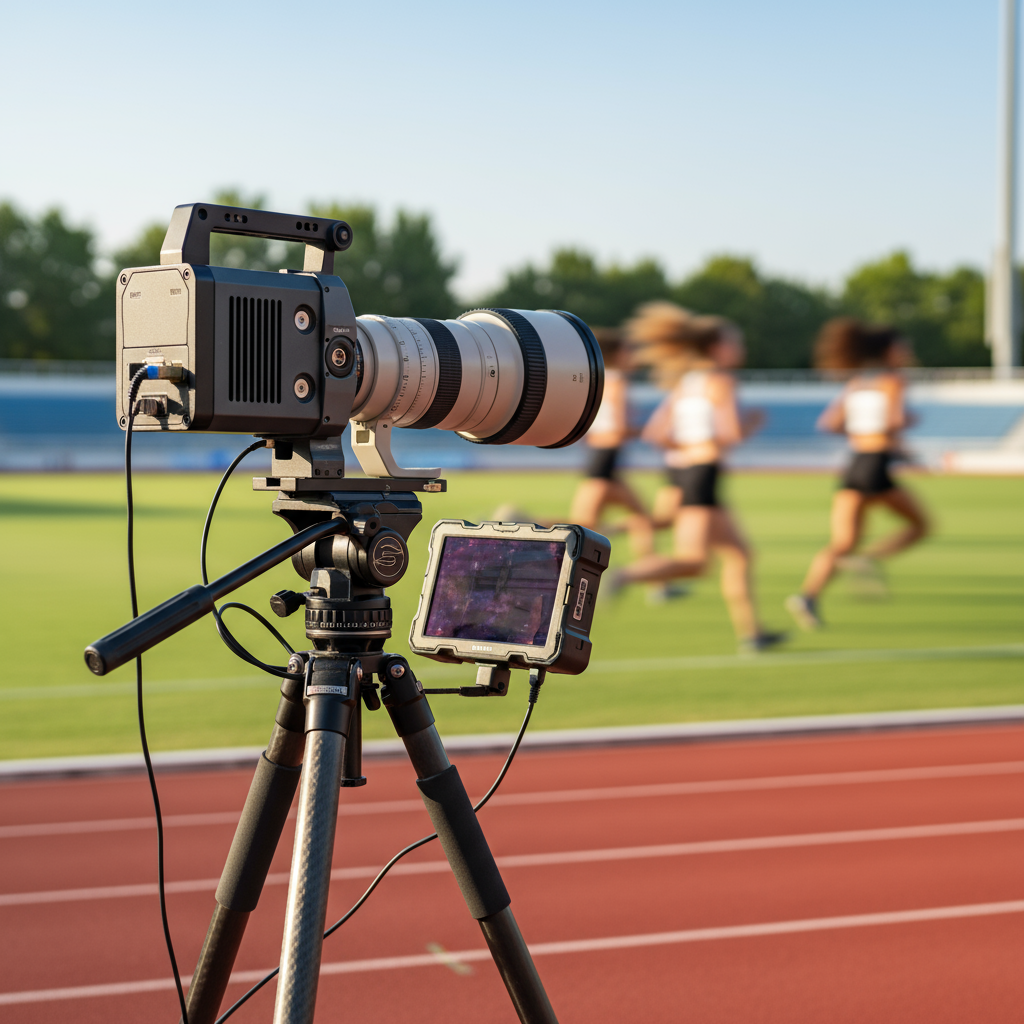
Picture this: you’re on the sidelines as a quarterback launches a perfect spiral, or courtside when a basketball player soars through the air for a game-winning dunk. Sports photography? It’s pure adrenaline mixed with artistry. If you love both sports and photography, this field offers something special—the chance to freeze those heart-stopping moments that define athletic greatness. But here’s the thing: sports photography isn’t just about pointing and shooting. It’s a whole different beast that demands quick reflexes, technical know-how, and an almost sixth sense for when magic is about to happen. Ready to turn your passion into a career? Let’s walk through what it really takes to make it as a sports photographer.
Understanding Sports Photography: Essentials and Key Techniques
So you want to shoot sports? Great choice, but buckle up—this isn’t your typical photography gig. You’re dealing with athletes who move like lightning in conditions that change faster than you can adjust your settings. The real challenge? Capturing not just the action, but the story behind it. That split second when a runner’s face shows pure determination, or the exact moment a tennis player’s racquet meets the ball. Understanding the popular sports globally can give you insight into where the opportunities are and what audiences are craving. Every sport has its own rhythm—basketball’s fast breaks, baseball’s sudden bursts of action, soccer’s flowing movement. The better you know the game, the better you’ll anticipate those money shots.
Let’s talk technical stuff for a minute. Your camera settings need to be spot-on, and I mean razor-sharp precision. Shutter speed, aperture, ISO—these aren’t just numbers on a dial. They’re your tools for turning chaos into art. But here’s what separates the pros from the weekend warriors: being able to adjust everything on the fly without missing the action. One minute you’re shooting in bright stadium lights, the next you’re dealing with shadows on the field. Equipment matters, sure, but your ability to adapt? That’s everything. And don’t forget about post-processing—those raw shots need some love in editing software to really pop and tell their story.
Key Aspects of Sports Photography Essentials
Want to nail sports photography? Focus on these game-changers:
- Technical Mastery of Camera Settings: Fast shutter speeds are your best friend—we’re talking 1/500th of a second or faster for most sports. You need to freeze that sprinter mid-stride or that football spiraling through the air. Learn to balance ISO and aperture based on lighting conditions, because trust me, you won’t always have perfect stadium lighting to work with.
- Anticipating and Framing Action: This is where knowing your sport pays off big time. In soccer, watch for those moments when a player sets up for a shot. In basketball, position yourself where the fast breaks happen. The best sports photographers aren’t just reactive—they’re predictive. They know where the action’s heading before it gets there.
- Post-Processing and Editing Techniques: Raw files are just the beginning. Colors might need punching up, contrast might need tweaking, and sometimes a strategic crop can turn a good shot into a great one. But remember—enhance, don’t overdo it. Sports photos should feel authentic, not overly processed.
- Understanding Sports Dynamics: Each sport tells a different story. A hockey game moves differently than a golf tournament. Study the games you want to shoot. Learn the key players, understand the crucial moments, and you’ll start seeing opportunities others miss completely.
These fundamentals? They’re your foundation. Master them, and you’re ready to start building something bigger. Next up, we’ll talk about turning all this skill into an actual career that pays the bills.
Building Your Sports Photography Career: Portfolio, Experience, and Marketing
Alright, so you’ve got the skills—now what? Time to get out there and start shooting for real. Your portfolio is everything in this business. It’s your calling card, your proof that you can deliver when it counts. Start small if you have to—local high school games, community sports leagues, anything that gets you practice with real athletes in real situations. Internships with established photographers or media outlets can be golden opportunities. You’ll learn the ropes, make connections, and see how the pros handle pressure situations. And here’s a pro tip: volunteering at sports team bonding activities can give you access to athletes in more relaxed settings, perfect for building relationships and capturing different kinds of shots.
Marketing yourself is just as important as taking great photos. Social media isn’t optional anymore—it’s essential. Instagram, Twitter, even TikTok if you’re showing behind-the-scenes content. Share your best work consistently, engage with sports communities online, and don’t be shy about reaching out to teams and journalists. Networking isn’t just about what you know—it’s about who knows you and your work. Join photography groups, attend workshops, and never underestimate the power of simply showing up and being professional. Word travels fast in the sports world, and a good reputation opens doors you didn’t even know existed.
Key Aspects of Career Building and Marketing
Here’s your game plan for building a sports photography career that actually pays:
- Practical Experience through Internships: Nothing beats learning from photographers who are already in the game. Internships teach you how to work under deadline pressure, how to navigate crowded sidelines, and most importantly, how to deliver exactly what clients need. Plus, you’ll build a network that can lead to paid gigs down the road.
- Building a Diverse Portfolio: Don’t put all your eggs in one basket. Shoot different sports, different levels of competition, different types of moments. A portfolio that shows you can handle everything from little league intensity to professional athletics tells clients you’re versatile and reliable.
- Effective Use of Social Media: Your social media presence is your 24/7 marketing team. Post consistently, use relevant hashtags, and engage with other photographers and sports accounts. Share stories about your shoots, show your gear setup, give people a reason to follow and remember you.
- Networking and Community Involvement: Get to know the people in your local sports scene—coaches, athletic directors, sports writers, event coordinators. Attend photographer meetups, join online communities, and always be ready with business cards. You never know when someone’s going to need a photographer, and being the first name they think of is everything.
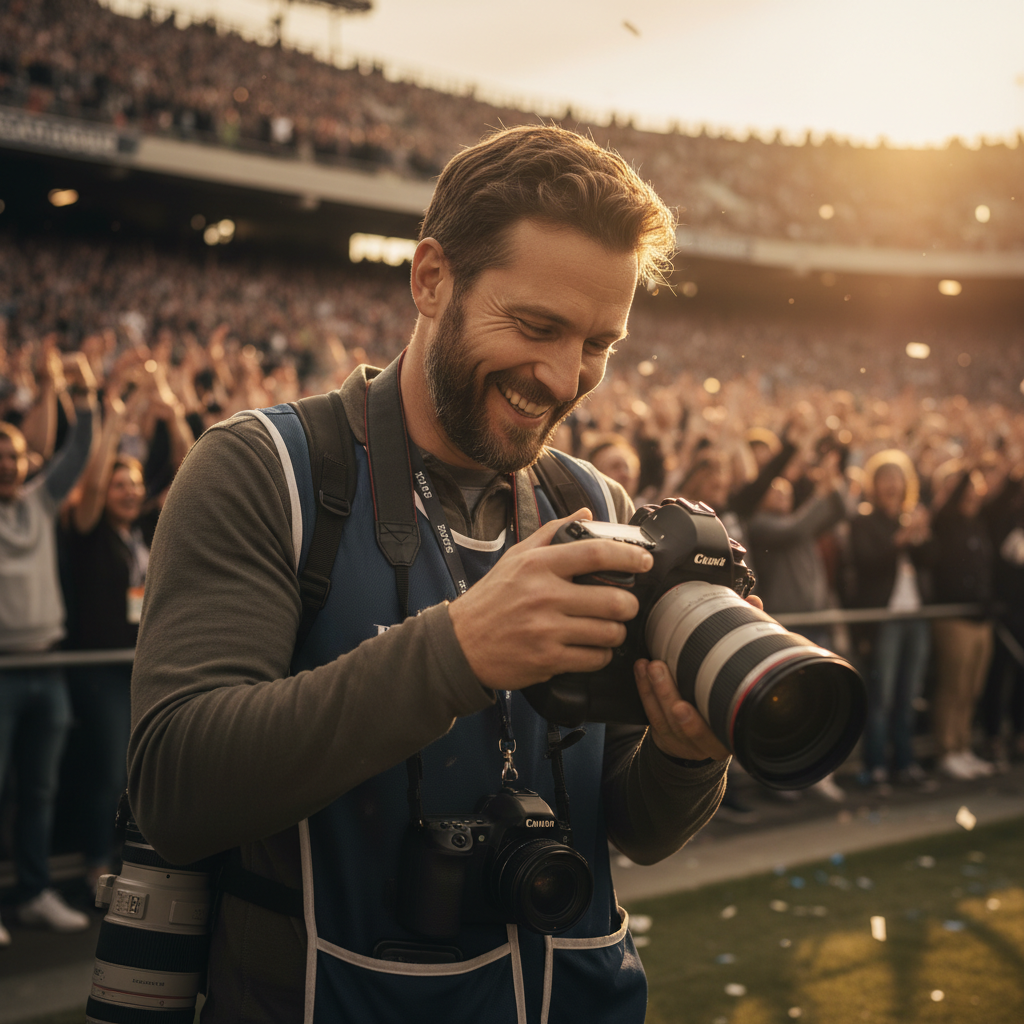
Here’s the truth about sports photography: it’s not just about having a fancy camera and pointing it at athletes. You need sharp technical skills, sure—but you also need to think like an athlete. When that quarterback drops back for a pass, you’ve got maybe half a second to nail the shot. Your camera settings better be dialed in, your focus razor-sharp, and your finger ready on that shutter. But here’s what separates good sports photographers from great ones: they don’t just capture what happened. They tell the story of what it felt like to be there.
Building your portfolio? That’s where the real work begins. You’ll probably start by volunteering at local games, maybe picking up some internship work that doesn’t pay much (or anything at all). Don’t let that discourage you—every pro photographer I know started somewhere similar. The key is treating each assignment like it could be your big break. Network like crazy, because in this business, relationships open doors that talent alone sometimes can’t. And when challenges hit—and they will hit—you’ll need to roll with them. Rain delays, restricted access, that one security guard who doesn’t understand you’re supposed to be there… it’s all part of the gig.
Want to fast-track your progress? Start thinking beyond just photography. Learn how to prepare for a marathon race—seriously. Understanding an athlete’s mindset and the rhythm of different events will transform how you anticipate those money shots. Your reflexes matter too, so definitely check out strategies on how to improve hand-eye coordination. When the action gets crazy fast (and in sports, it always does), you’ll thank yourself for sharpening those skills. Building connections within teams is gold—understanding sports team bonding activities helps you connect with players and coaches, which often leads to exclusive access and inside opportunities.
Let’s talk money for a minute. Freelance photography can be a roller coaster—feast or famine, as they say. One month you’re shooting three major events, the next month… crickets. That’s why learning how to build an emergency fund isn’t just smart—it’s essential. When you’re not worried about paying rent, you can focus on perfecting your craft instead of scrambling for any paying gig.
One last thing (and this one’s important): sports photography is physically demanding. You’ll be crouching, running, carrying heavy gear for hours on end. Take care of your body—learn how to avoid sports injuries because the last thing you want is to be sidelined by a preventable injury. With the right preparation, skill development, and business sense, you can build a career that’s both challenging and incredibly rewarding. Those moments when you capture something truly special? When your photo tells a story that words can’t? That’s when you know all the hard work was worth it.


