
How Many Quarters in Football? Expert Insight into Game Structure and Timing
Football is America’s most beloved sport, captivating millions of fans every week with its strategic gameplay, explosive athleticism, and nail-biting finishes. Yet one of the most fundamental questions newcomers ask is surprisingly straightforward: how many quarters in a football game? The answer is four quarters, each lasting 15 minutes of actual playing time. However, the complete story behind football’s quarter system reveals fascinating insights into game management, athlete conditioning, and the sport’s evolution over more than a century.
Understanding the quarter structure isn’t just trivia—it’s essential for grasping how football operates strategically. Coaches use quarters as natural intervals to adjust tactics, manage player fatigue, and build momentum. Players must pace their physical exertion across these four distinct periods, making cardiovascular fitness and mental resilience equally critical. Whether you’re a casual viewer, aspiring player, or fitness enthusiast training for football performance, comprehending the quarter system unlocks deeper appreciation for the sport’s demands and nuances.
The Four Quarters: Basic Structure
A regulation football game consists of four 15-minute quarters, totaling 60 minutes of scheduled playing time. This structure has remained consistent since the early days of American football, providing a balanced framework that allows both teams equal opportunities to score and execute their game plans. Each quarter represents a distinct phase of competition, with the first and second quarters comprising the first half, while the third and fourth quarters make up the second half.
The 15-minute quarter duration was deliberately chosen to maintain player safety while allowing sufficient time for meaningful competition. Early football games experimented with various formats, but 15 minutes proved optimal for managing player fatigue, preventing excessive injuries, and keeping games within reasonable time windows for spectators. This consistency across high school football games, college football, and professional leagues ensures fans understand game structure regardless of which level they’re watching.
It’s important to distinguish between the scheduled 15-minute quarters and actual elapsed time. The game clock stops for numerous reasons—incomplete passes, players going out of bounds, timeouts, penalties, and scores—meaning a 15-minute quarter often takes 25-30 minutes of real time to complete. This distinction proves crucial for planning viewing time and understanding how long you’ll actually spend watching football.

Total Game Time vs. Playing Time
While a football game contains 60 minutes of scheduled playing time, the actual duration from kickoff to final whistle typically extends to 3 to 3.5 hours. This dramatic difference stems from multiple factors that interrupt the game clock. Understanding this gap helps fans, players, and coaches manage expectations and prepare appropriately for the physical and mental demands of the sport.
Several mechanisms cause clock stoppages. The most obvious is incomplete passes—when a quarterback throws to a receiver who doesn’t catch the ball, the clock stops until the next play begins. Players going out of bounds also halt the clock, as do all penalties and their accompanying explanations. Timeouts, which each team receives three per half, stop the clock entirely while coaches strategize or teams rest. Additionally, the clock stops after scores, during official reviews, and for injury assessments, all of which accumulate throughout the game.
Professional games tend to run longer than college football games due to increased television timeouts and commercial breaks. The NFL mandates specific timeout windows for broadcasting purposes, adding 15-20 minutes to typical game length. High school games, conversely, feature fewer commercial interruptions and sometimes shorter halftime shows, potentially finishing in under three hours. Understanding these variables helps you prepare for game day, whether as a spectator or participant.
Quarter-by-Quarter Strategic Breakdown
Each quarter serves distinct strategic purposes in football, with coaches and players adjusting their approaches based on game situation, score, and remaining time. Recognizing these quarter-specific dynamics provides insight into why certain plays succeed at particular moments and how elite teams manage four-quarter battles.
First Quarter Strategy: The opening quarter focuses on establishing dominance and testing the opposing defense’s initial adjustments. Offenses typically run their base plays, allowing coaches to identify defensive alignments and weaknesses. Defensively, teams employ conservative schemes while gathering information about opposing offensive tendencies. Penalty-free execution matters greatly here—mistakes in the first quarter compound throughout the game. Many teams use first-quarter success to build confidence and momentum heading into the second quarter.
Second Quarter Adjustments: As the first half concludes, strategic complexity increases. Teams trailing on the scoreboard may become more aggressive, incorporating trick plays or unconventional formations. Leading teams often become more conservative, prioritizing ball security and clock management. The final minutes before halftime demand particular attention—coaches must decide whether to attempt scoring drives or protect their position. This quarter frequently determines momentum heading into the locker room, making it psychologically significant beyond its 15-minute duration.
Third Quarter Momentum Shift: The opening drive of the second half frequently determines game outcomes. Teams receive the ball in adjusted formations based on halftime analysis, and defensive coordinators implement revised coverage schemes. The third quarter traditionally features aggressive playcalling, as teams attempt to capitalize on halftime adjustments before opponents respond. This quarter often witnesses momentum swings that define game narratives.
Fourth Quarter Execution: The final 15 minutes separate champions from contenders. Clock management becomes critical—trailing teams must score quickly while preserving timeouts, while leading teams attempt to run down the clock. Players experience maximum fatigue, making conditioning and mental toughness essential. Many legendary performances occur in fourth quarters when preparation, fitness, and determination converge under pressure.
Halftime: The Critical Intermission
Between the second and third quarters, football provides a 12-minute intermission officially called halftime. This brief window allows teams to recover, receive coaching adjustments, and mentally prepare for the second half. Despite its short duration, halftime profoundly impacts game outcomes through strategic recalibration and physical recovery.
Coaches utilize halftime for detailed analysis of opponent tendencies revealed in the first half. Defensive coordinators examine film, identify offensive patterns, and adjust coverage schemes accordingly. Offensive coordinators similarly analyze defensive adjustments and prepare counter-strategies. This preparation often determines which team executes better in the second half, making the halftime period strategically crucial despite its brevity.
Players use halftime for hydration, nutrition, and injury assessment. Athletic trainers evaluate bumps, bruises, and concerning symptoms, determining whether athletes can continue safely. Strength coaches may provide specific conditioning advice for players showing fatigue. Psychologically, halftime offers mental reset opportunities—trailing teams regroup and refocus, while leading teams maintain composure and avoid complacency. The halftime break transforms football from a continuous 30-minute event into two distinct 30-minute contests, each with distinct strategic and physical dimensions.
Overtime Rules and Extended Play
When regulation time ends in a tie, football proceeds to overtime—additional periods where teams attempt to break the deadlock. Overtime rules vary significantly across football levels, creating different competitive dynamics and extending games beyond the standard four-quarter format.
In the NFL, overtime follows specific rules introduced in recent years. Both teams are guaranteed at least one possession, ensuring fairness compared to previous sudden-death formats. Each overtime period resembles a full quarter but operates under modified rules. If the game remains tied after one overtime period, a second overtime may occur, though this rarely happens due to the sudden-death nature of subsequent possessions. College football employs different overtime rules where teams alternate possessions from specific field positions, creating dramatic high-scoring scenarios that can extend games significantly.
High school overtime rules similarly vary by state and conference, though most follow a modified sudden-death format. These overtime variations ensure competitive balance while preventing excessively long games that could endanger player health through extreme fatigue. Understanding overtime rules proves important for fans who might otherwise be surprised when games extend beyond four quarters.
Physical Demands Across Quarters
The four-quarter structure creates escalating physical demands on football athletes, requiring comprehensive conditioning programs to maintain performance throughout games. Understanding how physical stress accumulates across quarters illuminates why football training equipment and conditioning protocols prove essential for competitive athletes.
The first quarter typically features peak performance as players begin fresh with full glycogen stores and mental focus. Muscle fatigue hasn’t accumulated, allowing maximum explosive power during sprints, cuts, and collisions. Heart rate elevation occurs gradually as players warm into the game, and oxygen delivery systems function optimally. Coaches often employ their most complex schemes in early quarters when players execute with precision.
By the second quarter, fatigue begins accumulating. Glycogen depletion accelerates, and lactate buildup in muscles increases. Players still perform near peak levels but may notice slightly reduced explosive power and agility. Injury risk rises marginally as fatigue compromises movement mechanics—fatigued athletes demonstrate less precise footwork and reduced collision awareness. Hydration becomes increasingly important as sweat losses accumulate.
Third-quarter fatigue becomes pronounced, particularly for defensive players and linemen who engage in high-intensity collisions every play. Glycogen depletion becomes significant, forcing bodies to rely more heavily on fat metabolism, which produces energy less efficiently. Mental fatigue compounds physical exhaustion—decision-making slows, and focus drifts. This quarter often separates well-conditioned teams from those lacking adequate preparation. The American College of Sports Medicine emphasizes that proper conditioning directly impacts third and fourth-quarter performance.
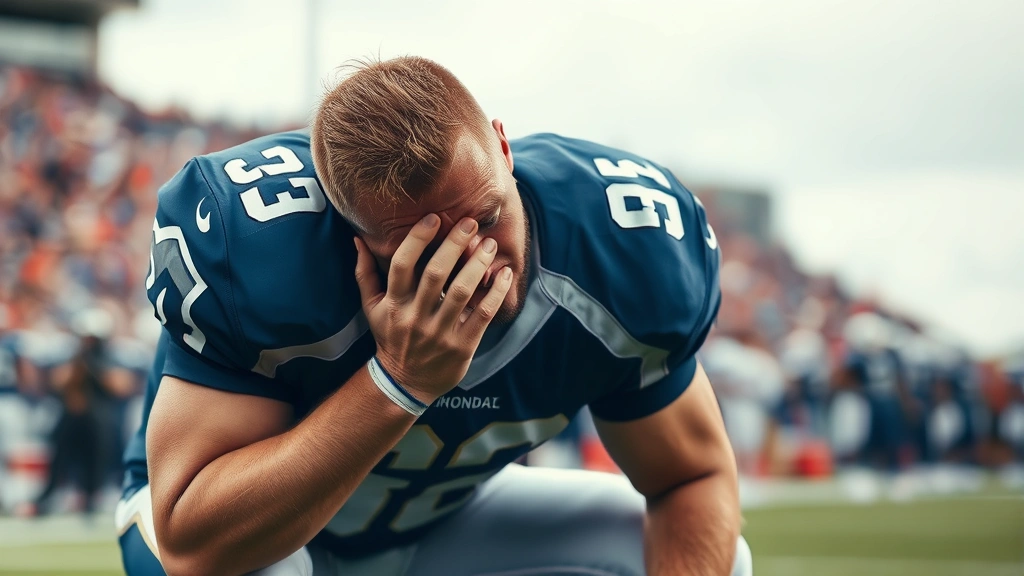
The fourth quarter reveals true conditioning and mental toughness. Severe glycogen depletion forces reliance on fat metabolism and amino acid catabolism. Muscle soreness intensifies, reaction time slows, and perceived exertion reaches maximum levels. Yet this quarter often produces most dramatic plays—athletes push through fatigue through sheer will and preparation. Teams that invested in conditioning gain competitive advantages when fatigue reaches extreme levels.
Differences Across Football Levels
While the four-quarter, 15-minute structure remains consistent across football levels, significant variations exist in game duration, strategic complexity, and physical demands between professional, college, and high school football.
Professional Football (NFL): NFL games average 3 hours and 10 minutes, making them among sports’ longest events. Multiple television timeouts, extensive replay reviews, and elaborate halftime shows extend games significantly beyond playing time. Professional players demonstrate peak conditioning, executing complex schemes at maximum intensity for all four quarters. The athletic sophistication and strategic complexity of professional football exceeds other levels substantially.
College Football: College football games typically last 3 to 3.5 hours, falling between professional and high school durations. Television timeouts occur less frequently than professional games, and halftime productions vary by program. College athletes demonstrate excellent conditioning but sometimes show inconsistent execution compared to professionals. Strategic schemes prove complex but occasionally less refined than NFL football.
High School Football: High school football games frequently finish in 2.5 to 3 hours due to fewer commercial interruptions and shorter halftime shows. High school athletes typically display less refined conditioning and technical execution than college or professional players. Strategic complexity varies dramatically between programs—elite high schools employ sophisticated schemes rivaling college football, while smaller programs utilize simpler approaches. The four-quarter structure remains identical, but physical and mental demands differ substantially.
Understanding these differences helps players set appropriate conditioning goals. High school athletes preparing for college football must recognize that college games feature higher intensity, greater strategic complexity, and more extreme fatigue challenges. Similarly, college athletes aspiring to professional football must develop conditioning exceeding college standards to handle professional football’s relentless pace and complexity.
FAQ
How many quarters are in a football game?
A regulation football game contains four quarters, each lasting 15 minutes of actual playing time, totaling 60 minutes of scheduled gameplay. However, actual game duration typically extends to 3-3.5 hours due to clock stoppages for incomplete passes, out-of-bounds plays, timeouts, and other interruptions.
How long is each quarter in football?
Each quarter officially lasts 15 minutes of playing time. This means the game clock counts down from 15:00 to 0:00, though clock stoppages for various reasons extend real-time duration to approximately 25-30 minutes per quarter on average.
What happens if a football game is tied after four quarters?
If the score remains tied after regulation time, the game proceeds to overtime. NFL overtime rules guarantee both teams at least one possession. College football uses a different overtime format where teams alternate possessions. High school overtime rules vary by state and conference.
Why are quarters 15 minutes long?
The 15-minute quarter duration evolved from early football’s need to balance competition time with player safety and spectator convenience. This duration allows sufficient playing time for meaningful competition while preventing excessive fatigue-related injuries. The structure has proven optimal across more than a century of football evolution.
Do all football levels use the same quarter length?
Yes, professional, college, and high school football all use four 15-minute quarters. However, actual game duration varies due to different numbers of television timeouts, replay review procedures, and halftime production lengths across levels.
How much actual playing time occurs in a football game?
A football game contains 60 minutes of scheduled playing time across four quarters. Research indicates actual ball-in-play time averages only 11-12 minutes per game, meaning the majority of game time involves huddles, play setup, and clock stoppages.
Can quarters be extended in football?
No, quarters cannot be extended during regulation play. Once the game clock reaches zero, the quarter officially ends. However, if a play begins before time expires, it continues to completion. This occasionally results in plays occurring after the official quarter time expires.
How does fatigue affect player performance across quarters?
Player performance typically declines across quarters as glycogen stores deplete, lactate accumulates, and mental fatigue increases. Well-conditioned athletes maintain higher performance levels through all four quarters, while inadequately trained players show significant decline in third and fourth quarters. This is why comprehensive conditioning programs prove essential for competitive football athletes.
What’s the difference between playing time and game time in football?
Playing time refers to the 60 minutes of scheduled clock time across four quarters. Game time refers to actual elapsed time from kickoff to final whistle, typically 3-3.5 hours. The difference results from clock stoppages for incomplete passes, penalties, timeouts, reviews, and other interruptions.
How do coaches use quarters strategically?
Coaches adjust strategies throughout quarters based on game situation, score, and remaining time. Early quarters emphasize establishing offensive and defensive identity. Middle quarters involve tactical adjustments. Late quarters prioritize clock management and execution under pressure. Understanding quarter-specific strategies helps fans appreciate coaching complexity and game management sophistication.


