
How Long is a Football Game? Coach Insights on High School, College & Professional Play
One of the most common questions from parents, students, and new football fans is: “How long is a high school football game?” The answer isn’t as straightforward as you might think. While the official game clock shows four 12-minute quarters, the actual time you’ll spend in the bleachers is significantly longer. Understanding the breakdown between actual playing time, stoppages, and administrative pauses helps you prepare for game day and appreciate the strategic nature of this beloved American sport.
As a fitness and athletic performance coach who’s worked with football programs across multiple levels, I can tell you that game duration affects player conditioning, recovery protocols, and overall athletic development. The extended nature of football games compared to other sports requires specific training methodologies to ensure athletes maintain peak performance throughout the entire contest. Whether you’re a parent planning your Saturday schedule, a player preparing mentally for competition, or simply curious about the sport’s structure, this comprehensive guide breaks down exactly what to expect.
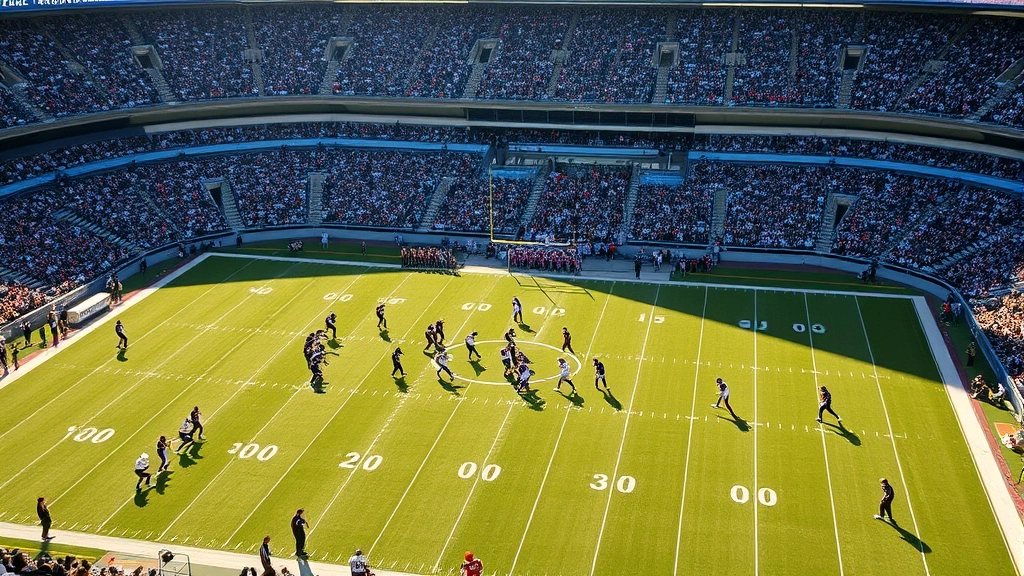
Official Game Time vs. Real Game Time
The official playing time for a high school football game is 48 minutes—four quarters of 12 minutes each. However, the actual elapsed time from kickoff to final whistle typically ranges from 2.5 to 3.5 hours. This dramatic difference occurs because the game clock stops frequently throughout play, yet the “real time” (wall clock time) continues moving. Understanding this distinction is crucial for anyone attending or participating in high school football.
The game clock operates under specific rules established by the National Federation of State High School Associations (NFHS). It stops when:
- An incomplete pass is thrown
- A player goes out of bounds
- A timeout is called by either team
- An official’s timeout occurs (injury, measurement, etc.)
- A turnover happens
- A score is recorded
- A penalty is called and enforced
Meanwhile, real time continues regardless of game clock status. This means a 12-minute quarter could easily consume 20-25 minutes of actual wall clock time, depending on the frequency of these stoppages.
High School Football Game Duration Breakdown
Let’s break down a typical high school football game’s timeline:
- Pre-game activities (30-45 minutes before kickoff): Team warm-ups, national anthem, coin toss, band performances, and ceremonial activities
- First quarter: 12-minute game clock, typically 18-25 minutes of real time
- Second quarter: 12-minute game clock, typically 18-25 minutes of real time
- Halftime break: 15-20 minutes (varies by school)
- Third quarter: 12-minute game clock, typically 18-25 minutes of real time
- Fourth quarter: 12-minute game clock, typically 18-25 minutes of real time
- Post-game: 5-10 minutes for handshakes, announcements, and departure
Total typical duration: 2 hours 45 minutes to 3 hours 30 minutes
This timeframe makes high school football games longer commitments than many other high school sports. For comparison, check out our detailed guide on how long college football games last, which typically extend even further due to television broadcasts and additional commercial breaks.
Factors That Extend Game Length
Several variables can significantly impact how long your specific game will last:
Penalties and Flags
Excessive penalties create multiple stoppages. A single penalty can stop the clock, require explanation, and necessitate a measurement or yardage enforcement. Games with high penalty counts (10+ total flags) can add 20-30 minutes to overall duration.
Injuries and Medical Timeouts
Player injuries force official timeouts while medical staff assess and potentially transport injured athletes. Serious injuries can pause the game for several minutes. This is particularly important in contact sports like football, where the American College of Sports Medicine emphasizes proper injury protocols and emergency response procedures.
Score Closeness and Late-Game Drama
Tight games in the final quarter see frequent timeouts as coaches strategically manage the clock. Teams trailing by a few points will use all their timeouts to stop the clock and plan plays, extending real time significantly.
Turnovers and Change of Possession
Each turnover stops the clock and requires the offense to reset. Multiple turnovers throughout the game naturally extend duration.
Television Timeouts (if applicable)
Some high school games broadcast on local television include mandatory commercial breaks at specific times, adding 2-4 minutes per timeout.
Comparing High School to College and Professional Games
Understanding how high school duration compares to other levels provides helpful context:
High School Football Games: 2.5-3.5 hours
48 minutes of playing time, fewer commercial breaks, generally streamlined operations
College Football Games: 3-4+ hours
60 minutes of playing time (15-minute quarters), television broadcasts with extended commercial breaks, replay reviews, and additional administrative procedures. Learn more in our comprehensive article about college football game length.
NFL Games: 3-3.5 hours
60 minutes of playing time, but tightly scheduled television broadcasts with predictable commercial timing. Despite longer playing time than high school, NFL games often conclude faster due to efficient time management and standardized procedures.
The National Football League has implemented various rules changes specifically to control game length and maintain viewer engagement, demonstrating how duration management impacts the sport at all levels.
Halftime Activities and Duration
Halftime represents a significant portion of total game time. While the official halftime break is typically 15 minutes, the actual elapsed time is often 18-22 minutes when accounting for:
- Band performances and field shows
- Cheerleader routines
- Ceremony and recognition activities
- Team locker room adjustments
- Equipment repairs or adjustments
- Player hydration and nutrition breaks
- Coaching staff strategic discussions
From a conditioning perspective, halftime serves a crucial recovery function. Players experience significant cardiovascular stress during the first half, and the break allows for:
- Heart rate recovery
- Fluid and electrolyte replenishment
- Mental refocus and strategy adjustment
- Muscle soreness assessment
- Equipment inspection and repair
Coaches use halftime to analyze first-half performance, adjust defensive and offensive schemes, and motivate players for the crucial second half. This strategic element is why halftime activities extend beyond the official clock time.
Weather and Environmental Effects
Environmental conditions significantly impact game duration:
Rain and Wet Field Conditions
Slippery fields cause more incomplete passes, fumbles, and stoppages. Games in heavy rain can add 15-30 minutes to total duration as plays take longer to develop and injuries become more common.
Extreme Heat
High temperatures necessitate additional hydration breaks and medical timeouts. Coaches may request official timeouts to ensure player safety, particularly in games played during hot early-season weeks.
Lightning and Severe Weather
Weather delays can suspend play for 15 minutes to over an hour, depending on storm severity and local safety protocols. These delays are non-negotiable—player safety always takes priority.
Cold Conditions
While less likely to extend game time, cold weather can slow play as athletes require extra warm-up time and may experience reduced performance efficiency.
Understanding weather’s impact helps you prepare appropriately when attending games. Dress in layers, bring hydration for yourself, and plan for potential delays during adverse weather.
Coaching Strategy and Game Management
Experienced coaches strategically manage game time as part of their competitive approach. Late-game scenarios demonstrate this clearly:
Clock Management in Close Games
A team trailing by 3 points with 2 minutes remaining in the fourth quarter will use all three timeouts strategically. Each timeout stops the clock, allowing the coach to diagram plays and discuss strategy. This can extend the final 2 minutes of game clock to 8-10 minutes of real time.
Two-Minute Warning
The two-minute warning in the second and fourth quarters creates an official timeout, giving both teams strategic opportunities and extending the game slightly.
Substitution Patterns
Wholesale substitutions (common when teams are winning by large margins) can add time as players enter and exit the field. Conversely, minimal substitutions in close games keep momentum moving faster.
Coaches must understand field dimensions and spacing to maximize strategic opportunities, as field position directly impacts clock management decisions.
Player Conditioning Demands
The extended duration of football games creates unique conditioning demands that differ significantly from sports with continuous play:
Intermittent High-Intensity Work
Football players experience repeated bursts of maximum-effort activity (plays lasting 5-15 seconds) separated by rest periods (25-45 seconds between plays). This intermittent pattern requires specific conditioning protocols distinct from continuous-activity sports.
Cardiovascular Adaptation
Players must maintain cardiovascular readiness throughout 2.5-3.5 hours of game time. Even with clock stoppages, the mental and physical demands remain intense. Research from the National Strength and Conditioning Association (NSCA) emphasizes that football conditioning must develop both anaerobic power and aerobic capacity to sustain performance across full games.
Muscular Endurance
Repeated collisions, sprints, and directional changes over 48 minutes of playing time demand exceptional muscular endurance. Leg strength, core stability, and upper body power must remain consistent from kickoff through the final whistle.
Mental Toughness
The length of football games tests mental fortitude. Players must maintain focus, execute assignments correctly, and stay emotionally engaged despite physical fatigue. This psychological component separates elite football players from average ones.
Injury Prevention During Extended Play
Fatigue increases injury risk. As games progress into the fourth quarter, players’ movement patterns deteriorate, increasing susceptibility to hamstring strains, ankle sprains, and impact injuries. Proper conditioning directly correlates with injury prevention during extended competition.
Effective football training programs incorporate:
- Sport-specific interval training (simulating play-rest cycles)
- High-intensity circuit training for muscular endurance
- Plyometric work for explosive power maintenance
- Aerobic base development for sustained effort
- Flexibility and mobility work for injury prevention
- Mental skills training for sustained focus
Tips for Game Day Preparation
Whether you’re playing, coaching, or attending, proper preparation ensures you maximize the football game experience:
For Players:
- Arrive at least 90 minutes before kickoff for proper warm-up and mental preparation
- Consume a carbohydrate-focused meal 2-3 hours before game time
- Hydrate consistently throughout the day, not just immediately before the game
- Complete dynamic stretching and sport-specific movements during warm-ups
- Practice visualization and mental rehearsal of key plays and scenarios
- Ensure proper equipment fit and functionality before the game begins
For Parents and Spectators:
- Plan for 3+ hours of time commitment when attending games
- Bring weather-appropriate clothing and extra layers
- Pack snacks and hydration for yourself (stadium concessions are expensive)
- Arrive 30-45 minutes early to secure good seating
- Review the Peak Play Arena Blog for additional football insights and preparation tips
- Bring sunscreen and hats for daytime games
For Coaches:
- Prepare halftime adjustments and scripted plays in advance
- Manage timeouts strategically, especially in close fourth-quarter situations
- Monitor player fatigue and rotate personnel to maintain performance
- Establish clear communication systems for play-calling and adjustments
- Plan hydration and nutrition breaks for your team
- Review weather forecasts and adjust practice schedules accordingly
Understanding game duration helps all stakeholders prepare appropriately and appreciate the complexity of high school football competition. The extended timeframe isn’t a disadvantage—it’s a feature that allows for strategic depth, dramatic moments, and memorable athletic performances that define the high school football experience.
FAQ
What’s the exact duration of a high school football game?
The official playing time is 48 minutes (four 12-minute quarters), but actual elapsed time typically ranges from 2.5 to 3.5 hours depending on penalties, stoppages, injuries, and game circumstances.
Why is real time so much longer than game clock time?
The game clock stops frequently (incomplete passes, out of bounds, timeouts, penalties), but real time continues. This causes significant differences between official playing time and actual wall-clock duration.
How long is halftime in high school football?
The official halftime break is 15 minutes, but actual elapsed time is typically 18-22 minutes when including band performances, ceremonies, and team activities.
Do weather delays count toward game time?
Weather delays pause both the game clock and real time. Lightning delays can suspend play for 15+ minutes without counting toward either clock.
How does high school game length compare to college football?
High school games typically last 2.5-3.5 hours, while college games last 3-4+ hours due to longer quarters (15 minutes vs. 12 minutes) and television commercial breaks.
What factors most significantly extend high school game duration?
Penalties, injuries, turnovers, close games requiring strategic timeouts, and weather conditions are the primary factors that extend game length beyond the base 48 minutes of playing time.
Can coaching strategy actually impact how long a game lasts?
Absolutely. Strategic timeout usage, substitution patterns, and clock management—especially in close games—can add 10-20 minutes to total game duration.
How should players condition for the extended duration of football games?
Effective football conditioning combines interval training (simulating play-rest cycles), high-intensity circuit training, plyometrics, aerobic base development, and mental skills training to sustain performance across 48 minutes of playing time.
What should spectators bring to a high school football game?
Plan for 3+ hours, bring weather-appropriate clothing, snacks, hydration, sunscreen, and arrive early for good seating. Check the football training equipment guide if you’re interested in the gear players use.
Is there a two-minute warning in high school football?
Yes, there’s an official timeout at the two-minute mark of both the second and fourth quarters, giving teams strategic opportunities and affecting overall game duration.


