
The dream of playing professional football captivates millions of athletes worldwide, but for Division III players, the path to the NFL seems shrouded in uncertainty. Many talented athletes wonder whether competing at the D3 level can realistically lead to a professional career. The truth is more nuanced than a simple yes or no—while the odds are considerably lower than for Division I FBS players, D3 football players absolutely can and do make it to the professional ranks every year. Understanding the mechanics of this journey, the requirements for success, and the strategies that work best can transform your D3 career from a college experience into a launching pad for professional football.
The landscape of professional football recruitment has evolved dramatically over the past decade. Scouts and coaches now evaluate talent across all NCAA divisions, recognizing that exceptional athletes and dedicated players exist at every level. Success at the D3 level requires not only superior athletic ability but also strategic career planning, relentless training, and smart visibility management. This comprehensive guide explores everything you need to know about transitioning from D3 football to professional opportunities, including the NFL, Canadian Football League, and alternative professional leagues that are increasingly becoming viable pathways for ambitious athletes.
Understanding D3 Football Reality
Division III football represents the highest level of NCAA competition without athletic scholarships. While this lack of funding might seem like a disadvantage, D3 programs attract fiercely competitive athletes who choose their schools for academic quality and genuine passion for the sport. The reality check is essential: approximately 70,000 college football players compete across all NCAA divisions, yet only 1,700 players get drafted into the NFL annually. From D3 specifically, roughly 10-15 players enter professional football each year, representing less than 1% of the D3 population.
However, these statistics shouldn’t discourage you. The players who do make it from D3 share common characteristics: exceptional work ethic, coachability, versatility, and an unwavering commitment to improvement. Many D3 athletes possess athletic profiles comparable to D1 players but may have been overlooked due to limited recruiting exposure or developed their talents later. The key distinction isn’t whether D3 football can lead to professional opportunities—it absolutely can—but rather understanding that the path requires intentional strategy beyond simply excelling on the field.
D3 programs often emphasize player development and individual coaching attention, which can actually accelerate skill refinement compared to larger D1 programs where depth charts limit playing time. A standout D3 player accumulating 1,000+ receiving yards or 100+ tackles gets significantly more game film than a rotational player at a major program. This extensive tape becomes invaluable for professional scouts evaluating your potential.
NFL Draft Opportunities for D3 Players
The NFL Draft historically favors Division I FBS players, but the draft isn’t the only pathway to professional football. In recent years, approximately 5-8 D3 players get drafted annually, with most selections occurring in rounds 5-7. These late-round picks represent incredible opportunities—a sixth-round pick still earns a three-year contract with the potential for significant earnings and career development. Players like Adam Thielen (Minnesota Vikings receiver) and Kurt Warner (two-time Super Bowl champion) famously came from D3 backgrounds, proving that draft position doesn’t determine ceiling.
More significantly, undrafted free agency has become a legitimate pathway for D3 talent. Teams sign 10-12 undrafted free agents for every drafted player, meaning your professional career could begin at any moment during or after your final college season. The NFL Combine and Pro Days provide critical evaluation opportunities where D3 players can showcase athleticism directly to scouts. A standout 40-yard dash time, vertical jump, or bench press performance can shift perception immediately.
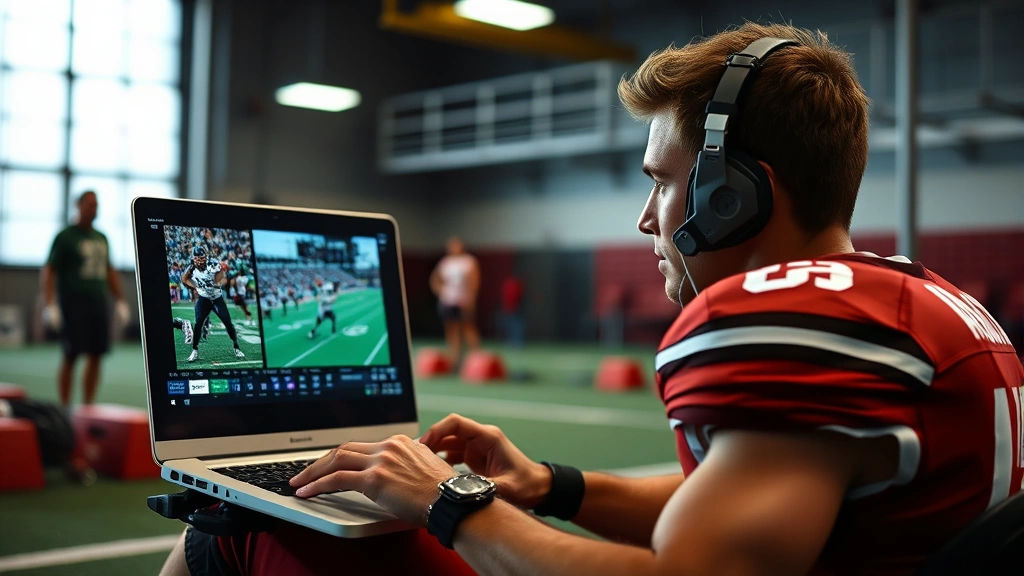
To position yourself for draft consideration or undrafted free agency, focus on measurable improvements in the following areas: 40-yard dash times under 4.9 seconds (position dependent), bench press reps exceeding 15-20 reps, vertical jump height above 30 inches, and broad jump distance beyond 9 feet. These combine metrics provide objective evaluation criteria that transcend division level. Additionally, film study matters exponentially—scouts want to see consistent performance against quality competition with proper footwork, route precision, and decision-making speed.
The crucial element is getting your film in front of the right people. Attend ACSM-certified strength coaches who understand NFL evaluation standards, participate in legitimate Pro Day evaluations, and consider attending specialized football camps where scouts actively recruit talent from all divisions.
Building Your Professional Profile
Your professional profile extends far beyond statistics. Scouts evaluate character, intelligence, coachability, and injury history as heavily as athletic metrics. Maintain impeccable discipline: avoid social media controversies, demonstrate respect for coaches and teammates, and showcase leadership through actions rather than words. A single negative incident can eliminate professional opportunities, while consistent positive behavior distinguishes you from other talented athletes.
Game film is your resume. Ensure your highlight reel demonstrates:
- Consistency: Multiple games showing sustained performance, not just one explosive game
- Competition level: Performance against ranked opponents and conference rivals
- Technical proficiency: Proper footwork, hand placement, and positioning
- Effort and intensity: Full-speed plays throughout entire games
- Versatility: Ability to play multiple positions or demonstrate situational awareness
Create a professional website or digital portfolio showcasing your stats, film, measurements, and contact information. Many D3 players gain professional attention through social media by posting training content, game highlights, and workout documentation. This visibility demonstrates your commitment and provides scouts with easily accessible information. Consider working with sports science professionals to develop a personalized training program optimized for your position.
Your academic record matters more at D3 than D1 because it reflects your discipline and character. A 3.0+ GPA from a rigorous academic institution demonstrates intelligence valued in professional environments. Some positions, particularly quarterback and linebacker, require cognitive evaluation beyond physical testing.
Training and Physical Development
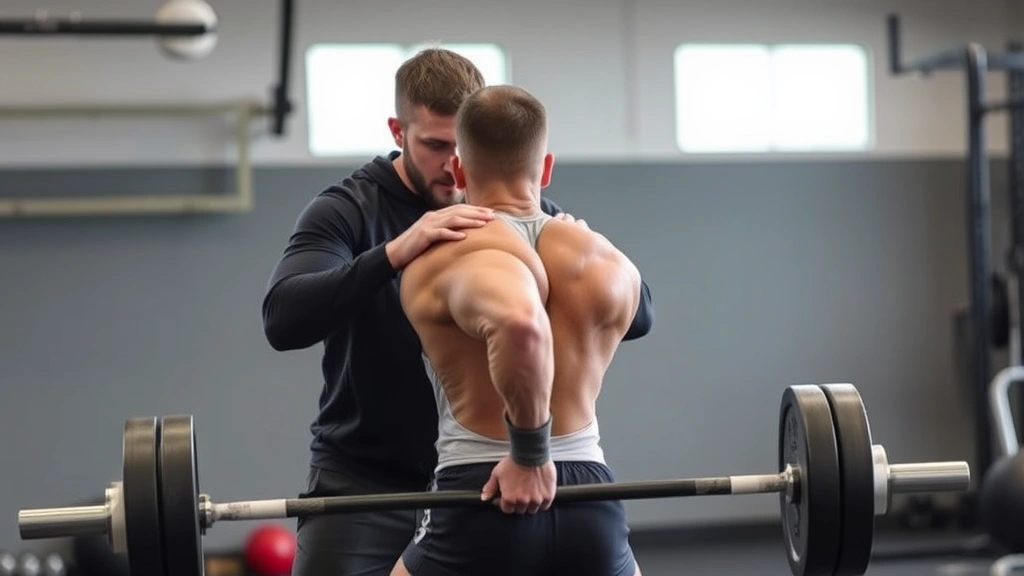
Transitioning from D3 to professional football demands significant physical improvements. The speed, strength, and explosiveness at the professional level exceed college standards considerably. Begin specialized training during your junior year, focusing on position-specific development rather than general conditioning.
Implement periodized training following established NFPA training guidelines that emphasize:
- Strength development: Progressive overload in compound movements (squats, deadlifts, bench press) with 3-4 sessions weekly
- Power production: Olympic lifts and plyometric training to develop explosive first-step ability
- Speed and agility: Sport-specific movement patterns, change-of-direction drills, and acceleration work
- Injury prevention: Mobility work, prehabilitation exercises, and injury prevention strategies to ensure durability
- Recovery optimization: Sleep prioritization (8-9 hours), nutrition timing, and active recovery protocols
Working with sports performance coaches experienced in professional athlete development becomes invaluable. These specialists understand how to periodize training around your college season while progressively building toward professional standards. Many D3 athletes underestimate the physical demands, thinking college success automatically translates to professional readiness. It doesn’t—you must intentionally bridge that gap.
Nutrition deserves specific attention. Professional athletes consume 3,000-5,000 calories daily (position dependent) with precise macronutrient ratios optimized for muscle development and recovery. Partner with sports nutritionists to develop personalized meal plans supporting your training intensity. Many overlooked D3 players simply needed proper nutrition to unlock their genetic potential.
Alternative Professional Pathways
The NFL represents one professional opportunity among several viable options. The Canadian Football League (CFL) actively recruits American D3 talent, offering competitive salaries and genuine career pathways. Many players use the CFL as a stepping stone to eventual NFL opportunities while earning professional income and developing against quality competition.
Indoor professional leagues like the Arena Football League provide additional opportunities, though league stability varies. More recently, spring leagues have emerged, creating offseason opportunities for professional play. The USFL and XFL have both demonstrated commitment to developing talent from non-traditional backgrounds.
International professional football, particularly in Europe, offers lucrative opportunities for skilled athletes. Countries like Germany, France, and the United Kingdom have growing professional leagues actively recruiting American talent. Playing professionally overseas builds your resume while earning substantial income and gaining valuable experience.
Combine these options strategically: pursue NFL opportunities while maintaining CFL or international league connections as backup plans. This approach removes pressure from the NFL path while ensuring you secure professional football opportunities regardless of draft outcomes.
Networking and Exposure Strategy
Success transitioning from D3 to professional football depends significantly on visibility. Scouts cannot evaluate what they haven’t seen, making exposure strategy critical. Attend football camps and showcases where scouts actively evaluate talent. These events provide direct evaluation opportunities and networking access to professional decision-makers.
Build relationships with your coaching staff, strength coaches, and athletic department personnel. These individuals often have professional connections and can advocate for you with scouts and teams. A coach’s recommendation carries substantial weight in professional evaluation.
Leverage sports industry resources and blogs to understand professional evaluation standards. Stay informed about draft trends, team needs, and evaluation criteria. This knowledge helps you position yourself strategically throughout your final college years.
Connect with player agents during your final seasons. Quality agents have established scout relationships and can facilitate professional opportunities. Research agents carefully—legitimate representatives have verifiable track records and industry credibility. Avoid agents making unrealistic promises or charging excessive fees.
Create compelling content documenting your training journey. Many D3 players gain professional attention through consistent workout documentation, educational content about training and nutrition, and team culture content. This visibility demonstrates your commitment while building your personal brand.
Mental Toughness and Longevity
Professional football demands exceptional mental resilience. The rejection, competition, and pressure far exceed college experiences. D3 athletes transitioning to professional environments often struggle with adjustment despite possessing superior talent to some D1 players. Developing mental toughness becomes as important as physical training.
Embrace a growth mindset, viewing challenges as development opportunities rather than threats. Professional careers are forged through adversity—injuries, roster cuts, position changes, and competitive battles. Your psychological response to these challenges determines whether you persist toward success or abandon your goals.
Maintain perspective about your D3 background. Rather than viewing it as a limitation, recognize it as evidence of your determination and genuine passion for football. Many successful professional athletes came from overlooked backgrounds, using that motivation to outwork competitors with more prestigious pedigrees.
Invest in sports psychology coaching to develop mental skills paralleling your physical training. Visualization, stress management, confidence building, and focus techniques directly impact professional performance. Top athletes treat mental training with the same seriousness as strength development.
Build a support network including family, mentors, and teammates who understand your professional journey. Professional football involves significant uncertainty and setbacks—surrounding yourself with positive influences sustains motivation through difficult periods. Your football community and teammates represent invaluable sources of encouragement and perspective.
FAQ
What percentage of D3 football players go pro?
Approximately 0.5-1% of D3 football players transition to professional football, including NFL, CFL, and other professional leagues. While this percentage seems small, hundreds of D3 athletes still achieve professional careers annually. Your individual odds depend on athletic ability, strategic planning, and commitment to development.
Do NFL scouts watch D3 games?
Yes, NFL scouts actively evaluate D3 talent, particularly during conference championship games and playoff competitions. However, scouts watch selectively rather than comprehensively. Standing out requires exceptional performance, measurable combine results, and strategic visibility through Pro Days and showcases.
Can D3 players get drafted?
Absolutely. Approximately 5-8 D3 players get drafted annually into the NFL, typically in rounds 5-7. More significantly, hundreds of D3 players sign undrafted free agent contracts annually, which often lead to roster spots and professional careers.
What’s the best position to play at D3 if aiming for professional football?
Wide receiver, defensive back, and linebacker represent positions where D3 athletes frequently transition to professional football. These positions require athleticism and film study rather than massive physical size. Conversely, offensive linemen and edge rushers face steeper transitions due to size/strength requirements increasing substantially at professional levels.
How important is the NFL Combine for D3 players?
The Combine provides critical evaluation opportunities, but D3 players often benefit more from Pro Day performances. A standout Pro Day with excellent measurables can significantly elevate your professional prospects. However, Combine invitations favor higher-profile players, making Pro Day performance and undrafted free agency more realistic pathways for most D3 athletes.
Should D3 players hire agents?
Legitimate agents provide valuable professional connections and opportunity access. However, avoid agents making unrealistic promises or charging excessive fees. Quality representation becomes increasingly valuable as you approach professional opportunities, but focus first on developing your athletic profile and visibility.


