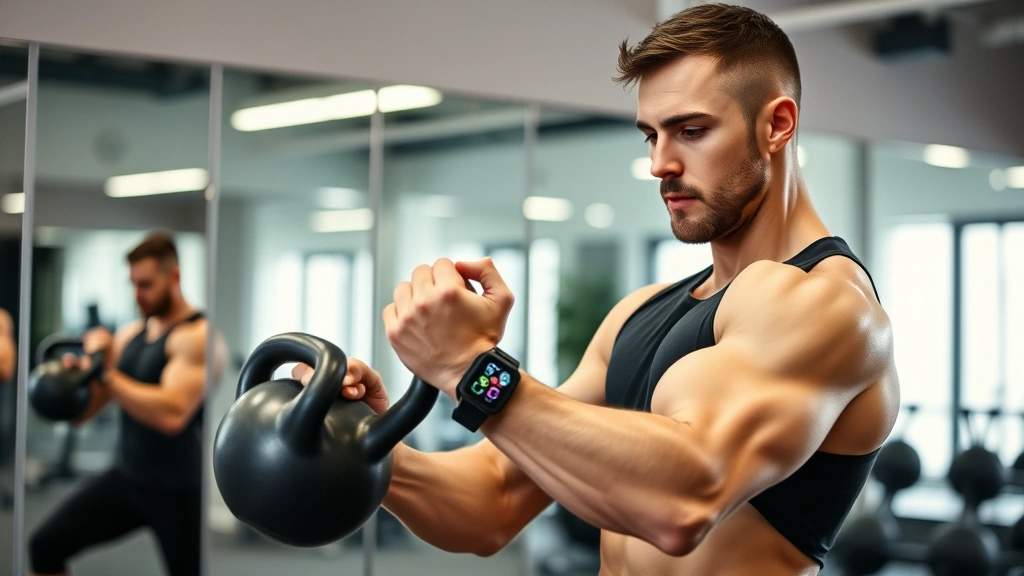
2024 Fitness Trends: Expert Predictions for Peak Athletic Performance
The fitness landscape is evolving faster than ever, and 2024 promises to be a transformative year for athletes and fitness enthusiasts alike. As we enter a new era of training methodologies, technology integration, and personalized wellness approaches, understanding these emerging trends becomes essential for anyone serious about optimizing their athletic performance. Whether you’re a weekend warrior, competitive athlete, or fitness professional, staying ahead of these predictions will help you make informed decisions about your training regimen and long-term health goals.
The convergence of sports science, wearable technology, and evidence-based training principles is reshaping how we approach fitness in 2024. Industry experts, fitness organizations, and exercise physiologists are united in their predictions that this year will emphasize functional athleticism, mental resilience, and sustainable performance enhancement. From collegiate athletes preparing for competition to individuals building foundational strength, the trends we’re about to explore will significantly impact your fitness journey.
Personalized Biometric Training Programs
One of the most significant fitness trends dominating 2024 is the shift toward completely personalized training protocols based on individual biometric data. Gone are the days of one-size-fits-all workout programs. Today’s fitness professionals are leveraging advanced analytics to create custom training plans that account for your unique genetic predispositions, metabolic rate, recovery capacity, and performance thresholds.
The science behind this trend is compelling. According to the American College of Sports Medicine (ACSM), personalized training approaches yield significantly better results than standardized programs. Your heart rate variability, VO2 max capacity, muscle fiber composition, and hormonal profiles all play crucial roles in determining your optimal training intensity and volume. Expert trainers in 2024 are utilizing genetic testing, resting metabolic rate calculations, and continuous biometric feedback to refine training protocols on a weekly—sometimes daily—basis.
This personalization extends to recovery as well. Your individual recovery needs might differ drastically from your training partner’s requirements. Some athletes recover optimally with 48 hours between intense sessions, while others perform better with 72-hour intervals. Advanced biometric monitoring systems now track sleep quality, HRV trends, cortisol levels, and muscle soreness indicators to provide real-time recommendations for training intensity adjustment.
When preparing for competition, whether you’re working toward your 2024 Donruss Football Checklist aspirations or elite athletic goals, understanding your personalized biometric profile gives you an unprecedented competitive advantage. The integration of wearable sensors, mobile applications, and AI-powered coaching platforms makes this level of customization accessible to athletes at all levels.
Functional Movement and Sport-Specific Conditioning
The 2024 fitness landscape is witnessing a powerful shift away from isolated muscle-group training toward functional movement patterns and sport-specific conditioning. Fitness experts increasingly recognize that real-world athletic performance doesn’t occur in controlled environments with single-joint exercises. Instead, peak performance emerges from integrated movement patterns that replicate the demands of actual competition.
Functional training emphasizes multi-planar movements, kinetic chain integration, and movement quality over isolated strength metrics. Rather than focusing exclusively on bench press numbers or leg press maxes, 2024 training programs prioritize complex movements like kettlebell complexes, medicine ball rotations, suspension training, and dynamic stability work. These approaches build the neuromuscular coordination essential for explosive athletic performance.
Sport-specific conditioning takes this concept further by tailoring training stimulus to match the exact demands of your chosen sport. Football players, for instance, require different conditioning protocols than endurance athletes or combat sports competitors. Expert strength and conditioning coaches in 2024 are analyzing movement patterns, force production demands, metabolic requirements, and injury prevention needs specific to each sport.
If you’re interested in understanding the physical demands of football competition, resources like information on how long does a football game last help contextualize the cardiovascular and muscular demands athletes face. This knowledge informs periodized training protocols that condition your body for the specific intensity patterns of competitive play.
Movement quality assessment has become non-negotiable in 2024 training programs. Coaches utilize video analysis, force plate technology, and motion capture systems to identify movement compensations and asymmetries that could limit performance or increase injury risk. Correcting these movement dysfunctions becomes the foundation upon which all strength and power development is built.
Mental Performance and Recovery Psychology
The 2024 fitness trends prominently feature the integration of mental performance coaching and recovery psychology as essential components of athletic development. Elite athletes and forward-thinking fitness professionals recognize that physical training represents only one dimension of performance optimization. Mental resilience, stress management, visualization techniques, and psychological recovery strategies are now considered equally important as physical conditioning.
Sports psychologists and mental performance coaches are working alongside strength and conditioning specialists to develop comprehensive athlete development programs. These integrated approaches address anxiety management, confidence building, focus enhancement, and resilience training. The science is clear: athletes who master psychological skills consistently outperform technically superior competitors who lack mental training.
Recovery psychology extends beyond simple rest days. It encompasses active recovery modalities, mindfulness practices, meditation protocols, and stress-reduction techniques proven to accelerate physiological recovery. Research from exercise physiology journals demonstrates that psychological stress directly impacts cortisol levels, immune function, and recovery capacity. Athletes managing stress effectively recover faster and adapt more robustly to training stimulus.
Visualization and mental rehearsal have evolved significantly in 2024. Rather than simple imagination exercises, athletes now use immersive technologies, neurofeedback systems, and guided mental practice protocols. These evidence-based techniques enhance motor learning, reduce performance anxiety, and improve confidence in high-pressure situations.
Technology-Driven Performance Monitoring
The proliferation of sophisticated wearable technology and performance monitoring systems represents one of the most transformative 2024 fitness trends. Advanced sensors, artificial intelligence algorithms, and cloud-based analytics platforms now provide unprecedented insights into training response, recovery status, and performance trajectory. These tools democratize access to professional-level monitoring previously available only to elite athletes.
Wearable devices tracking heart rate variability, sleep architecture, training load, and movement patterns generate actionable data that informs daily training decisions. Coaches and athletes can now access real-time feedback about training intensity, recovery adequacy, and readiness for peak performance. This objective data replaces subjective feelings and intuition-based decision-making.
According to the National Academy of Sports Medicine, technology-enabled training monitoring improves performance outcomes by approximately 15-20% compared to traditional coaching methods. The integration of machine learning algorithms enables predictive analytics that identify optimal training windows and anticipate overtraining before it manifests as performance decline or injury.
Advanced strength and conditioning facilities in 2024 incorporate force plates, motion capture systems, metabolic testing equipment, and real-time biofeedback displays. These technologies provide immediate performance feedback, enabling athletes to make in-session adjustments that optimize movement efficiency and force production. The combination of immediate feedback and long-term trend analysis creates a comprehensive performance optimization system.
Sustainable and Longevity-Focused Training
A profound shift in 2024 fitness philosophy emphasizes sustainable training approaches and longevity-focused programming rather than short-term performance maximization. This trend reflects growing awareness that career longevity, chronic health outcomes, and quality-of-life measures should influence training decisions equally with competitive performance goals.
Longevity-focused training prioritizes movement quality, injury prevention, and sustainable adaptation over constant intensity escalation. Rather than pursuing maximum strength or power at any cost, progressive training programs emphasize building robust, resilient bodies capable of sustained high performance without chronic injury or metabolic dysfunction.
This approach acknowledges that recovery is where adaptation occurs. Overtraining, insufficient sleep, chronic stress, and inadequate nutrition undermine long-term performance development despite intense training effort. Forward-thinking programs in 2024 balance training stimulus with recovery capacity, ensuring athletes develop durably rather than burning out.
Injury prevention has evolved from reactive treatment to proactive management systems. Comprehensive movement screening, asymmetry assessment, and targeted corrective exercise programs identify and address dysfunction before it manifests as injury. This preventative approach reduces time lost to injury while enabling consistent training progression—a fundamental requirement for sustained performance improvement.
The concept of youth football helmet safety and injury prevention exemplifies this trend. Modern equipment design, proper fitting protocols, and evidence-based tackling technique instruction reflect the growing emphasis on protecting athlete health throughout their careers.
Community-Based Fitness and Social Accountability
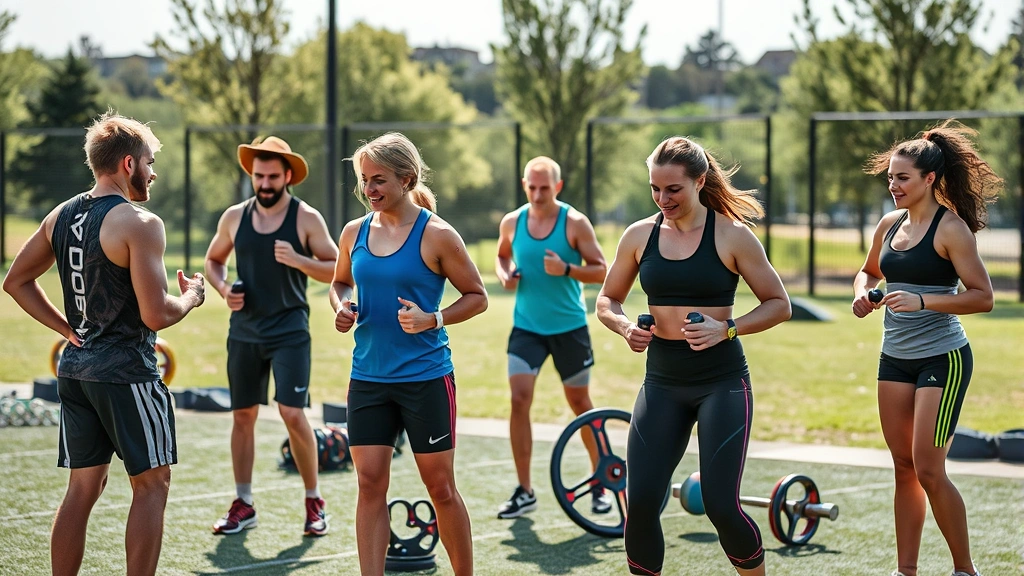
The 2024 fitness landscape demonstrates powerful growth in community-based training environments and social accountability systems. While personalized training remains important, the human element—community support, shared goals, and social accountability—profoundly influences adherence and long-term success.
Group training environments, team-based challenges, and community fitness initiatives provide psychological benefits extending beyond physical training effects. Shared struggle, mutual encouragement, and collective goal achievement create emotional connections that sustain motivation through difficult training phases. Research in exercise psychology consistently demonstrates that community-supported individuals achieve superior long-term adherence compared to isolated training approaches.
Social media platforms and online communities have created unprecedented opportunities for connecting with like-minded individuals pursuing similar fitness goals. These digital communities provide knowledge sharing, motivation, accountability, and emotional support regardless of geographic location. Virtual coaching, remote group training, and online accountability partnerships have become mainstream components of comprehensive fitness programs.
The Peak Play Arena Blog exemplifies this community-focused approach to fitness information sharing. Quality content, practical guidance, and evidence-based recommendations help individuals make informed decisions about their training and performance development. Accessing reliable fitness information through reputable sources strengthens community knowledge and improves training outcomes across populations.
Nutritional Periodization and Metabolic Optimization
Nutrition in 2024 has evolved from simple calorie counting and macronutrient ratios toward sophisticated nutritional periodization and metabolic optimization strategies. Advanced sports nutrition programs now synchronize dietary intake with training phases, recovery demands, and competition schedules to maximize performance adaptation and body composition outcomes.
Periodized nutrition accounts for varying nutrient requirements during different training phases. High-intensity training blocks demand different carbohydrate and protein strategies than strength-focused phases or recovery weeks. Strategic nutrient timing, macronutrient cycling, and targeted supplementation enhance training adaptation while optimizing recovery and immune function.
Metabolic optimization extends beyond training nutrition to encompass daily eating patterns, meal timing, and nutrient distribution. Advanced assessment tools measure resting metabolic rate, substrate utilization patterns, and individual carbohydrate tolerance. This personalized approach ensures nutritional strategies align with individual metabolic characteristics rather than applying generic dietary recommendations.
The integration of continuous glucose monitoring, metabolic testing, and microbiome analysis provides unprecedented insights into how individual bodies process nutrients and respond to dietary interventions. This data-driven approach enables precision nutrition strategies that maximize performance while supporting long-term health outcomes.
Research from the International Society of Sports Nutrition confirms that periodized nutritional approaches yield 10-15% superior performance improvements compared to static dietary protocols. Strategic manipulation of nutrient availability, timing, and composition creates hormonal and metabolic conditions optimizing training adaptation and competitive performance.

FAQ
What is the most important fitness trend for 2024?
While all trends contribute to comprehensive fitness development, personalized biometric training represents the most transformative trend. This approach integrates all other trends—technology monitoring, recovery psychology, functional movement, and nutritional periodization—into a cohesive, individualized system. Personalization ensures training stimulus matches your unique physiology, maximizing results while minimizing injury risk.
How can I implement these 2024 fitness trends into my training?
Start by assessing your current fitness level, establishing clear performance goals, and identifying your sport-specific demands. Seek coaching from credentialed strength and conditioning professionals familiar with contemporary training methodologies. Invest in basic wearable technology for biometric monitoring. Prioritize movement quality through comprehensive screening. Integrate mental performance training alongside physical conditioning. Emphasize recovery psychology and sustainable progression rather than constant intensity escalation.
Do I need expensive technology to benefit from 2024 fitness trends?
While advanced technology enhances training optimization, fundamental principles—functional movement patterns, sport-specific conditioning, recovery emphasis, and progressive overload—require minimal equipment. Quality coaching, movement assessment, and consistent application of evidence-based principles matter more than expensive gadgets. Technology amplifies these fundamentals but cannot replace them.
How does mental performance training improve athletic results?
Mental skills directly influence performance through multiple mechanisms: enhanced focus reduces technical errors, anxiety management improves decision-making, visualization accelerates motor learning, and resilience training improves performance consistency under pressure. Research consistently demonstrates that athletes receiving mental performance coaching achieve 10-20% performance improvements beyond physical training effects alone.
What role does nutrition play in 2024 fitness trends?
Nutritional periodization synchronizes dietary strategies with training demands, recovery needs, and competition schedules. Personalized nutrition addressing individual metabolic characteristics, gut microbiome function, and nutrient absorption capacity optimizes training adaptation. Strategic nutrient timing and macronutrient distribution enhance performance, accelerate recovery, and support long-term health outcomes alongside training stimulus.
How can I balance intense training with sustainable progression?
Implement comprehensive recovery protocols including adequate sleep, stress management, active recovery modalities, and psychological recovery techniques. Monitor biometric indicators of recovery adequacy like heart rate variability and sleep quality. Periodize training intensity rather than maintaining constant high intensity. Prioritize movement quality and injury prevention. Build training progressions that develop durably rather than pursuing maximum performance at any cost.
Where can I find reliable fitness information for 2024?
Consult credentialed professionals including ACSM-certified strength coaches, NASM-certified trainers, and ISSN-registered sports nutritionists. Reference peer-reviewed exercise physiology research and evidence-based fitness resources. Reputable fitness blogs and educational platforms provide quality information alongside professional coaching guidance. Stay informed through fitness motivation resources while maintaining critical evaluation of information sources.
Can these trends apply to recreational fitness enthusiasts or only elite athletes?
These trends benefit athletes at all levels. While elite athletes access sophisticated technology and specialized coaching, recreational fitness enthusiasts can implement fundamental principles: functional movement training, recovery emphasis, personalized progression, mental resilience development, and community support. These principles enhance results for anyone pursuing fitness goals regardless of competitive level.


