
How Long Does a Football Game Last? Expert Insights on Game Duration
Football fans worldwide often wonder about the actual time commitment required to watch a complete game. Whether you’re planning your Sunday afternoon or scheduling viewing parties, understanding how long a football game lasts is essential. The answer isn’t as straightforward as you might think, as game duration varies significantly across different football leagues, levels of play, and circumstances.
The reality is that a football game’s length extends far beyond the 60 minutes of actual playing time shown on the clock. From the opening kickoff to the final whistle, multiple factors influence the total duration, including commercial breaks, timeouts, penalties, and game stoppages. This comprehensive guide breaks down exactly what determines football game length and provides expert insights into timing across the NFL, college football, and high school levels.
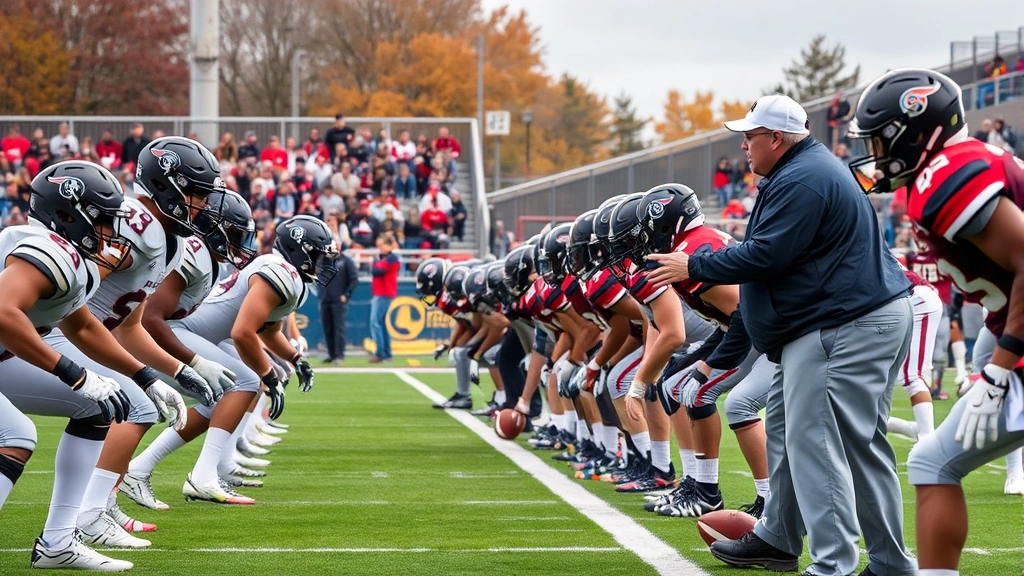
NFL Game Duration: The Professional Standard
The National Football League (NFL) operates under strict timing regulations that make professional football games remarkably consistent in length. An NFL game typically lasts between 3 hours and 3 hours and 30 minutes, though some games extend beyond this timeframe. The official playing time is 60 minutes divided into four 15-minute quarters, but the actual elapsed time is substantially longer.
According to the American College of Sports Medicine, the average NFL game clock moves for only about 11 minutes of actual gameplay per hour of broadcast time. This means that out of a typical 3.5-hour broadcast window, only roughly 11 minutes involves the ball being in active play. The remaining time consists of huddles, play preparation, referee conferences, and commercial breaks.
The NFL’s broadcast partners, including CBS, Fox, and ESPN, have standardized commercial break structures that significantly impact total game duration. Television timeouts occur after every score, at the end of each quarter, and during specific moments in the game. Each timeout typically allows for 2-3 minutes of commercial advertising, which accumulates to approximately 50-60 minutes of total commercial time throughout a game.
Playoff games and Super Bowl broadcasts often extend slightly longer due to additional pregame coverage and extended halftime shows. The Super Bowl halftime show alone can add 20-30 minutes to the standard game duration, making the total viewing commitment potentially exceed 4 hours. When planning your football schedule, understanding sports betting odds and game timing becomes important for proper event planning.
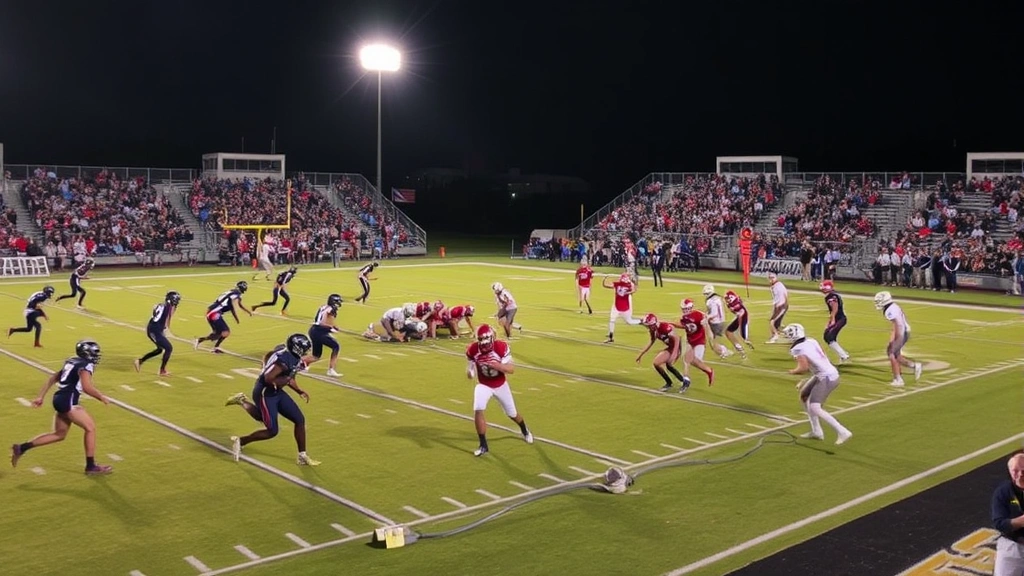
College Football Game Length Explained
College football games typically last between 3 hours and 15 minutes to 3 hours and 45 minutes, often running slightly longer than NFL games. The NCAA operates under similar quarter-length rules (four 15-minute quarters), but several rule differences contribute to extended game duration compared to professional football.
One significant factor is that college football allows the clock to stop after a first down is achieved, while the NFL clock continues running in most situations. Additionally, college teams receive more timeouts per half than NFL teams, with each team getting three timeouts per half. Coaches frequently use these timeouts strategically, particularly near the end of halves, which can extend overall game time.
College football broadcasts also incorporate substantial commercial time, though typically slightly less than NFL broadcasts. However, the increased number of penalties in college football—averaging 7-8 flags per team compared to the NFL’s 5-6—can add significant time to games. Each penalty stoppage requires official explanations and potential replay reviews, all of which contribute to longer total durations.
When analyzing college football predictions and scheduling, understanding game duration becomes crucial for planning tailgate activities and broadcast viewing parties. High-profile matchups and rivalry games often feature more stoppages and can extend well beyond the standard 3.5-hour estimate.
High School Football Timing Variations
High school football games generally last between 2 hours and 30 minutes to 3 hours and 15 minutes, making them notably shorter than college and professional games. This reduced duration stems from several key differences in how high school football operates compared to higher levels of play.
High school games feature two 24-minute halves divided into two 12-minute quarters, rather than the standard 15-minute quarters used in college and professional football. This reduction in quarter length directly translates to shorter overall game duration. Additionally, high school broadcasts typically include minimal commercial time compared to televised college and NFL games, as most high school football is not broadcast on major television networks.
The clock management strategies differ significantly at the high school level as well. Teams receive fewer timeouts—typically two per half rather than three—which reduces strategic stoppages. However, high school games often feature more penalties and stoppage time due to the learning curve of younger athletes and less experienced officiating crews.
For those interested in following high school football scores and results, understanding these timing differences helps coordinate game attendance and family schedules. Friday night football remains a cornerstone of American high school culture, and knowing the expected duration helps maximize the experience.
Factors That Extend Game Time
Multiple variables can extend football games beyond their standard duration. Understanding these factors helps explain why some games finish in 2.5 hours while others stretch past 4 hours. The most impactful time-extending factors include:
Overtime Situations: When games remain tied after regulation, overtime periods add significant time to the total duration. NFL overtime rules have evolved to provide both teams equal possession opportunities, potentially requiring multiple overtime periods in closely matched contests. College football overtime can be particularly lengthy, as teams continue alternating possessions until one team scores more points in a possession cycle.
Replay Reviews: Modern football relies heavily on video review technology to ensure accurate officiating. Each review can consume 2-5 minutes of game time, and high-profile games often feature multiple controversial plays requiring review. The NFL averages 1-2 reviews per game, though some contests feature significantly more.
Injury Stoppages: When players suffer injuries requiring medical attention, the clock stops and additional time is consumed. Serious injuries might require 5-10 minutes of medical evaluation and player removal from the field. Understanding how to avoid sports injuries helps players stay healthy and maintains game flow.
Weather Delays: Lightning, heavy rain, or extreme conditions can force officials to pause games temporarily. These weather delays can add 15 minutes to several hours depending on severity and safety concerns.
Penalty Accumulation: Games with excessive penalties require more stoppages for flag explanations and potential yardage markings. A game with 15+ penalties per team can add 20-30 minutes to standard duration.
Close Game Situations: Competitive games featuring multiple lead changes typically involve more timeout usage and strategic clock management, extending overall duration compared to blowout contests.
International Football Game Duration
Understanding game duration extends beyond American football. International soccer, known simply as football outside North America, operates under completely different timing structures. A standard soccer match lasts 90 minutes of actual playing time, typically distributed as two 45-minute halves, with total broadcast duration usually between 2 hours and 2 hours and 15 minutes including minimal stoppages.
Rugby union matches last 80 minutes across two 40-minute halves, with typical broadcast duration of 2 hours and 20 minutes to 2 hours and 40 minutes. These international sports feature substantially less commercial interruption compared to American football broadcasts, resulting in more continuous action and shorter overall viewing commitments.
Australian Rules Football matches consist of four 20-minute quarters with typical total durations around 2 hours and 45 minutes. Understanding these international variations helps global sports enthusiasts plan their viewing schedules across different football codes and maintain engagement with diverse athletic competitions.
How to Plan Your Football Viewing Schedule
Effectively planning football viewing requires accounting for multiple time factors beyond simple game duration. When scheduling your football experience, consider the following strategic planning elements:
Broadcast Start Times: Official kickoff times vary significantly based on television scheduling. Early games typically start at 1:00 PM, afternoon games at 4:00 PM or 4:30 PM, and primetime games at 8:00 PM or later. Adding 3.5 hours to your kickoff time provides a reasonable estimate for game conclusion, though this varies based on previously discussed factors.
Pregame Activities: Tailgating and pregame festivities typically begin 2-3 hours before kickoff for major events. Planning your complete football day requires accounting for these preliminary activities alongside the game itself, potentially creating a 6-7 hour total commitment for major games.
Halftime Duration: Professional and college football halftimes last 12 minutes, though broadcast presentations extend this to 20-30 minutes including commentary, analysis, and commercial breaks. High school halftimes typically last 10-15 minutes with minimal broadcast coverage.
When coordinating with fantasy football strategies and game planning, explore fantasy football draft strategy resources to maximize your game day engagement. Successful fantasy football participation requires understanding game timing and player availability throughout the season.
For comprehensive football information and strategy guidance, visit the Peak Play Arena Blog for detailed analyses and expert insights. This resource provides ongoing updates about game scheduling, duration predictions, and strategic football information for all experience levels.
Understanding game duration ultimately enhances your football experience by enabling proper scheduling and maximizing enjoyment. Whether attending games in person or watching broadcasts at home, knowing the expected time commitment allows you to plan accordingly and fully engage with the sport you love.
FAQ
What is the exact length of an NFL game?
NFL games typically last 3 hours to 3 hours and 30 minutes from kickoff to final whistle. The actual playing time is 60 minutes, but commercial breaks, timeouts, penalties, and other stoppages extend the total duration significantly.
How long does a college football game usually last?
College football games generally last between 3 hours and 15 minutes to 3 hours and 45 minutes. College-specific rules regarding clock stoppages after first downs and additional timeout opportunities can extend games slightly longer than NFL contests.
Are high school football games shorter than professional games?
Yes, high school football games typically last 2.5 to 3.25 hours, significantly shorter than college and professional games. The shorter quarter lengths (12 minutes instead of 15) and minimal commercial interruption contribute to reduced total duration.
What causes football games to run longer than expected?
Overtime periods, video reviews, injury stoppages, excessive penalties, weather delays, and competitive game situations all extend football beyond standard duration estimates. Games with multiple lead changes and strategic clock management frequently exceed typical time projections.
How much of a football game is actual playing time versus stoppages?
Actual playing time comprises only about 11 minutes per hour of broadcast time in professional football. This means a 3.5-hour game contains approximately 40 minutes of actual action, with the remaining time devoted to commercials, huddles, and stoppages.
Does the Super Bowl last longer than regular season NFL games?
Yes, Super Bowl broadcasts typically extend 4+ hours due to extended pregame coverage, elaborate halftime shows lasting 20-30 minutes, and additional commercial content. The halftime show alone adds significant time beyond standard game duration.
How can I plan my schedule around football game timing?
Add 3.5 hours to your kickoff time for NFL and college games, and 3 hours for high school games as baseline estimates. Account for additional time if overtime seems likely, and factor in pregame activities and tailgating for complete event planning.


