
Are Shoulder Pads Necessary? Expert Insights on Football Protection
Shoulder pads have been a cornerstone of football equipment for over a century, yet their necessity remains hotly debated among coaches, players, and sports medicine professionals. Whether you’re a high school athlete, college prospect, or professional player, understanding the role of shoulder pads in injury prevention and performance is critical to making informed decisions about your protective gear. This comprehensive guide examines the science behind shoulder pad design, their effectiveness in preventing injuries, and expert recommendations for selecting the right equipment for your position and playing style.
The evolution of shoulder pad technology has transformed dramatically over the past few decades. Modern shoulder pads incorporate advanced materials, ergonomic designs, and impact-absorption systems that bear little resemblance to their rigid predecessors. Yet despite these innovations, questions persist about whether they truly prevent injuries or simply provide a false sense of security. By exploring the research, expert opinions, and practical considerations, you’ll gain the knowledge necessary to optimize your protective strategy and keep yourself performing at peak levels.
Understanding Shoulder Pad Construction and Design
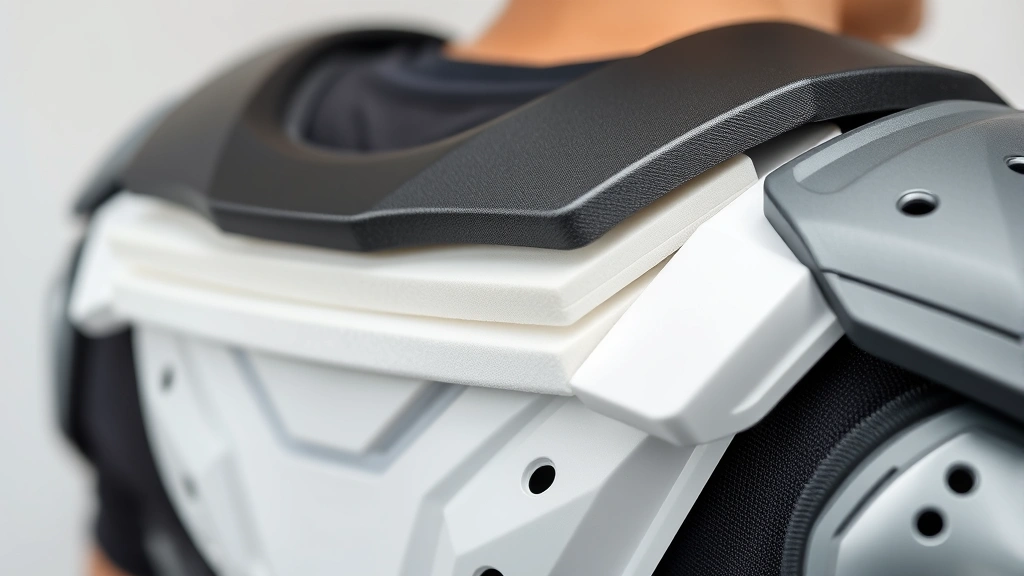
Modern shoulder pads consist of several critical components working in concert to absorb and distribute impact forces. The external shell, typically made from polyethylene or polycarbonate, provides structural integrity and helps deflect direct blows. Beneath this shell lies a foam layer that absorbs shock energy, with densities varying depending on the intended position and protection level. The shoulder cup covers the acromion process—the bony prominence at the top of your shoulder—which is particularly vulnerable to direct impacts during tackles and collisions.
The design philosophy behind contemporary shoulder pads emphasizes strategic coverage with minimal weight. Unlike the bulky equipment of previous generations, modern pads use engineered foam that compresses upon impact to dissipate energy while maintaining mobility. Some premium models incorporate gel inserts, air chambers, or viscoelastic materials that provide superior shock absorption. The strapping system distributes the weight across your torso and shoulders, preventing the pads from shifting during dynamic movement—a critical factor since misaligned protection is essentially useless.
Different positions require different pad configurations. Linemen typically wear larger, more heavily padded shoulder pads with extended coverage, while skill position players prefer lighter, more streamlined designs that prioritize mobility. Understanding your position’s specific demands is essential when evaluating whether shoulder pads are truly necessary for your role on the field. Learn more about football training equipment to understand the complete protective arsenal available to players.
Injury Prevention: What the Research Shows
The scientific evidence regarding shoulder pad effectiveness presents a nuanced picture. Research published in the American College of Sports Medicine journals indicates that shoulder pads significantly reduce the incidence of shoulder dislocations, clavicle fractures, and acromioclavicular (AC) joint injuries. A landmark study found that players wearing properly fitted shoulder pads experienced 40-50% fewer shoulder injuries compared to those wearing minimal protection or no pads at all.
However, the protection offered by shoulder pads is not uniform across all injury types. While they excel at preventing direct blunt trauma to the shoulder complex, they provide limited protection against rotational forces or indirect mechanisms that cause soft tissue injuries. Sprains, strains, and muscle tears often result from these indirect mechanisms, meaning shoulder pad protection alone cannot prevent all shoulder injuries. The American Academy of Pediatrics recommends properly fitted shoulder pads as essential protective equipment for all youth and high school football players, emphasizing the importance of correct sizing and positioning.
Studies examining professional players reveal interesting patterns. NFL teams with comprehensive injury surveillance systems have documented that shoulder pad compliance correlates strongly with reduced shoulder injury rates, yet concussion rates show minimal correlation with pad choice. This distinction is crucial: shoulder pads protect the shoulder structure but have negligible impact on head injuries, which require separate protective measures like proper helmet selection. The evidence clearly supports shoulder pads as necessary equipment for preventing specific shoulder injuries, but they’re not a panacea for all football-related injuries.
Position-Specific Considerations
Defensive linemen face enormous collision forces on every play, making robust shoulder pad protection absolutely essential. These positions experience the highest rates of shoulder injuries in football, with direct contact occurring hundreds of times per season. Defensive ends, tackles, and nose guards benefit tremendously from maximized shoulder pad coverage and padding density. The investment in high-quality, position-appropriate pads directly translates to injury prevention for these positions.
Offensive linemen similarly encounter repeated contact that makes shoulder pads critical protective equipment. Centers, guards, and tackles engage in sustained blocking battles where shoulder pad quality determines injury rates. Research from sports medicine research databases shows that linemen wearing advanced shoulder pads experience significantly fewer shoulder injuries than those using basic equipment. For these positions, asking whether shoulder pads are necessary is almost rhetorical—they’re absolutely essential.
Conversely, skill position players like wide receivers, running backs, and defensive backs have more flexibility in pad selection. These athletes benefit from lighter, more streamlined shoulder pads that enhance mobility without sacrificing essential protection. Many skill position players opt for minimal-profile pads that cover critical areas while maintaining maximum range of motion. The trade-off between protection and agility becomes more favorable toward reduced padding for these positions. Understanding how long is a football game helps inform your decision about pad comfort—lighter pads become increasingly valuable during four-hour contests.
Quarterbacks represent a unique case. Protected by their offensive line, QBs rarely experience direct shoulder contact but still benefit from modest shoulder pad protection for the occasional scramble or defensive penetration. Most quarterbacks wear lightweight pads that provide basic protection without hindering throwing mechanics. The position’s demands for upper body mobility make excessive padding counterproductive.
Impact on Performance and Mobility
One of the most significant concerns about shoulder pads is their potential impact on athletic performance. Heavier pads increase upper body weight, which can reduce speed, jumping ability, and endurance—particularly noticeable during the fourth quarter when fatigue sets in. Modern lightweight designs have largely addressed this concern, with many contemporary pads weighing less than 1.5 pounds while still providing substantial protection.
Range of motion represents another critical performance factor. Bulky shoulder pads can restrict shoulder abduction and external rotation, limiting throwing accuracy, catching ability, and defensive reach. Proper fit is absolutely essential to minimize these restrictions. Pads that are too large or positioned incorrectly will significantly impair performance, while correctly fitted pads from reputable manufacturers have minimal impact on mobility. Testing different pad styles before committing to a purchase is highly recommended—what works for your teammate may not optimize your specific biomechanics.
Interestingly, research suggests that players often overestimate the performance restrictions imposed by properly fitted shoulder pads. Controlled studies comparing pad conditions show minimal differences in sprint speed, vertical jump, or throwing velocity when athletes wear appropriate equipment. The psychological aspect of feeling protected may actually enhance confidence and performance, allowing players to engage more aggressively without hesitation. This mental component shouldn’t be underestimated when evaluating whether shoulder pads are necessary for your optimal performance.
Heat dissipation and comfort during extended play deserve consideration. Modern pads incorporate breathable materials and strategic ventilation designs that improve airflow compared to older models. For football training in hot climates, pad choice significantly impacts player safety and endurance. Quality pads with ventilation features support both protection and performance in challenging environmental conditions.
Alternatives and Complementary Protection Strategies
Some players and coaches question whether shoulder pads are truly necessary by proposing alternatives or complementary strategies. Compression sleeves with embedded protective padding have gained popularity, offering lightweight protection with enhanced mobility. However, scientific evidence indicates these alternatives provide substantially less protection than traditional shoulder pads, particularly for direct impact injuries. They may serve as useful supplements but cannot fully replace shoulder pad protection.
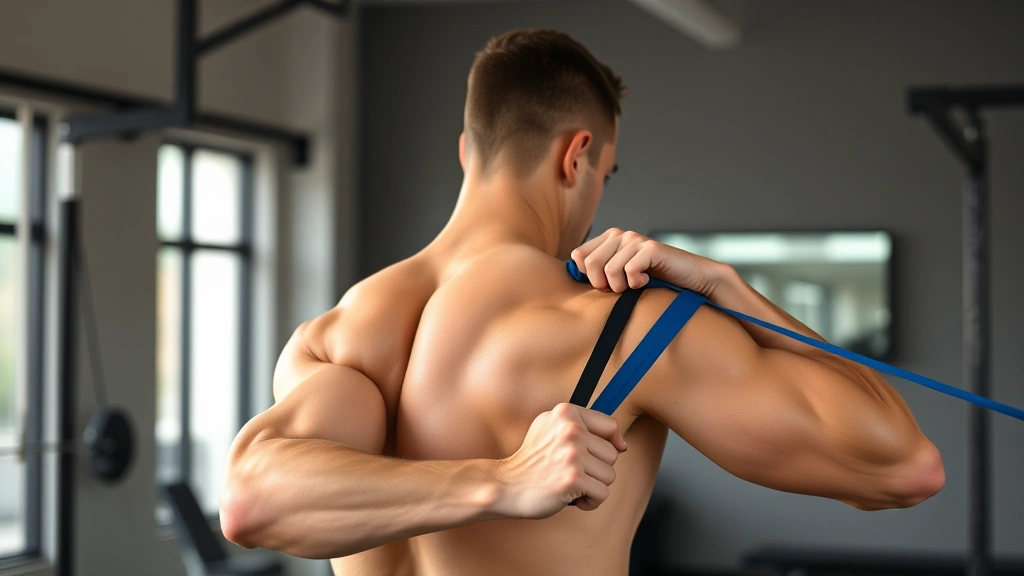
Strength and conditioning programs represent an essential complement to shoulder pad protection. Robust rotator cuff strength, scapular stability, and core power significantly reduce shoulder injury risk regardless of padding. Players who prioritize shoulder-specific strength training experience lower injury rates than those relying solely on equipment protection. Incorporating exercises like band pull-aparts, prone Y-T-W raises, and scapular stabilization work into your training regimen provides injury protection that equipment alone cannot achieve.
Proper technique and tackling mechanics represent another crucial alternative strategy. Coaching athletes to use correct tackling form—leading with the hips rather than the shoulder, keeping the head up, and maintaining a strong base—significantly reduces injury risk across all positions. This technical approach complements rather than replaces shoulder pad protection, creating layered injury prevention that addresses biomechanical risks alongside equipment safeguards.
Flexibility and mobility work, particularly shoulder mobility exercises, reduce injury risk by improving movement quality and reducing compensatory stress on shoulder structures. Incorporating daily shoulder mobility drills, cross-body stretches, and thoracic spine mobility work into your training routine provides lasting protection benefits. These strategies work synergistically with shoulder pads to create comprehensive injury prevention.
Expert Recommendations and Best Practices
Leading sports medicine professionals and coaching organizations universally recommend that football players wear properly fitted shoulder pads. The American Football Coaches Association, the National Federation of State High School Associations, and the NCAA all mandate shoulder pad use at their respective levels of competition. These authoritative bodies base their recommendations on substantial research demonstrating clear injury prevention benefits.
Proper fitting is absolutely critical and often overlooked. Shoulder pads should sit snugly against your shoulders without excessive movement or gaps. The chest plate should cover your sternum and anterior chest, while shoulder cups should properly position over the acromion process. Straps should be tightened securely without restricting breathing or circulation. Many players wear incorrectly fitted pads, which severely compromises their protective benefit. Visit a specialty sports equipment retailer for professional fitting—this investment pays dividends in injury prevention and performance.
Selecting pads appropriate for your position and body type is essential. Linemen should prioritize maximum coverage and padding density, even if this means slightly reduced mobility. Skill position players should seek lightweight designs that balance protection with agility. Quarterbacks benefit from minimal-profile pads that don’t interfere with throwing mechanics. Understanding your position’s demands ensures you select pads that optimize the protection-performance trade-off for your specific role. Learn more about position-specific considerations by exploring fantasy football trade value and position roles.
Regular inspection and maintenance of shoulder pads extends their protective lifespan. Foam padding degrades over time, particularly with intense use and washing. Inspect pads before each season for compression, cracks, or deterioration. Replace pads if padding feels flat or fails to compress properly when squeezed. Most quality pads last 2-3 seasons with proper care, making regular replacement a worthwhile investment in injury prevention.
Layering protection strategies creates optimal injury prevention. Combine properly fitted shoulder pads with comprehensive strength training, dedicated mobility work, and excellent technique. This multifaceted approach addresses injury risk from multiple angles, providing superior protection compared to any single strategy. Players implementing this holistic approach experience significantly lower injury rates and perform at higher levels throughout their careers.
FAQ
Are shoulder pads absolutely necessary for all football positions?
While shoulder pads provide valuable protection for all positions, they’re particularly essential for linemen who experience frequent direct contact. Skill position players have more flexibility but still benefit from at least basic shoulder pad protection. The research supports shoulder pad use across all positions, though the intensity of required protection varies by position demands.
Can shoulder pads prevent all shoulder injuries?
No, shoulder pads excel at preventing direct impact injuries like dislocations and fractures but provide limited protection against soft tissue injuries caused by indirect mechanisms or overuse. Comprehensive injury prevention requires combining pads with strength training, mobility work, and proper technique.
How often should shoulder pads be replaced?
Quality shoulder pads typically last 2-3 seasons with regular use and proper maintenance. Inspect pads before each season and replace them if padding feels compressed or fails to provide adequate shock absorption. Replacement frequency depends on intensity of use and care quality.
Do lightweight shoulder pads offer adequate protection?
Modern lightweight pads provide substantial protection when properly fitted and manufactured by reputable companies. They’re excellent for skill position players seeking to balance protection with mobility. However, linemen typically benefit from slightly heavier pads with more extensive padding.
What’s the most important factor in shoulder pad effectiveness?
Proper fitting is the single most critical factor determining shoulder pad effectiveness. Poorly fitted pads, regardless of quality, provide minimal protection. Invest time in professional fitting to ensure maximum protection and performance benefits.
Can strength training replace shoulder pad protection?
Strength training significantly reduces injury risk but cannot completely replace shoulder pad protection against direct impacts. The most effective injury prevention combines both strategies—pads provide equipment-based protection while strength training addresses biomechanical risk factors.


