
How to Play Safety in Football: Expert Tips for Defensive Excellence
The safety position stands as one of football’s most demanding and rewarding defensive roles. Whether you’re a high school player aspiring to play college football or an athlete looking to master your craft, understanding how to excel as a safety requires dedication, intelligence, and relentless training. Safeties serve as the last line of defense, making split-second decisions that can determine game outcomes. This comprehensive guide reveals expert strategies, fundamental techniques, and advanced concepts that transform ordinary players into elite defensive backs.
Playing safety demands more than physical prowess—it requires mental acuity, positional awareness, and the ability to read offenses like a quarterback reads defenses. The best safeties combine instinctive reactions with calculated decision-making, creating a defensive presence that quarterbacks fear and teammates respect. Whether you’re preparing for your first season or refining skills you’ve honed for years, the principles outlined here will elevate your game to championship levels.
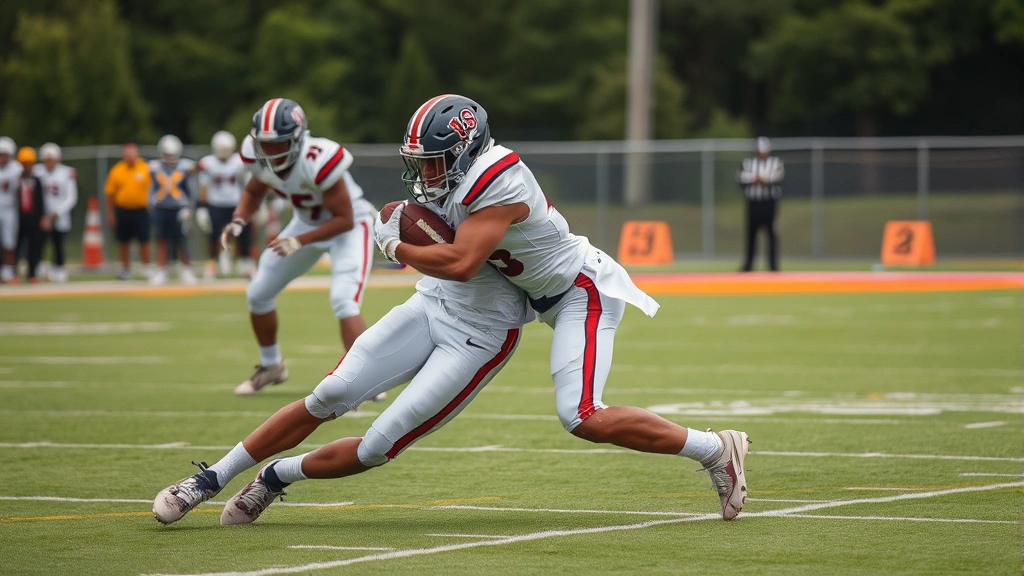
Understanding the Safety Position
The safety position encompasses two distinct roles: free safety and strong safety, each with unique responsibilities and skill requirements. The free safety operates as the deepest defensive back, providing coverage over the middle of the field and serving as the final defender against vertical passing plays. This role demands exceptional range, speed, and the ability to diagnose plays quickly from a distance. Free safeties must possess the athletic gifts to cover significant ground while maintaining awareness of multiple offensive threats simultaneously.
The strong safety typically aligns closer to the line of scrimmage, often matching up against tight ends and supporting the run game. Strong safeties require a unique blend of coverage ability and physicality, as they frequently engage in run defense and short-area coverage. Understanding which role fits your skill set proves crucial for development. Most players excel in one position, though versatile athletes who can play both positions become invaluable to their teams.
Modern football has evolved the safety position dramatically. Contemporary defenses employ multiple safety looks, exotic blitzes, and coverage rotations that demand safeties understand the entire defensive system. Your role extends beyond individual coverage—you’re an extension of the coaching staff on the field, communicating adjustments and ensuring teammates execute assignments correctly. This leadership aspect separates good safeties from great ones.
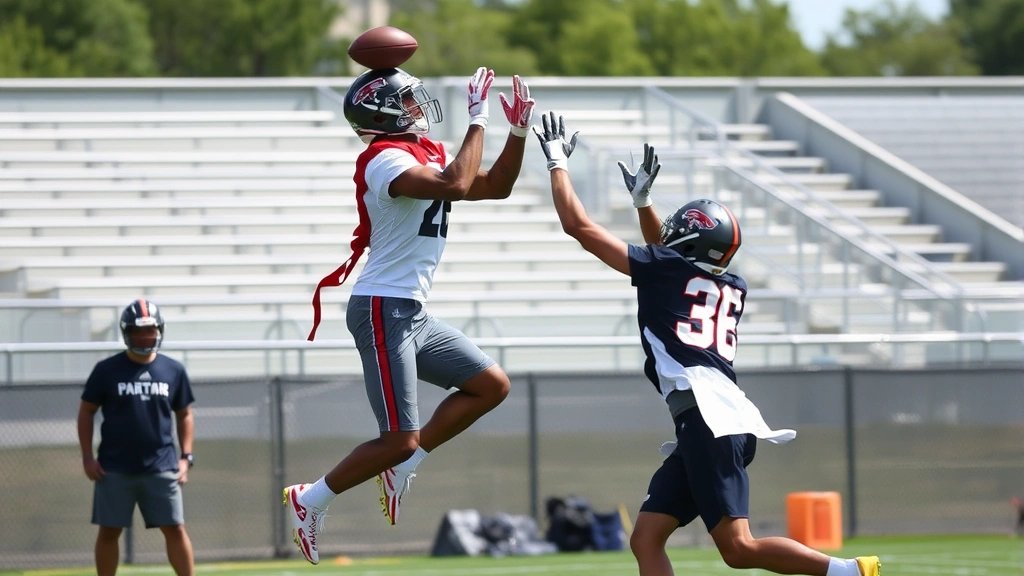
Fundamental Skills Every Safety Needs
Speed and Lateral Agility: Elite safeties possess the ability to move fluidly in all directions. Your speed matters less than your ability to change direction efficiently while maintaining balance. Lateral quickness allows you to cover receivers breaking across the field, while vertical speed enables deep coverage. Develop these attributes through dedicated footwork drills and change-of-direction exercises that mimic game situations.
Coverage Intelligence: Understanding offensive formations, route concepts, and quarterback tendencies separates instinctive safeties from reactive ones. Study how receivers align, recognize common route combinations, and anticipate where the ball will travel. This knowledge comes from consistent film study and position coaching, not just practice reps.
Tackling Fundamentals: The safety position requires executing tackles in open space, often against larger, faster opponents. Proper tackling technique prevents injuries, improves consistency, and demonstrates command of your defensive area. Low pad level, proper foot placement, and wrap-up technique form the foundation of effective tackling.
Vertical Leap and Ball Skills: Safeties must contest catches, break up passes, and create interception opportunities. Developing your vertical leap through plyometric training enhances your ability to challenge receivers at the catch point. Hand-eye coordination drills and one-on-one coverage work refine your ability to locate and intercept the football.
Communication and Leadership: As the quarterback of your defense, you must communicate effectively with teammates, ensuring everyone understands assignments and adjustments. Clear, confident communication prevents confusion and builds team cohesion. Your voice should command respect through knowledge and consistency, not volume.
Reading Offenses and Pre-Snap Diagnosis
The best safeties diagnose plays before the snap, allowing them to position themselves optimally for whatever unfolds. Begin by analyzing offensive formation, identifying potential play direction, and recognizing personnel groupings that suggest specific play types. A three-receiver set with a slot formation typically indicates passing plays, while heavy personnel groupings suggest run plays or play-action opportunities.
Study quarterback eye movement and mechanics. Does the quarterback look at a specific receiver immediately? Are they setting up for a quick slant or a deep shot? Understanding quarterback tendencies helps you anticipate plays and position yourself for success. Athletic conditioning and reaction time develop through thousands of repetitions, so dedicate practice time to pre-snap reads.
Recognize receiver splits and alignment tendencies. Receivers aligned near the sideline usually run vertical or comeback routes, while slot receivers often run crossing routes. Tight ends aligned at the line typically block or run short routes, while detached tight ends indicate vertical passing concepts. These details seem minor but accumulate into decisive advantages when reading plays quickly.
Develop a system for calling adjustments based on offensive formation. If the offense shows four receivers, rotate your coverage to match their spacing. If they align in a run-heavy formation, adjust your positioning closer to the line. Consistency in your pre-snap routine creates muscle memory that allows faster, more accurate reads during games.
Coverage Responsibilities and Zone Mastery
Understanding coverage types—man coverage, zone coverage, and hybrid structures—proves essential for safety success. In man coverage, you’re assigned a specific receiver and follow them wherever they travel. This demands constant awareness, tight hip-to-hip positioning, and the ability to mirror receiver movements. Man coverage rewards athleticism and competitive fire, as you’re directly responsible for preventing completions.
In zone coverage, you’re responsible for a specific area of the field rather than a particular receiver. Your responsibility is preventing completions within your zone and reacting to receivers entering your area. Zone coverage requires positioning intelligence, as you must balance multiple potential threats while maintaining your zone’s integrity. Many safeties prefer zone coverage because it allows them to play more freely and make plays on the ball.
Cover 2 and Cover 4 structures place safeties deep, splitting the field into halves or quarters respectively. These coverages provide safety in the deep middle but require discipline to maintain your assignment. Cover 1 and Cover 3 structures position safeties differently, creating unique responsibilities. Mastering these coverage types requires hundreds of repetitions and complete understanding of your specific assignment within each structure.
Transition between coverage types seamlessly. Your pre-snap read should immediately tell you whether you’re in man or zone coverage, allowing instantaneous adjustment. Hesitation costs touchdowns, so practice coverage recognition until it becomes automatic. Fantasy football analysis often highlights defensive performance metrics that demonstrate how elite safeties impact overall team success.
Tackling Techniques and Contact Fundamentals
Proper tackling technique protects your body while maximizing impact. Begin with your feet, positioning them shoulder-width apart with your knees slightly bent. Drive through your hips, lowering your pad level below the ball carrier’s pad level—this fundamental principle provides leverage and power. Keep your head up, never leading with your helmet, which risks injury and penalties.
Approach the ball carrier at an angle that cuts off escape routes. Instead of pursuing directly behind the runner, position yourself to force them into less desirable directions. This technique, called “pursuit angles,” demonstrates football intelligence and improves tackle efficiency. Explosive first step and lateral movement allow you to reach ball carriers quickly.
Wrap up when making contact, using your arms to secure the runner. Don’t just bounce off the ball carrier with shoulder contact—wrap your arms tightly and drive your legs through the tackle. This wrap-up technique ensures you bring runners down rather than allowing them to break free. Practice open-field tackling consistently, as safeties frequently face one-on-one opportunities where proper technique determines success.
Angle of approach matters tremendously. When a receiver catches the ball laterally, approach from their front shoulder rather than directly behind them. This positioning allows faster closure and prevents the receiver from turning upfield. When a running back breaks into the secondary, meet them with power rather than allowing them to gain momentum. Situational tackling—understanding how to approach different scenarios—separates elite safeties from average ones.
Practice low-pad-level drills consistently. Too many safeties make contact with high pad levels, allowing runners to fall forward for additional yards. Maintain a lower center of gravity than your opponent, driving your legs through the tackle. This fundamental principle applies to every tackle, from open-field situations to pile-on attempts.
Ball Skills and Interception Development
Creating turnovers separates elite safeties from adequate ones. Develop your ability to locate the football quickly by practicing one-on-one coverage drills against receivers. Focus on your peripheral vision, allowing you to see both the receiver and the quarterback simultaneously. This dual awareness enables you to react to thrown balls immediately rather than searching for the football after the fact.
Work on your vertical leap through plyometric exercises. Higher jumping ability allows you to contest catches at the peak of receivers’ jumps, disrupting completions before they occur. Box jumps, single-leg bounds, and explosive step drills improve your vertical leap over time. Combine this physical development with technique work, learning to time your jump to meet the ball at its highest point.
Practice interception routes constantly. When you recognize a pass intended for your coverage area, break on the ball aggressively. Don’t wait for the receiver to make a move—trust your read and attack the football. Aggressive ball skills create opportunities for game-changing plays. Conversely, poor ball skills result in defensive pass interference penalties and missed opportunities.
Study receiver hand placement and body language. Receivers signal their intentions through their movements—hands going up indicate jump ball situations, while body positioning reveals route direction. Anticipating these movements allows you to locate the ball faster than pure reaction time permits. This anticipatory skill develops through thousands of repetitions and film study.
Develop confidence in your ability to make plays on the ball. Sports psychology research demonstrates that confident athletes perform better under pressure, making mental preparation as important as physical training. Visualize successful interceptions, practice contested catch situations, and celebrate your ball-hawking ability.
Conditioning and Physical Preparation
The safety position demands exceptional conditioning. You’ll sprint to cover deep receivers, backpedal in zone coverage, and pursue running backs across the field—all within the same play. Develop energy systems that support this varied demand through interval training, position-specific conditioning, and game-simulation drills.
Speed and Explosiveness Training: Incorporate sprint work, starting technique drills, and acceleration development. Your first three steps determine whether you’ll reach receivers or running backs effectively. Explosive starts come from proper footwork and lower-body power development. Dedicate training time to 10-yard and 20-yard sprints, working on acceleration mechanics rather than just running fast.
Lateral Movement Development: Safeties must move laterally efficiently, covering receivers breaking across the field. Lateral shuffle drills, cone drills, and mirror drills develop this critical ability. Maintain proper body position during lateral movement—knees bent, feet shoulder-width apart, ready to change direction. Sloppy lateral footwork allows receivers to separate and create completion opportunities.
Endurance Conditioning: Games last four quarters, requiring sustained effort throughout. Develop your aerobic capacity through longer-distance running and continuous conditioning drills. Your ability to make perfect tackles in the fourth quarter separates elite safeties from those who fade as games progress. Consistency matters more than peak performance—showing up ready to compete all game long.
Strength Training for Safeties: Build functional strength that supports tackling power and explosive movement. Focus on compound movements—squats, deadlifts, and Olympic lifts—that develop lower-body power. Upper-body strength supports tackling ability and contact durability. Core strength enables powerful rotation and dynamic movement in all directions. Train strength 2-3 times weekly during the season, maintaining your foundation while emphasizing position-specific conditioning.
Film Study and Mental Preparation
Elite safeties separate themselves through relentless film study. Watch your own performance, analyzing mistakes and identifying improvement areas. Review opponent tendencies, understanding how quarterbacks attack your defensive scheme. Study receiver routes, recognizing patterns in how they attack coverage. This film work transforms you from a reactive player into a proactive one, anticipating plays before they fully develop.
Create a film study system that efficiently builds knowledge. Watch full games first, understanding overall offensive strategy. Then isolate specific plays—third-down conversions, red zone attempts, scoring drives. Finally, focus on individual receivers and their route trees. This systematic approach builds comprehensive understanding without wasting time on irrelevant footage.
Develop a pre-game mental routine that prepares you for competition. Visualization techniques allow you to mentally rehearse successful plays, building confidence and familiarity. Walk through coverage assignments mentally, ensuring you understand every responsibility. Arrive at the stadium early, allowing time for mental preparation rather than rushing through preparation.
Maintain a growth mindset, viewing mistakes as learning opportunities rather than failures. Every interception you miss, every receiver who catches a touchdown, and every tackle you miss provides information. Analyze what went wrong, identify the correction, and commit to improvement. Understanding team dynamics and player performance metrics helps you recognize how your individual development impacts overall defensive success.
Study defensive schemes comprehensively, not just your specific assignment. Understanding how cornerbacks work with safeties, how linebackers flow to support your coverage, and how defensive line pressure impacts quarterback decision-making elevates your entire defensive understanding. This comprehensive knowledge allows you to adjust quickly and support teammates effectively.
Communicate with coaches about specific areas requiring development. Request additional one-on-one work on contested catches, open-field tackling, or specific coverage concepts. Coaches respect players who take initiative and demonstrate commitment to improvement. This collaborative approach accelerates your development and shows your coaches you’re serious about excellence.
Remember that playing safety requires balancing aggression with discipline. Being too aggressive results in defensive pass interference penalties and busted coverage, while being too passive allows easy completions. Find this balance through experience, understanding when to attack and when to maintain your responsibility. This balance separates average safeties from elite ones who make game-changing plays without excessive penalties.
FAQ
What’s the difference between free safety and strong safety?
Free safeties align deeper and provide coverage over the middle of the field, emphasizing range and speed. Strong safeties align closer to the line, often covering tight ends and supporting run defense. Free safeties are typically more athletic and coverage-oriented, while strong safeties balance coverage ability with physicality.
How can I improve my vertical leap for contested catches?
Plyometric exercises like box jumps, single-leg bounds, and jump squats develop explosive power. Combine these exercises with proper jumping technique—using your arms for momentum and extending fully through your legs. Train explosiveness 2-3 times weekly, allowing adequate recovery between sessions. National Strength and Conditioning Association resources provide evidence-based training protocols for athletic development.
What film study should safeties prioritize?
Study opponent quarterbacks first, understanding their tendencies and favorite targets. Then analyze receiver route trees and alignment tendencies. Finally, review your own performance, identifying mistakes and improvement areas. This prioritization builds comprehensive understanding while emphasizing the most impactful information.
How do I develop better coverage instincts?
Instincts develop through thousands of repetitions and consistent film study. Practice coverage drills daily, working against different receiver types and route concepts. Watch film identifying quarterback eye movement and receiver releases. Over time, these patterns become automatic, allowing faster reads and reactions.
What’s the most important skill for safeties?
Ball skills matter most for safeties. Your primary responsibility is preventing completions and creating turnovers. Develop your ability to locate the football quickly, contest catches, and intercept passes. This skill, combined with coverage intelligence, creates elite safeties who impact games consistently.
How should safeties approach tackling larger ball carriers?
Lower pad level proves essential against larger opponents. Drive through your hips, maintaining a lower center of gravity than the ball carrier. Wrap up with your arms, securing the runner rather than bouncing off contact. Use proper angle of approach, cutting off escape routes before engaging contact.
What conditioning should safeties emphasize?
Safeties require varied conditioning—sprint work for explosive movement, lateral drills for coverage movement, and endurance training for sustained effort throughout games. Incorporate interval training that mimics game demands, alternating high-intensity sprints with brief recovery periods.


