
Ohio State’s Recruiting Woes? Expert Analysis of the Buckeyes’ Current Challenges
Ohio State football has long been synonymous with elite recruiting, championship-caliber rosters, and national prominence. However, recent recruiting cycles have raised eyebrows among analysts and fans alike. The Buckeyes face unprecedented competition, changing NIL landscapes, and shifting player priorities that have complicated their path to maintaining recruiting dominance. Understanding these challenges requires examining multiple factors that have converged to create a complex recruiting environment unlike anything Ohio State has faced in recent decades.
The traditional recruiting powerhouse has encountered obstacles ranging from portal competition to regional talent distribution shifts. While Ohio State remains a premier destination, the program’s ability to consistently land top-tier talent at every position has become less certain. This analysis explores the root causes of these struggles, examines comparative data, and identifies potential solutions that could restore the Buckeyes to their recruiting throne.
The NIL Revolution and Its Impact on Ohio State Football Recruiting
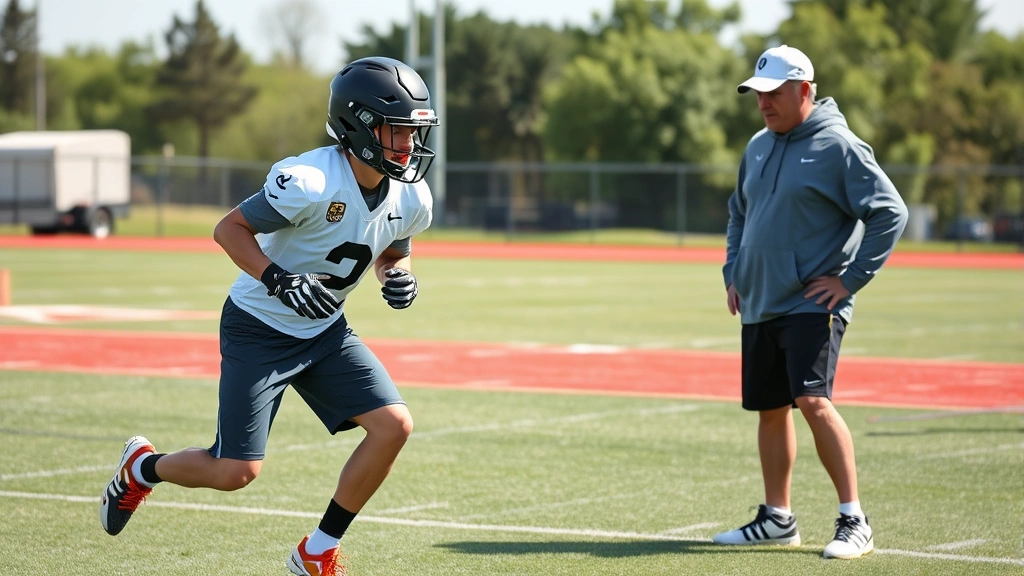
The introduction of Name, Image, and Likeness (NIL) deals fundamentally transformed college football recruiting. Unlike traditional scholarships, which remained relatively equal across programs, NIL deals created unprecedented financial disparities. Schools with strong business connections, wealthy donors, and established NIL collectives suddenly gained significant advantages in recruiting negotiations.
Ohio State, despite its prestigious brand, initially struggled to match the aggressive NIL spending of competitors like Texas, Alabama, and newer powerhouses like Texas A&M. The Buckeyes’ conservative approach to NIL development left them at a disadvantage when competing for five-star recruits who could command substantial deals elsewhere. This financial gap became particularly evident during the 2023 and 2024 recruiting cycles when Ohio State lost several elite prospects to schools offering superior NIL packages.
The University of Texas, backed by significant donor resources and a modern NIL infrastructure, successfully used financial incentives to recruit players who might have previously chosen Ohio State. Similarly, programs like Oklahoma and Texas A&M leveraged their newfound financial capabilities to compete at levels previously reserved for the traditional blue bloods. Ohio State’s institutional response came later than optimal, putting the program in a reactive rather than proactive position.
Beyond raw financial competition, NIL deals altered player decision-making processes. Recruits now evaluate programs not just based on playing time, coaching quality, and academic opportunities, but also on potential earnings. This shift gave schools with entrepreneurial ecosystems and business-savvy administration competitive advantages. Fantasy football rankings and player evaluation metrics now increasingly incorporate NIL value considerations, reflecting how fundamental this shift has become.
Portal Competition Intensifies Recruiting Challenges
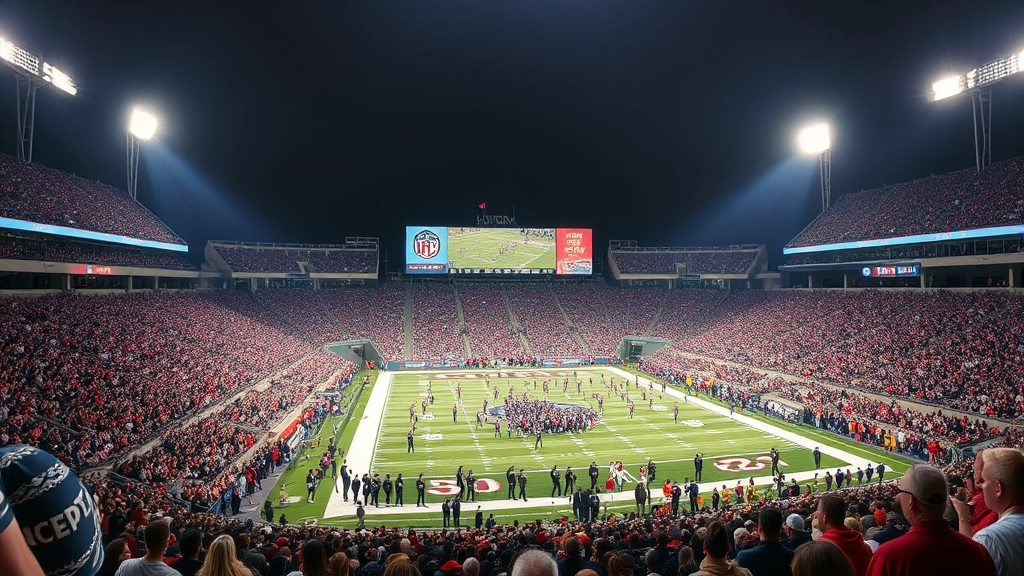
The transfer portal revolutionized player movement in college sports. Previously, recruiting focused primarily on high school talent acquisition. Today, the portal represents a second draft where programs can acquire proven college players. This dynamic fundamentally changed recruiting strategy and resource allocation.
Ohio State, historically focused on developing high school recruits, suddenly faced competition from programs willing to spend significant resources acquiring portal players. Established programs could now shortcut the development process by acquiring junior and senior college players with proven track records. This approach proved particularly effective for addressing immediate roster needs and filling positions vacated by early NFL departures.
The portal’s emergence created a paradox for Ohio State. The program’s strength in developing young talent became less valuable when competitors could acquire ready-made contributors. Additionally, Ohio State’s own successful players became portal targets for other programs. Elite Buckeyes who didn’t secure immediate NFL opportunities sometimes entered the portal seeking different situations, reducing Ohio State’s roster continuity and forcing additional recruiting efforts.
Competing effectively in both the high school recruiting and transfer portal markets requires substantial resources. Programs must maintain recruiting infrastructure for both pipelines simultaneously. Ohio State’s traditional emphasis on high school recruiting meant the program needed significant organizational adjustment to compete effectively in the portal space. This dual-market competition has strained recruiting departments across college football, with Ohio State needing to expand its approach.
Check your knowledge with our comprehensive college football predictions to understand how recruiting impacts team performance projections.
Regional Talent Shifts and Demographic Changes
Ohio State’s recruiting advantage historically relied partly on geographic proximity and regional talent concentration. The Midwest, particularly Ohio, Indiana, and surrounding states, traditionally produced quality football talent that gravitated toward Columbus. However, demographic shifts and changing talent distribution patterns have altered this dynamic.
Southern states, particularly Texas, Florida, Georgia, and the Carolinas, continue producing disproportionate amounts of elite football talent. Programs in these regions benefit from geographic convenience and cultural alignment with recruits’ home environments. Ohio State must recruit nationally to compete, requiring investment in regions where the program lacks traditional connections or geographic advantage.
Additionally, the talent pipeline from Ohio itself has faced pressure. Fewer elite recruits remain in-state compared to historical norms, with many choosing programs outside Ohio. This represents a significant shift from decades past when Ohio State could reliably secure most elite in-state talent. The program now competes nationally for every recruit, increasing recruiting costs and complexity.
Elite prep schools and specialized training facilities have shifted talent distribution patterns. Players attending prestigious out-of-state prep schools often develop relationships with coaches and programs outside their home regions. This geographic decoupling of talent from traditional recruiting bases has impacted Ohio State’s ability to leverage regional advantages.
Coaching Changes and Program Perception
Coaching transitions create temporary recruiting disruptions. Ohio State’s transition from Urban Meyer to Ryan Day represented a significant change, though Day’s early success mitigated negative impacts. However, subsequent coaching changes, particularly at assistant levels, created periodic recruiting challenges as new staff built relationships and recruiting networks.
Coordinator changes and staff departures sometimes resulted in recruits decommitting or choosing other programs. Recruiting relationships built by one coach don’t automatically transfer to replacements. Ohio State’s need to rebuild recruiting networks following staff changes, while competitors maintained stable staffs, created temporary disadvantages during critical recruiting periods.
Program perception also influences recruiting success. Perception encompasses on-field performance, player development, NFL draft success, and coaching stability. While Ohio State generally maintains strong perception, specific recruiting classes sometimes faced challenges when program narrative shifted due to unexpected losses or coaching changes. Perception management became increasingly important as recruiting became more competitive.
The visibility and personality of coaching staff impacts recruiting in the modern era. Coaches with strong social media presence and recruiting communication skills attract attention and commitments. Ohio State’s coaching staff adjustments meant rebuilding these relationships and communication channels with recruits and their families.
Comparative Analysis: Ohio State Versus Top Competitors
Examining Ohio State’s recruiting performance relative to competitors reveals the scope of challenges. Ohio State versus Tennessee football stats and recruiting comparisons demonstrate how competitive the landscape has become.
Texas, Alabama, Georgia, and LSU have consistently secured recruiting classes competitive with or superior to Ohio State’s in recent cycles. Texas, particularly, has aggressively pursued recruiting excellence through superior NIL infrastructure and donor engagement. Alabama, historically Ohio State’s recruiting peer, has maintained consistency despite coaching changes, demonstrating organizational excellence in recruiting management.
Georgia’s rise as a recruiting powerhouse reflects effective regional dominance, successful player development, and championship success. The Bulldogs’ ability to win national championships while recruiting at elite levels created positive recruiting momentum. Success breeds recruiting success, and Georgia’s recent dominance has attracted top talent.
Clemson, despite recent on-field struggles, maintained recruiting strength through coaching stability and established relationships. This demonstrates that recruiting excellence depends on multiple factors beyond current performance, though recent performance certainly influences perception.
Ohio State’s recruiting rankings have fluctuated more significantly than historical norms. The Buckeyes’ class rankings have ranged from top-five to outside top-ten in recent cycles, representing inconsistency compared to historical expectations. This volatility reflects the challenges outlined throughout this analysis—NIL competition, portal dynamics, and regional shifts have created unpredictability in Ohio State’s recruiting outcomes.
Strategic Solutions and Future Outlook for Ohio State
Ohio State has begun implementing strategic responses to recruiting challenges. Enhanced NIL infrastructure, improved donor engagement, and expanded recruiting staff represent organizational adaptations. The program recognized that recruiting success in the modern era requires different approaches than historical models.
Investing in NIL infrastructure and donor relationships positions Ohio State competitively. The university’s business school connections and alumni network provide resources that, when properly mobilized, can compete with any program. Ohio State’s challenge involves fully activating these resources rather than lacking capability.
Portal strategy development has become increasingly important. Ohio State must identify portal opportunities strategically, addressing roster gaps and complementing high school recruiting. Successful programs now view the portal as a legitimate recruiting tool rather than a secondary option.
Coaching staff stability and communication excellence represent controllable factors that influence recruiting. Ohio State’s investment in coaching staff retention and development sends positive signals to recruits about program stability. Strong coaching staff communication through social media and personal recruiting visits remains essential despite technological advancement.
Player development excellence influences recruiting through two mechanisms: current players’ NFL success attracts future recruits, and proven development reputation attracts players considering portal transfers. Ohio State’s strength in developing talent should be leveraged more aggressively in recruiting communications. Football training equipment and development resources that accelerate player growth should feature prominently in recruiting presentations.
On-field success remains the most powerful recruiting tool. Championship success, high draft pick production, and winning records create positive momentum that attracts elite talent. Ohio State’s path to recruiting restoration involves both organizational improvements and sustained on-field excellence. These elements reinforce each other—successful recruiting produces winning teams, and winning teams attract better recruits.
The Peak Play Arena blog provides ongoing analysis of recruiting trends and program developments. Staying informed about recruiting landscape changes helps understand how programs adapt and compete.
National recruiting analysis from organizations like ACSM and sports science research institutions provides data-driven perspectives on athletic development and recruitment best practices. Understanding athlete development science strengthens recruiting messaging about training and development advantages.
Frequently Asked Questions
Why has Ohio State’s recruiting declined?
Ohio State’s recruiting challenges stem from multiple converging factors: NIL competition from well-funded programs, transfer portal dynamics, regional talent shifts, and coaching staff adjustments. The program faces more competition than historically while adapting to fundamentally changed recruiting landscapes.
Can Ohio State recover recruiting dominance?
Yes, Ohio State possesses resources, institutional strength, and brand recognition to compete at elite levels. Recovery requires sustained investment in NIL infrastructure, portal strategy, coaching stability, and on-field success. The Buckeyes have demonstrated the ability to adapt to changing competitive environments throughout their history.
How does NIL impact recruiting fairness?
NIL deals create financial disparities that advantage programs with strong donor networks and business connections. This reduces recruiting predictability and creates advantages for programs willing to spend aggressively. Regulatory evolution may address fairness concerns, but current NIL structures create measurable recruiting advantages.
What role does the transfer portal play in recruiting?
The portal fundamentally changed recruiting by creating a secondary player acquisition market. Programs can now address roster gaps through experienced college players rather than relying exclusively on high school recruitment. This dual-market competition requires expanded recruiting resources and strategic portfolio management.
How important is coaching staff stability for recruiting?
Coaching staff stability significantly impacts recruiting success. Established relationships between coaches and recruits influence commitments. Staff changes require rebuilding these relationships, creating temporary recruiting disadvantages. Programs with stable coaching staffs maintain recruiting advantages through continuity.
Will Ohio State return to recruiting dominance?
Ohio State’s return to consistent recruiting dominance depends on sustained organizational investment, coaching staff excellence, and on-field success. The program faces more competition than historically, but possesses resources to compete effectively. Success requires strategic adaptation to modern recruiting realities rather than relying on historical advantages.


