
Top 5 Loudest College Football Stadiums: Fan Rankings That Shake the Ground
College football stadiums are more than just venues—they’re cathedrals of passion where thousands of fans unite to create an electrifying atmosphere that can literally shake the earth. The noise generated in these massive arenas reaches decibel levels that rival jet engines, creating an environment so intense that opposing teams struggle to communicate and execute plays. These loudest college football stadiums represent the pinnacle of fan engagement, where crowd noise becomes a legitimate home-field advantage that impacts game outcomes.
The experience of attending a game in one of these iconic venues transcends typical sports entertainment. The roar of fans, the coordinated chants, and the collective energy create moments that resonate long after the final whistle blows. Understanding which stadiums produce the most formidable acoustic environments gives fans insight into where college football’s most passionate supporters gather and why these locations hold legendary status in the sport.
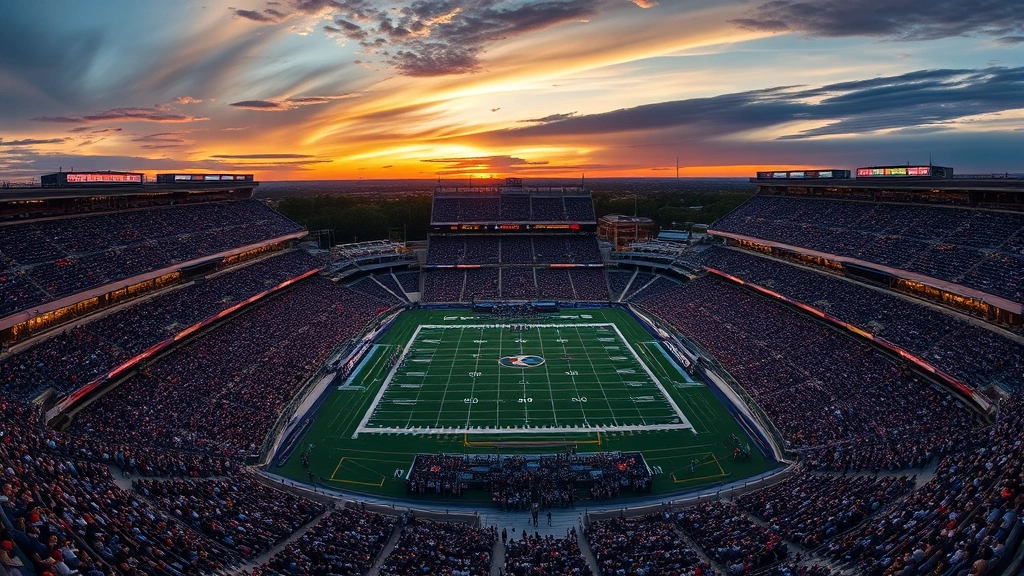
Tiger Stadium: The Swamp of Sound
Tiger Stadium in Baton Rouge, Louisiana, consistently ranks as the loudest college football stadium in America, with noise levels reaching an astounding 130+ decibels during peak moments. This venue, home to the LSU Tigers, has earned its reputation as one of the most hostile environments for visiting teams in all of college sports. The stadium’s unique design, with its upper deck creating an acoustic bowl effect, amplifies crowd noise to nearly unbearable levels for opposing quarterbacks.
The phenomenon known as “Death Valley” (Tiger Stadium’s nickname) has become legendary in college football lore. When LSU scores or makes a crucial defensive stop, the noise can reach levels that surpass the threshold of human comfort. Players have reported that communication becomes nearly impossible, and some visiting teams have actually committed penalties simply because players couldn’t hear their own coaches’ play calls. The crowd’s synchronized chanting and the thunderous roar create a wall of sound that provides an unmistakable home-field advantage.
LSU fans take immense pride in their stadium’s acoustic prowess. The tradition of wearing white at home games (instead of the typical school colors) helps fans spot each other in the crowd, making coordinated noise-making efforts even more effective. When you’re planning to attend a game and want to experience one of the most intense atmospheres in sports, securing Longhorn Football Tickets or learning about general college football attendance can help you prepare for the sensory experience.

Kyle Field: Aggie Nation’s Fortress
Kyle Field, home of the Texas A&M Aggies, has undergone significant expansions that transformed it into one of the most acoustically intimidating stadiums in the nation. With a capacity exceeding 102,000, the stadium’s recent renovations included architectural features specifically designed to enhance noise retention and amplification. Noise levels at Kyle Field regularly exceed 128 decibels, making it a truly formidable challenge for visiting teams.
The Aggie tradition of the “12th Man” represents the collective energy of the entire fan base, and this philosophy translates directly into the stadium’s acoustic environment. Texas A&M fans are known for their unwavering loyalty and their commitment to creating the loudest possible atmosphere. The stadium’s design funnels crowd noise in a way that creates a concentrated wall of sound, particularly affecting opposing offensive lines and quarterbacks attempting to run their plays.
What makes Kyle Field particularly impressive is the consistency of its noise levels. Unlike some stadiums where noise depends heavily on the specific matchup or time of season, Kyle Field maintains a consistently deafening environment regardless of circumstances. The Aggie fan base’s dedication to noise-making has become so legendary that opposing teams actually schedule extra time to understand how long a football game lasts when they know they’ll be playing in this environment, as the extended communication challenges can affect game strategy and pacing.
Bryant-Denny Stadium: Crimson Tide Territory
Bryant-Denny Stadium in Tuscaloosa, Alabama, serves as the home of the legendary Alabama Crimson Tide program and consistently produces noise levels reaching 130 decibels. The stadium’s massive capacity of over 100,000 combined with the passionate Crimson Tide fan base creates an environment where visiting teams face extraordinary communication challenges. The stadium’s architectural design, with its steep upper decks and enclosed bowl configuration, naturally amplifies crowd noise to impressive levels.
The tradition and prestige of Alabama football translate directly into the intensity of the stadium atmosphere. Crimson Tide fans understand that their noise contributions directly impact their team’s performance, and they embrace this responsibility with genuine enthusiasm. The stadium has hosted countless championship-caliber teams and national championship games, and the crowd noise has played a documented role in several critical victories throughout Alabama’s storied history.
Recent renovations and upgrades to Bryant-Denny Stadium have enhanced its acoustic properties even further. The additions of new premium seating areas and expanded facilities haven’t diminished the crowd’s ability to generate noise—if anything, they’ve concentrated the fan base in ways that amplify the collective roar. When you’re researching college football predictions, expert analysts frequently factor in the significant home-field advantage that Bryant-Denny Stadium provides to the Crimson Tide.
Ohio Stadium: The Horseshoe Roars
Ohio Stadium, affectionately known as “The Horseshoe,” is home to the Ohio State Buckeyes and ranks among the nation’s loudest venues with noise levels regularly exceeding 127 decibels. The stadium’s distinctive horseshoe shape—which gives it its iconic name—creates unique acoustic properties that funnel crowd noise toward the field with remarkable efficiency. With a capacity approaching 100,000, Ohio Stadium becomes a fortress of sound when the Buckeyes are playing at home.
The Buckeye Nation’s passion for their football program translates into an intimidating home-field advantage that opposing teams must respect. The stadium’s location in Columbus, combined with the region’s deep football traditions, ensures that the stands are consistently filled with devoted fans who understand the importance of their noise contribution. The pregame atmosphere at Ohio Stadium, with the famous marching band’s performances, sets the tone for an incredibly loud game day experience.
What distinguishes Ohio Stadium’s noise from some other venues is the quality and coordination of the crowd’s sound. Ohio State fans have developed sophisticated traditions around noise-making, with specific moments designated for maximum crowd participation. The stadium’s design means that coordinated crowd noise becomes even more amplified, creating a sonic environment that genuinely impacts visiting team performance. Players from opposing teams have frequently mentioned the difficulty of executing plays in this environment, noting that the noise level makes fantasy football rankings 2025 predictions about individual player performance difficult when those players must perform in such challenging conditions.
Neyland Stadium: Rocky Top’s Thunder
Neyland Stadium in Knoxville, Tennessee, home to the Tennessee Volunteers, rounds out our top five loudest college football stadiums with noise levels regularly reaching 125+ decibels. The stadium’s impressive capacity of over 100,000, combined with the passionate Vol Nation fan base, creates an atmosphere that visiting teams approach with genuine trepidation. The stadium’s configuration, with its expansive upper decks and enclosed design, creates natural acoustic amplification that makes crowd noise particularly effective.
Tennessee football carries a rich history and tradition that manifests in the stadium’s electric atmosphere. Vol fans are known for their passionate support and their commitment to creating a challenging environment for opposing teams. The famous Rocky Top fight song, played throughout the stadium, combines with coordinated fan noise to create a multisensory assault on visiting team concentration and communication.
Recent renovations to Neyland Stadium have maintained its acoustic properties while improving the overall fan experience. The stadium continues to be one of the most difficult places in America to win a road game, with the crowd noise providing tangible advantages for the home team. The Peak Play Arena Blog frequently discusses how stadium atmosphere impacts game outcomes, and Neyland Stadium consistently appears in discussions about the most challenging road environments in college football.
Maximizing Your Stadium Experience
Attending a game in one of these loudest college football stadiums requires preparation and understanding of what to expect. The sensory experience of being surrounded by 100,000+ fans generating noise levels exceeding 125 decibels is genuinely intense and can be overwhelming for first-time visitors. However, with proper preparation, you can make the most of this incredible experience.
Arrive Early and Acclimate
Arriving several hours before kickoff allows you to gradually acclimate to the building crowd noise and atmosphere. This gradual exposure helps your ears adjust to the decibel levels you’ll experience during the game itself. Early arrival also provides opportunities to explore the stadium, find your seat, and understand the venue’s layout, which reduces anxiety about navigation during the game.
Protect Your Hearing
While the noise at these stadiums is part of the appeal, protecting your hearing remains important. Consider bringing earplugs designed specifically for concerts or sporting events—these reduce overall volume while preserving the ability to hear announcements and enjoy conversations. Many fans use foam earplugs or custom-molded options that maintain sound quality while reducing dangerous decibel exposure.
Understand the Traditions
Each stadium has unique traditions around noise-making and crowd participation. Learning these traditions before your visit enhances your experience and allows you to participate more fully. Whether it’s specific chants, coordinated clapping patterns, or designated moments for maximum noise, understanding these traditions helps you feel connected to the fan community.
Strategic Seating Selection
Your seating location significantly impacts your experience. Upper deck seats generally experience louder noise due to acoustic properties, while lower bowl seats may offer a slightly different acoustic experience. Consider your noise tolerance and preferences when selecting seats. Some fans specifically seek out the loudest sections, while others prefer areas where they can still have conversations during timeouts.
Hydration and Sustenance
The intense atmosphere at these stadiums can be physically demanding. Staying properly hydrated throughout the game helps you maintain comfort and focus. Plan your concession purchases strategically, as lines can become lengthy during peak times. Eating before the game and maintaining hydration helps you enjoy the full experience without physical discomfort.
Connect with Fellow Fans
Part of what makes these stadiums special is the sense of community among fans. Don’t hesitate to chat with people around you, learn about their traditions, and share in the collective enthusiasm. These connections often become lasting memories that enhance your appreciation for the game day experience far beyond the final score.
FAQ
Which college football stadium is the loudest?
Tiger Stadium in Baton Rouge, Louisiana, consistently ranks as the loudest college football stadium in America, with recorded noise levels exceeding 130 decibels. The stadium’s design and LSU’s passionate fan base create an unmatched acoustic environment that has earned it the legendary nickname “Death Valley.”
How loud is 130 decibels?
130 decibels is louder than a jet engine at takeoff and approaches the threshold of human pain. For context, normal conversation occurs around 60 decibels, while a rock concert typically reaches 110-120 decibels. The noise at these stadiums genuinely impacts human physiology and communication ability.
Does crowd noise actually affect game performance?
Yes, research consistently demonstrates that crowd noise affects game performance, particularly for visiting teams. Quarterbacks struggle to hear play calls, offensive lines have difficulty coordinating, and the psychological impact of playing in a hostile environment affects decision-making and execution. Home teams win significantly more games partly due to this acoustic advantage.
Can hearing damage occur at college football stadiums?
Prolonged exposure to noise levels exceeding 85 decibels can cause hearing damage. The 125-130 decibel range at these stadiums definitely poses hearing damage risks, particularly for extended exposure. Using appropriate hearing protection while still enjoying the experience is recommended.
How do I prepare for attending a game at a loud stadium?
Prepare by arriving early, considering hearing protection options, learning stadium traditions, selecting appropriate seating, staying hydrated, and connecting with other fans. Understanding what to expect helps you fully enjoy the experience while managing the sensory intensity appropriately.
Are there other loud stadiums beyond the top five?
Absolutely. Stadiums like Arrowhead Stadium (Kansas City Chiefs, though this is NFL), Autzen Stadium (Oregon), and Darrell K Royal-Texas Memorial Stadium (Texas) all produce exceptional noise levels. The top five represent the most consistently loud venues, but numerous other stadiums create genuinely challenging environments for visiting teams.


