
How to Play Football: Coach’s Guide to Mastering the Game
Football is more than just a sport—it’s a strategic battleground where athleticism, intelligence, and teamwork converge to create moments of pure excellence. Whether you’re a beginner stepping onto the field for the first time or an aspiring coach looking to develop your players, understanding the fundamentals of how to play football is essential. This comprehensive guide breaks down everything you need to know to succeed, from basic rules and positions to advanced strategies that separate champions from contenders.
The beautiful complexity of football lies in its balance between individual skill and collective purpose. Every player has a specific role, yet success depends entirely on how well those roles synchronize. As a coach or player, your journey begins with grasping the foundational elements that make football the world’s most popular sport. The sport demands physical conditioning, mental acuity, and an unwavering commitment to continuous improvement. This guide equips you with the knowledge to excel on every level.
Understanding Football Basics
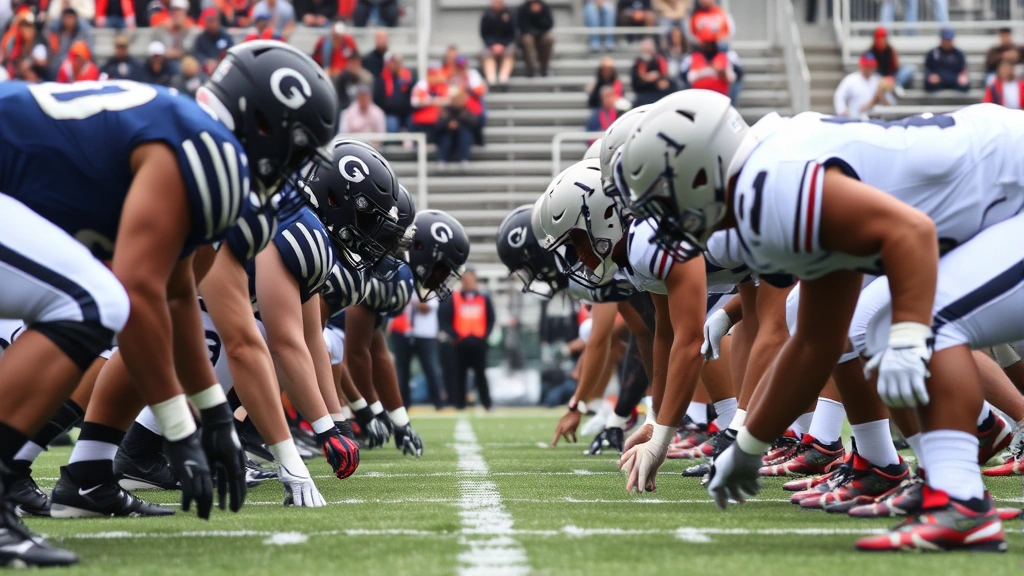
Before diving into complex strategies, you must understand the fundamental structure of football. The game revolves around two teams attempting to move a ball down a rectangular field to score points. A standard football game consists of four 15-minute quarters, though timing rules vary depending on the level of play. Each team gets four attempts, called downs, to advance the ball at least 10 yards. Successfully advancing 10 yards resets the down counter, allowing continued offensive progression.
The field measures 100 yards in length with 10-yard end zones at each end, creating a total playing surface of 120 yards. Understanding field positioning is critical—coaches often reference yard lines to communicate strategy. The ball can be advanced through two primary methods: running (carrying the ball) or passing (throwing the ball to a teammate). Both require different skill sets and strategic applications. Field awareness separates elite players from average ones, as knowing your position relative to sidelines, goal lines, and yard markers directly impacts decision-making.
The structure of football creates constant momentum shifts. When one team fails to advance 10 yards in four downs, possession transfers to the opposing team at the point where the ball was stopped. This turnover concept drives strategic intensity throughout the match. Additionally, teams can score through touchdowns (6 points), field goals (3 points), extra points after touchdowns (1-2 points), and safeties (2 points). Understanding these scoring mechanisms helps both players and coaches recognize when aggressive or conservative play is appropriate.
Positions and Player Roles
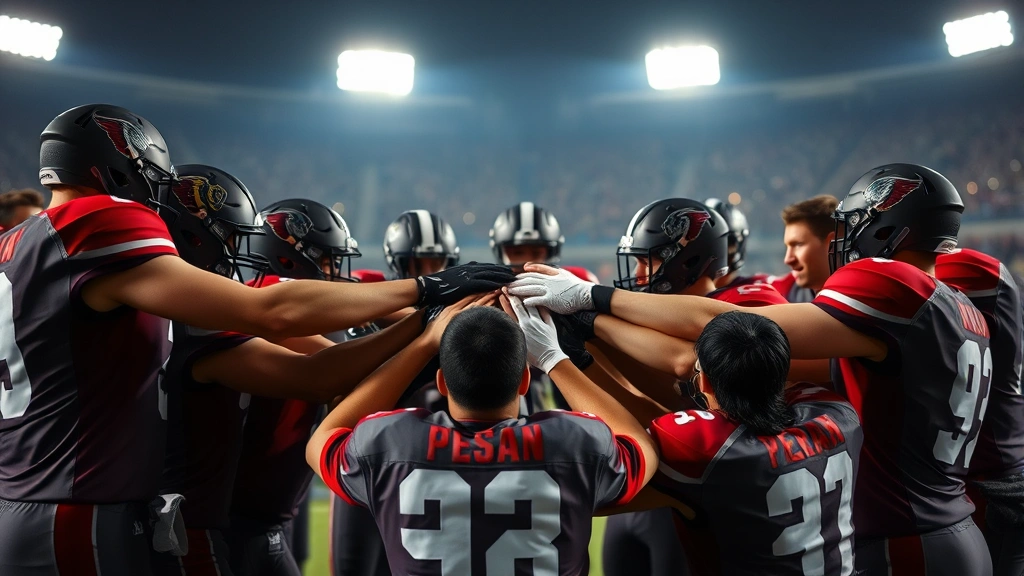
Football features 11 players per side, each with specialized responsibilities. The quarterback (QB) serves as the offensive leader, responsible for throwing passes and managing play execution. This position demands exceptional decision-making, arm strength, and field vision. The quarterback must process information rapidly and communicate effectively with teammates. Developing quarterbacks requires consistent coaching focused on mechanics, footwork, and reading defensive formations.
The offensive line—consisting of a center, two guards, and two tackles—creates the foundation for offensive success. These five players protect the quarterback and create running lanes for ball carriers. Their primary responsibility is blocking, which requires strength, technique, and understanding defensive schemes. The center also snaps the ball to initiate each play, making precision essential.
Running backs and wide receivers are skill position players who catch passes and carry the ball. Running backs operate primarily between the tackles, while wide receivers spread across the field to create passing options. Both positions require explosive athleticism, route-running precision, and reliable hands. The tight end bridges these roles, offering flexibility as both a blocker and receiver.
Defensive positions include linemen, linebackers, and defensive backs. Defensive linemen penetrate the offensive line to disrupt plays at the source. Linebackers operate behind the line, providing versatility in run defense and pass coverage. Defensive backs cover wide receivers and prevent passing plays. Each defensive role requires specific athletic attributes and technical expertise.
Offensive Strategy and Play
Offensive football operates through coordinated play design. Each play begins with the quarterback receiving the ball from the center. From this point, the offense executes a predetermined strategy to gain yards. Passing plays involve the quarterback dropping back, reading the defense, and throwing to an open receiver. Route running precision determines passing success—receivers must run exact patterns to create separation from defenders.
Running plays feature the quarterback handing the ball to a running back who attempts to advance through gaps in the offensive line. Effective run game requires coordination between blockers and ball carriers. The running back must make decisive cuts, accelerate through contact, and demonstrate vision to maximize yardage. Teams that establish strong running games gain significant advantages, controlling game tempo and wearing down defenses.
Modern offensive philosophy emphasizes balance. Successful offenses maintain unpredictability by mixing run and pass plays effectively. Proper training equipment supports skill development across all offensive positions. Coaches design plays exploiting defensive weaknesses—if a defense overcommits to stopping the run, passing opportunities emerge. Conversely, if defenders focus on pass coverage, running lanes open.
Advanced offensive concepts include motion, formation adjustments, and play-action deception. Motion—moving players before the snap—creates confusion and reveals defensive intentions. Formation adjustments align players to exploit specific matchups. Play-action fakes involve the quarterback simulating a handoff before passing, deceiving defenders into committing to run defense. These sophisticated elements separate championship teams from mediocre ones.
Defensive Fundamentals
Defensive success requires coordinated team effort focused on preventing offensive advancement. The fundamental objective is stopping both running and passing plays while forcing turnovers. Defensive linemen apply pressure at the line of scrimmage, attempting to penetrate the offensive line and disrupt plays immediately. This requires leverage, pad level, and relentless effort. Linebackers operate as the defense’s quarterback, diagnosing plays and directing teammates to appropriate positions.
Defensive backs employ various coverage techniques to prevent passing success. Man coverage assigns each defender a specific receiver to follow. Zone coverage has defenders protecting specific field areas rather than individual receivers. Effective defensive backs combine physical athleticism with football intelligence, reading quarterback intentions and reacting accordingly. The safety position, typically played by the deepest defenders, provides last-line-of-defense coverage.
Defensive schemes vary based on coaching philosophy and personnel. The 4-3 defense features four linemen and three linebackers, emphasizing gap control and linebacker versatility. The 3-4 defense employs three linemen and four linebackers, providing flexibility in coverage and pass rush. Teams adjust these base schemes based on opponent tendencies and game situations. Blitz packages bring additional defenders to attack the quarterback, creating chaos but risking defensive vulnerabilities.
Turnover creation separates elite defenses from average ones. Forcing fumbles and intercepting passes completely shifts momentum. Defensive players must focus on ball security, stripping techniques, and reading quarterback eyes. Teams winning turnover battles typically win games, making this emphasis fundamental to defensive coaching philosophy.
Game Rules and Scoring
Understanding football rules prevents costly mistakes and improves game management. Touchdowns occur when a player advances the ball into the opponent’s end zone, awarding six points. After scoring a touchdown, teams receive an extra-point attempt: one point for kicking the ball through the uprights (extra point) or two points for advancing the ball into the end zone from the two-yard line.
Field goals award three points when a kicker successfully propels the ball through the uprights from anywhere on the field. Safeties, worth two points, occur when the offensive team is tackled in their own end zone. These scoring variations create strategic decision-making—coaches must evaluate whether attempting field goals or going for touchdowns is optimal based on game situations.
Game duration extends beyond the four 15-minute quarters due to clock stoppages. Incomplete passes, player injuries, timeouts, and out-of-bounds plays stop the clock. The two-minute warning before each half creates heightened intensity. Overtime rules, varying by competition level, determine how tied games conclude. Understanding these nuances helps coaches manage clock strategically, particularly in close games.
Penalty enforcement significantly impacts games. Offensive penalties like holding and false start push teams backward. Defensive penalties like pass interference and illegal hits award offensive teams yards or automatic first downs. Personal fouls, including unsportsmanlike conduct, carry 15-yard penalties. Coaches must educate players on penalty avoidance while maintaining aggressive play—this balance defines successful football programs.
Essential Skills Development
Exceptional football players master fundamental skills that transcend position. Footwork forms the foundation for nearly every position. Quarterbacks require precise three, five, and seven-step drops to execute plays effectively. Receivers need explosive first steps to separate from defenders. Defensive players utilize low pad level and proper foot placement for leverage. Consistent footwork development through repetitive practice creates automatic muscle memory.
Catching ability distinguishes good players from great ones. Wide receivers, tight ends, and running backs must develop reliable hands that function under pressure. Catching drills should emphasize catching away from the body, adjusting to thrown balls, and securing the catch through contact. Team bonding activities incorporating competitive catching drills build both skill and camaraderie.
Tackling represents the most fundamental defensive skill. Proper tackling technique involves approaching at an angle, keeping the head up, wrapping arms, and driving through the ball carrier. Poor tackling technique causes injuries and missed opportunities. Coaches must emphasize safe, effective tackling to protect players while improving defensive performance. American College of Sports Medicine research demonstrates that proper technique reduces injury rates significantly.
Blocking skills determine offensive line effectiveness. Linemen must maintain balance, generate power through their legs, and sustain blocks through play completion. Receiving positions also require blocking capability, particularly in run-heavy offenses. Developing complete players who block effectively creates offensive versatility that defenses struggle to contain.
Training and Conditioning
Football’s intense demands require year-round conditioning focused on sport-specific athleticism. Strength training builds power necessary for blocking, tackling, and explosiveness. Programs should emphasize compound movements like squats, deadlifts, and bench presses. Position-specific training addresses unique demands—quarterbacks develop rotational core strength, while linemen build lower body stability.
Speed and agility training develop the quick-twitch muscle fibers essential for football. Cone drills, shuttle runs, and lateral movement training improve directional change ability. Plyometric exercises like box jumps and bounding develop explosive power. These training methods should mimic football-specific movements, ensuring training transfer to game situations.
Cardiovascular conditioning extends beyond simple running. Football demands repeated high-intensity efforts followed by recovery periods. Interval training, featuring sprint-recovery cycles, replicates this demand. Players must develop aerobic capacity for sustained effort while maintaining anaerobic power for explosive plays. National Federation of State High School Associations provides evidence-based training guidelines for different age groups.
Injury prevention deserves equal emphasis with performance development. Flexibility training, particularly dynamic stretching before activity and static stretching afterward, maintains range of motion. Core stability work prevents common football injuries like ACL tears and lower back problems. Proper nutrition supports recovery and adaptation to training stress. Coaches implementing comprehensive training programs reduce injuries while improving performance.
Mental Game and Team Dynamics
Football success transcends physical attributes—mental toughness separates champions from contenders. Decision-making under pressure defines elite players. Quarterbacks must process information while defensive linemen rush toward them. This requires confidence developed through preparation and repetition. Coaches should create practice scenarios simulating game pressure, allowing players to build mental resilience.
Communication forms the backbone of team coordination. Quarterbacks must audible effectively, changing plays at the line based on defensive alignment. Defensive players must call coverage assignments and react to offensive motions. Receivers must understand route concepts and adjust to defensive positioning. Teams emphasizing clear communication outperform talented but disorganized opponents.
Team chemistry directly impacts performance. Players who trust teammates execute with confidence. Sports team bonding activities build relationships that translate to field performance. When players genuinely care about teammates, effort and accountability increase naturally. Coaches should prioritize team culture development alongside skill instruction.
Resilience determines how teams respond to adversity. Every team faces setbacks—missed opportunities, turnovers, and defeats. Teams bouncing back from these moments demonstrate championship mentality. Coaches must teach players that mistakes provide learning opportunities. Dwelling on failures diminishes performance; analyzing failures and executing improvements builds champions. This psychological framework separates mediocre programs from elite ones.
Leadership development creates sustainable success. Not every player leads vocally, but all can lead through example. Coaches should identify natural leaders and develop them further. Senior players mentoring younger ones creates positive culture. Teams with distributed leadership across multiple players demonstrate resilience because responsibility isn’t concentrated in single individuals. This leadership philosophy creates strong programs capable of winning consistently.
FAQ
What are the basic rules of football?
Football features two teams attempting to advance a ball down a 100-yard field to score in the opponent’s end zone. Teams get four downs to advance 10 yards. Touchdowns award six points, field goals award three points, and safeties award two points. The team with the most points after four 15-minute quarters wins. Understanding how long a football game lasts helps with scheduling and preparation.
How many positions are in football?
Football features 11 positions per team. Offensively: quarterback, center, guards, tackles, running backs, wide receivers, and tight end. Defensively: defensive linemen, linebackers, cornerbacks, and safeties. Each position requires specific skills and responsibilities contributing to team success.
What’s the difference between offensive and defensive football?
Offensive football focuses on advancing the ball to score points through running and passing plays. Defensive football concentrates on preventing offensive advancement and forcing turnovers. Both require different skill sets and strategic approaches, but success demands excellence in both areas.
How can I improve my football skills?
Consistent practice focusing on position-specific fundamentals drives improvement. Using appropriate training equipment enhances skill development. Strength and conditioning programs build necessary athleticism. Video analysis helps identify technical deficiencies. Working with qualified coaches accelerates progress through expert feedback.
What’s the most important skill in football?
While position-specific skills matter, decision-making under pressure distinguishes elite players. This mental skill combines football intelligence, preparation, and composure. Physical talents without sound decision-making limit impact. Coaches should emphasize developing this critical attribute across all positions.
How long does it take to learn football?
Basic football understanding develops within weeks. Mastering fundamentals requires months of consistent practice. Achieving excellence takes years of dedicated development. The sport’s complexity means continuous learning throughout playing careers—coaches constantly refine strategy while players continuously improve technique.


