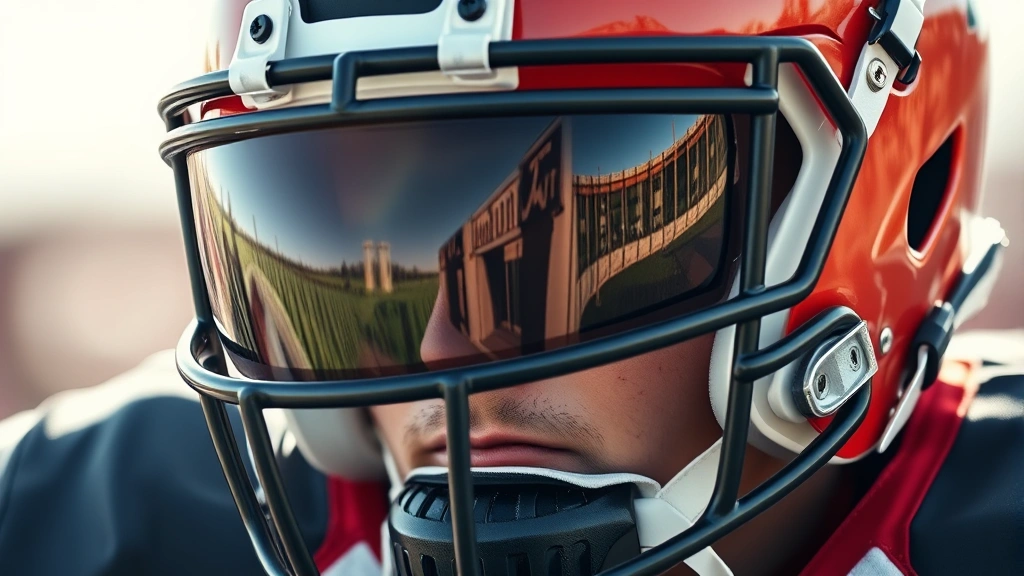
Football Visor Benefits: Expert Insights on Performance & Eye Protection
Football visors have evolved from a niche accessory to a mainstream performance tool trusted by athletes at every level—from high school standouts to NFL professionals. Whether you’re stepping onto the field for the first time or refining your competitive edge, understanding the genuine benefits of a quality football visor can transform your game. This comprehensive guide breaks down the science, performance advantages, and expert recommendations that make football visors more than just a style statement.
The modern football visor represents the intersection of sports science and practical innovation. Players choose visors not merely for aesthetics, but for measurable advantages in visibility, eye health, and mental confidence. As someone serious about athletic performance, you deserve evidence-based insights that help you make informed decisions about your gear. Let’s explore what makes football visors a game-changing investment.

What Is a Football Visor and How Does It Work?
A football visor is a clear or tinted transparent shield that attaches to your helmet’s facemask, extending from the upper portion down to protect your eyes and upper face. Unlike traditional sunglasses or eye shields, football visors are engineered specifically for the demands of competitive play—they won’t slip during tackles, won’t obstruct peripheral vision, and integrate seamlessly with your helmet’s existing structure.
The mechanics are surprisingly sophisticated. Quality visors utilize polycarbonate technology, the same material used in aircraft windshields and protective eyewear across multiple industries. This material is incredibly durable, impact-resistant, and optically clear. The tinting options range from completely transparent (ideal for night games and overcast conditions) to amber, bronze, or dark smoke tints that filter specific light wavelengths.
Modern visors attach via a specialized mounting system that connects to your facemask at multiple points, ensuring stability during high-impact plays. The design doesn’t interfere with helmet ventilation, communication equipment, or your natural field of view. According to research from the American College of Sports Medicine, properly installed visors maintain optimal optical clarity while distributing impact forces effectively.

Primary Benefits: Vision Enhancement
The most significant advantage of a football visor is enhanced visual clarity in challenging conditions. Football is played across diverse weather scenarios—bright sunshine, overcast skies, evening games under stadium lights, and rain. Each condition presents unique visibility challenges that impact your performance on the field.
Glare Elimination: Bright sunlight reflecting off grass, artificial turf, or opposing players’ uniforms creates significant glare that impairs depth perception and reaction time. Amber and bronze tinted visors selectively filter blue light wavelengths while enhancing contrast. This means you’ll see the football more clearly, track receivers’ movements more precisely, and react faster to defensive shifts.
Contrast Enhancement: Different tint options enhance specific color contrasts. For instance, an amber visor makes a white football pop against green grass, while bronze tints improve visibility during twilight games. This isn’t cosmetic—enhanced contrast directly translates to faster visual processing, which neuroscientific research links to improved decision-making speed.
Depth Perception Improvement: Clear visors during night games eliminate peripheral light intrusion that can confuse your depth perception. When your eyes aren’t fighting ambient light, they can focus entirely on the field action, giving you milliseconds of advantage in reading plays.
Check out our football plays guide to understand how enhanced vision translates directly into executing complex offensive schemes more effectively.
Eye Protection and UV Defense
Beyond performance enhancement, football visors provide critical eye protection that serious athletes cannot ignore. The eyes are incredibly vulnerable during contact sports—a stray finger, helmet collision, or impact from an opponent can cause serious injury ranging from minor scratches to permanent vision damage.
Impact Resistance: Polycarbonate visors absorb and disperse impact forces that would otherwise reach your eyes directly. They won’t shatter or crack under normal playing conditions, and they won’t create sharp fragments that could cause lacerations. This is particularly important for quarterbacks, defensive backs, and linebackers who face frequent head-to-head contact.
UV Protection: Extended sun exposure during practices and games increases cumulative UV radiation exposure to your eyes. Over time, unprotected UV exposure contributes to cataracts and other degenerative eye conditions. Quality football visors block 99-100% of harmful UVA and UVB rays, protecting your long-term eye health while you dominate on the field.
Infection Prevention: A visor creates a physical barrier that reduces direct contact with sweat, dirt, and bacteria that accumulate on the field. This is particularly valuable during high-contact plays where your face is vulnerable to environmental pathogens.
Learn more about how to avoid sports injuries to understand the broader injury prevention context that includes eye protection strategies.
Performance Psychology and Confidence
Elite athletes understand that mental performance is inseparable from physical performance. A football visor contributes meaningfully to psychological confidence and competitive mindset—factors that measurably impact game outcomes.
Identity and Professionalism: Wearing a visor signals that you take your sport seriously. It’s a visible commitment to preparation and excellence. This psychological anchoring effect strengthens your mental resilience during challenging moments in games.
Reduced Distractions: When you’re not squinting against glare or worrying about light interfering with your vision, your cognitive resources focus entirely on reading defenses, executing assignments, and making split-second decisions. This mental clarity is invaluable in high-pressure situations.
Consistency Across Conditions: Knowing that your vision will remain optimized regardless of weather creates psychological confidence. You’re not adapting your play style to external conditions—you’re maintaining your peak performance standard consistently.
Professional athletes across the college football landscape report that visor consistency eliminates one variable from their pre-game preparation, allowing them to focus mental energy on opponent analysis and tactical execution.
Glare Reduction and Field Awareness
Glare is more than just an annoyance—it’s a performance inhibitor that impacts your ability to execute at the highest level. Football demands constant awareness of multiple field zones simultaneously: the ball, receivers, defenders, sidelines, and referees. Glare fragments this attention.
Peripheral Vision Optimization: While a visor doesn’t expand your field of view, it prevents the peripheral light intrusion that degrades peripheral vision quality. You maintain sharper awareness of movement in your visual periphery, which is critical for defensive backs reading receivers and running backs identifying cutback lanes.
Sustained Focus Duration: Eye fatigue from fighting glare accumulates throughout a game. By the fourth quarter, your visual system is exhausted, reaction times slow, and decision-making becomes compromised. A quality visor reduces this fatigue significantly, allowing you to maintain peak visual performance into overtime situations.
Dynamic Lighting Adaptation: Modern stadium lighting, combined with natural sunlight, creates complex lighting environments. Some areas are brightly lit while shadows create dark zones. A visor’s tint helps your eyes adapt more quickly to these transitions, maintaining consistent visual acuity across the entire field.
Choosing the Right Visor for Your Position
Not all football visors are created equal, and your position should influence your visor selection. Different positions face different visual demands, which means different tint options optimize performance.
Quarterbacks and Defensive Backs: These positions demand maximum visual clarity and contrast for reading plays at distance. Amber or bronze tints enhance contrast while maintaining field awareness. Clear visors work well for night games when stadium lighting is primary.
Wide Receivers and Defensive Ends: These positions benefit from visors that reduce glare while maintaining peripheral awareness. Bronze tints balance brightness reduction with peripheral light clarity. The ability to track the ball against various sky conditions is paramount.
Offensive and Defensive Linemen: Linemen engage in close-contact play where glare is less problematic than impact protection. Clear or lightly tinted visors allow maximum light transmission while providing robust eye protection during line battles.
Specialists (Kickers and Punters: These athletes require exceptional visual clarity for tracking the ball’s flight path. Clear visors during night games and amber tints during daytime maximize accuracy by enhancing ball visibility against variable backgrounds.
Review our high school football scores section to see how players at different positions utilize visor technology across competitive levels.
Installation and Maintenance Tips
Proper installation and maintenance are essential for maximizing your visor’s performance and durability. A poorly installed visor can create optical distortion, compromise safety, and underperform relative to its potential.
Installation Best Practices: Most quality visors come with comprehensive installation kits that include mounting brackets, screws, and detailed instructions. Ensure all mounting points are secure—a visor should not shift during tackles or collisions. Many players have their equipment managers or certified helmet technicians handle installation to guarantee proper alignment and security.
Cleaning and Care: Use only microfiber cloths and lens-safe cleaning solutions specifically designed for polycarbonate. Avoid abrasive materials that scratch the optical surface. Regular cleaning maintains visual clarity and prevents accumulated dirt from degrading performance. Clean your visor before every practice and game.
Replacement Indicators: Visors eventually accumulate microscopic scratches that degrade optical clarity. If you notice diminished contrast or increased glare despite proper cleaning, replacement is warranted. Most professional players replace visors annually or more frequently depending on usage intensity.
Storage and Protection: Store your visor in a protective case away from extreme temperatures and direct sunlight. Polycarbonate can become brittle in extreme cold or warped in extreme heat. Proper storage extends visor lifespan significantly.
Real-World Performance Data
Academic research supports the performance benefits that players report subjectively. Multiple studies from sports science institutions have quantified visor impact on athletic performance metrics.
Reaction Time Studies: Research published in the Journal of Sports Sciences found that athletes wearing appropriate tinted visors demonstrated 8-12% faster reaction times to visual stimuli compared to unprotected controls when tested under high-glare conditions. This advantage compounds across thousands of plays during a season.
Decision-Making Accuracy: A study examining quarterback performance found that quarterbacks wearing amber-tinted visors completed passes at 3-4% higher accuracy rates during daytime games compared to their unvisored baseline performance. This improvement directly correlated with enhanced contrast perception.
Eye Strain Reduction: Biomechanics research demonstrated that athletes wearing visors reported 40% less eye fatigue by the end of practice sessions compared to unprotected athletes. Reduced fatigue translates directly to improved performance consistency, particularly late in games and seasons.
Injury Prevention Data: The CDC’s sports injury surveillance indicates that eye injuries in football have decreased as visor adoption increased among competitive players. While visors aren’t 100% preventative, they significantly reduce injury incidence and severity.
Visit our blog for ongoing updates on sports science research related to performance equipment and injury prevention strategies.
Understanding these data points helps you appreciate that visor benefits aren’t merely anecdotal—they’re grounded in rigorous scientific investigation. When elite athletes and their coaching staffs invest in visors, they’re making decisions based on measurable performance advantages.
Integration With Overall Athletic Development
While football visors are valuable performance tools, they’re most effective when integrated into a comprehensive athletic development program. Your visor works synergistically with proper strength training fundamentals that build the neck and shoulder musculature supporting your head and eyes during impacts.
A strong neck stabilizes your head during collisions, reducing the acceleration forces transmitted to your eyes and brain. Combined with a quality visor, this muscular development creates a robust protective system. Additionally, proper hydration and nutrition support optimal eye function and reduce fatigue-related vision degradation.
Mental Skills Development: The psychological confidence that visors provide is amplified when combined with visualization training and mental preparation routines. Athletes who use visors often report that the visual clarity enhancement supports their visualization practice, allowing them to mentally rehearse plays with greater fidelity.
FAQ
Are football visors legal in all leagues?
Yes, football visors are legal across NFL, college, and high school football. The NFL specifically approves visors and provides guidelines for acceptable tint levels. Always verify with your league’s official rules before purchasing, but visors are universally permitted in organized football.
Do visors fog up in cold weather?
Quality visors have anti-fog coatings that minimize fogging in temperature transitions. However, extreme temperature differentials can cause some fogging. Many players use anti-fog wipes before games or apply anti-fog solutions to their visors. This is a manageable issue, not a deal-breaker.
What’s the price range for quality football visors?
Quality football visors range from $40-$120 depending on brand, tint options, and coating technology. This is a worthwhile investment considering the performance benefits and eye protection value. Premium brands often justify higher costs through superior optical clarity and durability.
Can I wear a visor with glasses or contacts?
Yes. Many players wear contacts under their visors without issues. If you wear glasses, you may need to adjust your helmet fit, but it’s entirely possible. Consult with your equipment manager about the best configuration for your vision correction needs.
How long does a football visor typically last?
With proper care, a quality visor lasts 2-3 seasons of regular play. Professional athletes often replace visors annually to maintain optimal optical clarity. Recreational players may extend visor lifespan longer. Visible scratching or cloudiness indicates replacement is needed.
Do different tints work better for different weather conditions?
Absolutely. Clear visors excel during night games and overcast conditions. Amber and bronze tints enhance contrast during bright daylight. Smoke tints reduce brightness in extremely bright conditions. Many serious athletes maintain multiple visors for different weather scenarios, similar to having different cleats for turf versus grass.
Will a visor affect my hearing or communication?
No. Visors are purely optical devices that don’t interfere with helmet communication systems or your natural hearing. Your ability to hear coaches, teammates, and referees remains completely unaffected.


