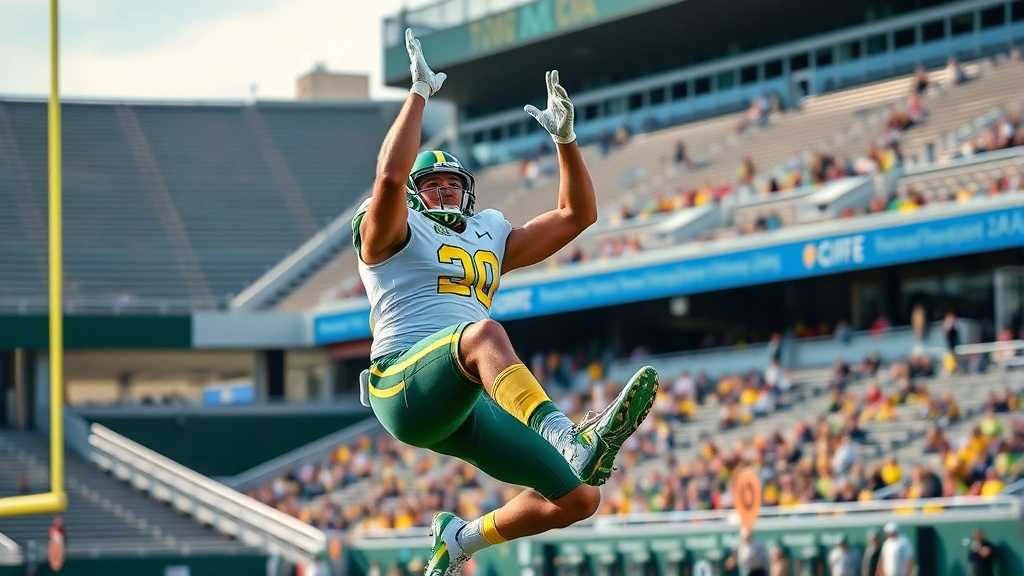
Oregon Ducks: Top Tips for Football Recruiting
The University of Oregon Ducks football program stands as one of the most competitive and prestigious recruiting destinations in college athletics. With a rich tradition of excellence, state-of-the-art facilities, and a commitment to developing elite athletes, Oregon continues to attract top-tier talent from across the nation. Whether you’re a prospective athlete, parent, or someone interested in understanding the recruitment landscape, this comprehensive guide explores the essential strategies and insights that define successful football recruiting at Oregon.
Recruiting at the collegiate level requires more than just raw talent—it demands dedication, strategic planning, and an understanding of what top programs like Oregon seek in their athletes. The Ducks’ coaching staff evaluates hundreds of prospects annually, looking for individuals who possess not only exceptional athletic abilities but also the mental toughness, character, and coachability necessary to compete at the highest levels of college football. This guide will help you navigate the complex recruiting process and understand what it takes to catch the attention of one of the Pac-12’s most storied programs.
Understanding Oregon’s Recruiting Standards
The Oregon Ducks maintain exceptionally high standards for recruiting, reflecting the program’s commitment to excellence and championship-level competition. The coaching staff evaluates prospective athletes across multiple dimensions, including physical attributes, technical skills, athletic performance metrics, and character assessment. Understanding these standards is the first step toward positioning yourself as a competitive candidate.
Oregon’s recruiting philosophy emphasizes finding athletes who fit the program’s system and culture. The Ducks value versatility, intelligence, and the ability to learn and adapt quickly. Coaches look for players who demonstrate coachability—the willingness to accept feedback and continuously improve. This means that even if you possess exceptional raw talent, your attitude and work ethic during practice and training sessions carry significant weight in the evaluation process.
Academic performance also plays a crucial role in Oregon’s recruiting decisions. While athletic scholarships exist to support student-athletes, the university maintains rigorous academic standards. Prospective recruits should maintain solid GPA and standardized test scores to ensure eligibility and demonstrate their commitment to being a well-rounded student-athlete. The NCAA has specific academic requirements that must be met, and Oregon takes these seriously when evaluating prospects.
The Ducks also prioritize recruiting players who understand the importance of avoiding sports injuries through proper training protocols and conditioning. Programs like Oregon invest heavily in sports medicine and injury prevention, expecting recruits to take these aspects seriously as they develop their skills.

Athletic Performance Metrics That Matter
Specific athletic performance metrics serve as objective measures that Oregon’s coaching staff uses to evaluate talent. These measurable indicators help coaches compare prospects across different high schools and regions, ensuring fair and comprehensive evaluation. Understanding which metrics matter most for your position can help you focus your training efforts effectively.
For defensive and offensive linemen, strength metrics are paramount. The bench press, squat, and deadlift provide concrete evidence of your power and explosiveness. Oregon coaches typically look for prospects who can demonstrate significant strength gains year-over-year, showing dedication to strength training and proper nutrition. The 225-pound bench press test remains a standard evaluation tool, with elite prospects often exceeding 25-30 repetitions.
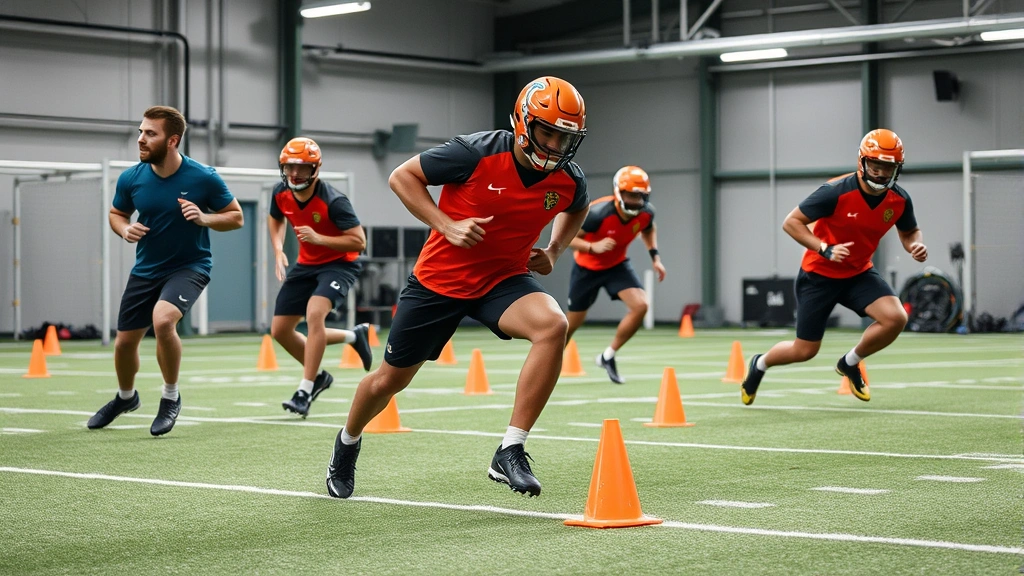
Speed and agility tests, including the 40-yard dash, shuttle runs, and cone drills, are critical for all positions. Wide receivers, defensive backs, and linebackers especially need to demonstrate explosive first-step quickness and lateral agility. Coaches use these metrics to project how athletes will perform in game situations where milliseconds determine success or failure.
Vertical jump and broad jump tests measure explosive power and lower-body strength—essential attributes for positions requiring vertical reach or horizontal explosiveness. These metrics help coaches identify athletes with the athletic foundation necessary to succeed in college football’s higher-speed, more physical environment.
Oregon’s recruiting staff also evaluates film extensively, analyzing how athletes perform these movements in game situations. A prospect might have impressive combine numbers, but translating those metrics to actual football performance is what ultimately matters. This is why understanding football plays and positioning yourself correctly during game situations is crucial for demonstrating your true potential.
The Importance of Film and Game Tape
Game film is perhaps the most critical component of the recruiting evaluation process. While combine metrics provide objective data points, game tape reveals how you actually perform under pressure, against quality competition, and within the context of real football situations. Oregon’s coaching staff spends countless hours evaluating film, and the quality of your tape can make or break your recruiting prospects.
Quality film demonstrates your understanding of position responsibilities, your ability to execute techniques consistently, and your football intelligence. Coaches want to see you making correct reads, responding to defensive adjustments, and performing at a high level even when facing elite competition. Playing against top-tier opponents significantly increases your visibility and credibility in the recruiting process.
When preparing your film, focus on highlighting your best performances and most impressive plays. However, coaches also want to see consistent performance throughout the season, not just highlight-reel moments. Include clips showing both successful plays and how you respond to mistakes or setbacks. This demonstrates resilience and coachability—traits Oregon values highly.
Your film should also showcase versatility if applicable to your position. Defensive backs who can cover multiple positions, linebackers who can play both inside and outside, or offensive linemen who can play multiple spots become more valuable to recruiting programs. The ability to contribute in multiple ways increases your importance to the team and your overall recruiting value.
Consider hiring a film service or working with your high school coaching staff to ensure your film is properly edited, clearly labeled, and easily accessible to college coaches. Professional presentation matters—it demonstrates your professionalism and commitment to the recruiting process. Many Oregon coaches receive hundreds of film submissions, and poorly organized or difficult-to-access film may never receive proper evaluation.
Building Your Athletic Profile
In today’s digital age, your online athletic profile serves as your introduction to college coaching staffs. This profile should be comprehensive, professional, and regularly updated to reflect your current achievements and statistics. Platforms like Hudl, MaxPreps, and recruiting-specific websites allow you to showcase your film, statistics, and performance metrics in one accessible location.
Your athletic profile should include current contact information, your high school and coaching staff details, and clear film links organized by position and performance. Include your height, weight, and key athletic measurements. Update your statistics regularly—coaches monitor these metrics throughout the season and value athletes who demonstrate consistent improvement and statistical production.
Beyond basic information, your profile should tell your athletic story. Include information about your training regimen, your commitment to academic excellence, and your character attributes. Many athletes include personal statements explaining their goals, their commitment to the program, and why they believe they’re a good fit for Oregon specifically.
Social media presence matters significantly in modern recruiting. Coaches often review athletes’ social media accounts to assess character and maturity. Maintain a positive, professional online presence. Avoid controversial content, negative language, or poor judgment displays that could damage your recruiting prospects. Remember that college coaches will evaluate everything you post publicly.
Consider creating a personal website or utilizing recruiting platforms to host your athletic profile. This centralized location makes it easy for Oregon’s coaching staff to access your information quickly. Include video highlights, statistics, training updates, and contact information. The easier you make it for coaches to learn about you, the more likely they are to invest time in your evaluation.
Nutrition and Training Excellence
Reaching the level of performance required to attract Oregon’s attention demands exceptional commitment to nutrition and training. College football operates at a significantly higher intensity level than high school football, requiring athletes to possess superior conditioning, strength, and power. Your training and nutrition regimen should reflect this elevated standard.
Strength and conditioning form the foundation of football excellence. Work with qualified strength coaches who understand the demands of your specific position. Implement periodized training programs that build progressively throughout the year, peaking during the competitive season. Focus on compound movements—squats, deadlifts, bench presses, and Olympic lifts—that build functional strength applicable to football performance.
Explosive power development is equally important as absolute strength. Plyometric exercises, medicine ball work, and speed training develop the rapid force production necessary for football success. Oregon’s coaches expect recruits to demonstrate significant athletic development year-over-year, which is only possible through dedicated, intelligent training.
Nutrition fuels both training and performance. Work with sports nutritionists or qualified professionals to develop eating plans that support your training intensity and body composition goals. Most elite college football athletes consume 3,000-4,500 calories daily, depending on position and body size, with careful attention to macronutrient ratios. Proper hydration, adequate protein intake, and strategic carbohydrate timing support recovery and performance.
Consider supplementation carefully and only under professional guidance. Focus first on whole foods and proper eating habits before relying on supplements. Many athletes overlook the fundamental importance of consistent, quality sleep—typically 8-10 hours nightly for elite athletes. Sleep is when your body recovers and adapts to training stress, making it essential for reaching peak performance.
Your commitment to training excellence and nutritional discipline demonstrates maturity and professionalism to recruiting coaches. They want to see that you take your development seriously and understand the commitment required to succeed at the college level. This dedication often separates recruited athletes from those who don’t receive offers.
Mental Conditioning and Leadership
While physical attributes and athletic performance metrics are crucial, Oregon’s coaching staff places significant emphasis on mental toughness and leadership qualities. Football is a sport that demands resilience, quick decision-making under pressure, and the ability to bounce back from setbacks. Athletes who possess exceptional mental conditioning often outperform more physically gifted competitors who lack mental fortitude.
Mental conditioning includes visualization techniques, stress management, and developing a championship mindset. Work with sports psychologists or mental performance coaches to develop these crucial skills. Learn to control your emotions during high-pressure situations, maintain focus despite distractions, and respond positively to coaching feedback and criticism.
Leadership on the field and in the locker room significantly impacts recruiting evaluations. Coaches want players who elevate their teammates’ performance, demonstrate accountability, and lead by example. This doesn’t mean you need to be the loudest voice—some of the most effective leaders lead through their work ethic, consistency, and positive attitude.
Demonstrate leadership by helping younger teammates develop their skills, taking responsibility for mistakes, and maintaining a positive attitude even during challenging circumstances. Coaches notice which athletes command respect from their peers through their actions and character rather than just their athletic ability.
Understanding the psychological aspects of sports team bonding activities and team dynamics helps develop leadership capacity. Athletes who understand how to contribute to team cohesion and create positive team cultures become invaluable to college programs.
The Recruiting Timeline and Process
Understanding the recruiting timeline helps you position yourself effectively and avoid missing critical deadlines or opportunities. The recruiting process typically begins during the sophomore year, though early exposure through showcases and camps can begin even earlier. Junior year represents the most active recruiting period, with many offers coming during this time.
Summer camps, especially those hosted by major college programs like Oregon, provide excellent exposure opportunities. Attending Oregon’s football camps allows you to compete directly against top recruits, demonstrate your abilities to coaching staff, and experience the program firsthand. These camps often serve as unofficial recruiting visits, giving coaches direct observation of your performance and character.
Official visits typically occur during senior year, usually in the fall during the season. These visits allow you to experience the campus, meet coaching staff and players, and determine if the program is a good fit for you. Oregon limits official visits to five per athlete, making it important to strategically choose which programs you visit.
The recruiting calendar includes specific dead periods, evaluation periods, and contact windows that regulate coach-athlete interactions. Familiarize yourself with NCAA recruiting rules to ensure you understand what’s permissible and when. Your high school coaching staff can provide guidance on these regulations and help facilitate appropriate communication with college coaches.
Maintain organized records of recruiting communications, including emails, phone calls, and visits. Document which programs have shown interest, the nature of that interest, and any timelines they’ve mentioned. This organization helps you manage multiple recruiting conversations and ensure you respond appropriately to each program’s inquiries.
Communication Strategies with Coaching Staff
Effective communication with Oregon’s coaching staff significantly impacts your recruiting prospects. Your interactions with coaches reveal your professionalism, maturity, and genuine interest in the program. Approach all communications thoughtfully and professionally, whether through email, phone, or in-person interactions.
When reaching out to coaches initially, be concise and respectful of their time. Include a brief introduction, your relevant statistics and achievements, and links to your film. Avoid overwhelming coaches with excessive information—they can access your athletic profile and film independently. Focus on expressing genuine interest in their program and explaining why you believe you’re a good fit.
Respond promptly to coaching staff inquiries and maintain professional communication standards. Use proper grammar, avoid slang, and treat every interaction as important. Remember that coaches evaluate your character and maturity through these communications, not just your athletic ability. A prompt, professional response to a coach’s email demonstrates respect and professionalism.
During camps, official visits, or other direct interactions, be attentive, ask thoughtful questions, and demonstrate genuine interest in the program. Coaches want to recruit athletes who are excited about their program specifically, not just looking for any college opportunity. Research Oregon’s program, understand their philosophy and recent success, and ask questions that demonstrate you’ve done your homework.
Be honest about your recruiting process and your interest level. Coaches appreciate honesty and direct communication. If you’re genuinely interested in Oregon, express that clearly. If you’re exploring multiple options, that’s normal and expected—coaches understand the recruiting process and respect athletes who approach it seriously and thoughtfully.
Maintain relationships with assistant coaches throughout your recruiting process. These coaches often have significant influence over recruiting decisions and can advocate for you within the program. Show appreciation for their time and effort, and keep them updated on your progress and achievements throughout your senior season.
Position-Specific Recruiting Considerations
Different positions carry unique recruiting priorities and evaluation criteria. Understanding position-specific expectations helps you focus your development efforts and present yourself effectively to Oregon’s coaching staff.
Quarterbacks: Arm strength, accuracy, decision-making, and leadership dominate quarterback evaluation. Oregon emphasizes intelligent, mobile quarterbacks who can execute the offensive system. Film demonstrating reads, footwork, and decision-making under pressure matters significantly. Size is less critical than intelligence and arm talent at Oregon.
Running Backs and Wide Receivers: Speed, agility, ball security, and receiving ability are paramount. Film showing your ability to make defenders miss, catch passes in traffic, and produce after catching the ball impresses coaches. For running backs, vision and blocking ability also matter significantly.
Offensive Linemen: Strength, footwork, intelligence, and ability to move laterally dominate offensive line evaluation. Coaches want linemen who understand leverage, maintain pad level, and execute techniques consistently. Film showing you dominating opponents at the point of attack carries significant weight.
Defensive Linemen: Gap discipline, motor, and ability to shed blocks are critical evaluation factors. Coaches want defensive linemen who make consistent tackles, pursue the ball, and disrupt plays. Strength metrics and film showing relentless effort throughout plays matter significantly.
Linebackers: Sideline-to-sideline speed, intelligence, and tackling ability define linebacker evaluation. Film showing you making correct reads, flowing to the ball, and making tackles in space impresses coaches. Coverage ability is increasingly important in modern football.
Defensive Backs: Speed, vertical leap, competitiveness, and ball skills dominate defensive back evaluation. Film showing you covering receivers effectively, defending the pass, and making plays on the ball is critical. Coaches value cornerbacks and safeties who compete fearlessly against receivers.
Learning from Oregon’s Recruiting Success
Studying Oregon’s recent recruiting classes reveals patterns in the types of athletes the program targets and develops successfully. The Ducks have consistently recruited athletes who possess both elite physical tools and exceptional character. Analyzing successful Oregon recruits can provide insight into what the program values and what you should develop.
Oregon has built recent success on recruiting versatile athletes who can contribute in multiple ways. The program values players who demonstrate significant athletic development potential, not just finished products. This means that if you’re improving rapidly and showing clear trajectory, you may attract Oregon’s interest even if you’re not yet at the elite level of current college players.
The program also emphasizes recruiting athletes from competitive high school programs that produce multiple college athletes. Competing at a high-level high school program gives you credibility and exposure. However, exceptional athletes from smaller programs can still attract interest through camps, showcases, and film quality.
Oregon’s recent success demonstrates the importance of recruiting athletes with strong work ethic and coachability. The program has developed many athletes into NFL-caliber players, which attracts recruits who want to play for a program with a proven track record of player development. If you’re considering Oregon, recognize that you’ll be part of a program committed to developing you into the best possible player and person.
Utilizing Recruiting Services and Resources
Modern recruiting includes numerous services and resources designed to increase your visibility and help you navigate the process effectively. Understanding which resources provide genuine value helps you invest your time and effort wisely.
Recruiting websites like Rivals, Scout, and ESPN maintain databases of college athletes and provide exposure to coaching staffs. While these services require investment, they can increase your visibility significantly. Ensure your profile on these platforms is complete, current, and showcases your best film and statistics.
Film editing services help present your performance in the best possible light. Professional highlight reels demonstrate your best plays and athletic ability. However, coaches also want to see full-game film to evaluate consistency and performance against quality competition. Provide both highlight reels and complete game film when possible.
Recruiting camps hosted by major programs like Oregon provide direct exposure to coaching staff and competition against elite recruits. These camps are excellent opportunities to demonstrate your abilities and express genuine interest in the program. Many programs make recruiting decisions partially based on camp performance.
Private coaching and skill development services can help you refine your technique and develop specific skills. However, avoid over-relying on services when consistent training and film study may be more valuable. Focus on fundamental skill development and game understanding rather than chasing every available service.
Your high school coaching staff remains your most valuable resource. They understand your abilities, can provide honest feedback about your recruiting potential, and facilitate appropriate communication with college coaches. Maintain strong relationships with your high school coaches throughout the recruiting process.
Creating Your Recruiting Plan
Developing a comprehensive recruiting plan helps you approach the process strategically and maximize your opportunities. This plan should identify target schools, timeline milestones, performance goals, and action steps necessary to achieve your recruiting objectives.
Start by honestly evaluating your current athletic level and realistic recruiting potential. Research which programs typically recruit athletes with your profile, and identify schools at various levels where you might contribute. Oregon represents an elite-level target, but having backup options at other competitive programs ensures you have opportunities regardless of how elite recruiting unfolds.
Set specific performance goals for your junior and senior seasons. These might include reaching certain bench press or squat numbers, improving your 40-yard dash time, or achieving statistical targets in games. Measurable goals help you maintain focus and provide concrete evidence of your improvement when communicating with coaches.
Create a timeline for key recruiting activities. Schedule attendance at showcases and camps, plan official visits, and identify deadlines for submitting film and profiles to programs. This organization ensures you don’t miss critical opportunities and allows you to prepare adequately for each recruiting interaction.
Identify mentors and advisors who can provide guidance throughout the recruiting process. This might include your high school coaching staff, parents, strength coaches, or other athletes who’ve successfully navigated recruiting. These individuals can provide honest feedback and help you make informed decisions about your recruiting process and college choice.
The Role of Character and Academic Excellence
Oregon’s recruiting philosophy emphasizes recruiting complete student-athletes who excel both athletically and academically. While athletic ability gets you recruited, character and academic performance determine whether you thrive in a college environment and beyond.
Maintain strong academic performance throughout high school. Oregon has specific academic requirements for NCAA eligibility, and the coaching staff evaluates your academic transcript as part of the recruiting process. Demonstrating that you can handle rigorous coursework shows you have the intellectual capacity to handle college-level academics while competing in football.
Character references from coaches, teachers, and community members carry significant weight in recruiting evaluations. Coaches want to recruit athletes who will represent the program with integrity and make positive contributions to team culture. Maintain positive relationships with adults in your life who can speak to your character and work ethic.
Avoid legal troubles, substance abuse, or other character issues that could damage your recruiting prospects. One mistake can eliminate opportunities that took years to develop. Make good decisions consistently, and demonstrate the maturity and judgment that college programs expect from their athletes.
Volunteer work and community involvement demonstrate character and values beyond football. Many elite programs value athletes who understand the importance of giving back to their communities. Demonstrate through your actions that you’re a well-rounded person committed to making positive contributions.
Evaluating Oregon’s Fit for You
While impressing Oregon’s coaching staff is important, equally crucial is determining whether Oregon is the right fit for you personally. Consider multiple factors beyond athletic opportunity when evaluating whether to commit to the Ducks.
Evaluate the coaching staff and program philosophy. Research how Oregon coaches develop players, their track record of player development, and their approach to football and team building. Watch film of Oregon’s games to understand their offensive and defensive philosophies and determine if you’re a good fit athletically.
Consider the academic environment and available resources. Oregon offers excellent academic programs and support services for student-athletes. Research academic offerings in your intended major and the strength of those programs. Ensure you’re comfortable with the academic environment and available resources.
Evaluate the team culture and player satisfaction. Connect with current Oregon players and recent graduates to learn about their experience with the program. Ask about the coaching staff’s approach, the team environment, and whether they feel the program adequately supported their development as athletes and people.
Consider location, climate, and lifestyle factors. Eugene, Oregon offers a unique college town experience. Evaluate whether you’re comfortable with the Pacific Northwest climate, the community, and the overall college experience Oregon provides. These lifestyle factors significantly impact your four-year experience.
Assess your realistic role and playing time potential. Be honest about your athletic level and the competition you’ll face at Oregon. Understanding your likely role helps you make informed decisions and set appropriate expectations for your college career.
Moving Beyond High School Football
Successfully recruiting at the college level requires understanding that college football represents a significant step up in competition, intensity, and commitment. The athletes Oregon recruits are typically the best players from their respective high schools, competing against similarly elite athletes from across the nation.
This elevated competition level demands that you continue improving and developing throughout your college career. The recruiting process is just the beginning—your actual contribution to Oregon’s program depends on your ability to continue developing, learn new systems, and compete against elite competition.
Many highly recruited athletes struggle in college because they don’t maintain the work ethic and improvement mindset that got them recruited. Remember that being recruited is not an accomplishment in itself—it’s an opportunity. Your actual accomplishments come from competing, developing, and contributing to your team’s success once you arrive on campus.
Embrace the opportunity to be part of a program with Oregon’s tradition and resources. The Ducks have produced numerous NFL players and developed athletes into elite performers. This track record of development demonstrates Oregon’s commitment to helping you reach your full potential, both as a football player and as a person.
The recruiting process culminates in your college decision, but your actual journey is just beginning. Approach your college football career with the same dedication, work ethic, and commitment to improvement that got you recruited. This mindset will serve you well throughout your college career and beyond.
FAQ
What GPA do I need to be recruited by Oregon?
While specific GPA requirements vary, Oregon typically looks for student-athletes with a minimum 3.0 GPA. However, the NCAA has specific academic eligibility requirements that must be met. Stronger academics (3.5+ GPA) demonstrate commitment to being a well-rounded student-athlete and can strengthen your recruiting profile.
When should I start the recruiting process?
The recruiting process typically begins during sophomore year with exposure through camps and showcases. Junior year represents the most active recruiting period, with senior year focused on official visits and final recruiting decisions. However, exceptional athletes may attract interest earlier.
How important is my high school’s reputation in recruiting?
Playing for a competitive high school program increases your visibility and credibility. However, exceptional athletes from smaller programs can still attract interest through quality film, strong performance at camps and showcases, and consistent improvement. Your individual performance matters more than your high school’s reputation.
Should I attend Oregon football camps?
Yes, attending Oregon football camps provides direct exposure to coaching staff and competition against elite recruits. These camps offer excellent opportunities to demonstrate your abilities and express genuine interest in the program. Many recruiting decisions are influenced by camp performance.
What if I don’t receive a scholarship offer from Oregon?
Not receiving a scholarship from Oregon doesn’t mean the end of your football career. Many successful college athletes competed at other programs. Focus on finding programs where you’re a good fit athletically and academically. Excellence at any competitive program can lead to professional opportunities.
How do I improve my recruiting visibility?
Improve your recruiting visibility by attending showcases and camps, maintaining updated athletic profiles on recruiting websites, creating quality film, achieving strong performance metrics, and communicating professionally with coaching staff. Consistent improvement and performance against quality competition attract coaching attention.
What role does social media play in recruiting?
Coaches review social media accounts to assess character and maturity. Maintain a positive, professional online presence. Avoid controversial content or poor judgment displays that could damage your recruiting prospects. Remember that college coaches evaluate everything you post publicly.
How many schools should I contact during recruiting?
Contact schools where you have genuine interest and believe you’re a competitive recruit. Quality matters more than quantity. Research programs thoroughly and focus on schools that are realistic targets based on your athletic level and academic profile. Typically, 10-15 target schools represent a reasonable number.


