
Football Fitness: Secrets from Torres’ Regimen
Legendary striker Fernando Torres revolutionized modern football through his exceptional athleticism, explosive power, and remarkable endurance. His training philosophy combined cutting-edge sports science with practical field methodology, creating a blueprint that transformed how professional footballers approach physical conditioning. Torres’ regimen wasn’t built on isolated gym sessions—it integrated dynamic movement patterns, cardiovascular efficiency, and sport-specific power development that directly translated to his devastating performance on the pitch.
What separated Torres from countless other talented players was his unwavering commitment to periodized training, nutritional precision, and recovery optimization. His approach to football fitness demonstrates that elite performance requires more than natural talent; it demands a systematic, science-backed methodology that evolves with competitive demands. This comprehensive guide reveals the core principles behind Torres’ conditioning success and how modern footballers can implement these strategies to elevate their game.
The Foundation: Torres’ Training Philosophy
Fernando Torres built his legendary career on a foundational principle: football fitness must be sport-specific, not generic. Unlike traditional strength athletes who optimize for isolated movements, Torres understood that football demands integrated athleticism across multiple physical domains simultaneously. His training philosophy centered on developing functional power that directly enhanced his ability to accelerate explosively, decelerate safely, and maintain peak performance across 90+ minutes of competitive play.
Torres’ approach differed fundamentally from conventional footballer conditioning programs. Rather than compartmentalizing training into separate aerobic, strength, and speed sessions, he integrated these qualities through complex movement patterns that mimicked match scenarios. This holistic methodology ensured that physical adaptations translated directly to on-field performance rather than existing as isolated athletic qualities.
The Spanish striker recognized that modern football demands players who are simultaneously powerful, fast, enduring, and technically proficient. His regimen targeted this multifaceted demand through carefully sequenced training blocks that developed one primary quality while maintaining others. This approach aligns with contemporary sports science principles demonstrating that concurrent training—developing multiple qualities in parallel—produces superior athletic outcomes compared to sequential development.
Periodization and Seasonal Planning
Torres’ training structure followed periodized programming that aligned with competitive fixtures, international tournaments, and recovery windows. This wasn’t random training variation; it represented strategic manipulation of training variables to peak performance at critical moments. His annual plan divided into distinct phases, each targeting specific adaptations while maintaining established qualities.
Macrocycle Structure: Torres’ yearly plan incorporated four primary phases: preparation (pre-season), competition (in-season maintenance), tapering (tournament preparation), and recovery (off-season regeneration). Each phase contained specific objectives and training characteristics.
Preparation Phase (6-8 weeks): This foundational period emphasized aerobic base development, movement pattern restoration, and general strength rebuilding. Torres performed high-volume, moderate-intensity training to establish cardiovascular fitness and neuromuscular coordination following the off-season. This phase included extensive ball work, positional drills, and tactical familiarity alongside conditioning work.
Competition Phase (30+ weeks): During the season, Torres shifted toward maintenance of established qualities while emphasizing power and speed development. Training volume decreased while intensity increased, reflecting the physical demands of twice-weekly matches. His sessions prioritized explosive movement patterns, short-duration power work, and tactical positioning rather than endurance accumulation.
Tapering Phase (1-2 weeks): Before major tournaments or critical fixtures, Torres reduced training volume by 40-60% while maintaining intensity. This strategic reduction allowed full recovery while preserving neuromuscular sharpness and psychological readiness. Research from the American College of Sports Medicine confirms that properly executed tapering produces 2-3% performance improvements through complete physiological recovery.
Speed and Explosive Power Development
Torres’ legendary acceleration and explosive finishing power resulted from systematic speed and power development integrated throughout his training year. His approach distinguished between maximum velocity (top-end speed), acceleration (initial explosiveness), and repeated-sprint ability (maintaining power across multiple efforts).
Acceleration Development: Torres recognized that football rarely demands maximum velocity sprints; instead, explosive first-step acceleration separates elite strikers from ordinary ones. His acceleration work emphasized 0-10 meter explosive bursts with maximum effort and complete recovery between repetitions. These short, intense efforts developed the phosphocreatine energy system and recruited maximum muscle fibers without accumulating fatigue.
Typical acceleration sessions included 8-12 repetitions of 10-meter sprints from various starting positions (standing, walking, shuffling, backpedaling) with 60-90 seconds recovery. Torres performed these early in training sessions when the nervous system was fresh, ensuring quality execution and maximal neural adaptation.
Maximum Velocity Work: While football emphasizes acceleration more than top-speed development, Torres still incorporated 30-40 meter maximum velocity efforts to develop stride length and frequency. These sprints occurred less frequently (once weekly) and targeted nervous system development rather than metabolic conditioning.
Repeated-Sprint Ability: Torres’ match performance demanded the ability to produce explosive efforts repeatedly despite fatigue. His training incorporated repeated-sprint protocols where he executed 6-10 sprints of 20-30 meters with minimal recovery (30-45 seconds), simulating match demands. These sessions developed metabolic resilience and the ability to maintain power output when fatigued.
Power development extended beyond linear sprinting. Torres incorporated multidirectional movements, change-of-direction drills, and sport-specific power exercises that replicated match scenarios. These included lateral shuffles, diagonal sprints, and vertical acceleration patterns that demanded explosive power production in football-specific planes of motion.

Cardiovascular Conditioning for Match Demands
Elite football demands extraordinary cardiovascular capacity, yet Torres’ approach differed from traditional endurance training. Rather than lengthy steady-state running, he emphasized interval-based conditioning that developed aerobic power while maintaining sport-specificity.
High-Intensity Interval Training (HIIT): Torres utilized HIIT protocols featuring repeated efforts at 85-95% maximum heart rate with shorter recovery periods. A typical session included 6-10 repetitions of 3-4 minute efforts at near-maximal intensity with 1-2 minute recovery. These sessions developed the aerobic power necessary to sustain high-intensity football actions while maintaining the ability to produce explosive efforts.
Tempo Work: Complementing HIIT sessions, Torres incorporated tempo training at 70-80% maximum heart rate sustained for 15-25 minutes. This moderate-intensity work developed aerobic base and lactate threshold without the extreme stress of maximum-intensity intervals. Tempo sessions typically occurred on recovery days following matches, promoting active recovery while maintaining cardiovascular adaptations.
Sport-Specific Conditioning: Torres’ most effective conditioning incorporated football-specific movements. Rather than generic running, he performed drills combining technical execution with cardiovascular demand. These included possession drills, small-sided games, and tactical patterns that elevated heart rate while maintaining technical proficiency and tactical understanding.
Small-sided games (5v5 or 6v6) proved particularly valuable, simultaneously developing cardiovascular capacity, technical skills, decision-making, and tactical awareness. These activities maintained engagement while producing genuine match-intensity efforts, making training more enjoyable and psychologically sustainable than isolated conditioning work.
Strength Training Protocols
Contrary to misconceptions, Torres incorporated substantial strength training despite his lean, athletic physique. His strength work emphasized functional power—the ability to produce force rapidly—rather than maximum strength development. This distinction fundamentally shaped his training methodology.
Lower Body Power: Torres’ lower-body training prioritized explosive movements that developed power for acceleration, jumping, and change-of-direction. His program included: squat variations (back squats, front squats, Bulgarian split squats), deadlift variations (conventional, sumo, Romanian), and Olympic lift derivatives (power cleans, power snatches). These compound movements developed the lower-body power essential for explosive football actions.
Plyometric exercises complemented strength work, developing the ability to produce force rapidly through the stretch-shortening cycle. Torres performed box jumps, depth jumps, bounding variations, and jumping drills that developed elastic strength—the ability to rapidly transition from eccentric (lengthening) to concentric (shortening) muscle actions. This capacity directly enhanced acceleration, deceleration, and jumping ability.
Upper Body Development: While football emphasizes lower-body power, Torres maintained upper-body strength for stability, balance maintenance, and competitive physicality. His program included pressing variations (bench press, incline press, dumbbell press), pulling movements (rows, pull-ups, lat pulldowns), and rotational exercises that developed core stability and functional strength.
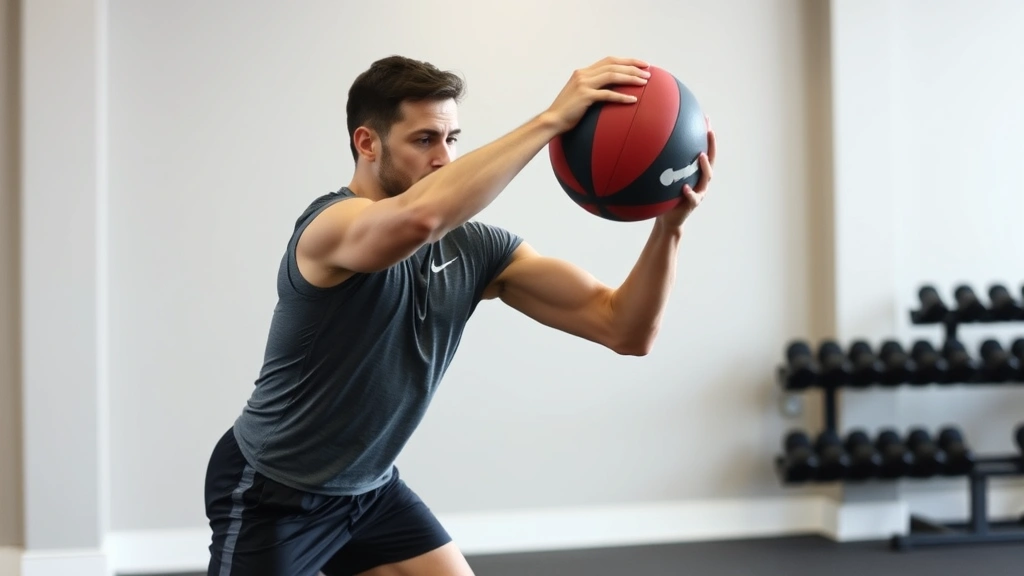
Core Integration: Torres recognized that powerful movements require stable cores. Rather than isolated abdominal work, he trained core stability through compound exercises, rotational movements, and anti-rotation drills. Planks, dead bugs, Pallof presses, and rotational medicine ball work developed the integrated core stability necessary for explosive football actions.
His strength training maintained moderate rep ranges (6-10 reps for strength-power, 8-12 for hypertrophy) with appropriate load selection and complete recovery between sets. This approach developed strength-power without excessive muscle hypertrophy that could compromise movement efficiency.
Recovery and Regeneration Strategies
Torres understood that adaptation occurs during recovery, not training. His training program incorporated sophisticated recovery strategies that maximized adaptation while minimizing injury risk. This recovery emphasis distinguished elite athletes from those achieving merely adequate results.
Sleep Optimization: Torres prioritized 8-9 hours nightly, recognizing sleep as the primary recovery modality. Quality sleep enhances neuromuscular recovery, hormonal balance, and psychological resilience. He maintained consistent sleep schedules, controlled bedroom temperature, and minimized pre-sleep stimulation to optimize sleep quality.
Active Recovery: Between intense training sessions, Torres incorporated active recovery promoting blood flow without generating additional fatigue. Light walking, easy swimming, and mobility work enhanced recovery while maintaining movement quality. These sessions typically lasted 20-30 minutes at conversational intensity.
Massage and Manual Therapy: Regular sports massage, myofascial release, and soft tissue work accelerated recovery by promoting blood flow, reducing muscle tension, and enhancing movement quality. Torres engaged professional therapists multiple times weekly, addressing accumulated tension from training and competition.
Contrast Therapy: Alternating hot and cold exposure (contrast showers or ice baths followed by hot water) enhanced recovery through vasodilation and vasoconstriction cycles. While research regarding cold-water immersion remains nuanced, Torres utilized contrast therapy strategically following intense efforts.
Nutrition Timing: Recovery nutrition received meticulous attention. Within 30-60 minutes post-training, Torres consumed carbohydrates and protein to replenish glycogen and initiate muscle protein synthesis. This strategic nutrition timing accelerated adaptation compared to delayed nutrition intake.
Nutrition and Performance Optimization
Torres’ physical excellence reflected nutritional precision matching his training sophistication. His dietary approach emphasized whole foods, strategic macronutrient timing, and individual optimization rather than generic meal plans.
Macronutrient Distribution: Torres maintained protein intake supporting muscle recovery (approximately 1.6-2.0 grams per kilogram bodyweight daily). Carbohydrates provided energy for training and competition, with intake timing matched to training demands. Healthy fats supported hormonal function and overall health without compromising lean body composition.
Micronutrient Sufficiency: Elite performance requires optimal micronutrient status supporting energy production, recovery, and immune function. Torres consumed nutrient-dense whole foods—lean proteins, colorful vegetables, fruits, whole grains, and healthy fats—ensuring micronutrient needs without supplementation dependence.
Hydration Management: Proper hydration maintained cognitive function, thermoregulation, and performance capacity. Torres consumed consistent fluid intake throughout training days, with increased intake during and following intense efforts. Individual sweat rate assessment guided personalized hydration strategies.
Pre-Competition Nutrition: Before matches, Torres consumed familiar foods providing sustained energy without gastrointestinal distress. His pre-match meal typically included carbohydrates and moderate protein, consumed 2-3 hours before kickoff. This timing allowed adequate digestion while providing energy for match demands.
His nutritional approach emphasized performance optimization through strategic fueling rather than restrictive dieting. This sustainable approach maintained lean body composition while supporting training demands and match performance.
Mental Conditioning and Consistency
Torres’ remarkable consistency across his career reflected mental conditioning matching his physical preparation. His psychological approach emphasized resilience, confidence, and performance focus rather than outcome fixation.
Confidence Building: Torres developed confidence through consistent execution of technical skills, successful competition, and progressive achievement. Rather than affirmations or false confidence, his self-assurance emerged from genuine capability developed through dedicated training.
Pressure Management: High-pressure situations—crucial matches, tournament finals, penalty moments—demanded psychological resilience. Torres practiced visualization techniques imagining successful execution, developed breathing strategies managing anxiety, and maintained process-focused attention on controllable factors rather than uncontrollable outcomes.
Consistency Mindset: Torres recognized that consistency matters more than perfection. His training philosophy emphasized showing up daily, executing the plan, and trusting the process rather than seeking dramatic breakthroughs. This unglamorous consistency produced extraordinary results across his career.
Adversity Navigation: Injuries and performance slumps tested Torres’ mental resilience. His approach emphasized adaptation rather than frustration—modifying training to accommodate limitations while maintaining progress. This resilient mindset enabled returns to form following setbacks that derailed less mentally strong athletes.
Mental conditioning paralleled physical training in importance. Torres invested substantially in psychological development, recognizing that elite football demands mental excellence matching physical capability. This integrated approach—physical excellence supporting psychological confidence, psychological resilience enabling training consistency—created the complete athlete.
FAQ
How much does Torres train daily?
Torres’ daily training varied seasonally. During competition phases, he trained 5-6 days weekly with sessions lasting 60-90 minutes, incorporating technical work, tactical drills, and conditioning. During off-season preparation, training increased to 90-120 minutes daily. Match days involved recovery-focused activities rather than intense training. This volume aligns with contemporary sports science recommendations for elite footballer training.
Can amateur footballers follow Torres’ regimen?
Absolutely, though adaptation is necessary. Amateur players should implement the fundamental principles—periodization, sport-specific conditioning, strength training, and recovery emphasis—while scaling volume and intensity appropriately. Starting with 3-4 training sessions weekly, emphasizing technical development and moderate conditioning, provides an excellent foundation. Progressive development follows the same principles regardless of competitive level.
What supplements did Torres use?
Torres emphasized whole-food nutrition over supplementation. His primary supplements included basic protein powder for convenience and electrolyte solutions for hydration during training. He avoided excessive supplementation, recognizing that food provides superior micronutrient profiles and bioavailability. This practical approach emphasizes that training and nutrition fundamentals matter infinitely more than supplement sophistication.
How often should recovery sessions occur?
Torres incorporated active recovery 1-2 times weekly on non-match days during competition phases. These sessions lasted 20-30 minutes at conversational intensity, promoting blood flow without generating fatigue. During pre-season, recovery sessions increased proportionally to training intensity. Individual recovery needs vary; monitoring fatigue and performance provides guidance for recovery frequency.
Did Torres modify his training for different positions or opponents?
While Torres’ fundamental training philosophy remained consistent, he incorporated tactical variations reflecting specific match demands. Preparing for defensive-focused opponents involved additional movement work and repeated-sprint drills simulating high-pressure situations. Different competition styles prompted training emphasis adjustments while maintaining the foundational principles of periodization and sport-specificity.
How long does adaptation to Torres’ methodology require?
Initial adaptations emerge within 2-3 weeks as neuromuscular efficiency improves. Substantial strength and power gains typically appear within 6-8 weeks. Cardiovascular adaptations develop progressively across 8-12 weeks. Complete adaptation to periodized training—where the body fully responds to systematic stimulus variation—requires 12-16 weeks minimum. Patient consistency produces superior long-term results compared to seeking rapid transformation.
Can female footballers implement this regimen?
Completely. The principles of periodization, sport-specific conditioning, strength training, and recovery apply universally. Female athletes may require slightly different absolute loads and volume based on individual strength levels, but the methodology remains identical. Research confirms that periodized training produces equivalent adaptations across genders, making Torres’ approach equally applicable to female players.


