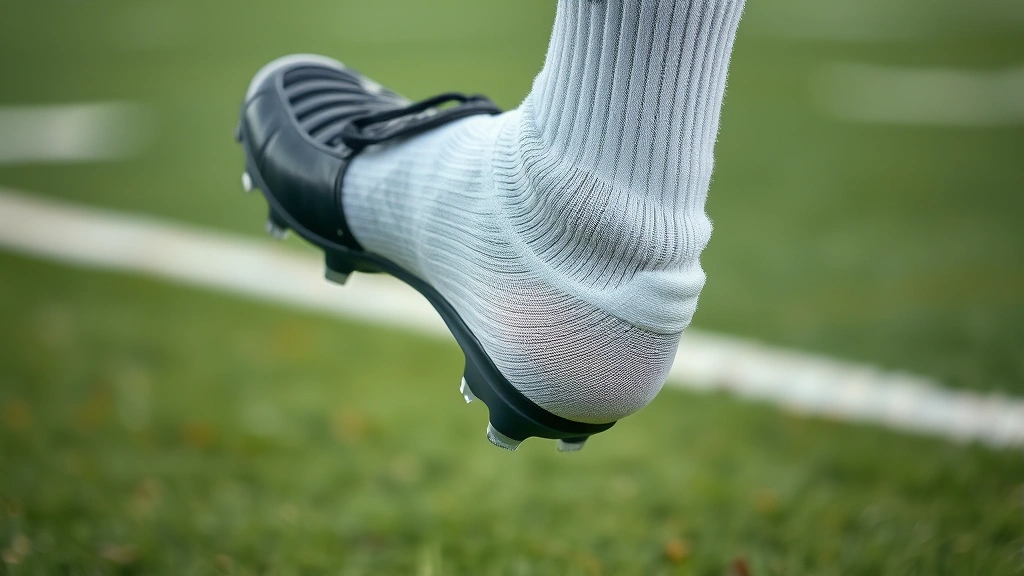
Best Football Socks? Athlete’s Top Picks for Performance and Comfort
When it comes to football performance, athletes obsess over cleats, helmets, and training regimens—but one critical piece of equipment often gets overlooked: football socks. The right pair can mean the difference between blister-free dominance and painful distractions that derail your game. Whether you’re a linebacker crushing tackles, a wide receiver sprinting routes, or a quarterback commanding the field, your feet deserve premium protection and support.
Football socks aren’t just regular athletic wear. They’re engineered with moisture-wicking technology, strategic cushioning, and compression zones designed specifically for the explosive movements, directional changes, and impact forces unique to the sport. Elite athletes know that investing in quality socks pays dividends in comfort, injury prevention, and sustained performance throughout grueling practices and games.
In this comprehensive guide, we’ll break down what separates championship-caliber socks from mediocre options, explore the top picks trusted by professional and collegiate athletes, and reveal the science behind sock construction that maximizes your competitive edge on the field.

Why Football Socks Matter for Performance
Your feet endure tremendous stress during football. A typical game involves hundreds of explosive cuts, directional changes, and impact forces that exceed 3-4 times your body weight. When your feet aren’t properly supported and protected, the consequences cascade upward: blisters reduce agility, moisture accumulation breeds fungal infections, inadequate cushioning leads to stress fractures, and poor compression compromises blood circulation and recovery.
Research from the American College of Sports Medicine demonstrates that proper sock technology significantly reduces blister formation, decreases moisture-related foot complications, and enhances proprioceptive feedback—your body’s ability to sense foot position and pressure distribution. Athletes wearing premium football socks report improved confidence, fewer foot-related injuries, and extended durability in their footwear investment.
The psychological element matters too. When your feet feel supported and comfortable, your mind focuses entirely on reads, execution, and dominating your opponent rather than managing discomfort. Championship-caliber athletes understand this fundamental truth: elite performance starts with foundational equipment quality.
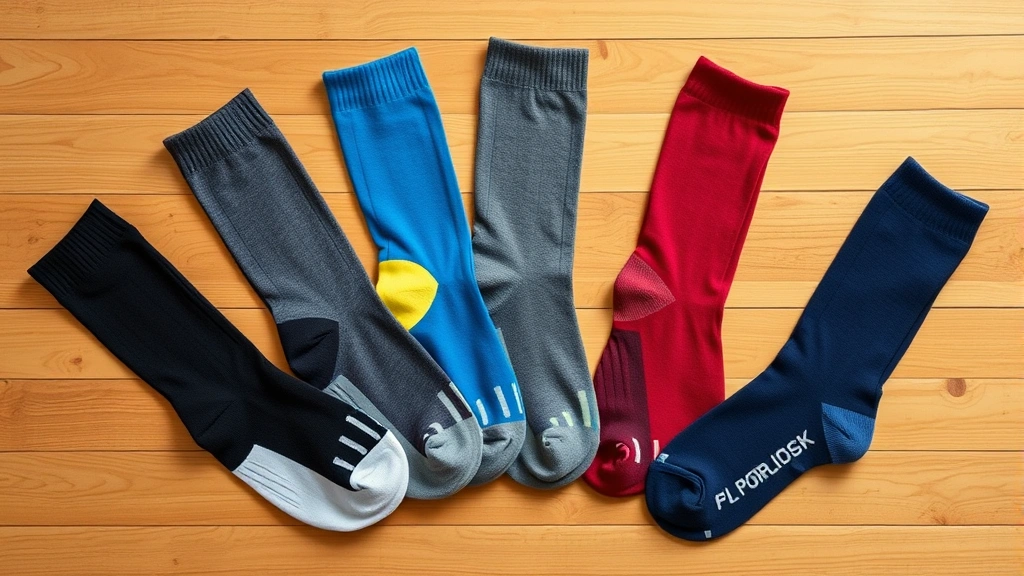
Key Features of Premium Football Socks
Not all athletic socks deliver what football demands. Championship-grade football socks share several non-negotiable characteristics:
- Moisture-Wicking Fibers: Synthetic blends (polyester, nylon, acrylic) and merino wool move sweat away from skin, maintaining dry conditions that prevent blisters and fungal growth
- Strategic Cushioning: Extra padding in heel and ball-of-foot zones absorbs impact while maintaining sensitivity for cutting and directional changes
- Arch Support: Compression zones stabilize the arch, reducing fatigue and preventing plantar fasciitis—a common football injury
- Graduated Compression: Tighter around the ankle and lower calf promotes blood flow, accelerates recovery, and enhances proprioceptive awareness
- Seamless or Flat-Seam Construction: Eliminates pressure points and friction that cause blisters during intense play
- Targeted Ventilation: Mesh panels in high-heat zones allow breathability without sacrificing support
- Durable Reinforcement: Heavy-duty fibers in high-wear areas extend sock lifespan through multiple seasons
These features work synergistically. When combined effectively, they create an environment where your feet remain dry, supported, and blister-free—allowing you to perform at your absolute peak for every snap.
Top Football Sock Brands Athletes Swear By
Nike Elite Football Crew Socks dominate locker rooms across the NFL and college football. These socks feature Nike’s proprietary Dri-FIT technology, strategic cushioning zones, and a lightweight design that doesn’t create bulk inside cleats. The arch compression provides exceptional support for high-volume cutting drills, and the seamless toe closure eliminates blister-prone friction points. Players consistently report that Nike Elite socks maintain their compression and cushioning through 40+ washes.
Stance Uncommon Solids have earned cult status among football athletes seeking premium comfort with bold style. Constructed with a merino wool blend, these socks offer natural antimicrobial properties, temperature regulation, and exceptional moisture management. The reinforced heel and toe areas withstand the lateral forces of football-specific movements, while the mid-calf height provides optimal coverage without excess length.
Under Armour ArmourDry Technology socks deliver clinical-grade moisture management through copper-infused fibers that inhibit bacterial and fungal growth. The strategic padding focuses on the metatarsal heads and heel—precisely where football players experience maximum impact and friction. Under Armour’s compression architecture provides graduated support that enhances ankle stability during explosive plant-and-cut movements essential to executing complex football routes.
Smartwool PhD Outdoor Light Crew represent the merino wool category’s premium tier. These socks provide natural temperature regulation that keeps feet cool during scorching September games and warm during late-season playoffs. The merino fibers naturally wick moisture while creating an inhospitable environment for odor-causing bacteria. Athletes report exceptional durability and comfort through entire seasons.
Thorlos Football Crew Socks cater to athletes with sensitive feet or prior blister issues. The extra-thick cushioning in the plantar surface provides unmatched shock absorption, while the construction emphasizes blister prevention through minimal internal seams. These socks excel during high-volume training camps where foot stress accumulates rapidly.
Material Technology and Construction
Understanding sock materials empowers you to choose the optimal pair for your specific needs and playing conditions.
Synthetic Blends (Polyester, Nylon, Acrylic): These engineered fibers dominate performance socks because they excel at moisture-wicking, dry rapidly after washing, and resist stretching and degradation. Polyester provides durability and moisture management, nylon adds elasticity and structure, and acrylic contributes softness and thermal properties. Most elite football socks combine these in proportions optimized for athletic performance—typically 50-60% polyester, 20-30% nylon, and 10-20% acrylic, with 5-10% spandex for compression.
Merino Wool: This natural fiber has gained tremendous popularity in premium athletic socks. Merino wool naturally wicks moisture, regulates temperature across wider ranges than synthetics, and contains lanolin—a natural substance that inhibits bacterial and fungal growth. The fiber diameter of merino (15-25 microns) feels soft against skin, unlike traditional wool’s itchiness. Merino socks typically blend 50-80% merino with synthetic fibers for optimal durability and performance.
Copper-Infused Fibers: Emerging technology incorporates copper ions into synthetic fibers, creating antimicrobial properties that reduce odor-causing bacteria by up to 99%. This technology proves particularly valuable for football athletes who experience intense foot perspiration and operate in warm, moist environments. Copper-infused socks maintain freshness through extended wear periods and multiple games.
The construction process matters equally. Premium football socks utilize seamless knitting or flat-seam techniques that eliminate the internal seams causing blisters. Advanced cushioning placement requires precision knitting that varies yarn density across specific zones—extra-thick in the heel and ball-of-foot, thinner across the arch and shin for breathability. Graduated compression involves strategic yarn tension that creates tighter compression around the ankle and lower calf, gradually loosening toward the shin.
How to Choose Your Perfect Pair
Selecting optimal football socks requires evaluating your specific needs, playing conditions, and foot characteristics.
Assess Your Foot Type: Athletes with flat feet benefit from maximum arch compression to prevent plantar fasciitis during high-volume training. Those with high arches need adequate cushioning to distribute pressure evenly across the plantar surface. Neutral foot types have flexibility to prioritize cushioning or compression based on comfort preference.
Consider Climate and Season: Early-season games in hot conditions demand superior moisture-wicking and ventilation—synthetic-heavy blends excel here. Late-season playoff games in cold weather benefit from merino wool’s superior temperature regulation. If you play in multiple climates, maintaining separate sock collections optimizes performance year-round.
Evaluate Your Blister History: Athletes with prior blister issues should prioritize seamless construction, flat-seam technology, and extra padding in friction-prone zones. Merino wool’s antimicrobial properties also reduce moisture-related skin complications. Consider slightly loose-fitting socks that minimize pressure points while still providing compression.
Match Your Cleat Type: Different cleats have varying interior dimensions and pressure distributions. Tight-fitting cleats demand thinner socks with strategic cushioning rather than overall bulk. Looser cleats can accommodate thicker socks with more generous padding. Visit a specialty football retailer and try socks with your specific cleats to ensure optimal fit.
Factor in Training Volume: During high-volume training camps and preseason, prioritize maximum cushioning and moisture management. In-season, balance protection with responsiveness—excessive padding can reduce ground feel and cutting precision. Maintain multiple sock types and rotate based on training intensity.
When evaluating your overall athletic investment, remember that premium football socks represent one of the most cost-effective performance upgrades available. A quality pair costs $15-25 and lasts 2-3 seasons, delivering injury prevention and comfort benefits far exceeding the investment.
Visual Performance Comparison
Different sock technologies excel in specific conditions. Moisture-wicking synthetic blends dominate in high-heat environments where rapid sweat evaporation prevents blisters. Merino wool excels in temperature-variable conditions and provides superior antimicrobial properties. Copper-infused technology adds antimicrobial benefits to synthetic construction. Cushioning thickness varies by intended use—maximum for training camps, moderate for in-season games, minimal for speed-focused positions.
Care and Maintenance for Longevity
Premium football socks represent an investment in your performance. Proper care extends their lifespan and maintains functional properties.
- Wash in Cold Water: Hot water degrades elastic fibers and weakens compression properties. Cold water washing preserves sock integrity while effectively removing sweat and dirt
- Use Gentle Detergent: Harsh chemicals and bleach damage synthetic fibers and merino wool. Select sports-specific detergents designed for technical fabrics
- Skip the Fabric Softener: Fabric softeners coat fibers and impair moisture-wicking capabilities. Your socks don’t need softening—they need functionality
- Air Dry Only: High heat from dryers destroys elastic fibers and causes premature degradation. Air drying preserves compression and extends lifespan by 50%+
- Separate from Regular Laundry: Wash socks separately to prevent lint accumulation and ensure proper cleaning without fiber transfer
- Store in Cool, Dry Conditions: Moisture and heat degrade materials during storage. Keep socks in a climate-controlled environment away from direct sunlight
- Replace When Compression Fades: Even with perfect care, compression eventually diminishes after 50-100 washes. Replace socks when elasticity noticeably decreases
Athletes who maintain their socks properly report consistent performance throughout the sock lifespan. Those who neglect care see compression fade within 20-30 washes, turning premium socks into mediocre equipment.
FAQ
What height should football socks be?
Crew height (mid-calf) represents the standard for football. This height provides optimal coverage and compression without excess material bunching inside cleats. Quarter-height socks leave ankles exposed to blisters and reduce compression benefits, while knee-high socks create uncomfortable bulk.
How many pairs should I own?
Most serious football athletes maintain 6-8 pairs of premium socks, allowing rotation between games and practice while socks dry and recover. This prevents wearing compressed socks and ensures consistent performance. For high-volume training camps, 10-12 pairs prevent daily laundry obligations.
Can I wear regular athletic socks for football?
Regular athletic socks lack the sport-specific engineering that football demands. They typically offer insufficient arch compression, inadequate cushioning in impact zones, and poor moisture management for the intense foot stress football creates. Investing in football-specific socks dramatically reduces injury risk and improves comfort.
Do copper-infused socks actually work?
Copper ions demonstrated antimicrobial efficacy in peer-reviewed research, reducing odor-causing bacteria by up to 99%. However, the effect diminishes with washing as copper ions gradually leach from fibers. Copper-infused socks provide genuine antimicrobial benefits but aren’t permanent solutions—merino wool’s natural antimicrobial properties prove more durable long-term.
Should I size up or down in football socks?
Football socks should fit snugly without constriction. Compression works optimally when socks fit precisely to your foot contours. Size according to shoe size—don’t upsize hoping for looseness, as this eliminates compression benefits. If socks feel too tight, try a different brand with a more generous fit rather than sizing up.
What’s the difference between football socks and regular crew socks?
Football socks feature strategic cushioning in impact zones, graduated compression architecture, seamless or flat-seam construction, and moisture-management systems optimized for the sport’s specific demands. Regular crew socks provide basic coverage and comfort but lack these performance-enhancing engineering elements. The differences seem subtle until you experience them during intense play.
Can I wear the same socks for practice and games?
Yes, though many elite athletes maintain separate socks for different purposes. Game socks prioritize responsiveness and feel, while practice socks emphasize maximum cushioning and protection during high-volume training. If budget allows, this separation optimizes performance across all situations.
Do expensive socks really perform better?
Premium socks typically deliver superior performance through better material quality, more sophisticated construction, and sport-specific engineering. However, the most expensive option isn’t always optimal for your needs. Mid-tier premium socks ($15-20 per pair) often provide exceptional value, while ultra-premium options ($25+) deliver incremental improvements justifying their cost only for elite athletes competing at the highest levels.


