
Football Workouts for Endurance: Coach Insights
Elite football performance demands far more than raw talent and tactical knowledge. The athletes who dominate on the field possess exceptional cardiovascular endurance, muscular stamina, and mental resilience that allows them to perform at peak capacity from kickoff through the final whistle. Whether you’re a linebacker covering 100+ plays per game or a wide receiver sprinting across the field repeatedly, your endurance foundation determines whether you finish strong or fade when it matters most.
Coach-approved endurance training transforms athletes into unstoppable forces of conditioning. This comprehensive guide reveals the science-backed strategies that elite football programs use to build players who outlast and outperform their competition. From periodized training protocols to sport-specific conditioning methods, you’ll discover exactly how to structure workouts that translate directly to game-day dominance.
Understanding Football Endurance Demands
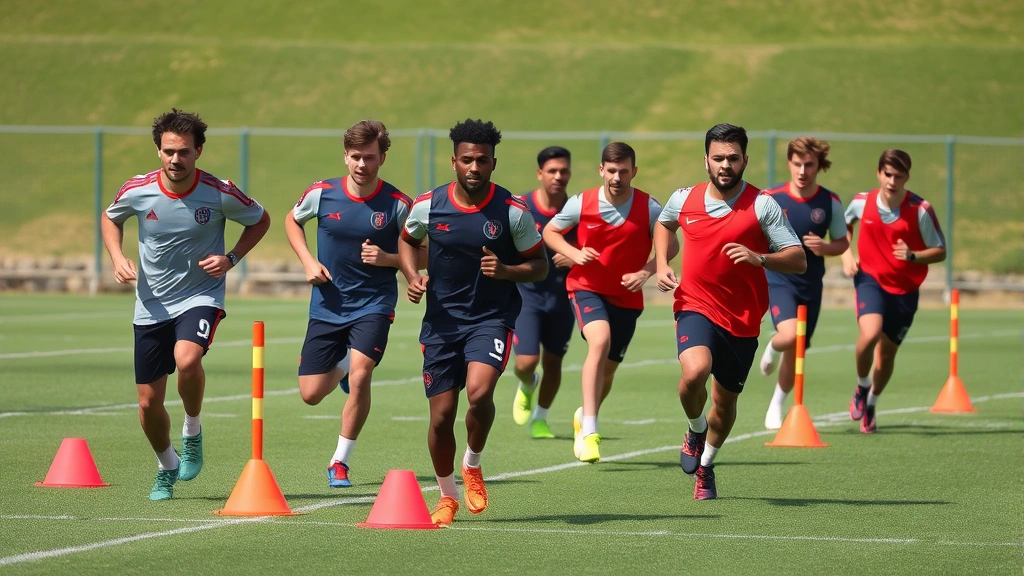
Football represents one of sport’s most demanding endurance challenges. Unlike distance running or cycling where intensity remains relatively consistent, football requires athletes to repeatedly produce explosive power while maintaining aerobic capacity throughout 60+ minutes of competition. Players execute high-intensity efforts lasting 5-10 seconds, followed by brief recovery periods, then repeat this cycle 50-100 times per game.
Research from the American College of Sports Medicine demonstrates that football players cover 5-7 miles per game with approximately 10-20% of distance at maximal or near-maximal intensity. This unique metabolic demand requires training that addresses both aerobic and anaerobic energy systems simultaneously. Coaches recognize that building true football endurance means developing players who sustain explosive power when fatigue sets in during the fourth quarter.
The physiological adaptations needed include increased mitochondrial density, improved capillary perfusion, enhanced lactate buffering capacity, and strengthened type II muscle fibers. Traditional distance running alone fails to develop these specific adaptations. Instead, football-specific endurance training integrates directional changes, deceleration forces, and positional demands into conditioning protocols.
Aerobic Base Building Protocols
Establishing a robust aerobic foundation provides the metabolic platform upon which all advanced endurance training builds. Coaches structure off-season and pre-season training with progressive aerobic development phases that prepare athletes for intense conditioning work. This base-building phase typically spans 4-8 weeks depending on athlete readiness level.
Steady-state running remains a cornerstone of aerobic development, but football coaches implement strategic variations. Rather than monotonous mile repeats, implement tempo runs featuring 20-30 minute sustained efforts at 70-80% maximum heart rate. Follow this with Peak Play Arena Blog resources that detail football-specific conditioning progressions. Athletes should complete 2-3 aerobic sessions weekly during base-building phases, alternating between continuous runs and fartlek-style workouts incorporating variable intensity.
Cross-training activities amplify aerobic development while reducing injury risk from repetitive impact. Rowing machine intervals, assault bike protocols, and swimming sessions develop cardiovascular capacity without the joint stress of constant running. Coaches often prescribe 45-60 minute sessions at conversational intensity, where athletes can maintain dialogue throughout the workout. This intensity range optimally stimulates aerobic enzyme production and capillary expansion.
Progressive overload remains critical during aerobic base building. Increase duration by 10% weekly rather than jumping dramatically into high-volume training. This methodical approach allows connective tissue adaptation and prevents overtraining syndrome that derails entire training cycles. Athletes completing 12-15 miles weekly of easy-to-moderate running establish the aerobic capacity necessary for advanced football conditioning.
High-Intensity Interval Training for Football
Once aerobic foundations solidify, coaches introduce high-intensity interval training (HIIT) that directly mimics football’s explosive demands. These sessions develop the capacity to produce repeated maximal efforts with minimal recovery—exactly what occurs during competitive games. HIIT protocols trigger superior adaptations in lactate threshold, VO2 max, and anaerobic power compared to steady-state training alone.
The Tabata protocol delivers exceptional results for football conditioning: 20 seconds maximum effort followed by 10 seconds recovery, repeated 8 times per exercise (4 minutes total). Athletes perform this protocol with exercises like sprints, sled pushes, burpees, or battle ropes. Completing 3-4 Tabata blocks with 90-120 seconds between blocks creates a 15-20 minute session producing substantial metabolic stress. Research from sports science journals confirms Tabata training increases VO2 max by 8-12% within 6 weeks when properly implemented.
Yo-Yo Intermittent Recovery Tests provide football-specific HIIT templates. Athletes sprint 20 meters, decelerate over 5 meters, walk back 25 meters, then repeat for 12-15 minutes. The constant direction changes and deceleration forces replicate game demands perfectly. Coaches progress this by increasing repetitions, decreasing recovery walks, or performing it on field grass rather than indoor surfaces.
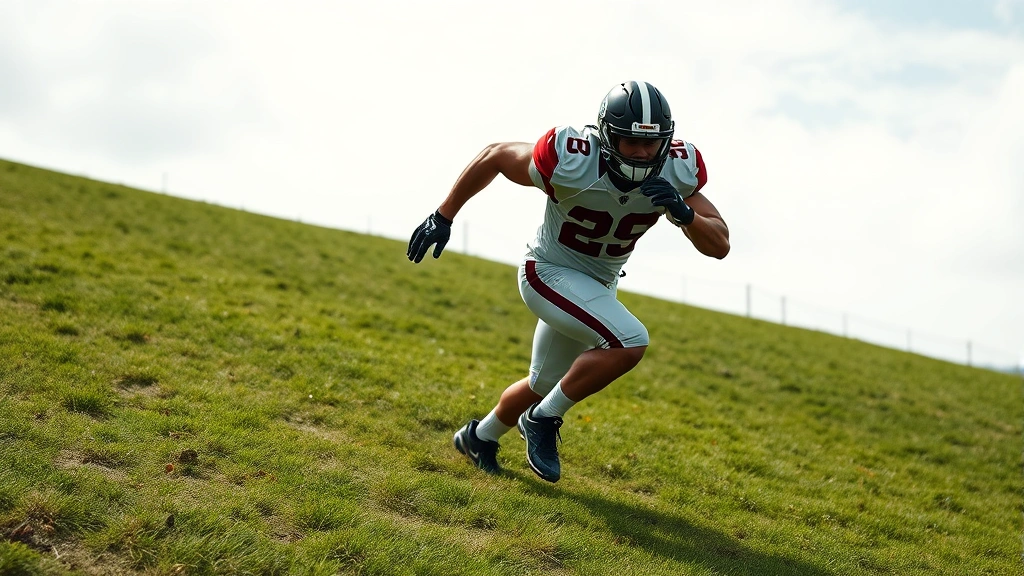
Hill repeats represent another elite conditioning tool. Find a 60-90 second hill and sprint uphill at maximum effort, walk down for recovery, then repeat 6-8 times. The deceleration forces and gravity resistance build eccentric strength while developing anaerobic capacity. Hill training reduces injury risk compared to flat-ground sprinting because the slope naturally limits maximum speed and reduces impact forces.
Implement HIIT sessions 1-2 times weekly during competitive season, never on consecutive days. These sessions create substantial nervous system fatigue alongside metabolic stress. Pairing HIIT with game demands means athletes achieve sufficient adaptation stimulus without overreaching into counterproductive territory. Coaches monitor for signs of overtraining including elevated resting heart rate, persistent soreness, and performance decrements.
Position-Specific Endurance Programming
Elite coaches recognize that endurance demands vary dramatically across positions. Defensive ends require explosive power for repeated gap penetration, while safeties need sustained high-speed movement across the field. Tailoring endurance training to positional demands ensures athletes develop relevant capacity for their specific roles.
Defensive Line Endurance: These athletes need repeated explosive efforts with minimal rest. Implement prowler pushes for 40-meter distances with 30-40 second recovery, repeating 8-10 times. Combine with sled drags, medicine ball slams, and resistance band sprints. These athletes benefit from strength-endurance hybrids that maintain power output despite fatigue.
Linebacker Conditioning: Linebackers cover massive ground while changing direction constantly. Implement shuttle runs: sprint 10 yards forward, backpedal 10 yards, sprint 20 yards forward, backpedal 20 yards, repeat. Perform 6-8 repetitions with 90-120 second recovery. This develops the lateral and backward movement capacity linebackers require.
Defensive Back Development: Safeties and corners need sustained high-speed movement. Implement 300-meter repeats at 90-95% effort with equal-time recovery (if a repeat takes 45 seconds, rest 45 seconds). Complete 4-6 repetitions. This develops the aerobic capacity to sustain high speeds across multiple plays.
Offensive Skill Position Training: Wide receivers and running backs need explosive acceleration repeated frequently. Implement 40-meter sprints with 60-90 second recovery, repeating 10-12 times. Add lateral movement by incorporating 30-meter shuttle runs (15 meters each direction). These athletes benefit from acceleration-focused protocols rather than sustained-speed development.
Quarterback Conditioning: Often overlooked, quarterbacks need cardiovascular fitness to maintain decision-making accuracy late in games. Implement 200-meter repeats at controlled intensity, completing 8-10 with 60-second recovery. Add footwork drills combining agility ladder work with breathing challenges.
Recovery and Periodization Strategies
Endurance adaptation occurs during recovery, not during training. Coaches structure training cycles using periodization principles that strategically vary intensity and volume to maximize adaptation while preventing overtraining. A typical 12-week training block includes progressive overload phases followed by deload weeks where volume decreases 30-40% while maintaining intensity.
Active recovery days accelerate adaptation and reduce soreness. Schedule 20-30 minute easy-paced runs, swimming, or cycling at 50-60% maximum heart rate. These sessions promote blood flow to fatigued muscles, accelerate lactate clearance, and provide psychological recovery without imposing significant training stress. Coaches often combine active recovery with mobility work, foam rolling, and stretching protocols.
Sleep represents the most powerful recovery tool available. Athletes require 8-10 hours nightly during heavy training phases to support adaptation and maintain immune function. Coaches educate athletes that sleep deprivation impairs endurance performance as much as detraining does. Implement consistent sleep schedules, dark sleeping environments, and limited screen time before bed.
Nutrition timing supports recovery equally as training intensity. Consume 20-40 grams protein within 2 hours post-workout alongside carbohydrates to replenish glycogen. Athletes completing high-volume endurance work require 1.6-2.0 grams protein per kilogram bodyweight daily. Hydration status dramatically impacts endurance capacity, requiring strategic fluid intake during training and competition.
Deload weeks occur every third or fourth week, reducing training volume 30-50% while maintaining intensity. This allows accumulated fatigue to dissipate and hormonal systems to recover. Athletes often return from deload weeks stronger and faster than pre-deload baselines. Coaches view deload weeks as essential training components, not wasted time.
Nutrition for Sustained Performance
Endurance capacity depends fundamentally on fueling strategies that sustain energy availability throughout training and competition. Athletes cannot outrun poor nutrition. Coaches implement periodized nutrition protocols that match training demands with caloric and macronutrient intake.
Pre-Workout Nutrition: Consume 1-4 grams carbohydrates per kilogram bodyweight 1-4 hours before training depending on session intensity. A 200-pound athlete might consume 90-180 grams carbohydrates (360-720 calories) before a high-intensity session. Include modest protein to stabilize blood glucose and reduce muscle breakdown. Avoid excessive fat and fiber that impairs digestion during intense effort.
Intra-Workout Fueling: Sessions exceeding 90 minutes require carbohydrate supplementation. Sports drinks providing 6-8% carbohydrate concentration (6-8 grams per 100ml) maintain blood glucose and delay fatigue. Consume 30-60 grams carbohydrates hourly depending on intensity. During shorter high-intensity sessions, mouth rinsing with carbohydrate solutions improves performance without requiring full absorption.
Post-Workout Recovery Nutrition: The 30-60 minute window following training represents peak opportunity for glycogen replenishment and protein synthesis. Consume 1.2 grams carbohydrates per kilogram bodyweight alongside 20-40 grams protein. This combination maximizes glycogen resynthesis and initiates muscle protein repair. Chocolate milk provides an excellent recovery beverage combining optimal carbohydrate-to-protein ratios with fluid and electrolytes.
Daily nutrition should emphasize whole foods: lean proteins, complex carbohydrates, healthy fats, and abundant vegetables. Athletes completing high-volume endurance training require 500-1000 additional calories daily compared to sedentary individuals. Distribute calories across 4-6 meals to maintain consistent energy availability and optimize digestion.
Hydration status directly impacts endurance performance. Athletes should consume 400-800ml fluid per hour during training depending on sweat rate and environmental conditions. Electrolyte drinks become necessary during sessions exceeding 60-90 minutes or in hot conditions. Monitor urine color—pale yellow indicates adequate hydration while dark yellow suggests dehydration requiring increased intake.
Monitoring and Testing Progress
Coaches implement objective testing protocols to quantify endurance improvements and adjust training accordingly. Rather than assuming progress, measure it. Establish baseline metrics early in training cycles and retest every 3-4 weeks.
VO2 Max Testing: Conduct graded exercise tests on treadmills or bike ergometers to measure maximum oxygen consumption. VO2 max improvements of 3-5% over 8-12 weeks indicate effective endurance training. Elite football programs utilize metabolic testing equipment providing precise measurements, though field estimates using Cooper’s 12-minute run test provide reasonable alternatives.
Lactate Threshold Assessment: Test the maximum sustainable effort before lactate accumulation becomes limiting. Common protocols include 20-minute time trials where athletes maintain highest possible average pace, or incremental running tests measuring lactate levels at various speeds. Threshold improvements indicate enhanced aerobic capacity and fatigue resistance.
Repeated Sprint Ability Tests: Perform 6-10 maximal 30-40 meter sprints with 30-40 second recovery between efforts. Measure sprint times and calculate fatigue index (decline in performance across repetitions). Football-specific improvements appear as maintained speed across repetitions despite fatigue.
Heart Rate Variability Monitoring: Daily HRV measurements provide insights into nervous system recovery status. Reduced HRV indicates accumulated fatigue requiring deload implementation. Athletes monitoring HRV can objectively determine when to push hard versus when to prioritize recovery.
Implement wearable technology tracking metrics like training load, strain, and recovery. Modern smartwatches and fitness trackers provide valuable data regarding workout intensity, sleep quality, and readiness status. Coaches use this information to make real-time training adjustments preventing overtraining while maximizing adaptation.
Video analysis during training reveals movement quality degradation indicating fatigue accumulation. When athletes demonstrate slower deceleration, reduced stride length, or compromised form across repetitions, this signals adequate stimulus has been achieved. Pushing beyond this point yields diminishing returns and increased injury risk.
Beyond your football arm sleeves and custom football gloves, the conditioning foundation determines game-day performance. Understand that how long is a football game directly influences training demands—60+ minutes of intermittent high-intensity effort requires specific preparation.
FAQ
How often should football players perform endurance training?
Elite programs implement 3-5 endurance sessions weekly depending on training phase. Off-season allows 4-5 sessions weekly with varied intensities, while in-season typically reduces to 2-3 sessions to accommodate game preparation. Never perform intense HIIT on consecutive days—allow 48-72 hours between maximal effort sessions.
What’s the ideal ratio of aerobic to anaerobic training?
During base-building phases, emphasize aerobic work at 70-80% ratio. As competition approaches, shift toward 60% aerobic and 40% anaerobic training. In-season typically maintains 50-50 balance with lower overall volume. This periodization prevents staleness while maintaining relevant fitness components.
Can football players build endurance through strength training?
Yes, circuit-style strength training with minimal rest periods (30-45 seconds) develops strength-endurance hybrids. Combine compound movements like squats, deadlifts, and bench press with 60-90 second rest periods for 8-10 repetitions. This approach builds strength while improving work capacity and conditioning.
How do coaches prevent overtraining during endurance development?
Monitor resting heart rate daily—increases of 5-10 bpm indicate accumulated fatigue. Implement deload weeks every third or fourth week. Track perceived exertion and performance metrics. Reduce volume 30-50% during deload weeks while maintaining intensity. Prioritize sleep, nutrition, and recovery protocols equally as training stimulus.
What recovery methods accelerate endurance adaptation?
Sleep represents the most powerful tool—prioritize 8-10 hours nightly. Implement active recovery days with easy movement. Use ice baths or contrast therapy for extreme soreness. Massage and foam rolling enhance blood flow. Proper nutrition with adequate protein and carbohydrates supports glycogen replenishment. Stress management and mental recovery matter equally as physical recovery.
Should football players train differently for different positions?
Absolutely. Defensive linemen need strength-endurance for repeated explosive efforts. Linebackers require multidirectional movement capacity. Defensive backs need sustained high-speed capability. Skill position players benefit from acceleration-focused protocols. Customize training to match positional demands while maintaining general endurance foundation.


