Flag Football Rules: Coach’s Guide to Success
Flag football has exploded in popularity over the past decade, transforming from a recreational backyard game into a legitimate competitive sport played at youth, college, and professional levels. Whether you’re coaching your first flag football team or refining your strategies as an experienced coach, understanding the comprehensive flag football rules is absolutely essential to success. This sport demands tactical precision, quick decision-making, and a deep knowledge of how plays develop within the regulatory framework.
As a coach, your mastery of flag football rules directly impacts your team’s performance, player safety, and your ability to make real-time adjustments during games. Unlike traditional tackle football, flag football emphasizes speed, agility, and finesse over brute force. The rules are specifically designed to minimize injury risk while maximizing athletic skill and strategic gameplay. Understanding every nuance—from flag-pulling mechanics to field dimensions to scoring systems—gives you a competitive edge and ensures your team plays with confidence and compliance.
This comprehensive guide breaks down every critical aspect of flag football rules that coaches need to know, complete with practical applications you can implement immediately with your team.
Basic Field Setup and Game Structure
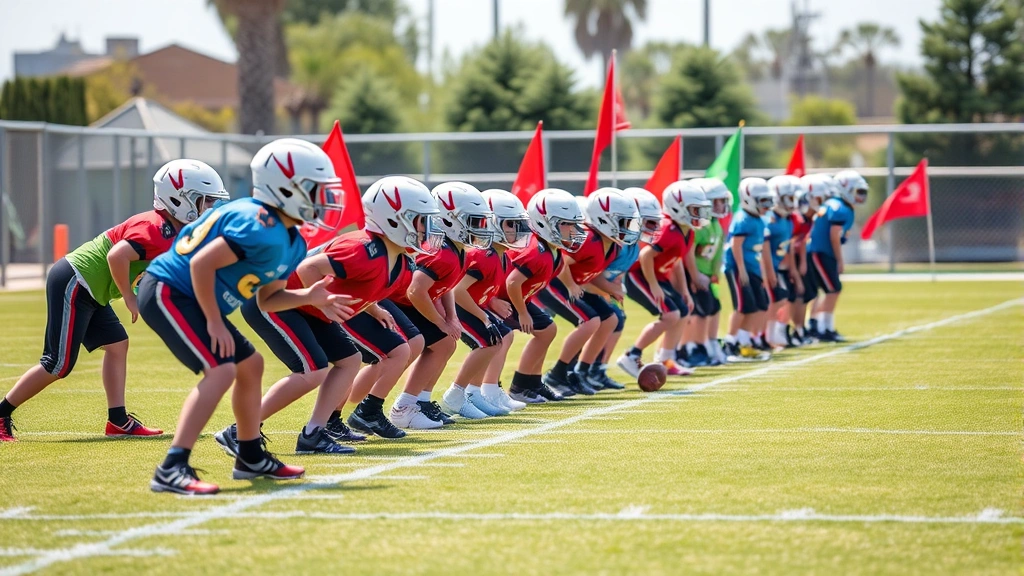
Understanding field dimensions and game structure forms the foundation of flag football coaching. Most recreational and competitive flag football leagues use a 100-yard field (or 80 yards for youth leagues) with 10-yard end zones at each end. The field width typically measures 53⅓ yards, matching traditional football specifications. However, some leagues utilize 40-yard fields for smaller-scale play, particularly in indoor or space-constrained settings.
The game consists of two halves, typically 20-25 minutes each depending on league specifications, with a halftime break. Each team receives four downs to advance the ball at least 10 yards to achieve a first down. This down system mirrors traditional football but operates differently in execution due to flag football’s unique defensive mechanics. Games are divided into two-minute warning periods near the end of each half, during which coaches can make strategic adjustments.
Teams typically field 5-7 players per side, though this varies by league. The smaller roster size compared to traditional football creates a faster-paced, more open game where individual athleticism and field awareness become paramount. As a coach, you must understand how Peak Play Arena’s comprehensive football resources can enhance your strategic knowledge base.
Game timing operates continuously except during timeouts, incomplete passes, and the two-minute warning. Each team receives two or three timeouts per half, allowing coaches to pause play for strategic discussions. The clock stops for out-of-bounds plays and incomplete passes in the final two minutes of each half, creating strategic opportunities for late-game heroics.
Offensive and Defensive Positioning
Proper positioning in flag football rules determines offensive efficiency and defensive effectiveness. On offense, the quarterback must begin each play at least seven yards behind the line of scrimmage in most leagues, though this distance varies. This rule prevents defensive players from immediately pressuring the quarterback and encourages passing-oriented gameplay. All other offensive players can line up anywhere on the field as long as they don’t exceed the line of scrimmage before the snap.
The snap initiates play, with the center passing the ball backward to the quarterback. Unlike traditional football, the quarterback has limited time to release the ball before being deflagged. Most leagues establish a rush count of four seconds, meaning defenders cannot pull flags before this time expires. This rule prevents defensive chaos while allowing the quarterback adequate time to execute plays.
Defensively, positioning strategies differ significantly from traditional football. Since defenders cannot tackle, they must position themselves to intercept passes or pull flags from ball carriers. Most defensive schemes emphasize pass coverage, with defensive backs playing coverage assignments similar to traditional football. However, the lack of a traditional pass rush means defensive linemen must focus on coverage responsibilities or shallow zone assignments.
Motion rules allow offensive players to move laterally before the snap, but movement toward the line of scrimmage typically triggers a false start penalty. Understanding these positioning nuances helps you design plays that maximize your offensive strengths while exploiting defensive weaknesses. Many coaches utilize the latest football predictions and analysis to inform their strategic approaches.
Flag-Pulling Mechanics and Defensive Rules
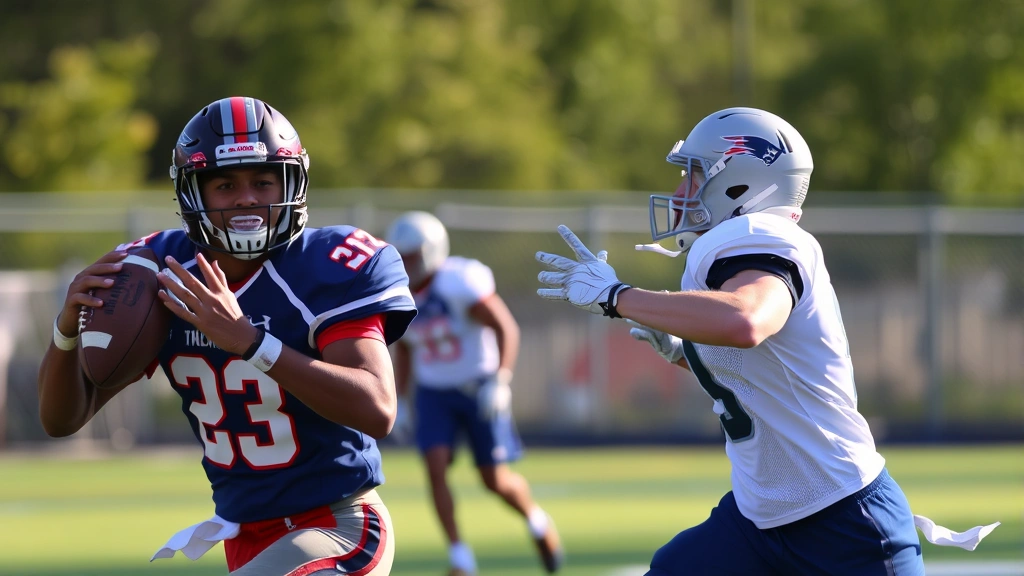
Flag-pulling represents the fundamental defensive mechanism in flag football, replacing traditional tackling. Each player wears two flags attached to their waist via velcro strips or elastic bands. Defenders pull one flag to stop the ball carrier, and the play ends immediately. This mechanism eliminates collision injuries while maintaining defensive intensity and skill requirements.
Critical flag-pulling rules include: defenders must pull the flag from the front or side, not from behind (a rule preventing defensive frustration and dangerous play); the flag must be clearly visible and accessible; and defenders cannot hold, push, or block to prevent flag-pulling. Coaches must drill proper flag-pulling technique extensively, as poor execution leads to defensive ineffectiveness and potential penalties.
The rush count of four seconds is crucial for offensive strategy. After the snap, defenders must remain outside the backfield until the rush count expires. This prevents immediate defensive pressure and allows quarterbacks adequate time for play development. Timing the rush count correctly separates skilled defensive coaching from average approaches. Some leagues implement modified rush counts (three or five seconds) based on league specifications.
Blitzing in flag football differs dramatically from traditional football. Since there’s no blocking in most flag football variants, defenders can move freely once the rush count expires. However, some leagues implement limited blocking rules where offensive linemen can use their bodies to screen defenders without extending their arms. Understanding these blocking limitations helps you design plays that create separation between receivers and defenders.
Defensive positioning rules prevent excessive crowding. In most leagues, no more than three defenders can line up within five yards of the line of scrimmage, encouraging balanced defensive formations. This rule prevents defensive teams from stacking the box and forces defensive coordinators to think strategically about alignment and coverage assignments.
Passing, Receiving, and Catching Rules
Passing rules in flag football emphasize accuracy and decision-making rather than arm strength. The quarterback can release the ball from any arm angle and can throw backward, forward, or laterally. Backward and lateral passes create dynamic offensive possibilities, allowing creative play design that distinguishes flag football from traditional football.
Receivers must be eligible to receive passes based on their position at the snap. In most flag football leagues, all players are eligible receivers, eliminating the complex ineligible receiver rules of traditional football. This simplification opens offensive possibilities but requires quarterbacks to maintain field awareness of all potential receiving options.
Catching rules follow traditional football specifications: a receiver must catch the ball with possession and two feet in bounds (or one knee if they’re sliding). The ball is considered caught if it touches a receiver’s hands before striking the ground. Incomplete passes occur when the ball hits the ground without being caught, and the down advances without yardage gain.
Interceptions remain live plays in flag football. When a defender intercepts a pass, they become the ball carrier and can advance toward the opposite end zone. Intercepting passes and returning them for touchdowns provides dramatic defensive scoring opportunities. As a coach, emphasizing defensive awareness and ball skills during practice enhances your team’s interception potential.
The receiving zone extends the full width of the field, eliminating sideline-dependent receiving strategies common in traditional football. However, receivers must maintain an in-bounds status by keeping at least one foot within the field boundaries. Understanding these receiving mechanics helps you design route concepts that maximize receiver separation and completion percentages.
Scoring and Point Systems
Scoring in flag football follows traditional football point values in most leagues, though variations exist. A touchdown equals six points, with teams earning the opportunity for extra points after scoring. Most leagues allow teams to score one point from the 5-yard line or two points from the 10-yard line after touchdowns. Some leagues implement alternative scoring systems where different field positions yield different point values.
Safety scoring occurs when the offensive team commits a foul in their own end zone, resulting in two points for the defensive team. Safeties are relatively uncommon in flag football but can occur during fumbles or intentional grounding penalties within the end zone.
Field goal scoring exists in some flag football leagues but remains uncommon in recreational play. When implemented, field goals typically count as three points, kicked from the hash marks. Many youth and recreational leagues eliminate field goal opportunities to maintain focus on offensive execution and scoring through touchdowns.
Understanding your specific league’s scoring system is essential for end-game strategy. Some leagues implement mercy rules where games end early if one team achieves a significant lead, typically 20+ points. Coaches must know these rules to manage clock situations and make appropriate strategic decisions during close games.
Penalties and Infractions
Penalty knowledge separates successful coaches from struggling ones. Common offensive penalties include false start (illegal pre-snap movement), illegal motion (excessive movement before the snap), and holding (offensive players blocking illegally). False start penalties typically result in five-yard losses, while holding penalties can be assessed either five or ten yards depending on the infraction’s severity and league specifications.
Defensive penalties include pass interference (illegally contacting receivers before they catch the ball), illegal rush (rushing before the count expires), and defensive holding (preventing receivers from running routes). Pass interference typically results in automatic first downs and ball placement at the infraction point or ten yards, whichever is greater.
Personal foul penalties apply to both offensive and defensive players and include hitting after the flag is pulled, unnecessary roughness, and unsportsmanlike conduct. These penalties carry fifteen-yard assessments and reflect the game’s emphasis on safe, controlled play. As a coach, emphasizing discipline and emotional control reduces penalty accumulation and maintains competitive advantage.
Intentional grounding occurs when quarterbacks throw passes with no eligible receivers in the vicinity, typically resulting in loss of down and yardage. This rule prevents quarterbacks from simply throwing the ball away to stop the clock or avoid sacks. Understanding grounding rules helps quarterbacks make better decisions under pressure.
Offsides penalties occur when defensive players cross the line of scrimmage before the snap, assessed at five yards. These penalties are relatively uncommon in well-coached teams but require constant reinforcement during practices to prevent unnecessary infractions.
Advanced Coaching Strategies
Mastering flag football rules enables advanced strategic implementation. Understanding the four-second rush count allows you to design quick-hitting plays with short completion windows. Three-step drops and quick slants exploit this timing advantage, creating offensive rhythm and consistency.
Defensive strategy revolves around coverage assignments and zone positioning. Cover-2 defenses provide safety help while allowing underneath coverage of receivers. Cover-3 defenses split the field into three deep zones while defending underneath routes. Matching these defensive concepts with your personnel maximizes defensive effectiveness.
Red zone strategy becomes critical in flag football. With limited space and compressed field geometry, scoring efficiency determines games. Designing specific red zone plays that exploit defensive positioning within the end zone separates championship teams from competitive ones. Short, high-percentage passes and misdirection plays excel in compressed spaces.
Two-minute drill situations require specific preparation. Understanding clock management, timeout usage, and play-calling sequences prepares your team for high-pressure moments. Practicing these situations regularly builds confidence and decision-making speed when games are decided by final possessions.
Exploring how to avoid sports injuries remains crucial for maintaining roster health throughout the season. Proper warm-up protocols, conditioning, and technique emphasis reduce injury risk and keep your best players available for competition.
Player Safety and Rule Compliance
Flag football’s primary purpose involves maintaining player safety while preserving competitive intensity. The no-contact nature of the sport dramatically reduces injury rates compared to traditional football. However, coaches must still emphasize proper technique, emotional control, and rule compliance to maintain the sport’s safety standards.
Proper flag-pulling technique prevents unnecessary contact and injuries. Coaches should drill defensive players to pull flags cleanly without pushing, holding, or extending beyond the flag. Offensive players should practice protecting their flags while maintaining running form and balance.
Conditioning programs prepare players for flag football’s high-intensity, continuous-play environment. Unlike traditional football with its frequent stoppages, flag football demands sustained cardiovascular effort and explosive movement. Implementing sport-specific conditioning builds endurance and reduces fatigue-related injuries.
Understanding injury prevention through proper sports science principles enhances your coaching effectiveness. Emphasizing dynamic warm-ups, mobility work, and proper movement mechanics prepares players for the demands of competitive flag football.
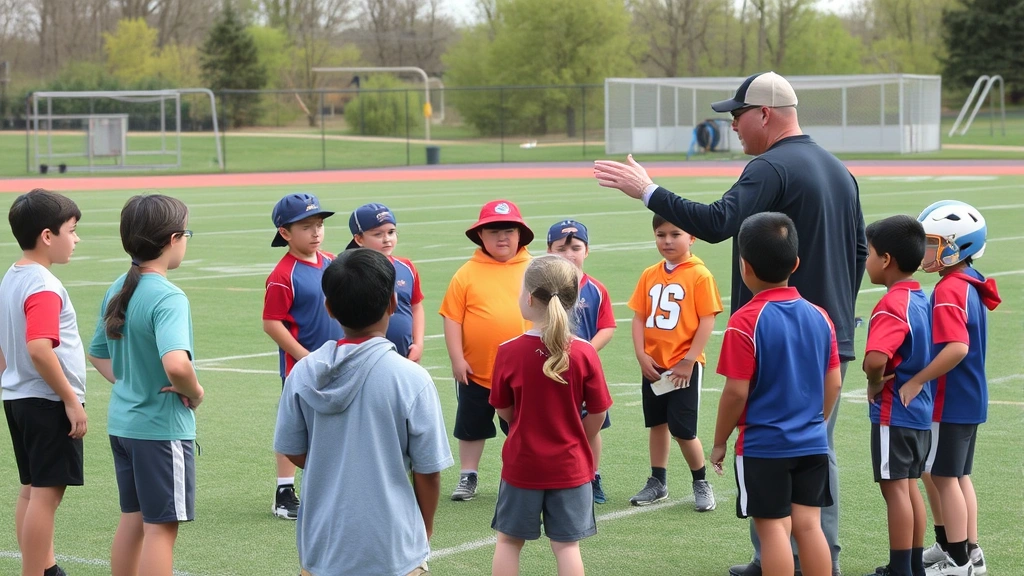
Rule compliance reflects your program’s culture and values. Coaches who emphasize rule understanding and discipline build teams that compete at higher levels. Teaching players to respect officials’ decisions and accept penalties gracefully develops character and leadership qualities that extend beyond athletics.
Communication with officials before games ensures everyone understands local rule variations. Different leagues implement slightly different specifications, and clarifying these details prevents confusion during competition. Building positive relationships with officiating crews creates collaborative environments where the game flows smoothly.
FAQ
What is the primary difference between flag football and tackle football rules?
The fundamental difference involves defensive mechanics. Flag football replaces tackling with flag-pulling, eliminating direct contact while maintaining competitive intensity. This change significantly reduces injury rates while preserving skill development and strategic complexity.
How many players are on a flag football team?
Most flag football leagues field 5-7 players per side, though this varies by league and age group. Youth leagues often use smaller rosters, while recreational leagues might implement larger teams. Check your specific league’s roster requirements for accurate specifications.
Can quarterbacks run with the ball in flag football?
Yes, quarterbacks can run with the ball after the snap. However, they must advance the ball while protecting their flags from defenders. Many coaches design quarterback run plays that exploit defensive positioning and create scoring opportunities.
What happens if a player loses their flag during play?
If a player loses their flag during play, they are considered deflagged and the play ends immediately. Teams should check flag security regularly during practices to prevent malfunction during games.
Are there different rule variations for youth flag football?
Yes, youth flag football rules often include modifications for safety and developmental purposes. Common modifications include shorter fields (40 yards), modified scoring systems, and adjusted down counts. Always verify your specific league’s youth rules before coaching.
How does the clock work in flag football?
The clock runs continuously except during timeouts, incomplete passes, and the final two minutes of each half when out-of-bounds plays and incomplete passes stop the clock. This continuous-clock format accelerates game pace compared to traditional football.
Can defensive players blitz in flag football?
Defensive players can blitz after the rush count expires (typically four seconds). Before the count expires, they must remain outside the backfield. This rule prevents immediate quarterback pressure while allowing dynamic defensive play after adequate time passes.
What is intentional grounding in flag football?
Intentional grounding occurs when quarterbacks throw passes with no eligible receivers nearby, resulting in loss of down and yardage. This rule prevents quarterbacks from simply throwing the ball away to avoid defenders or stop the clock.
How are extra points scored after touchdowns?
Most leagues allow teams to score one point from the 5-yard line or two points from the 10-yard line. Some leagues implement alternative systems where different distances yield different point values. Verify your league’s specific extra-point rules.
What penalties result in automatic first downs?
Pass interference and defensive holding typically result in automatic first downs, with the ball placed at the infraction point or ten yards from the original line of scrimmage, whichever is greater. These penalties significantly impact field position and offensive momentum.


