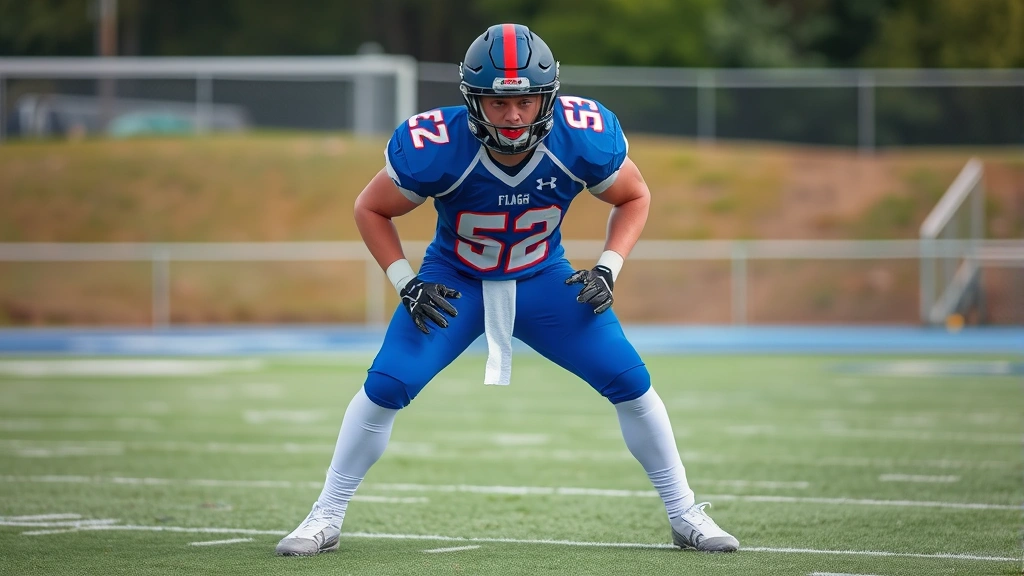
Flag Football Positions: Expert Breakdown of Roles, Responsibilities & Strategies
Flag football has exploded in popularity over the past decade, offering an inclusive, non-contact alternative to traditional tackle football while maintaining the sport’s strategic depth and athletic intensity. Whether you’re assembling your first team, transitioning from tackle football, or refining your positional understanding, knowing the nuances of flag football positions is essential for success on the field. Unlike traditional football where size and strength dominate, flag football emphasizes speed, agility, route-running precision, and tactical awareness—making it accessible to athletes of all body types and backgrounds.
This comprehensive guide breaks down every position in flag football, explaining the specific skills required, strategic responsibilities, and how to excel in each role. We’ll explore offensive positions, defensive assignments, and the unique considerations that make flag football positions distinct from their tackle football counterparts. By understanding these positions deeply, you’ll develop better game awareness, make smarter tactical decisions, and maximize your team’s competitive potential.
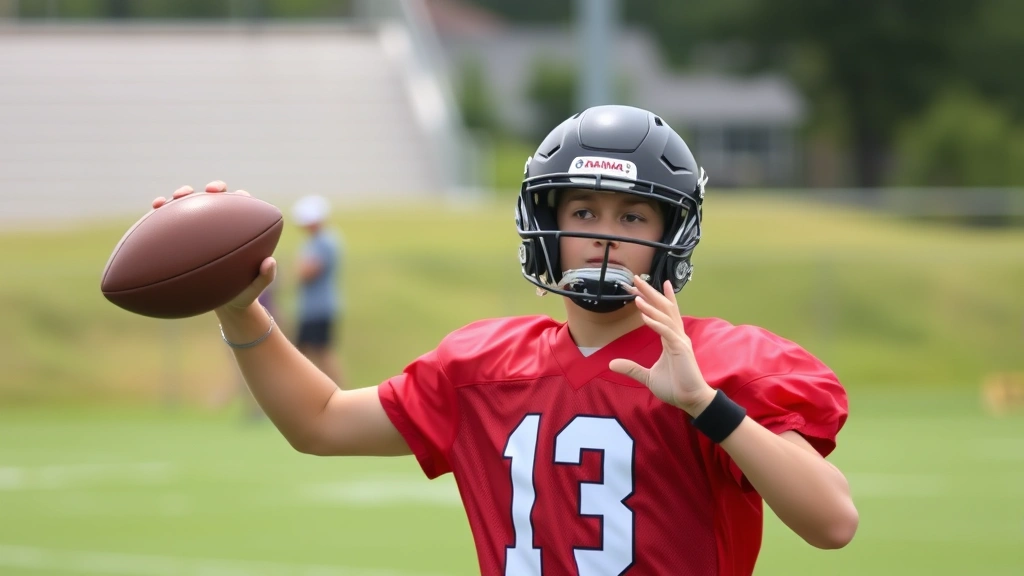
Offensive Positions in Flag Football
The offensive side of flag football typically consists of four to five primary positions, depending on league rules and formation preferences. Each position carries distinct responsibilities that directly impact your team’s ability to execute plays, gain yards, and score points. Understanding these roles helps you evaluate player strengths and construct balanced offensive units capable of adapting to different defensive schemes.
Quarterback (QB)
The quarterback serves as the offensive commander, responsible for reading defenses, executing handoffs or throws, and making split-second decisions under pressure. In flag football, the QB role differs significantly from tackle football because the absence of a true passing pocket means quarterbacks must be mobile and decisive. Elite flag football quarterbacks combine accurate throwing mechanics with lateral movement capabilities, allowing them to extend plays and create opportunities when initial reads aren’t available.
QB responsibilities include: pre-snap audibles, quick release throws to minimize defensive pressure, effective communication with receivers, and understanding coverage tendencies. Many successful flag football quarterbacks are former baseball players or soccer athletes who develop exceptional hand-eye coordination and spatial awareness. The position requires extensive film study to recognize defensive alignments and anticipate blitz packages.
Running Back (RB)
Running backs in flag football function as versatile offensive weapons, lining up in the backfield to receive handoffs, catch short passes, and occasionally line up as receivers in spread formations. Unlike tackle football, flag football running backs don’t need to be power runners—instead, they thrive on lateral agility, vision, and the ability to make defenders miss in open space. The best flag football running backs possess outstanding balance and body control, allowing them to maintain momentum while evading defensive pressure.
RB duties encompass: receiving handoffs in run plays, catching short-to-intermediate passes on check-down routes, blitz pickup and pass protection, and creating separation through route-running. Many flag football teams utilize multiple running backs in rotation, with different backs specializing in different roles. Some excel at outside zone runs, while others specialize in receiving passes out of the backfield.
Wide Receivers (WR)
Wide receivers are the primary target for quarterbacks, responsible for running precise routes, creating separation from defenders, and consistently catching passes in traffic. Flag football emphasizes receiver talent more than traditional football because the reduced field size and defensive restrictions mean quarterbacks can rely heavily on their primary receivers. Exceptional receivers combine route-running precision with strong hands, body awareness, and the ability to adjust to poorly thrown balls.
WR responsibilities include: running crisp, defined routes; creating separation through footwork and body positioning; reading defensive coverage to find soft spots; making contested catches; and communicating route adjustments with the quarterback. Top flag football receivers often transition from basketball backgrounds, bringing exceptional spatial awareness and coordination. The position demands significant practice time developing route-running consistency and building chemistry with your quarterback.
Slotback/Flex Position
The slotback or flex position represents a hybrid role that varies by league and coaching philosophy. This player might line up in the slot (between the tackle and wide receiver), serve as an additional receiver, or function as a secondary running back. The slotback position offers flexibility for teams wanting to create mismatches or exploit specific defensive weaknesses. Players in this role need versatility—the ability to run multiple route types, catch passes effectively, and occasionally carry the ball.
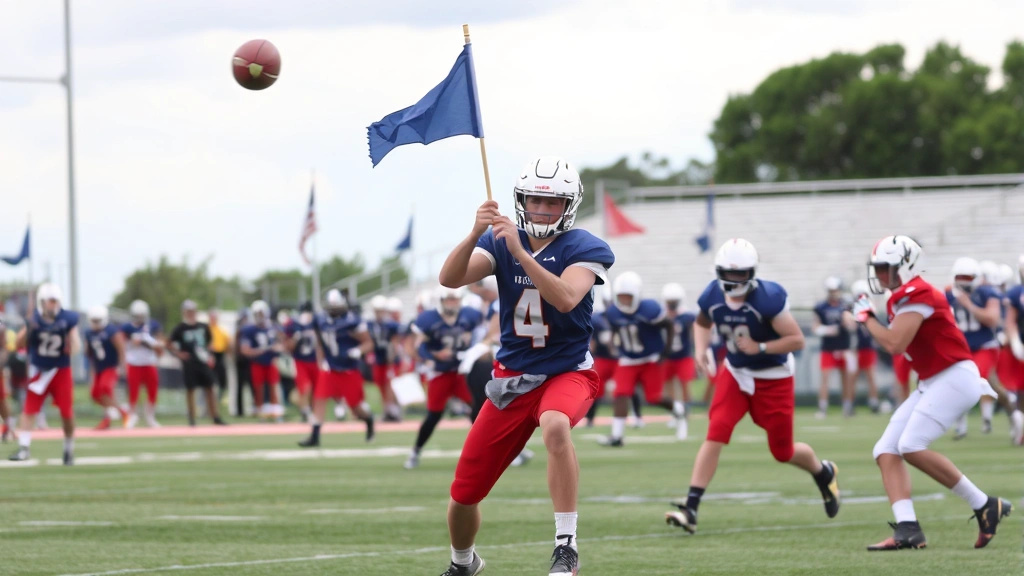
Defensive Positions Explained
Flag football defense requires different thinking than tackle football because defenders can’t use their bodies to shed blocks—instead, they rely on positioning, anticipation, and pursuit angles. Defensive positions in flag football emphasize coverage responsibility, gap awareness, and the ability to diagnose plays quickly from pre-snap formations.
Cornerback (CB)
Cornerbacks provide primary pass coverage against wide receivers, defending the perimeter and preventing deep completions. Flag football cornerbacks need exceptional footwork, hip flexibility, and the ability to flip their hips smoothly while backpedaling. The position demands fearless competitors willing to challenge receivers at the line of scrimmage and maintain tight coverage throughout routes. Top flag football cornerbacks possess outstanding body control and spatial awareness, allowing them to react to receiver movements while maintaining position.
CB responsibilities: man-to-man coverage of assigned receivers, disrupting route releases, reading quarterback eyes to anticipate throws, communicating with safeties, and maintaining gap integrity. Cornerback is one of the most demanding positions because it requires sustained focus and immediate reactions to rapid developments.
Safety (S)
Safeties serve as the last line of defense, responsible for deep coverage, helping over the top, and supporting underneath defenders. In flag football, safeties often play more aggressive roles than traditional football because they can position themselves closer to the line of scrimmage without sacrificing deep coverage. The position requires excellent range, communication skills, and the ability to diagnose plays quickly. Safeties must balance aggressive support with coverage responsibility, making them thinking players who understand offensive tendencies and formations.
Safety duties include: deep zone coverage, over-the-top support, safety blitzes, communicating with linebackers and corners, and adjusting coverage based on offensive formation. Strong safeties in flag football often have linebacker backgrounds, bringing physicality and instincts to the position.
Linebacker (LB)
Linebackers operate in the middle of the field, defending intermediate zones and supporting both run and pass defense. In flag football, linebackers must be incredibly versatile because the smaller field and quicker game pace mean they’re involved in nearly every play. Elite linebackers combine excellent pursuit angles with coverage capability, allowing them to defend underneath routes while maintaining awareness of deeper developing plays.
LB responsibilities: zone coverage in intermediate areas, blitzing gaps, reading and reacting to offensive plays, communicating defensive adjustments, and supporting cornerbacks over the middle. Many flag football linebackers have soccer or basketball backgrounds, bringing exceptional field awareness and lateral movement.
Defensive End/Edge Rusher (DE)
Defensive ends in flag football focus on defending the perimeter, disrupting quarterback-receiver timing, and preventing outside runs. The position requires excellent lateral quickness and the ability to diagnose plays immediately. Flag football defensive ends can’t use their hands for pass rush moves, so they rely on positioning, pursuit angles, and gap recognition. The best defensive ends anticipate plays before they develop, positioning themselves to disrupt timing.
DE duties: defending outside gaps, pressuring quarterbacks, disrupting receiver timing, maintaining edge integrity, and communicating with linebackers. This position often attracts athletes with basketball or track backgrounds who bring exceptional speed and lateral agility.
Position-Specific Skills Development
Excelling in flag football positions requires dedicated skill development tailored to your specific role. Rather than focusing solely on general athletic ability, invest time in position-specific training that addresses the unique demands of your assignment. Consider exploring flag football plays to understand how your position fits into offensive and defensive schemes.
Receiver Training Protocol
Receivers benefit from focused route-running sessions where they develop consistent footwork, crisp breaks, and reliable catch technique. Work with your quarterback to build chemistry through repetition—run the same routes dozens of times until movements become automatic. Incorporate agility ladder drills, cone drills for directional changes, and catch training with balls thrown at various angles and speeds. Additionally, study football plays to understand how route concepts translate across different sports.
Defensive Back Development
Cornerbacks and safeties thrive when they dedicate time to footwork drills, hip flexibility exercises, and film study. Practice backpedaling technique to maintain smooth transitions when flipping hips to follow receivers. Work with defensive coordinators to understand coverage concepts and learn to diagnose routes based on receiver splits and alignment. Incorporate balance and stability training to enhance your ability to decelerate and plant when reacting to route changes.
Quarterback Mechanics
Quarterbacks should focus on release point consistency, footwork under pressure, and decision-making speed. Work with position coaches to develop a quick, compact release that minimizes throwing motion while maintaining accuracy. Practice three, five, and seven-step drops to build muscle memory for timing with receivers. Invest significantly in film study to recognize defensive tendencies and understand how to exploit coverage weaknesses.
Building a Balanced Team
Creating a successful flag football team requires thoughtful position allocation and player development. Rather than simply collecting talented athletes, build complementary rosters where different position groups work together cohesively. Consider how offensive and defensive players can be deployed together, and explore college football team builder concepts adapted for flag football contexts.
A typical competitive flag football roster includes: one elite quarterback, two or three strong receivers with different skill sets, a versatile running back, three to four defensive backs, two to three linebackers, and one or two edge rushers. This composition allows flexibility in formations while ensuring depth at critical positions. Many successful teams rotate players between positions, developing versatile athletes capable of contributing multiple ways.
Depth Chart Considerations
Maintain clear depth charts showing primary and backup assignments for every position. This transparency helps players understand their roles while motivating backups to develop their skills. As you build team chemistry, consider how different player combinations perform together—sometimes your second-best receiver might have better chemistry with your quarterback than your top option.
Strategic Positioning & Play Calling
Understanding flag football positions extends beyond individual role definitions—it requires comprehending how positions interact within offensive and defensive schemes. Smart coaches exploit position matchups, creating situations where their strengths oppose opponent weaknesses. Before executing plays from your playbook, study flag football plays to understand how different positions operate within various formations and schemes.
Offensive Positioning Strategy
Position your athletes to create favorable matchups. If your best receiver lines up against a cornerback, emphasize passing plays targeting that matchup. If your running back excels against linebacker coverage, design plays that attack that area. Smart positioning also involves disguising intentions—line up receivers in unexpected positions, use motion to create confusion, and develop formations that don’t telegraph play direction.
Defensive Positioning Strategy
Position defenders based on offensive formation tendencies and opponent strengths. If the opposing team throws frequently, shade more defensive backs into coverage. If they emphasize short passes, position linebackers closer to the line of scrimmage. Use film study to identify offensive patterns and position defenders to exploit predictable tendencies.
Communication & Adjustments
Clear communication is essential for defensive success. Develop a system where defenders can make line-of-scrimmage adjustments, communicating coverage changes and alerting teammates to offensive tendencies. Strong communication prevents confusion and allows defenders to react cohesively to offensive schemes. Similarly, offensive players must maintain constant communication with the quarterback, confirming route adjustments and coverage reads.
For teams interested in team development beyond the field, explore sports team bonding activities that strengthen relationships and improve on-field communication.
Transition & Substitution Patterns
Develop substitution patterns that maximize your positional strengths. Some teams use specific personnel groupings for different situations—one set for obvious passing plays, another for run situations. This flexibility keeps opponents guessing while allowing you to optimize matchups. Practice smooth transitions between offensive and defensive units to minimize confusion and maintain momentum.
FAQ
What are the main flag football positions?
The primary flag football positions include: Quarterback, Running Back, Wide Receiver, Slotback, Cornerback, Safety, Linebacker, and Defensive End. Some leagues use variations of these positions, but these eight roles form the foundation of most flag football teams. Each position carries specific responsibilities that directly impact team success.
How is flag football different from tackle football positions?
Flag football positions emphasize speed, agility, and technical skill over size and strength. Defenders can’t use their bodies to shed blocks, so they rely on positioning and anticipation. The reduced field size means more compact play, and quarterbacks need greater mobility since there’s no traditional pass pocket. Overall, flag football positions reward athletes who excel at decision-making and footwork rather than pure physicality.
Can players play multiple positions in flag football?
Absolutely. Many flag football athletes develop versatility by playing multiple positions, increasing their value to their teams. A receiver might also play cornerback, or a running back might line up as a slot receiver. Developing versatile athletes provides coaches with flexibility and creates favorable matchups against opponents.
What skills are most important for flag football positions?
Footwork, lateral agility, communication, decision-making speed, and technical proficiency are critical across all positions. Receivers need precise route-running, defensive backs need exceptional hip flexibility and coverage awareness, quarterbacks need quick releases and field vision, and linebackers need diagnostic capabilities. Invest training time in position-specific skills while developing foundational athletic qualities.
How should I train for my specific flag football position?
Identify your position’s primary responsibilities and develop targeted training addressing those demands. Receivers should focus on route-running and catch technique, defensive backs on footwork and hip flexibility, quarterbacks on mechanics and decision-making, and linebackers on gap recognition and coverage. Work with position coaches to develop position-specific training protocols, and dedicate significant time to film study understanding your role within team schemes.
What’s the ideal flag football team roster composition?
A competitive roster typically includes one elite quarterback, multiple receivers with different skill sets, a versatile running back, several defensive backs, linebackers, and edge rushers. Total roster size varies by league, but aim for 12-16 athletes allowing flexibility and depth at critical positions. Develop backup options at every position, creating redundancy and maintaining depth as injuries occur.


