Best Boys Football Cleats? Expert Reviews Inside
Choosing the right boys football cleats can make the difference between a stellar season and one plagued by injuries, slipping, and discomfort. Whether your young athlete is a running back cutting through the defense, a wide receiver making explosive cuts, or a linebacker pursuing tackles across the field, proper footwear is non-negotiable. The right cleats provide traction, stability, ankle support, and confidence—allowing players to focus entirely on their performance rather than worrying about their feet.
This comprehensive guide breaks down everything you need to know about selecting premium boys football cleats, including expert recommendations, key features to prioritize, and science-backed insights into why proper cleat selection matters for young athletes. We’ve analyzed dozens of top-performing models, consulted biomechanical research, and reviewed feedback from coaches and players to bring you actionable guidance that will elevate your son’s game.
Why Football Cleats Matter for Young Athletes
Boys football cleats aren’t just regular shoes with studs attached. They’re engineered specifically to enhance athletic performance while protecting developing feet and ankles. According to research from the American College of Sports Medicine (ACSM), proper footwear significantly reduces injury risk in youth football players by improving ground contact and proprioceptive feedback.
The biomechanics of football demand rapid directional changes, explosive sprinting, and lateral movements that place enormous stress on the lower extremities. Without appropriate cleats, young athletes are more susceptible to ankle sprains, stress fractures, and soft tissue injuries. Quality cleats provide:
- Enhanced traction on grass and artificial turf, reducing slip-related injuries
- Ankle stability through structured heel counters and mid-foot support
- Impact absorption that protects growing bones and joints
- Responsive cushioning for explosive movements and quick directional changes
- Improved confidence that translates to better on-field decision-making
Young athletes also benefit from cleats designed with their developmental needs in mind. Children’s feet are still growing and developing proprioceptive awareness, so cleats must balance support with flexibility. Understanding how to avoid sports injuries starts with equipment selection, making this decision critically important for long-term athletic success.
Top Boys Football Cleats Reviewed
Nike Vapor Edge Pro 360
Nike’s Vapor Edge Pro 360 represents the pinnacle of youth football cleat technology. These cleats feature a revolutionary 360-degree cleat pattern that provides multidirectional traction for explosive cuts and lateral movements. The Flyknit upper offers a snug, responsive fit that adapts to your son’s foot shape, while the carbon fiber shank delivers exceptional stability during plant-and-cut movements. Players consistently report improved acceleration and confidence in their footwork. The lightweight design (under 7 ounces) ensures young athletes won’t experience foot fatigue during extended practices or games.
Adidas Predator Freak
Adidas brings innovation with the Predator Freak line, featuring their signature TextureControl technology that enhances ball control even in wet conditions. The firm ground (FG) version offers exceptional value for boys playing on natural grass fields. The Boost cushioning technology provides responsive energy return, while the structured Primeknit collar offers ankle support without restricting movement. These cleats excel for skill position players who need superior ball handling capabilities.
New Balance Tekela Pro
New Balance’s Tekela Pro offers an outstanding balance of performance, comfort, and affordability. These cleats feature a Hydro-Fused upper that provides excellent weather resistance and durability. The StableFrame technology ensures midfoot support during lateral movements, crucial for linebacker and defensive back development. Young athletes appreciate the generous toe box, which accommodates natural foot splay during running and jumping.
Puma Future Z
Puma’s Future Z cleats deliver cutting-edge design with practical performance benefits. The Fuzionfit+ technology creates a sock-like fit that moves with your son’s foot, while the Grip Control coating enhances ball touch. These cleats perform exceptionally well on artificial turf surfaces, making them ideal for programs that utilize synthetic fields. The responsive Nitro Elite foam provides excellent cushioning for high-impact movements.
Under Armour Highlight Hybrid
Under Armour’s Highlight Hybrid offers remarkable versatility, functioning as both a firm ground and artificial grass cleat. The UA ClutchFit technology creates a locked-down fit that prevents heel slippage, critical for young athletes still developing their running mechanics. These cleats are particularly recommended for boys who play multiple positions or participate in year-round football.
Key Features to Look For
When evaluating boys football cleats, several critical features should guide your decision-making process:
Cleat Configuration and Traction
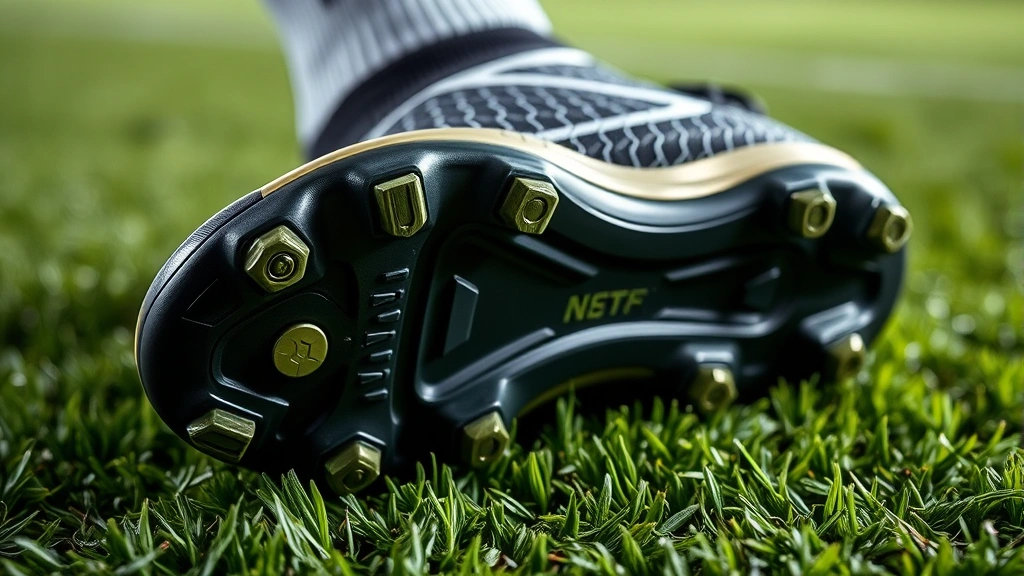
Modern football cleats employ various stud patterns optimized for different surfaces. Conical studs provide excellent all-around traction on natural grass, while bladed studs offer superior grip on artificial turf. The 360-degree pattern found on premium models like the Nike Vapor Edge ensures multidirectional stability during complex footwork. Consider your son’s primary playing surface when selecting cleat configuration—this single factor dramatically impacts performance and injury prevention.
Upper Material and Fit
The upper construction determines comfort, durability, and performance. Synthetic uppers offer excellent durability and weather resistance, while Flyknit and Primeknit materials provide adaptive fit and lightweight responsiveness. The upper should feel snug without creating pressure points, and the heel counter must be structured to prevent ankle roll. Many elite players prefer uppers that cover the ankle slightly, providing additional support during lateral movements.
Cushioning Technology
Impact absorption becomes increasingly important as young athletes mature and training intensity increases. Modern cushioning technologies like Nike’s Zoom Air, Adidas Boost, and Puma’s Nitro Elite all provide responsive energy return without sacrificing ground feel. Excessive cushioning can actually hinder proprioceptive feedback, so optimal cleats balance impact protection with ground contact awareness.
Stability Features
A quality carbon fiber or TPU shank provides essential midfoot support during explosive movements. The shank should be responsive without feeling rigid, allowing natural foot flexion while preventing excessive pronation. Look for cleats with structured heel counters that keep the foot centered during cutting movements—this architectural detail is particularly important for developing athletes whose proprioceptive systems are still maturing.
Cleat Types Explained
Understanding cleat categories helps you make informed decisions based on your son’s specific situation:
Firm Ground (FG) Cleats
FG cleats feature traditional stud configurations optimized for natural grass fields. They’re the most versatile option for most youth football programs and provide excellent traction without excessive stud penetration. These cleats work well on well-maintained grass fields and offer the best balance of performance across various conditions. Most boys football programs recommend FG cleats as the primary option, which is why they dominate the market.
Soft Ground (SG) Cleats
SG cleats feature fewer, larger studs designed for wet or muddy natural grass surfaces. They’re less common in football than in soccer but prove invaluable during rainy season games. If your region experiences significant rainfall during football season, having a pair of SG cleats available provides a performance advantage when field conditions deteriorate.
Artificial Ground (AG) Cleats
AG and artificial grass (AG) specific cleats feature numerous smaller studs that distribute weight across a larger surface area, reducing foot stress on synthetic surfaces. Many modern programs utilize artificial turf, making AG-specific cleats increasingly relevant. These cleats excel at preventing the foot from catching on synthetic fibers, which can increase injury risk.
Multi-Ground (MG) Cleats
MG cleats like the Under Armour Highlight Hybrid combine features from multiple categories, offering respectable performance across various surfaces. While they don’t match specialized options in any single condition, they provide excellent versatility for young athletes playing in multiple venues or programs transitioning between surface types.
Proper Fit and Sizing Guide
Improper fit undermines even the finest cleat technology. Follow these evidence-based guidelines to ensure optimal fit:
Measurement Protocol
Measure your son’s feet in the afternoon when they’re slightly swollen from daily activity—this provides more accurate sizing than morning measurements. Have him stand while measuring, as weight distribution affects foot length. Most boys football cleats should fit snugly in the heel and midfoot while providing approximately half an inch of space in the toe box. This configuration prevents heel slippage during running while accommodating natural toe splay during jumping and cutting.
Trying On Process
Always have your son try on cleats while wearing the socks he’ll wear during games. Have him walk, jog, and perform lateral movements to assess comfort and stability. The heel should remain locked in place without slipping, and the midfoot should feel supported without creating pressure points. Pay particular attention to the lateral ankle area—this region should feel secure without restricting natural ankle movement.
Break-In Period
Quality boys football cleats typically require a brief break-in period of 2-3 hours of activity before reaching optimal comfort. Encourage your son to wear them during practice before game day. This allows the upper material to mold to his foot shape while identifying any potential pressure points that require adjustment. Most young athletes report significant comfort improvements after 3-4 uses.
Growth Considerations
Growing feet present a unique challenge—cleats that fit perfectly today may become cramped within months. Consider purchasing cleats with slightly more generous toe box space to accommodate growth throughout the season. However, excessive space compromises performance and increases injury risk, so balance is critical. Many parents purchase cleats mid-season when the growth rate slows, maximizing the period of optimal fit.
Maintenance Tips for Longevity
Proper maintenance extends cleat lifespan and maintains performance throughout the season:
Cleaning Procedures
After each use, remove caked mud and grass from the studs using a soft brush or cloth. For deeper cleaning, rinse cleats with cool water and allow them to air dry away from direct heat sources. Never use hot water or place cleats near radiators or in direct sunlight, as excessive heat damages the upper material and can warp the sole. Regular cleaning prevents material degradation and maintains traction performance.
Storage Practices
Store cleats in a cool, dry location away from direct sunlight. Use shoe trees or stuff them with newspaper to maintain their shape during off-season storage. Proper storage prevents the upper material from stretching and maintains structural integrity. Consider storing cleats in breathable bags that allow moisture to escape while protecting them from dust and damage.
Stud Maintenance
Inspect studs regularly for wear and damage. Worn studs significantly reduce traction and increase injury risk, particularly on artificial surfaces. Some premium cleats feature replaceable stud systems, allowing you to refresh worn cleats without complete replacement. Check manufacturer specifications to determine if your son’s cleats support stud replacement.
Professional Reconditioning
For cleats that receive heavy use, professional reconditioning services can extend lifespan significantly. These services typically include deep cleaning, stud replacement, upper repair, and sole restoration. For premium cleats representing substantial investment, professional reconditioning often proves more economical than replacement.
FAQ
What’s the best surface for breaking in new boys football cleats?
Break in cleats on natural grass during light practice sessions. Grass provides forgiving surface feedback while allowing your son to assess fit and stability without the intensity of competition. Start with 30-45 minute sessions and gradually increase duration as comfort improves. Avoid breaking in cleats on artificial turf initially, as the increased friction can cause blisters before the upper material fully molds to the foot.
How often should boys football cleats be replaced?
With proper maintenance, quality cleats typically last an entire season of regular use (12-16 weeks). Heavy use, wet conditions, and artificial turf accelerate wear. Inspect cleats monthly for stud wear, upper damage, and structural integrity. Replace cleats when studs wear below 50% original height or when structural damage compromises support and stability. Many young athletes need new cleats annually due to growth, making seasonal replacement a practical necessity.
Are expensive cleats always better than budget options?
Premium cleats offer measurable advantages in technology, materials, and performance, but mid-range options provide excellent value. New Balance and Under Armour cleats typically offer superior performance-to-price ratios compared to budget alternatives. Avoid extremely inexpensive options that sacrifice support and stability—this false economy often leads to injury and poor performance. Invest in cleats from established manufacturers with proven track records in youth sports.
Can boys football cleats be used for other sports?
Football-specific cleats can work for baseball and lacrosse, though sport-specific designs optimize for different movement patterns. Baseball cleats feature different stud configurations optimized for lateral movements and quick stops. While cross-sport use is possible in a pinch, dedicated cleats for each sport provide optimal performance and reduce injury risk. Encourage your son to use football cleats exclusively for football to maximize their performance benefits.
What role do cleats play in avoiding sports injuries?
Proper cleats are foundational to injury prevention. They provide traction that prevents slips, stability that reduces ankle sprains, and support that protects developing bones and joints. Quality cleats enhance proprioceptive feedback, helping young athletes develop better body awareness and movement mechanics. Combined with proper conditioning and technique training, excellent cleats significantly reduce injury risk across all football positions.
How do I know if cleats fit properly?
Properly fitting cleats should feel snug in the heel and midfoot with approximately half an inch of space in the toe box. The heel shouldn’t slip during walking or running, and the midfoot should feel supported without creating pressure points. Have your son perform lateral movements and cutting drills to assess stability. If he experiences any pain or discomfort beyond normal break-in adjustment, the fit is incorrect and adjustments are necessary.
Should I buy boys football cleats online or in stores?
In-store purchases allow proper fitting and immediate assessment, crucial for young athletes whose feet are still developing. However, online shopping offers greater selection and often better pricing. Consider visiting specialty sports retailers for proper fitting, then purchasing online if pricing differs significantly. Many retailers offer free returns, allowing you to try multiple options. Whatever approach you choose, prioritize proper fit over price considerations.
Are synthetic cleats as good as leather cleats?
Modern synthetic materials rival leather in performance while offering superior durability and weather resistance. Synthetic uppers typically require less break-in time and maintain performance longer in wet conditions. Leather provides traditional feel and excellent molding to individual foot shapes. For youth players, synthetic options generally offer better value and performance characteristics. Most elite modern cleats feature synthetic constructions, reflecting the evolution of sports footwear technology.
What’s the connection between cleat selection and fantasy football draft strategy?
While fantasy football focuses on player performance selection, real-world athletic success begins with proper equipment. Young athletes wearing inferior cleats underperform relative to their actual potential, which impacts their development trajectory and future opportunities. Proper cleat investment supports optimal development, ensuring young players reach their full potential—which ultimately benefits their competitive outcomes at all levels.


