
RPO Football: Expert Strategies Explained
The RPO (Run-Pass Option) has revolutionized modern football strategy, giving offensive coordinators a dynamic weapon that keeps defenses guessing on every snap. This hybrid play design combines the efficiency of the running game with the explosive potential of the passing attack, creating one of the most versatile offensive tools in contemporary sports. Whether you’re a coach developing a championship-caliber offense, a player looking to master advanced techniques, or a fan seeking deeper understanding of the game’s tactical evolution, understanding RPO football is essential to appreciating modern offensive innovation.
The beauty of RPO lies in its simplicity masquerading as complexity. The quarterback reads the defense in real-time, making a binary decision that fundamentally alters the play’s outcome. This decision-making process demands exceptional field vision, timing precision, and an intimate understanding of defensive tendencies. Teams that execute RPO schemes effectively gain a significant competitive advantage, controlling tempo and exploiting defensive weaknesses with ruthless efficiency.
What is RPO Football?
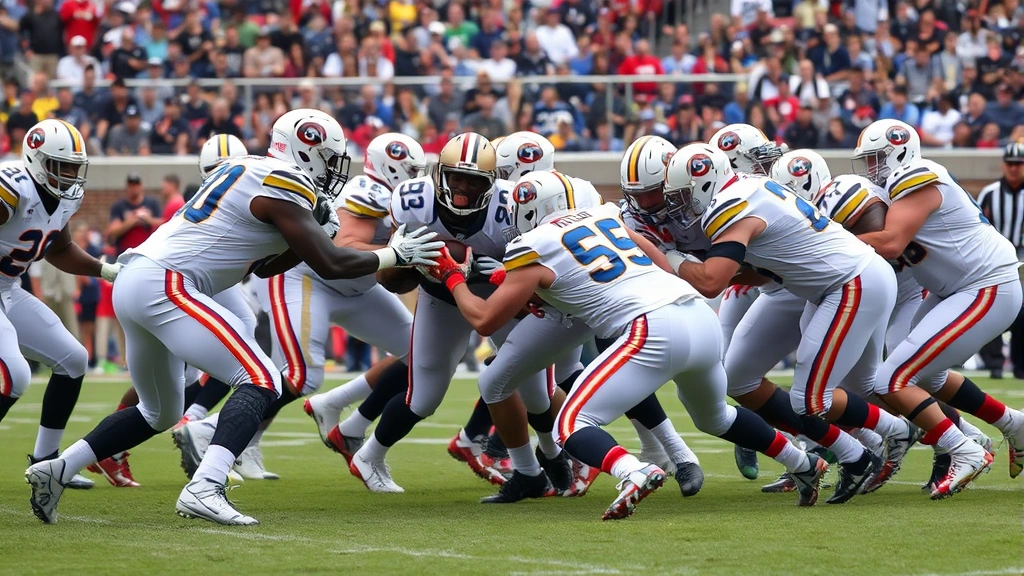
RPO football represents a fundamental shift in offensive philosophy. Unlike traditional play-calling where the quarterback executes a predetermined route tree, RPO empowers the QB to make post-snap decisions based on real-time defensive alignment. The play begins as a running play with the quarterback reading a designated defensive player—typically a linebacker or safety—to determine whether handing off to the running back or throwing downfield produces better results.
The read key is absolutely critical to RPO success. The quarterback identifies which defender’s movement dictates the play’s outcome. If that defender commits to stopping the run, the QB pulls the ball and throws. If the defender retreats or doesn’t commit, the handoff happens. This elegant simplicity masks the sophisticated timing and spatial awareness required for flawless execution. When executed properly, RPO football creates a numbers advantage for the offense, essentially forcing the defense to defend two plays simultaneously.
The RPO concept gained mainstream prominence through NFL teams like the Kansas City Chiefs and college powerhouses like Alabama. These programs recognized that RPO football transforms the quarterback from a pre-determined script executor into a dynamic decision-maker. This evolution reflects broader trends in modern football where player intelligence and adaptability matter as much as physical talent. Understanding fantasy football draft strategy requires comprehending how these offensive innovations affect player performance and production.
Core Components of RPO Plays
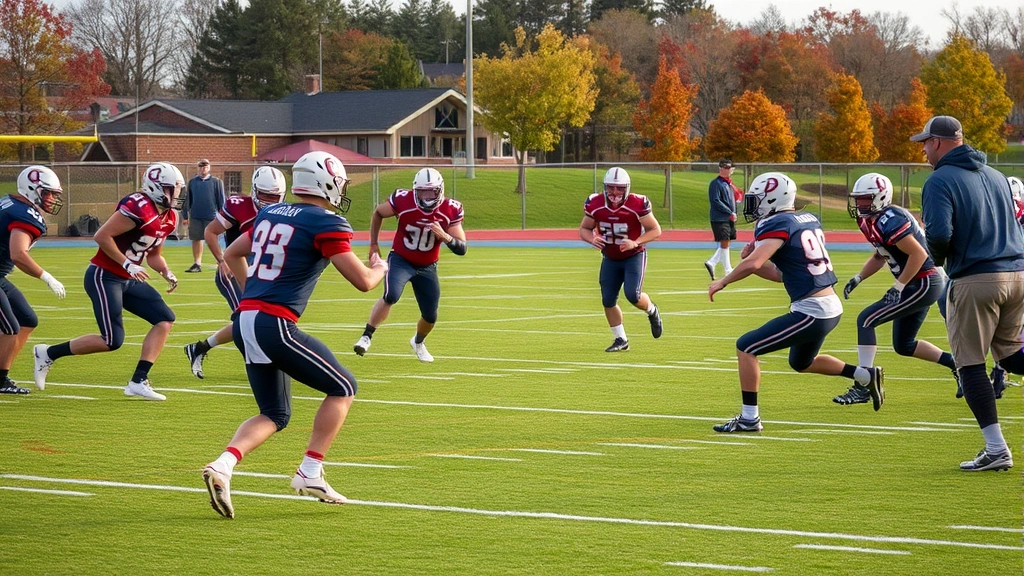
Every successful RPO football play contains several essential elements working in perfect harmony. The run action forms the foundation—the quarterback and running back execute authentic running play footwork. This authenticity is non-negotiable because defensive players read keys based on what they observe. Any hesitation or artificial movement telegraphs the play, destroying the deception.
The receiver progression determines where the quarterback throws if pulling the ball. Typically, one or two receivers run routes specifically designed to exploit defensive coverage tendencies. These routes must develop quickly since the QB only has 1-2 seconds to make the read and decision. Bubble screens, slants, and quick outs commonly serve as RPO football routes because they minimize hang time and create immediate playmaking opportunities.
The blocking scheme requires precision execution from offensive linemen and receivers. Run-blocking principles apply initially, with linemen attacking their designated gaps. However, once the QB pulls the ball, receivers must immediately transition to blocking downfield. This dual-responsibility demands constant communication and film study. Offensive line coaches emphasize that RPO football success depends entirely on flawless blocking execution.
The decision point represents the culmination of all these elements. The quarterback identifies his read key—usually the defensive end or outside linebacker—and commits to his decision within milliseconds. This split-second timing separates elite RPO football practitioners from average executors. The best quarterbacks develop almost instinctual recognition patterns, making reads automatically based on thousands of practice repetitions.
RPO Execution Techniques
Mastering RPO football requires deliberate practice focused on three critical skill areas. Footwork fundamentals must become automatic for quarterbacks. The three-step drop serves as the standard RPO football platform, allowing the QB to maintain proper depth while scanning the defense. Every step follows specific timing patterns coordinated with receiver releases and running back movements. Coaches emphasize that sloppy footwork destroys timing, making the entire concept ineffective.
The read progression demands intense film study and practice reps. Quarterbacks must understand how specific defenses respond to run looks. Safety tendencies, linebacker positioning, and defensive end assignments all influence the read. Elite RPO football quarterbacks develop encyclopedic knowledge of opponent tendencies, anticipating defensive responses before the ball is snapped. This preparation transforms split-second decisions into predetermined answers based on pre-snap analysis.
The decision speed separates exceptional RPO football execution from mediocre attempts. The window for reading and committing typically spans less than two seconds. Hesitation results in negative plays as defenders converge on the backfield. The quickest decision-makers in RPO football possess exceptional field awareness, having practiced thousands of scenarios. Game speed requires summer training camps, fall practices, and countless mental reps during the offseason.
Throwing mechanics must remain consistent even under pressure. RPO football quarterbacks often throw while retreating or moving laterally, requiring exceptional balance and upper-body control. The ball must be thrown accurately despite imperfect platform situations. Receivers running RPO routes must adjust to slightly off-platform throws while maintaining route integrity. This combination of QB mobility and receiver adaptability defines modern RPO football excellence.
Defensive Considerations
Understanding RPO football from a defensive perspective reveals why this offensive concept creates such matchup advantages. Defenses face an impossible dilemma: commit resources to stopping the run and risk getting beaten by the pass, or play pass coverage and get exploited by effective rushing. This tension is precisely why RPO football has become so prevalent in modern offenses.
Smart defensive coordinators employ specific strategies to combat RPO football. Gap discipline becomes paramount, with defenders maintaining their assignments rather than freelancing. Defensive ends must set the edge without overcommitting to the run. Linebackers require exceptional instincts to diagnose plays quickly while maintaining gap responsibility. Safety help over the top prevents explosive passing plays when the QB pulls the ball.
RPO football also demands defensive communication. Constant pre-snap dialogue helps defenders identify likely play tendencies based on offensive formation and personnel groupings. College football predictions often hinge on which defensive unit better diagnoses RPO tendencies. Teams that excel at communicating and executing gap assignments neutralize RPO football’s effectiveness, while undisciplined defenses get shredded by these hybrid plays.
Advanced defenses counter RPO football by disguising coverage looks. Showing coverage pre-snap, then rotating to different alignments post-snap, creates confusion for QB reads. Defensive linemen might slant into different gaps, disrupting the read key. These chess matches between offensive coordinators and defensive coordinators represent football’s highest intellectual level.
RPO vs Traditional Play Calling
RPO football represents a philosophical departure from traditional offensive systems where every play is predetermined. Traditional play-calling offers coaches complete control—they script plays, determine routes, and manage game tempo through predetermined sequences. This approach provides consistency and predictability, valuable qualities when executing complex offensive schemes.
RPO football sacrifices some control for increased flexibility and decision-making authority at the quarterback position. Rather than executing exactly what coaches called, quarterbacks adapt based on real-time defensive alignment. This philosophy values player intelligence and improves offensive efficiency against varied defensive looks. Ranking fantasy football teams requires understanding how these offensive philosophies impact player production and consistency.
The effectiveness comparison depends on execution quality. Elite teams executing traditional systems with precision sometimes outperform teams attempting RPO football without sufficient practice. However, offenses combining traditional plays with RPO football concepts gain significant advantages. The best modern offenses maintain base play calls while incorporating RPO elements strategically. This hybrid approach provides flexibility without completely relinquishing coach-controlled play calling.
Personnel requirements differ between approaches. Traditional offenses value players executing assignments precisely. RPO football requires quarterbacks making excellent decisions consistently, receivers adjusting to imperfect throws, and running backs reading blocks spontaneously. The cognitive demands increase significantly, favoring intelligent, experienced players over raw athletic talent.
Advanced RPO Variations
Multi-read RPO football represents the offensive frontier, where quarterbacks progress through multiple read keys. Rather than simply reading one defender, the QB evaluates several defensive players in sequence, determining the optimal play outcome. This advanced technique demands exceptional processing speed and field vision. Only the elite NFL quarterbacks consistently execute multi-read RPO football with efficiency.
The packaged play combines RPO football with traditional option principles. The running back receives the ball or tosses it to a receiver running a predetermined route. This concept creates additional decision points and offensive flexibility. Packaged plays often attack specific defensive weaknesses identified through extensive film study and opponent analysis.
RPO football screens incorporate bubble screens and jet sweeps into RPO concepts. The quarterback reads whether to execute the screen pass or hand off to the traditional runner. These variations maintain deception while creating explosive playmaking opportunities in space.
RPO football bootlegs move the quarterback laterally, expanding the read window and creating additional throwing lanes. The QB rolls out, reads defensive flow, and either throws the bubble route or continues the run. These variations prove especially effective against aggressive defensive fronts overcommitting to gaps.
Coaching RPO Implementation
Implementing RPO football effectively requires systematic coaching approach emphasizing repetition and communication. Coaches must establish clear read keys communicated consistently throughout the organization. Every player—from quarterbacks to offensive linemen—must understand the specific defensive player determining run versus pass decisions.
Practice structure demands dedicated time for RPO football development. Peak Play Arena Blog covers training methodologies that help teams master these complex concepts. Coaches organize practice periods specifically addressing RPO football execution, utilizing air drills, skeleton drills, and full-team periods. Film study sessions reinforce defensive tendencies, building quarterback pattern recognition.
Communication frameworks must clarify terminology and expectations. Coaches establish specific verbiage for different RPO variations, ensuring everyone understands assignments. Offensive coordinators create playbooks organizing RPO football concepts logically, making installation systematic and comprehensive.
Quarterback development programs should emphasize decision-making under pressure. The American College of Sports Medicine emphasizes that athletic development requires sport-specific training addressing cognitive demands alongside physical capabilities. RPO football quarterbacks need conditioning programs developing decision-making speed and mental acuity.
Film study becomes absolutely essential for RPO football mastery. Coaches compile extensive video breakdowns showing defensive tendencies. Quarterbacks study thousands of defensive formations, identifying patterns enabling faster reads. This preparation transforms game-day decisions into automatic responses based on pre-snap analysis and extensive practice.
Receiver coaching focuses on route precision and adjustment capabilities. RPO football routes demand exactness—receivers must reach specific depths at predetermined times. Additionally, receivers must adjust to slightly off-platform throws resulting from imperfect QB positioning. Route running clinics and one-on-one receiver coaching sessions address these specific demands.
Running back development includes reading blocks and making explosive cuts. RPO football running backs must understand how the line blocks, anticipate hole development, and execute decisive cuts maximizing positive yards. Additionally, they must catch passes on bubble screens and immediate throw options, requiring receiving skill development alongside traditional running back training.
RPO Football Success Metrics
Measuring RPO football effectiveness requires analyzing specific performance indicators. Yards per play represents the most direct efficiency metric. RPO football plays averaging 5+ yards per attempt indicate successful implementation. Comparing RPO football efficiency against traditional play-calling reveals which approach generates superior results in specific situations.
Explosive play percentage tracks plays gaining 10+ yards. RPO football concepts often generate explosive plays by attacking defensive vulnerabilities. High explosive play percentages suggest excellent read execution and receiver performance.
Red zone efficiency measures scoring ability in the most critical field area. RPO football works exceptionally well near the goal line, creating numbers advantages in congested spaces. Offenses converting high percentages of red zone opportunities while utilizing RPO football demonstrate sophisticated implementation.
Time of possession reflects how effectively offenses control tempo. RPO football running plays extend drives, limiting opponent possessions. Teams dominating time of possession while maintaining offensive efficiency typically employ effective RPO football schemes.
Defensive performance metrics also indicate RPO football success. Quarterback hit rates, sack totals, and defensive scoring provide indirect measurements of offensive effectiveness. Defenses struggling against RPO football show elevated sack rates as they overcommit to run-stopping assignments.
RPO Football in Different Contexts
RPO football application varies across organizational levels. Professional football features sophisticated RPO football schemes with elite quarterbacks making split-second decisions against NFL-caliber defenses. Exercise physiology research demonstrates how professional athletes develop exceptional decision-making capabilities through specialized training protocols.
College football has embraced RPO football as a recruiting tool and competitive advantage. Rest of season fantasy football rankings often reflect how college offensive innovations translate to professional success. Top college programs utilize RPO football extensively, developing quarterback skills that transfer directly to professional environments.
High school football increasingly incorporates RPO football concepts adapted for younger players. Simplified read keys and limited variations make RPO football accessible to high school programs. Coaches emphasize fundamental execution before advancing to multi-read complexity.
Youth football benefits from RPO football’s simplicity. Young players grasp the basic concept—run or pass based on defensive alignment—more easily than complex traditional play-calling. RPO football helps young athletes develop decision-making skills early, preparing them for advanced football.
Common RPO Football Mistakes
Indecision represents the most destructive RPO football error. Quarterbacks hesitating between run and pass options create negative plays as defenders converge. Decisive action—even incorrect decisions—typically produces better outcomes than hesitation.
Incorrect read identification occurs when quarterbacks misidentify their read key. Clear communication and extensive film study prevent this mistake. Coaches must establish unambiguous read keys preventing confusion.
Poor blocking execution destroys RPO football effectiveness. Offensive linemen must maintain run-blocking assignments until the QB pulls the ball. Receivers must transition immediately to blocking downfield. Sloppy blocking results in negative plays regardless of QB decision quality.
Receiver misroutes prevent proper spacing and timing. RPO football routes demand precision—receivers must reach specific depths at exact times. Route running coaches emphasize repetition and attention to detail.
Defensive adjustment failures indicate defenses haven’t adequately studied opponent tendencies. Defensive coordinators must prepare specific RPO football counters, communicating defensive assignments clearly.
FAQ
What does RPO stand for in football?
RPO stands for Run-Pass Option. It’s an offensive play where the quarterback decides post-snap whether to hand off to the running back or throw based on defensive alignment.
How do quarterbacks read RPO plays?
Quarterbacks identify a designated defensive player (read key) and commit to their decision based on that defender’s movement. If the read key commits to the run, the QB throws. If the defender retreats, the QB hands off.
Why is RPO football effective?
RPO football forces defenses to defend two plays simultaneously, creating numbers advantages for the offense. It also improves offensive efficiency by adapting to specific defensive looks rather than executing predetermined plays.
What’s the difference between RPO and traditional option plays?
Traditional option plays involve the quarterback deciding between handing off to a running back or keeping the ball. RPO football adds a third element—the quarterback can throw instead of keeping the ball.
Which NFL teams use RPO football most effectively?
The Kansas City Chiefs, Buffalo Bills, and Philadelphia Eagles employ sophisticated RPO football schemes. The NFL has seen increasing RPO adoption across all organizations as teams recognize its competitive advantages.
Can RPO football work at youth levels?
Yes, simplified RPO football concepts work effectively at youth levels. Young players grasp the basic run-pass decision framework. Coaches adjust complexity based on player experience and skill level.
How much practice does RPO football require?
RPO football demands extensive practice emphasizing repetition and communication. Most programs dedicate specific practice periods to RPO football development, combining air drills, skeleton drills, and full-team periods.
What defensive adjustments counter RPO football?
Defenses maintain gap discipline, disguise coverage looks, and communicate extensively. Defensive ends avoid overcommitting to the run, while linebackers execute their assignments precisely. Safety help over the top prevents explosive passing plays.
How does RPO football impact quarterback evaluation?
RPO football demands exceptional decision-making under pressure, field vision, and processing speed. Decision-making research in sports emphasizes that elite quarterbacks develop pattern recognition enabling faster, more accurate reads. Evaluators assess quarterback performance through RPO football success rates.
Are there safety concerns with RPO football?
RPO football doesn’t create unique injury risks compared to traditional plays. Proper technique and conditioning minimize injury potential. All football plays carry inherent contact risks that appropriate training protocols address.


