
Table of Contents
Introduction
The right running shoes? They’re absolute game-changers. We’re talking about the difference between floating through your miles and limping home with blisters. Whether you’re just starting to explore running or you’ve got dozens of races under your belt, your shoes are literally the foundation of everything you do out there. So here’s a question worth asking: are your current shoes actually helping you reach your running goals?
Before you even think about shopping, you need to get honest about your running habits. What kind of surfaces do you usually run on? How many miles are you logging each week? Your running style matters too—and trust me, it’s more unique than you think. If you’re curious about taking your running to the next level, checking out some marathon preparation tips can show you how the right footwear fits into serious training. And here’s something many runners overlook: a good fit prevents those annoying blisters and hot spots that can derail your progress. Speaking of progress, connecting with other runners through building a running community can give you insights you’d never get on your own.
Now, let’s talk terrain. Road running? Trail adventures? Treadmill sessions? Each one demands something different from your shoes. Trail shoes are built tough—they grip rocky paths and handle whatever nature throws at them. Road shoes? They’re all about cushioning those repetitive strikes on pavement. Getting this choice wrong can lead to injuries that’ll sideline you for weeks. That’s why learning how to prevent common sports injuries through smart gear choices is so crucial.
Here’s where most people mess up: they think shoe size is just about length. Wrong. Your feet swell throughout the day, so that morning try-on session? Pretty much useless. Shop for shoes in the evening when your feet are at their largest. Bring your actual running socks—those thick cotton ones from your dresser drawer don’t count. You want wiggle room for your toes but a snug heel that won’t slip around. And while we’re talking about taking care of your body, adding activities like cycling for fitness can actually make you a stronger, more well-rounded runner.
What You’ll Learn in This Guide
We’re going to walk through everything you need to know to find your perfect running shoe match. No overwhelming technical jargon—just the stuff that actually matters for your feet and your goals.
- Understanding Your Running Style and Terrain: We’ll break down the different types of running—road, trail, treadmill—and help you figure out exactly what your feet need based on where and how you like to run.
- Achieving the Perfect Fit: You’ll learn the right way to measure your feet, why timing matters when you shop, and how to test shoes properly so you don’t end up with expensive mistakes.
- Evaluating Key Features: We’ll dive into cushioning, arch support, durability, and grip. You’ll understand which features matter most for your specific running style and body mechanics.
- Knowing When to Replace Your Running Shoes: Learn to spot the warning signs that your shoes are done—from worn-out cushioning to those new aches and pains that seem to come out of nowhere.
Throughout this guide, you’ll get practical advice that comes from real running experience. We’ll show you how the right shoes can keep you injury-free and actually improve your performance. And if you want to work on your overall athletic coordination, exploring tips for improving hand-eye coordination can complement your running development beautifully.
Look, shopping for running shoes can feel overwhelming—I get it. There are hundreds of options, and everyone has an opinion about what works best. But here’s the thing: finding the right pair doesn’t have to be complicated. Once you understand what to look for (and what to ignore), the choice becomes pretty clear. The right shoes will transform every single run you take.
Ready to find your perfect running partner? Let’s dig into what really matters when choosing shoes that’ll support you through countless miles. Your best runs are waiting—and they start with getting this decision right.
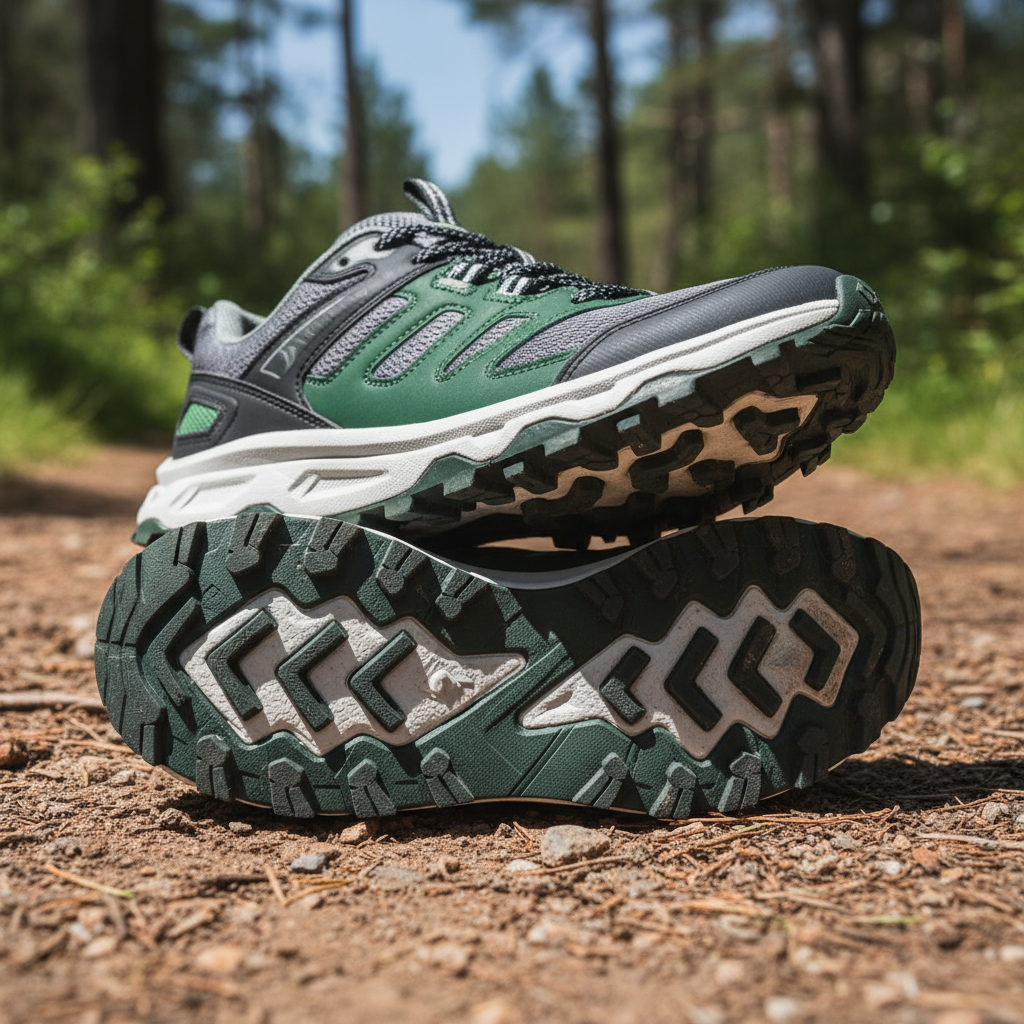
Here’s the truth about running shoes: they’re not just fancy sneakers with a higher price tag. The right pair can be the difference between loving your runs and dreading them. Think about it—your feet are going to hit the ground thousands of times during each run, so you want shoes that actually work with your body, not against it. Getting this choice right means fewer injuries, better performance, and way more enjoyable miles ahead. But here’s where most people mess up: they focus on looks or brand hype instead of what their specific running style actually needs.
Understanding Your Running Needs
Before you even step foot in a store (or start browsing online), you need to get honest about your running habits. Are you a road warrior who loves pounding pavement? A trail enthusiast who can’t resist those rocky paths? Or maybe you’re stuck on the treadmill most days because life gets crazy. Each scenario demands totally different shoe features. Road runners need that sweet cushioning and flexibility for repetitive pavement strikes. Trail runners? You’re looking at aggressive traction and durability to handle whatever Mother Nature throws at you.
But wait—there’s more to consider than just where you run. How often are you lacing up? If you’re the type who runs a couple times a week for fun, your priorities will be different from someone training for their third marathon. Casual runners can focus more on comfort and style, while serious runners need shoes built like tanks that can handle serious mileage without falling apart. Your foot mechanics matter too (yes, really). Some people have flat feet, others have sky-high arches, and some fall somewhere in between. Ignoring this is like wearing the wrong prescription glasses—technically functional, but not doing you any favors. For runners dealing with injury-prone areas, checking out sports injury prevention strategies can be a game-changer. And if you’re training for something big, expert marathon preparation tips offer solid guidance on gear selection.
Key Aspects of Understanding Running Needs
Here’s what you really need to figure out about your running style:
- Running Terrain and Style: Different surfaces require specific shoe features. Road running demands cushioning and flexibility, while trail running needs extra traction and durability to handle uneven paths.
- Frequency and Distance: Casual joggers might prioritize comfort over durability, whereas frequent long-distance runners need shoes that offer high endurance and impact absorption.
- Foot Mechanics: Knowing if you have flat feet, high arches, or a neutral foot shape can guide selection of appropriate arch support and stability features in shoes.
- Injury History: Past injuries such as shin splints or plantar fasciitis highlight the need for shoes that provide additional support or cushioning tailored to those problem areas.
Once you’ve got a clear picture of what you actually need (not what the marketing wants you to think you need), you’re ready to tackle the fun part: finding shoes that actually fit.
Finding the Right Fit and Comfort
Okay, let’s talk about something that’ll save you from a world of hurt—literally. Getting the right fit isn’t just about grabbing your usual size and calling it good. Your feet swell throughout the day, so shopping for running shoes in the morning is like buying jeans after Thanksgiving dinner—the sizing’s going to be off. Shop in the afternoon or evening when your feet are at their largest. Trust me on this one.
Here’s where it gets interesting: bring the socks you actually run in when you’re trying on shoes. Sounds obvious, right? But you’d be amazed how many people try on running shoes with dress socks or go barefoot. The thickness of your running socks absolutely affects how the shoe fits. You want enough room in the toe box so your toes aren’t cramped (about a thumb’s width of space), but not so much that you’re swimming in there. And that heel? It should feel snug without being tight—like a firm handshake, not a death grip. A loose heel means blisters and instability, especially when you hit those hills or trail sections. Speaking of running efficiency, if you’re curious about how proper form ties into all this, improving running form covers how everything from your shoes to your stride works together.
Key Aspects of Finding the Right Fit and Comfort
Consider these important points for optimal shoe fit and comfort:
- Accurate Foot Measurement: Measure length and width with running socks at day’s end to reflect actual foot dimensions, preventing tightness or looseness.
- Toe Box Space: Ensure 1/2 inch to 1 inch of space between your longest toe and the shoe’s front to allow movement and reduce pressure points.
- Heel Fit: A secure, snug heel minimizes slippage and supports stability, critical for reducing blisters and maintaining proper gait.
- Try Different Brands and Models: Sizing can vary significantly across manufacturers—trying various options helps find the best match for your foot shape and comfort.

Here’s the thing about running shoes—getting the right pair isn’t just shopping, it’s setting yourself up for success. When you understand what your feet actually need (your terrain, how often you run, those longer distances, and yes, even your quirky foot mechanics), you’re already ahead of the game. Because let’s be honest: nothing ruins a good run quite like shoes that don’t fit right. Blisters? Discomfort? Those aren’t just annoying—they’re injury invitations you definitely don’t want to RSVP to.
And here’s something most runners learn the hard way: knowing when to replace your shoes is just as important as picking them in the first place. When that cushioning starts feeling flat and your feet are sending you not-so-subtle hints after every run? Time for a new pair. Your body will thank you.
The features that matter—cushioning, arch support, how long they’ll last, and grip—need to match where and how you run. Road runners need that extra cushioning to handle all that repetitive pounding on pavement. Trail runners? You need shoes that can grip and won’t fall apart when faced with rocks, roots, and whatever else the trail throws at you. (And trust me, trails will test your gear.)
Here’s a pro tip that sounds simple but makes a huge difference: measure your feet properly and try shoes on later in the day with your actual running socks. Your feet swell throughout the day, so that afternoon fit is going to be way more accurate than your 9 AM shopping trip. When your shoes support proper alignment and actually absorb shock the way they should, you’re building a foundation for injury-free running. Pretty smart investment, right?
Ready to take your running to the next level? Start with your new shoes, but don’t stop there. Working on exercises to improve hand-eye coordination might sound random, but it actually sharpens your reaction time and overall athletic performance. Planning to tackle longer distances? The expert advice on marathon preparation covers everything from endurance building to nutrition strategies that actually work. And since we’re talking about staying healthy, learning how to avoid sports injuries will keep you running consistently instead of sidelined. Want to mix things up? Those fitness challenges for beginners can add some fun variety while building strength that supports your running.
Choosing running shoes isn’t just another purchase—it’s an investment in every mile you’ll log from here on out. You’ve got the knowledge now, and you’ve got practical next steps to explore. So lace up those properly fitted shoes and hit your favorite route with confidence. Every great run starts with taking care of the basics, and that foundation you’re building today? It’s going to carry you through countless miles ahead. Your best running days are coming—they start with every smart choice you make right now.
Frequently Asked Questions
-
How often should I replace my running shoes?
- Typically, running shoes should be replaced every 300-500 miles or when you notice signs of wear such as worn soles, reduced cushioning, or new discomfort during your runs.
-
Can I use running shoes for walking?
- Yes, running shoes can be used for walking, but walking shoes are specifically designed for different gait and comfort needs, so the choice depends on your usage and comfort preferences.
-
Should I go for a shoe with more cushioning?
- The amount of cushioning you need depends on your running style, body weight, and personal comfort. Try different shoes to find what feels best for your feet and running goals.
-
Is it important to get professionally fitted?
- Professional fitting can greatly help ensure the best match for your foot type and running style, reducing injury risk and improving comfort significantly.


