
Football SVG Designs? Expert Insights on Digital Vector Graphics for the Game
Football SVG designs have revolutionized how teams, fans, and digital creators represent the beautiful game across web platforms, merchandise, and marketing materials. Scalable Vector Graphics (SVG) offer unparalleled flexibility, allowing logos, icons, and illustrations to maintain crisp quality at any size—from tiny social media avatars to massive stadium displays. Whether you’re a graphic designer, team administrator, or passionate fan exploring digital content creation, understanding football SVG design principles is essential for producing professional, engaging visuals that capture the sport’s dynamic energy.
This comprehensive guide explores the world of football SVG designs, from technical specifications to creative best practices. We’ll examine why vectors have become the industry standard, showcase practical applications, and provide expert insights into creating or sourcing high-quality football graphics that resonate with audiences worldwide. Whether you’re designing for professional teams, fantasy leagues, or personal projects, mastering football SVG design elevates your digital presence and strengthens your connection with the sport.
What Are SVG Files and Why Football Teams Use Them
Scalable Vector Graphics (SVG) represent images using mathematical equations rather than pixel-based data. Unlike raster formats like PNG or JPG, SVG files contain code that describes shapes, lines, and colors—enabling infinite scalability without quality loss. This fundamental difference makes SVG the gold standard for football design applications where visual clarity matters across multiple platforms and sizes.
Professional football organizations, from major leagues to grassroots clubs, have adopted SVG technology for several compelling reasons. First, SVG files remain exceptionally small compared to high-resolution raster images, reducing bandwidth consumption and improving website loading speeds—critical factors for fan engagement and search engine optimization. Second, the format’s text-based nature allows for easy customization and animation, enabling dynamic visual experiences that enhance fan interaction and social media content. Third, SVG graphics scale perfectly across all devices, from smartphone screens to 4K displays, ensuring consistent brand representation regardless of viewing platform.
The Peak Play Arena blog recognizes how modern football organizations leverage vector graphics to strengthen their digital identity. Whether creating football quotes graphics for inspiration or designing comprehensive brand systems, SVG technology provides the foundation for professional, scalable visual communication. Major leagues, club merchandising departments, and fantasy sports platforms all depend on SVG designs to deliver consistent, high-quality imagery that resonates with fans and maintains brand integrity across touchpoints.
Football SVG Design Principles and Best Practices
Creating effective football SVG designs requires understanding both technical specifications and design aesthetics. The most successful football graphics balance visual impact with functional simplicity, ensuring designs remain recognizable at any scale while maintaining the sport’s dynamic energy and competitive spirit.
Color Strategy and Team Identity
Football team colors carry immense psychological and cultural weight. Your SVG design must respect established color palettes while creating visual hierarchy that guides viewer attention. Expert designers recommend using no more than three primary colors in SVG designs, allowing secondary colors to emerge through contrast and layering. This restraint ensures designs remain clear at small sizes while maintaining visual sophistication. When designing SVG graphics for team merchandise or digital platforms, consistency with official brand guidelines proves absolutely essential for brand recognition and fan loyalty.
Simplification for Scalability
The primary advantage of SVG technology—infinite scalability—requires thoughtful design simplification. Complex details that appear crisp in large formats may become illegible when scaled down to favicon or social media thumbnail sizes. Expert football SVG designers embrace minimalism, using bold lines, clean shapes, and strategic negative space to create designs that function beautifully at any dimension. This approach doesn’t sacrifice sophistication; rather, it demonstrates mastery of visual communication through essential elements.
Typography and Legibility
Football SVG designs frequently incorporate text—team names, player numbers, slogans, or motivational messaging. Selecting appropriate fonts and sizing them correctly ensures readability across all applications. Sans-serif typefaces typically perform better in SVG formats due to their geometric simplicity and excellent scalability. When embedding fonts in SVG files, designers must account for font licensing and consider converting text to paths for universal compatibility across different systems and browsers.
Animation and Interactivity
One of SVG’s most powerful capabilities involves animation and interactivity. Football graphics can incorporate hover effects, loading animations, or interactive elements that engage fans and enhance user experience. Animated SVG designs work exceptionally well for:
- Social media content and promotional graphics
- Website header animations and transitions
- Fantasy football league interfaces and score displays
- Mobile app graphics and interactive features
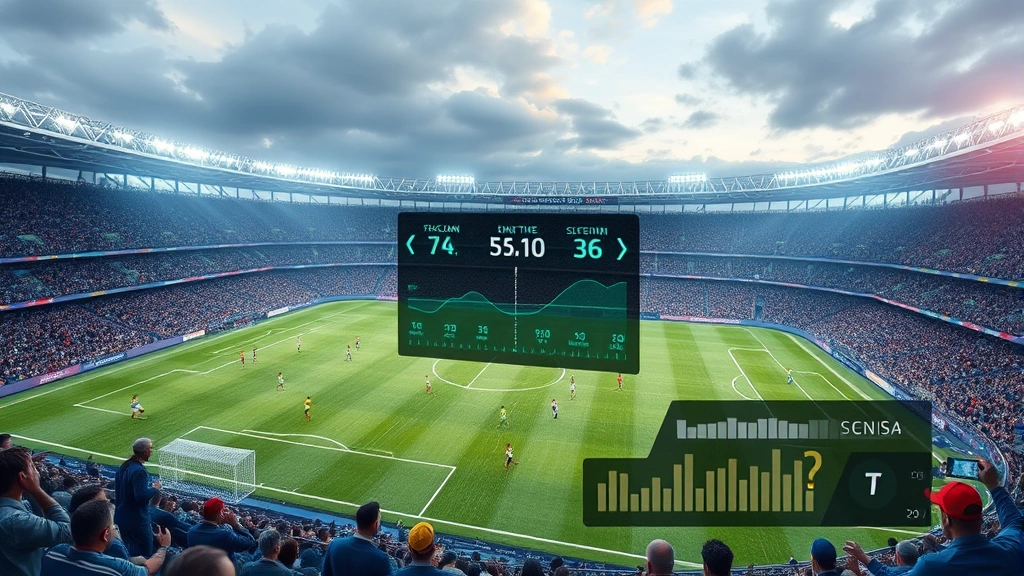
- Live game coverage and real-time statistics visualization
These interactive elements transform static graphics into engaging digital experiences that capture attention and encourage fan participation across digital platforms.
Practical Applications for Football SVG Designs
Football SVG designs serve countless practical functions across professional, amateur, and fan communities. Understanding these applications helps designers create graphics that solve real problems while delighting audiences.
Team Branding and Logo Systems
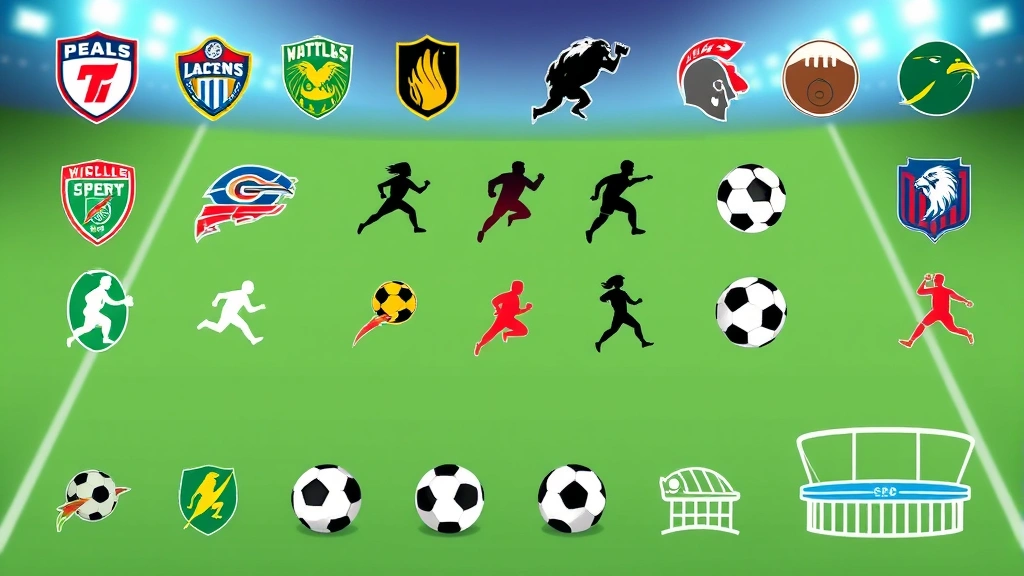
Professional football organizations maintain comprehensive SVG libraries containing primary logos, secondary marks, wordmarks, and icon variations. This systematic approach ensures brand consistency across merchandise, digital platforms, stadium signage, and broadcast graphics. SVG-based logo systems allow teams to quickly adapt their visual identity for different contexts—horizontal layouts for websites, vertical arrangements for social media, simplified versions for small applications—without recreating assets from scratch.
Fantasy Football and Gaming Graphics
The fantasy football industry relies heavily on SVG designs for player cards, team logos, scoring displays, and interactive league interfaces. These graphics must load quickly on mobile devices while maintaining visual appeal and functional clarity. Exploring fantasy football names often involves visualizing team identities through custom SVG designs that reflect player preferences and league culture. Fantasy platforms use SVG technology to create dynamic, responsive interfaces that adapt seamlessly across smartphones, tablets, and desktop computers.
Social Media Content and Engagement
Football SVG designs excel in social media applications where file size, scalability, and quick loading matter tremendously. Teams and content creators use SVG graphics for:
- Match preview and result graphics
- Player highlight reels and statistics visualizations
- Motivational content and fan engagement posts
- Event announcements and promotional materials
- Interactive polls and fan voting graphics
The ability to customize SVG designs quickly—changing colors, text, or player information—makes them invaluable for content teams managing multiple social media channels with frequent posting schedules.
Merchandise and Print Applications
Football merchandise manufacturers prefer SVG designs because they scale perfectly for various applications—from small embroidery designs to large-format printing. SVG files provide manufacturers with clean vector data that translates accurately across production methods, whether screen printing, embroidery, heat transfer, or direct-to-garment printing. This versatility ensures that fan merchandise maintains visual integrity and brand consistency regardless of production technique or final product size.
Stadium and Broadcast Graphics
Modern sports broadcasting relies on SVG technology for real-time graphics, score displays, player statistics, and animated transitions. These graphics must render perfectly on 4K displays while remaining lightweight enough for live broadcast systems. SVG’s scalability ensures broadcast graphics maintain crisp quality on massive stadium screens while functioning equally well on television broadcasts reaching millions of viewers.
Tools and Software for Creating Football SVG Graphics
Numerous professional tools enable designers to create football SVG graphics, ranging from beginner-friendly web applications to advanced professional software. Your choice depends on experience level, budget, and specific project requirements.
Professional Design Software
Adobe Illustrator remains the industry standard for vector graphics creation. Its comprehensive toolset, extensive tutorials, and professional-grade features make it the go-to choice for studios and professional designers creating football SVG designs. Illustrator’s ability to export clean, optimized SVG code ensures maximum compatibility and performance across platforms.
CorelDRAW offers powerful vector design capabilities with an intuitive interface and robust SVG export options. Many professional designers appreciate CorelDRAW’s performance and affordability compared to Adobe’s subscription model, making it an excellent choice for independent creators and small studios.
Web-Based and Freemium Solutions
Inkscape provides free, open-source vector design software with impressive capabilities for creating and editing SVG files. While it requires a steeper learning curve than some alternatives, Inkscape’s powerful features and active community support make it an excellent choice for designers seeking professional results without software costs.
Figma revolutionized collaborative design by offering cloud-based vector creation with real-time teamwork capabilities. Football organizations and design agencies increasingly use Figma for creating and iterating on SVG designs, with multiple team members contributing simultaneously. Figma’s built-in SVG export and prototyping capabilities streamline the design-to-production workflow.
Gravit Designer combines professional-grade tools with a user-friendly interface and cloud-based workflow. It’s particularly well-suited for designers creating SVG graphics for web applications and digital platforms.
Specialized Football Design Resources
Beyond general design software, specialized platforms and template libraries offer pre-designed football SVG assets that accelerate project timelines. These resources provide customizable templates for logos, player cards, match graphics, and league interfaces—enabling even non-designers to create professional football visuals through straightforward customization workflows.
Optimization Strategies for Web Performance
Creating beautiful football SVG designs means little if they fail to load quickly or render properly across browsers. Optimization ensures your graphics perform excellently in real-world conditions while maintaining visual quality.
File Size Reduction
SVG files can become unnecessarily large through inefficient code and redundant elements. Professional optimization tools like SVGO automatically remove unnecessary metadata, simplify paths, and minimize code without affecting visual appearance. A well-optimized football SVG design might be reduced by 50-70% through systematic cleanup, dramatically improving load times for web applications and mobile experiences.
Browser Compatibility and Fallbacks
While SVG enjoys excellent modern browser support, comprehensive testing ensures your football designs display correctly across all platforms and devices. Designers should provide PNG fallbacks for older browsers and test SVG rendering on various devices to identify potential compatibility issues before deployment.
Responsive Design Considerations
Football SVG designs should adapt gracefully across different viewport sizes and device orientations. Implementing responsive SVG techniques—using viewBox attributes, preserving aspect ratios, and testing across breakpoints—ensures your designs look perfect whether viewed on a smartwatch, smartphone, tablet, or desktop display.
Animation Performance
Animated football SVG designs must balance visual appeal with performance efficiency. Using CSS animations rather than JavaScript-based solutions typically provides better performance, while minimizing animation complexity ensures smooth playback even on lower-powered mobile devices. Professional designers test animations across various devices to ensure they enhance rather than detract from user experience.
Finding and Licensing Football SVG Assets
Not every organization has in-house design capabilities to create football SVG designs from scratch. Numerous resources provide high-quality, licensed football graphics for various applications.
Official League and Team Resources
Major football leagues often provide official SVG assets for licensed content creators, broadcasters, and partners. These resources ensure brand consistency while enabling partners to create professional content using authentic team logos and graphics. Checking official league websites or contacting media relations departments provides access to these valuable resources.
Professional Asset Libraries
Stock graphics platforms like Shutterstock, Adobe Stock, and Getty Images offer extensive collections of football SVG designs, from team logos to player illustrations. These professionally-created assets save time while ensuring quality, though they typically require appropriate licensing for commercial applications.
Freelance Designer Networks
Platforms like Fiverr, Upwork, and specialized design marketplaces connect organizations with talented SVG designers who create custom football graphics tailored to specific needs. This approach offers flexibility and customization while supporting independent creative professionals.
Open Source and Creative Commons Resources
Communities like Wikimedia Commons and OpenSVG provide football graphics under open-source or Creative Commons licenses, enabling free or low-cost access to quality designs. These resources prove particularly valuable for grassroots organizations, student clubs, and non-profit football initiatives with limited budgets.
Design Inspiration and Community Resources
Exploring football trivia and sports history often sparks creative SVG design ideas rooted in authentic football culture. Community forums, design blogs, and sports design showcases provide inspiration and practical insights from professional designers working on football projects.
FAQ
What’s the difference between SVG and other image formats for football graphics?
SVG files use mathematical code to describe images, allowing infinite scalability without quality loss. Unlike raster formats (PNG, JPG) that store pixel data and lose quality when enlarged, SVG graphics maintain crisp clarity at any size. This makes SVG ideal for football designs that appear across multiple platforms and sizes. SVG files are also typically much smaller than high-resolution raster images, improving website performance and user experience.
Can I animate football SVG designs?
Absolutely. SVG supports animation through CSS, JavaScript, or SMIL animation. Football organizations use animated SVG designs for social media content, website interactions, and live broadcast graphics. Animations might include player movement, score updates, or visual effects that engage fans and enhance digital experiences without requiring video files.
How do I ensure my football SVG designs work across all browsers and devices?
Test your SVG designs across multiple browsers (Chrome, Firefox, Safari, Edge) and devices (smartphones, tablets, desktops). Use responsive SVG techniques, provide PNG fallbacks for older browsers, and validate your SVG code for compatibility. Tools like BrowserStack enable comprehensive cross-browser testing, while browser developer tools help identify rendering issues specific to particular platforms.
What are the best practices for football SVG file naming and organization?
Organize SVG files using clear, descriptive naming conventions that reflect content and purpose. For example: “team-logo-primary.svg,” “player-card-template.svg,” or “match-graphic-animation.svg.” Store files in logical folder structures that mirror your design system, making files easy to locate and manage as your asset library grows. This organizational approach proves essential for teams managing hundreds of SVG files across multiple projects.
How do I optimize football SVG files for web performance?
Use optimization tools like SVGO to automatically reduce file size by removing unnecessary metadata and simplifying paths. Minimize animation complexity, use CSS animations instead of JavaScript when possible, and implement lazy loading for SVG graphics below the fold. Compress SVG files using gzip compression on your server, and consider converting frequently-used SVG designs to sprite sheets for improved loading efficiency.
Can I use football SVG designs for commercial merchandise?
Yes, but only if you have appropriate licensing. Official team logos and league graphics require licensing agreements with the organizations that own them. Custom SVG designs you create or commission are yours to use commercially, provided you haven’t infringed on existing intellectual property. Always verify licensing terms before using any football SVG design for merchandise or commercial applications.
What skills do I need to create professional football SVG designs?
Strong foundational skills in design principles, color theory, and typography provide the foundation for excellent football SVG work. Technical proficiency with vector design software like Adobe Illustrator or Inkscape is essential, along with understanding SVG code for optimization and animation. Many professional football SVG designers also possess knowledge of web technologies, responsive design, and user experience principles to create graphics that function beautifully across digital platforms. Check out top 10 sports in the world to understand football’s global design and cultural significance.
Where can I find inspiration for football SVG design projects?
Professional sports design showcases, team branding case studies, and design award sites like AIGA (American Institute of Graphic Arts) showcase exceptional football design work. Following sports design studios on social media, exploring Dribbble and Behance portfolios, and studying historic and contemporary team logos provides endless inspiration. Engaging with college football predictions content helps understand the sport’s cultural significance and design storytelling opportunities.


