Bosnia’s Football Fitness Secrets: Coach Insights from the Bosnia and Herzegovina Football Squad
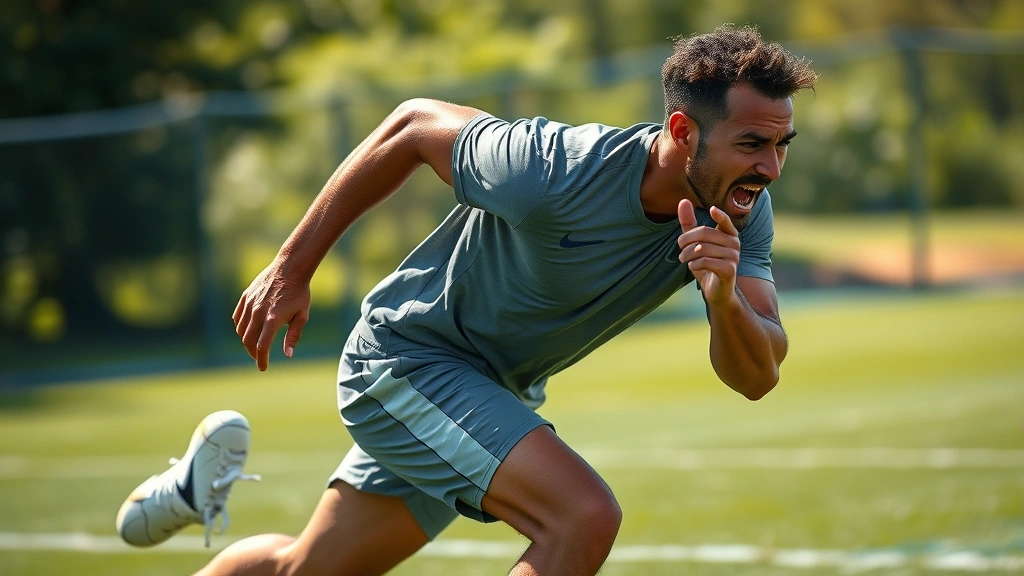
The Bosnia and Herzegovina football squad has quietly become one of Europe’s most physically demanding teams to face. What many fans don’t realize is that their competitive edge comes not from flashy tactics alone, but from scientifically-backed fitness methodologies that have transformed how their players train, recover, and perform on the pitch. In this comprehensive guide, we’ll explore the conditioning secrets that have made Bosnia a formidable opponent in international football, drawing insights from their coaching staff and sports science approach.
Over the past decade, Bosnia and Herzegovina has developed a reputation for fielding athletes with exceptional cardiovascular capacity, explosive power, and mental resilience. Their success in qualifying campaigns and tournament performances isn’t accidental—it’s the result of deliberate, systematic fitness programming that combines Eastern European training traditions with modern sports science. Whether you’re a football enthusiast, aspiring player, or fitness professional, understanding these methodologies can revolutionize how you approach athletic conditioning.
The Bosnia and Herzegovina Football Squad: Foundation of Excellence
The Bosnia and Herzegovina national team operates under a fitness philosophy that prioritizes functional athleticism over isolated strength metrics. Their coaching staff recognizes that football demands a unique blend of aerobic endurance, anaerobic power, agility, and tactical intelligence. Unlike some national programs that focus exclusively on technical skills, Bosnia’s approach integrates comprehensive physical conditioning from youth development through senior international levels.
According to research published by the American College of Sports Medicine (ACSM), elite football players must maintain work-to-rest ratios that reflect match demands. Bosnia’s coaching philosophy aligns perfectly with this science, implementing training sessions that replicate the intense 5-10 second sprints followed by 20-30 second recovery periods that characterize professional football. Their emphasis on Peak Play Arena’s training insights shows how conditioning directly translates to match success.
The squad’s success stems from understanding that football fitness isn’t monolithic. Defenders need different conditioning profiles than attacking midfielders. Goalkeepers require distinct power and reaction training. Bosnia’s coaching staff has invested in individualized assessment protocols, ensuring each player receives programming tailored to their positional demands, anthropometric characteristics, and developmental stage.
High-Intensity Interval Training: The Core Philosophy
At the heart of Bosnia and Herzegovina’s fitness system lies High-Intensity Interval Training (HIIT), a methodology backed by extensive peer-reviewed research. HIIT involves alternating periods of maximal effort with controlled recovery, precisely mimicking football’s intermittent nature. The beauty of this approach is its efficiency—players achieve greater physiological adaptations in shorter timeframes compared to traditional steady-state running.
Bosnian coaches implement several HIIT protocols throughout their training calendar. The Yo-Yo Intermittent Recovery Test serves as their primary assessment tool, measuring players’ ability to perform repeated high-intensity efforts with brief recovery periods. This test directly correlates with match performance, making it invaluable for monitoring fitness progression. Players consistently achieving high Yo-Yo scores demonstrate superior ability to maintain explosive movements throughout 90-minute matches.
Their training sessions typically incorporate 4-6 minute blocks of high-intensity work structured around football-specific movements: acceleration sprints, directional changes, and explosive jumps. Recovery periods of 60-90 seconds allow partial restoration of phosphocreatine systems while maintaining elevated heart rates. This approach, documented in sports science journals, triggers significant adaptations including increased mitochondrial density, improved lactate threshold, and enhanced oxygen utilization.
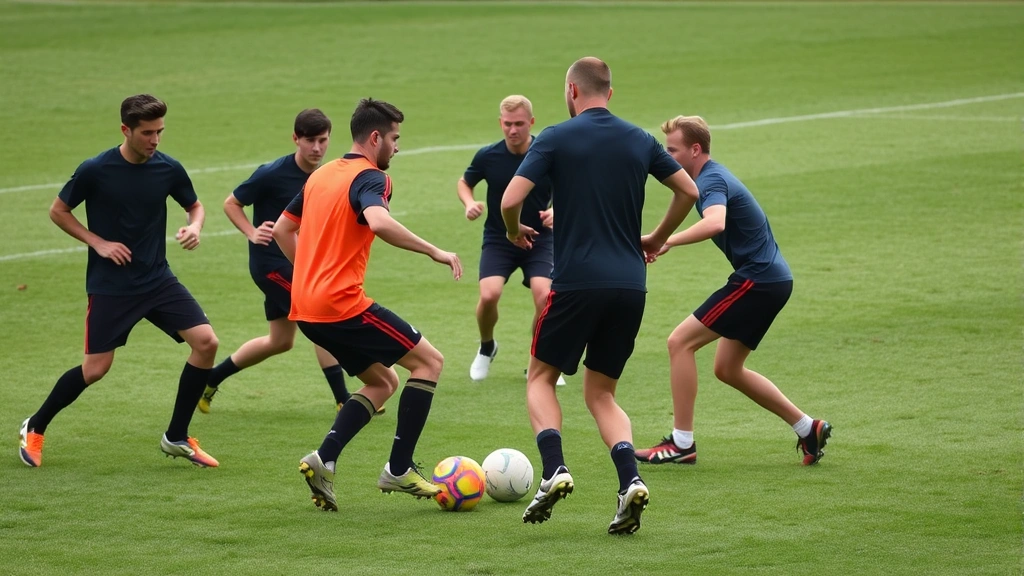
What distinguishes Bosnia’s HIIT implementation is its integration with technical football skills. Rather than abstract treadmill intervals, players perform high-intensity drills involving ball manipulation, directional acceleration, and positional play. This ensures conditioning gains directly transfer to match situations, eliminating the disconnect between training and competition demands.
Periodization and Strategic Planning
Bosnia’s coaching staff employs periodized training structures that systematically vary intensity, volume, and focus throughout the year. Rather than maintaining constant high-intensity training, which would lead to overtraining and diminished returns, they strategically manipulate training variables to peak during critical competitions.
The typical annual cycle includes several phases: a general preparation phase emphasizing aerobic base development and muscular endurance, a specific preparation phase incorporating football-specific HIIT and power development, a competition phase maintaining fitness while prioritizing technical rehearsal and tactical execution, and a transition phase allowing recovery and regeneration.
During the general preparation phase (typically 6-8 weeks), players accumulate aerobic volume through varied-intensity running, extensive warm-ups, and lower-intensity technical work. This foundation is essential, as research from the ACSM demonstrates that superior aerobic capacity enables better recovery between high-intensity efforts and reduces injury risk. Bosnia’s coaches understand that rushing into intense training without adequate aerobic foundation compromises both performance and safety.
The specific preparation phase introduces football-specific HIIT, small-sided games (2v2 to 5v5 formats), and explosive power development. These sessions demand maximal effort but occur less frequently than aerobic work, typically 2-3 times weekly, allowing adequate recovery. Coaches monitor internal training load using session-RPE (Rating of Perceived Exertion) methodology, ensuring players accumulate appropriate stress without exceeding recovery capacity.
Competition phases maintain fitness through reduced-volume, high-intensity sessions focused on maintaining power, speed, and tactical sharpness. Bosnia’s coaches recognize that during match weeks, extensive training volume can impair recovery and increase injury risk. Instead, brief, intense sessions sustain fitness adaptations while preserving energy for matches.
Recovery Protocols and Injury Prevention
What separates elite programs from mediocre ones often comes down to recovery sophistication. Bosnia’s coaching staff treats recovery as actively as they treat training, recognizing that adaptations occur during rest periods, not during exertion. Their integrated approach includes physiological recovery strategies, psychological stress management, and injury prevention protocols.
The squad implements comprehensive recovery modalities: ice baths and contrast therapy for inflammatory management, soft tissue mobilization addressing muscular tension, sleep optimization protocols ensuring 8-10 hours nightly, and strategic nutrition timing maximizing protein synthesis. These aren’t luxury amenities but scientifically-validated interventions that accelerate adaptation and reduce injury risk.
Bosnia’s injury prevention strategy emphasizes movement screening and individualized corrective exercise. Players undergo functional movement assessments identifying imbalances, mobility restrictions, or stability deficits that predispose to injury. Rather than generic programs, coaching staff prescribe targeted interventions addressing each athlete’s unique limitations. This proactive approach, supported by extensive research in sports medicine, significantly reduces injury incidence.
Neuromuscular control training, particularly eccentric strengthening and proprioceptive work, features prominently in Bosnia’s programming. These interventions strengthen stabilizer muscles and improve movement quality, reducing non-contact injury risk—the most common injury type in football. Hamstring and ACL injury prevention programs receive particular emphasis given their prevalence and performance impact.
Mental Conditioning and Psychological Resilience
Bosnia’s fitness philosophy extends beyond physical metrics to encompass psychological conditioning. Their coaching staff recognizes that mental resilience determines performance under pressure, particularly in high-stakes international competitions. Psychological training integrates throughout their annual cycle, not as separate sessions but as embedded components of physical training.
Stress inoculation training features prominently—deliberately creating challenging training scenarios that demand mental toughness. Progressive overload in physical training serves dual purposes: building physical capacity while strengthening psychological resilience through managed discomfort. Players learn to tolerate and manage fatigue, understanding that pushing through challenging sensations is normal and productive.
Visualization and mental rehearsal protocols prepare players for match scenarios before experiencing them physically. This mental preparation, well-documented in sports psychology research, reduces performance anxiety and enhances decision-making under pressure. Bosnia’s coaching staff emphasizes that football success requires not just physical fitness but mental fortitude to execute under demanding competitive conditions.
Goal-setting frameworks provide purpose and motivation for training. Rather than abstract fitness targets, players establish meaningful objectives tied to team success and personal development. This psychological approach, supported by sports psychology research, enhances training adherence and effort quality.
Nutrition Strategies for Peak Performance
Bosnia and Herzegovina’s fitness success depends significantly on nutritional excellence. Their nutritionists work closely with coaching staff, ensuring dietary strategies support training demands and recovery needs. Rather than generic meal plans, they implement individualized nutrition programming based on body composition goals, training phase, and positional demands.
Carbohydrate periodization aligns with training intensity—higher carbohydrate intake during high-intensity training phases supports glycogen repletion and performance, while lower carbohydrate phases during lower-intensity training periods promote metabolic flexibility. This strategic approach optimizes training quality while managing body composition.
Protein intake receives particular emphasis given its essential role in muscle protein synthesis and recovery. Bosnia’s nutritionists ensure players consume 1.6-2.0 grams per kilogram of body weight daily, distributed across 4-5 meals to maximize muscle protein synthesis. Timing protein intake around training sessions—particularly post-workout—accelerates recovery and adaptation.
Micronutrient optimization addresses the increased demands of elite training. Iron, zinc, magnesium, and vitamin D receive particular attention given their roles in oxygen transport, immune function, and hormonal regulation. Regular micronutrient assessment identifies deficiencies before they compromise performance, ensuring players maintain optimal micronutrient status.
Hydration strategies prevent performance decrements from dehydration. Bosnia’s staff implements individualized hydration protocols based on sweat rates, environmental conditions, and training intensity. Electrolyte replacement, particularly sodium, maintains fluid balance and supports cardiovascular stability during intense efforts.
Positional Fitness Requirements
Bosnia’s coaching staff recognizes that different positions demand distinct fitness profiles. Rather than applying generic fitness protocols, they implement position-specific conditioning that reflects match demands for each role.
Defenders require exceptional lateral quickness, vertical power for heading contests, and sustained muscular endurance for backpedaling and pressing. Their conditioning emphasizes lateral acceleration/deceleration movements, vertical jump development, and aerobic capacity supporting sustained defensive pressure.
Midfielders face the highest total distance demands—covering 10-12 kilometers per match across varied intensities. Their fitness programming emphasizes aerobic capacity, repeated sprint ability, and metabolic flexibility allowing seamless transitions between intense and moderate efforts. They require exceptional work capacity given their frequent involvement in both attacking and defensive phases.
Attackers focus on explosive power, acceleration capacity, and repeated sprint ability. Their conditioning emphasizes maximum velocity development, lower-body power, and the ability to generate explosive efforts despite fatigue. Their training includes longer recovery periods between intense efforts compared to midfielders, reflecting their different match demands.
Goalkeepers require distinct conditioning emphasizing explosive power, lateral quickness, and rapid directional changes. Their training incorporates sport-specific movements—diving, jumping, and explosive lateral transitions—rather than generic running protocols.
This position-specific approach, supported by time-motion analysis research, ensures each player receives optimally-designed conditioning. Rather than wasting time on irrelevant fitness components, players develop precisely the physical qualities their position demands.

Monitoring and Data-Driven Adjustments
Bosnia’s fitness success relies heavily on sophisticated monitoring systems tracking multiple performance indicators. GPS monitoring during training and matches provides objective data on distance covered, high-intensity efforts, acceleration profiles, and movement patterns. This quantitative information guides coaching decisions, identifying players requiring additional recovery or those ready for increased training stress.
Heart rate variability (HRV) monitoring assesses autonomic nervous system status, indicating readiness for training and recovery needs. Players with suppressed HRV—suggesting inadequate recovery—receive reduced training volume or additional recovery interventions before progressing to higher-intensity work. This individualized approach prevents overtraining while maximizing adaptation.
Countermovement jump performance serves as a neuromuscular fatigue indicator. Significant decrements from baseline suggest inadequate recovery or excessive training stress, prompting coaching staff to adjust training loads. This simple, objective measure provides valuable insight into player readiness and training response.
Blood work analysis—monitoring hemoglobin, iron status, cortisol, and other markers—provides deeper insight into training response and recovery status. Players showing suppressed immune markers or elevated cortisol receive targeted interventions addressing underlying issues before performance declines.
This data-driven approach distinguishes elite programs from those relying on intuition alone. Bosnia’s coaching staff uses objective information to make informed decisions, removing guesswork from training prescription and recovery management.
The Integration of Technology and Tradition
Bosnia’s fitness philosophy balances cutting-edge technology with proven traditional methods. While they embrace GPS monitoring, heart rate analysis, and biomechanical assessment, they recognize that football fundamentals remain unchanged. Their approach integrates technology as a tool supporting coaching expertise, not replacing human judgment.
Video analysis combined with fitness data provides comprehensive performance insight. Coaches can identify whether performance decrements stem from tactical errors, technical mistakes, or fitness limitations. This holistic analysis enables targeted interventions addressing root causes rather than symptoms.
Their success demonstrates that football excellence requires balanced development across multiple domains. Fitness forms the foundation enabling technical expression and tactical execution, but fitness alone never determines match outcomes. The most successful programs integrate fitness into comprehensive player development addressing all performance dimensions.
FAQ
What makes Bosnia and Herzegovina’s fitness approach different from other national teams?
Bosnia’s distinctive approach combines Eastern European training traditions emphasizing work capacity with modern sports science methodologies. Their emphasis on individualized programming, position-specific conditioning, and data-driven decision-making sets them apart. Rather than one-size-fits-all approaches, they recognize each player’s unique demands and optimize accordingly.
How much HIIT should amateur players perform weekly?
Amateur players should perform 2-3 HIIT sessions weekly, depending on training experience and recovery capacity. Each session should last 20-30 minutes including warm-up and cool-down. Beginners should start with less intense intervals and longer recovery periods, progressively increasing intensity as fitness improves. Always consult qualified coaches before beginning HIIT programs.
What’s the most important fitness component for football?
While all components matter, repeated sprint ability—the capacity to perform high-intensity efforts repeatedly despite fatigue—may be most critical. This requires excellent aerobic capacity (supporting recovery between efforts) combined with anaerobic power (enabling explosive efforts). Developing both through periodized training is essential.
How does Bosnia’s approach differ for youth versus senior players?
Youth programming emphasizes aerobic base development, movement quality, and fundamental fitness components. Training intensity and volume increase progressively as players mature. Senior programming incorporates higher intensity and more sophisticated periodization. Youth players receive extended development periods allowing gradual progression, while senior players operate under immediate competitive demands.
Can amateur clubs implement Bosnia’s fitness methods?
Absolutely. While elite programs have greater resources, the fundamental principles—periodization, position-specific conditioning, recovery emphasis, and data monitoring—apply at all levels. Amateur coaches can implement these concepts using available resources. Peak Play Arena’s training resources provide accessible guidance for coaches at various levels.
What recovery modalities are most essential?
Sleep remains the most important recovery modality—aim for 8-10 hours nightly. Adequate nutrition, particularly post-workout protein intake, accelerates recovery. Beyond these fundamentals, soft tissue work, mobility training, and psychological stress management provide additional benefits. Avoid expensive recovery modalities before mastering these basics.
How do Bosnia’s coaches prevent overtraining?
Through systematic monitoring of training load, recovery status, and performance markers. They use session-RPE, HRV monitoring, and jump performance assessment identifying overtraining signs before performance declines significantly. Periodized programming with planned recovery phases prevents chronic overtraining accumulation.


