
Boost Stamina with Running: Coach Insights for Peak Athletic Performance
Stamina is the foundation of athletic excellence, and no sport demands it more than football. Whether you’re a WIAA competitor or aspiring college athlete, your cardiovascular capacity directly impacts your performance on the field. Running isn’t just a conditioning tool—it’s the physiological engine that powers sustained effort, explosive plays, and fourth-quarter dominance. This comprehensive guide reveals how strategic running protocols can transform your stamina, drawing from exercise physiology research and real coaching expertise.
Football demands repeated high-intensity efforts separated by brief recovery periods. A typical game requires players to perform maximal sprints every 4-6 seconds, with average plays lasting 5-8 seconds. Without adequate stamina, your performance deteriorates catastrophically in the final quarters. Running-based conditioning directly addresses this physiological demand by increasing your aerobic capacity, improving lactate threshold, and enhancing your body’s ability to recover between plays.
The coaches who build championship teams understand one critical truth: stamina wins games. When both teams possess similar skill levels, the team with superior conditioning dictates pace, controls field position, and executes in crucial moments. Let’s explore the science-backed running strategies that elite football programs use to develop unstoppable stamina.
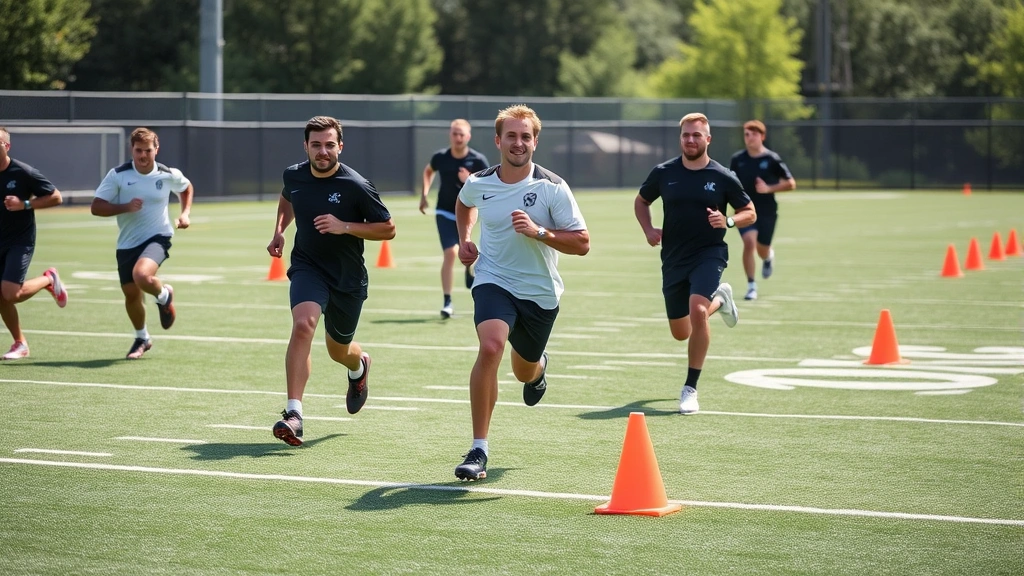
Understanding Stamina vs. Endurance in Football
Many athletes confuse stamina with endurance, but these concepts differ fundamentally. Endurance refers to sustained low-intensity effort over extended periods—think marathon running. Stamina, conversely, is your capacity to maintain high-intensity effort repeatedly with minimal recovery. Football demands stamina, not endurance.
A football player needs to execute maximal-effort sprints, explosive cuts, and powerful tackles throughout a 60-minute game. Your stamina determines whether you’re equally dominant in quarter one and quarter four. Research from the American College of Sports Medicine demonstrates that anaerobic capacity and lactate threshold are superior predictors of football performance than aerobic endurance.
This distinction matters because it shapes your training approach. Instead of running 10-mile steady-state efforts, you’ll develop stamina through high-intensity interval training (HIIT), tempo runs, and sport-specific conditioning. Your goal is training your body to produce and clear lactate efficiently, maintain power output during fatigue, and recover quickly between intense efforts.
When you check college football predictions this week, you’ll notice that teams with superior conditioning consistently outperform opponents in the final minutes. This isn’t coincidence—it’s the direct result of systematic stamina development.

The Science Behind Running-Based Conditioning
Your cardiovascular system is your stamina engine. When you run strategically, you trigger physiological adaptations that amplify your performance capacity. Understanding these mechanisms motivates consistent training and helps you recognize why every workout matters.
Aerobic Capacity Development: Your VO2 max—the maximum oxygen your body utilizes per minute—directly correlates with stamina. Running workouts that elevate your heart rate to 70-85% of maximum increase mitochondrial density in muscle cells. More mitochondria means more efficient energy production, allowing you to sustain high-intensity efforts longer before fatigue accumulates.
Lactate Threshold Improvement: During intense effort, your muscles produce lactate as a metabolic byproduct. Your lactate threshold is the intensity level where lactate accumulation exceeds clearance. Training at or slightly above this threshold teaches your body to tolerate lactate buildup and clear it more efficiently. This adaptation is absolutely critical for football, where repeated high-intensity efforts define performance.
Neuromuscular Efficiency: Running conditions your nervous system to recruit muscle fibers more effectively under fatigue. As you become fatigued, your brain naturally recruits larger, more powerful muscle fibers. Sport-specific running training optimizes this recruitment pattern, maintaining force production even as glycogen depletes.
Research published in the Journal of Sports Sciences shows that football players who complete periodized running programs improve their repeated-sprint ability by 8-12% over 8-12 weeks. This translates directly to more tackles, better coverage, superior blocking, and explosive plays when it matters most.
Essential Running Protocols for Football Players
Protocol 1: High-Intensity Interval Training (HIIT)
HIIT is non-negotiable for football stamina. This protocol alternates maximal-effort work intervals with recovery periods. A typical football-specific HIIT session might include:
- 10-minute dynamic warm-up with mobility work
- 8-12 repeats of 30-40 second maximal-effort sprints
- 90-120 second active recovery (walking or light jogging) between repeats
- 5-minute cool-down with stretching
The beauty of HIIT is that it simultaneously develops your aerobic and anaerobic systems. Your heart rate spikes during sprints, then partially recovers during rest intervals—mimicking the exact demands of football. Complete HIIT sessions 2-3 times weekly, allowing 48 hours between sessions for nervous system recovery.
Protocol 2: Tempo Runs
Tempo runs target your lactate threshold directly. These moderate-to-hard efforts lasting 20-40 minutes train your body to sustain high intensity while clearing lactate efficiently. A typical tempo run structure includes:
- 10-minute easy warm-up jog
- 20-40 minutes at 80-90% of maximum heart rate
- 5-10 minute easy cool-down
Tempo runs should feel “comfortably hard”—you can speak in short phrases but not carry on a full conversation. These sessions build your aerobic base while improving your ability to maintain high intensity. Complete one tempo run weekly, ideally on a day separate from HIIT training.
Protocol 3: Sport-Specific Shuttle Runs
Football demands multi-directional movement, not straight-line running. Shuttle runs replicate game demands more accurately than distance running. Implement these variations:
- 20-yard shuttles: Sprint 20 yards, plant and return 20 yards, repeat 8-10 times with 60-90 second rest between sets
- Pro-agility (5-10-5) drill: Sprint 5 yards right, plant and sprint 10 yards left, plant and sprint 5 yards right. Complete 6-8 repeats with full recovery
- Cone drills: Set up cones in diamond patterns, sprint between cones changing direction every 5-10 yards for 30-45 second intervals
These sport-specific drills develop stamina while training the lateral movement, explosive cutting, and rapid direction changes that define football performance. Include 1-2 sessions weekly, preferably early in practice when you’re fresh.
Protocol 4: Aerobic Base Building
Even stamina athletes need a solid aerobic foundation. One 45-60 minute easy run weekly at 60-70% maximum heart rate builds mitochondrial density and recovery capacity without accumulating fatigue. This run should feel conversational and genuinely easy. Many athletes make the mistake of running this session too hard; maintain discipline and keep intensity low.
Building Your Personalized Stamina Program
Effective stamina development requires systematic progression. Here’s a 12-week template that builds from foundational conditioning to peak performance:
Weeks 1-4: Foundation Phase
- Monday: HIIT (6-8 repeats of 30-second sprints, 2 minutes recovery)
- Wednesday: Tempo run (20 minutes at threshold pace)
- Friday: Sport-specific shuttle runs (5-10-5 drill, 6 repeats with full recovery)
- Sunday: Easy aerobic run (30-40 minutes at conversational pace)
Weeks 5-8: Development Phase
- Monday: HIIT (10 repeats of 40-second sprints, 90-second recovery)
- Wednesday: Tempo run (30 minutes at threshold pace)
- Thursday: Sport-specific cone drills (45-second intervals, 90-second rest)
- Saturday: Easy aerobic run (45-50 minutes)
Weeks 9-12: Peak Phase
- Monday: Advanced HIIT (12 repeats of 40-second sprints, 75-second recovery)
- Wednesday: Extended tempo run (35-40 minutes at threshold pace)
- Friday: Game-simulation drills (repeated 30-second maximal efforts with 30-second active recovery, 8-10 repeats)
- Sunday: Easy aerobic run (50-60 minutes)
This progression systematically overloads your aerobic and anaerobic systems while allowing adequate recovery. If you’re following a fantasy football draft strategy, remember that real players on the field execute similarly structured training—this is why conditioning separates elite performers from average ones.
Adjust volume and intensity based on your current fitness level and training history. If you’re new to structured conditioning, start conservatively in the foundation phase and progress gradually. Attempting too much too soon invites overtraining and injury.
Recovery and Nutrition for Sustained Performance
Your stamina development happens during recovery, not during running. Training creates the stimulus; sleep, nutrition, and active recovery allow your body to adapt and improve.
Sleep Optimization
Elite athletes prioritize 7-9 hours of quality sleep nightly. During sleep, your body releases growth hormone, consolidates neural adaptations, and replenishes glycogen stores. Establish consistent sleep schedules, keep bedrooms cool and dark, and avoid screens 60 minutes before bed. Poor sleep sabotages even the most dedicated training program.
Nutrition Strategy
Your muscles require specific nutrients to adapt and recover. Post-workout nutrition is critical: within 30-60 minutes after running, consume carbohydrates and protein in a 3:1 or 4:1 ratio. This might be chocolate milk, a turkey sandwich, or a protein smoothie with fruit. This window optimizes glycogen replenishment and muscle protein synthesis.
Throughout your day, prioritize whole foods: lean proteins (chicken, fish, eggs), complex carbohydrates (oats, brown rice, sweet potatoes), healthy fats (avocados, olive oil, nuts), and abundant vegetables. Hydration matters enormously—aim for pale yellow urine, indicating adequate hydration. For training lasting over 90 minutes, consume 6-8% carbohydrate sports drinks to maintain blood glucose and performance.
Active Recovery Protocols
On non-training days, light movement accelerates recovery. A 15-30 minute easy walk, swimming, or cycling at conversational pace increases blood flow without imposing training stress. This promotes lactate clearance, reduces muscle soreness, and mentally prepares you for upcoming workouts.
Measuring Progress and Adjusting Your Training
Systematic progress tracking ensures your training remains effective. Without measurement, you risk stagnating or overtraining without realizing it.
Key Performance Metrics
- Repeated Sprint Ability (RSA): Complete 8-10 maximal 40-yard sprints with 30-second recovery. Track total time and consistency between sprints. Improvement means less performance decay as fatigue accumulates—critical for football
- Lactate Threshold Pace: Determine your threshold heart rate and pace during tempo runs. As fitness improves, you’ll maintain the same heart rate at faster paces or achieve lower heart rates at the same pace
- Vertical Jump and 40-Yard Dash: These tests reveal whether your strength and power remain intact during conditioning phases. Excessive running volume without strength training can compromise explosiveness
- Recovery Heart Rate: Measure your heart rate one minute after finishing a hard effort. Improved fitness allows faster heart rate recovery, indicating better cardiovascular function
- Subjective Effort Ratings: Track how efforts feel. If a workout that previously felt moderate now feels easy, you’ve adapted and can increase intensity
Test these metrics every 4 weeks. If you’re not improving, examine training consistency, sleep quality, and nutrition. Sometimes performance plateaus indicate overtraining rather than insufficient training—reduce volume for 3-5 days and reassess.
When checking where to watch Oregon Ducks football vs Michigan Wolverines football, notice how elite programs’ players maintain intensity throughout games. That’s the direct result of systematic conditioning measured and adjusted throughout training cycles.
Common Adjustments
If performance plateaus, increase interval work intensity (shorter recovery periods) rather than volume. If fatigue accumulates and performance declines, reduce training frequency for one week, then return at slightly reduced volume. If injuries develop, immediately reduce running volume and add mobility work. Listen to your body—it provides valuable feedback about training appropriateness.
FAQ
How often should I run to build football stamina?
Optimal frequency is 3-4 running sessions weekly: two high-intensity sessions (HIIT and sport-specific drills), one threshold session (tempo run), and one easy aerobic session. This frequency allows adequate training stimulus without excessive fatigue. More frequent running risks overtraining and injury without additional benefit.
Can I build stamina with strength training alone?
Strength training develops power and resilience but doesn’t adequately develop aerobic capacity or lactate threshold. Football requires both qualities. Combine strength training (2-3 sessions weekly) with running conditioning (3-4 sessions weekly) for comprehensive development. Peak Play Arena Blog offers additional resources on integrated training approaches.
How long before I notice stamina improvements?
Physiological adaptations begin within 2-3 weeks of consistent training. Measurable performance improvements typically appear after 4-6 weeks. Significant stamina gains require 8-12 weeks of systematic training. Patience and consistency matter more than intensity.
Should I run on game days?
No. Game days demand full recovery and mental preparation. Complete your final hard training session 48-72 hours before games. On game day morning, perform light dynamic warm-up and mobility work only. Save your energy for performance when it matters most.
How do I prevent running-related injuries?
Progress gradually (no more than 10% weekly volume increases), wear appropriate running shoes, incorporate mobility work daily, ensure adequate recovery, and address pain immediately. If pain persists beyond 3-5 days, reduce training volume or take a rest day. Prevention is infinitely easier than rehabilitation.
Can running compromise my strength and power?
Excessive running volume without adequate nutrition and recovery can impair strength development. Maintain protein intake (1.6-2.2g per kilogram bodyweight daily), prioritize sleep, and periodically test vertical jump and sprint times to ensure power preservation. If power declines, reduce running volume and emphasize strength training.
What’s the relationship between running and how long does a football game last?
Football games last 60 minutes of playing time (typically 3+ hours total with stoppages). Your stamina training should prepare you to perform maximally for the entire duration, particularly the final quarter when fatigue peaks. Running conditioning that improves repeated-sprint ability directly translates to fourth-quarter dominance.


