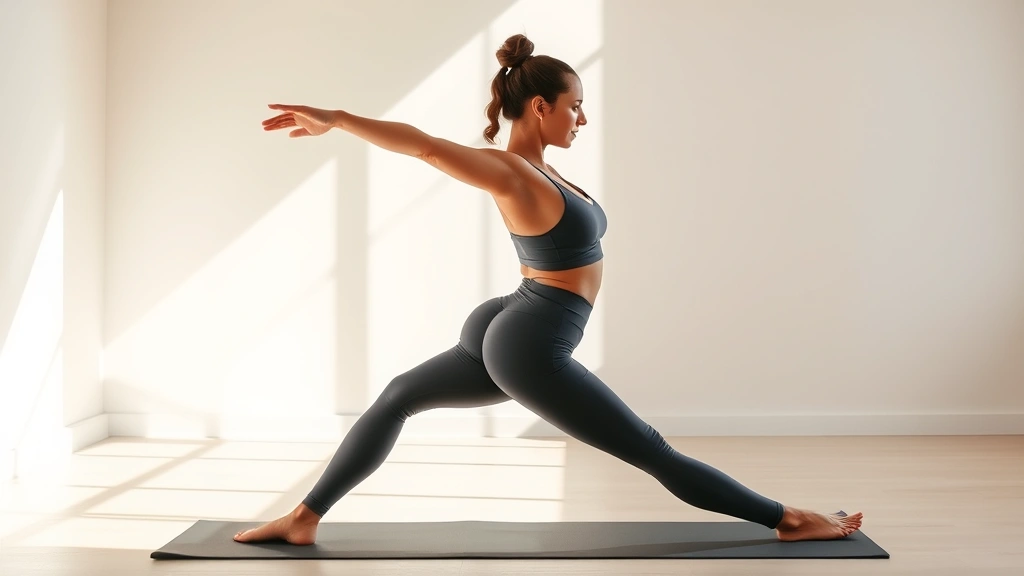
Can Yoga Improve Flexibility? Expert Opinions and Science-Backed Evidence
Flexibility is one of the most underrated components of physical fitness, yet it’s fundamental to athletic performance, injury prevention, and overall quality of life. Whether you’re an athlete looking to enhance your range of motion or someone seeking relief from daily stiffness, yoga consistently emerges as a transformative practice. But does the science actually support what yoga practitioners have claimed for thousands of years? The answer is a resounding yes—with important nuances that fitness professionals want you to understand.
Yoga has become increasingly popular among fitness enthusiasts, from elite athletes to weekend warriors. However, many people still question whether yoga can genuinely improve flexibility or if it’s simply a trending wellness practice. This comprehensive guide explores expert opinions, scientific research, and practical strategies for leveraging yoga to unlock your body’s full range of motion. Understanding how yoga works at the physiological level will help you optimize your practice and achieve measurable results.

How Yoga Improves Flexibility: The Science Behind the Practice
The physiological mechanisms behind yoga’s flexibility benefits are well-documented in exercise science literature. When you practice yoga, you’re not simply stretching muscles—you’re engaging in a sophisticated process that involves neuromuscular adaptation, fascial release, and proprioceptive enhancement. The American College of Sports Medicine recognizes that consistent stretching practices significantly increase range of motion when performed correctly and consistently.
Your muscles contain specialized sensory receptors called muscle spindles that detect changes in muscle length. During static yoga poses, these receptors gradually acclimate to longer muscle lengths, reducing the protective reflex that normally prevents excessive stretching. This neurological adaptation is crucial—it explains why your flexibility improves not just from mechanical lengthening but from your nervous system’s changing tolerance to stretch positions.
The connective tissue surrounding your muscles, known as fascia, also responds dramatically to yoga practice. Fascia is a continuous web of tissue that can become restricted and adhesive through inactivity or repetitive movement patterns. Yoga’s varied movement angles and sustained holds help hydrate and reorganize fascial tissue, promoting better tissue elasticity. Research published in exercise physiology journals demonstrates that practices incorporating dynamic and static stretching produce superior flexibility gains compared to single-modality approaches.
Additionally, yoga reduces muscle tension through parasympathetic nervous system activation. When you practice mindful breathing and hold poses, your body shifts from fight-or-flight mode to rest-and-digest mode. This neurological shift allows muscles to relax more completely, making them more responsive to lengthening. This explains why forcing stretches through aggressive tension rarely produces lasting flexibility gains—relaxation is actually more effective than force.
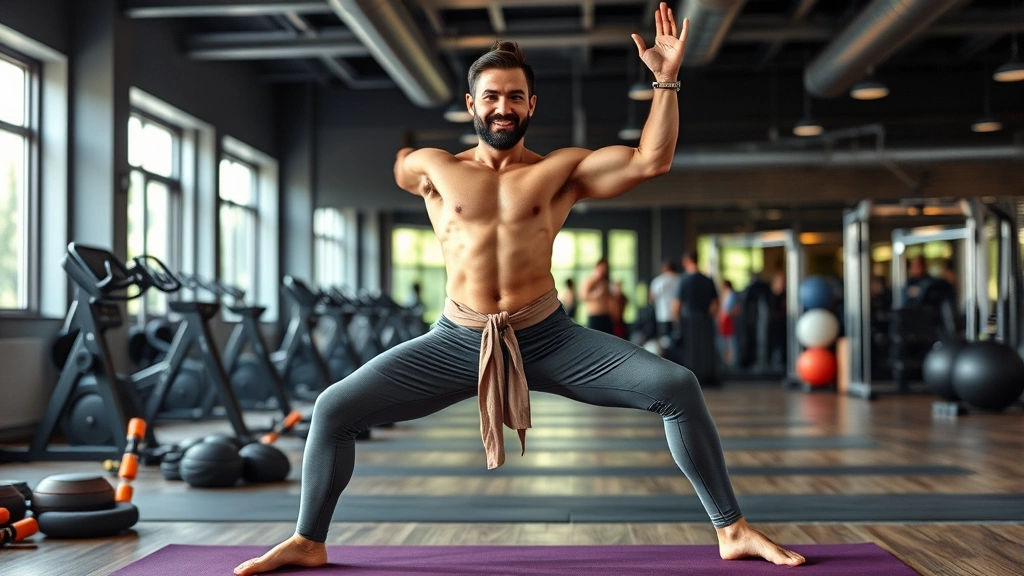
Expert Opinions from Fitness Professionals and Movement Specialists
Leading fitness professionals and exercise physiologists consistently affirm yoga’s effectiveness for flexibility development. The National Academy of Sports Medicine includes yoga-based stretching protocols in their flexibility training recommendations for athletes across all sports. Certified strength and conditioning specialists recognize that yoga provides unique benefits beyond traditional static stretching.
Dr. Kelly Starrett, a renowned movement specialist and author, emphasizes that yoga’s combination of active and passive stretching creates superior long-term flexibility outcomes. Active flexibility—where you hold a stretch using muscle strength—builds both flexibility and stability simultaneously. This integrated approach prevents the common problem where people become flexible but unstable in those ranges of motion. Yoga naturally balances these qualities through its emphasis on strength within stretched positions.
Physical therapists increasingly prescribe specific yoga practices to patients recovering from injuries or managing chronic pain. The controlled nature of yoga movements, combined with the practitioner’s ability to modify poses based on individual limitations, makes it safer and more effective than many traditional rehabilitation protocols. Many physical therapy clinics now incorporate yoga-trained therapists on their teams, recognizing its clinical value.
Yoga instructors with advanced certifications in anatomy and biomechanics note that yoga’s effectiveness varies based on practice consistency and proper alignment. Generic yoga classes may produce modest improvements, but intentional, technique-focused practice yields dramatic flexibility gains. This distinction is crucial—the quality of your practice matters as much as the frequency.
Different Yoga Styles and Their Flexibility Benefits
Not all yoga practices produce equal flexibility results. Understanding which styles best serve flexibility development helps you choose the right practice for your goals. Hatha yoga, characterized by longer holds in each pose, is particularly effective for deep flexibility development. The extended time in poses allows for greater neuromuscular adaptation and fascial release compared to faster-paced styles.
Yin yoga represents the ultimate flexibility-focused practice, with poses held for three to five minutes or longer. These extended holds target deep connective tissue and create significant flexibility improvements. However, yin yoga requires patience and is best combined with strengthening practices to ensure balanced development. Athletes interested in how to choose running shoes often complement their training with yin yoga to counteract the repetitive patterns of endurance sports.
Vinyasa flow yoga offers dynamic movement through poses, building flexibility while maintaining strength and cardiovascular engagement. The flowing nature of vinyasa makes it appealing for athletes and those seeking comprehensive fitness development. While vinyasa produces good flexibility gains, it typically doesn’t achieve the deep flexibility development of longer-hold styles.
Power yoga emphasizes strength and stability within flexible ranges of motion. This approach is ideal for athletes worried that traditional flexibility work might compromise their performance capacity. Power yoga ensures your increased flexibility translates to functional athletic ability rather than becoming a liability.
The most effective long-term approach combines multiple styles. Incorporating yin yoga once or twice weekly for deep flexibility work, supplementing with hatha or power yoga for balanced development, and maintaining dynamic vinyasa for functional movement creates comprehensive flexibility progression. This varied approach prevents adaptation plateaus and addresses flexibility from multiple physiological angles.
Progressive Training Strategies for Maximum Flexibility Gains
Achieving significant flexibility improvements requires strategic progression rather than random practice. Begin with baseline assessment using simple tests: forward fold distance, hip flexor tightness, shoulder mobility checks. These measurements provide objective data for tracking progress over weeks and months, keeping you motivated and accountable.
Implement a frequency-based progression starting with three yoga sessions weekly if you’re beginning your practice. After four to six weeks, your body adapts to this stimulus. Progress to four sessions weekly, potentially incorporating different styles. Most flexibility research suggests four to six sessions weekly produces optimal results without excessive recovery demands. Consistency matters far more than single intensive sessions—your nervous system requires repeated exposure to adapt to longer ranges of motion.
Duration progression also drives flexibility development. Begin with poses held for 30-45 seconds, gradually extending to 60-90 seconds as your practice deepens. In yin yoga specifically, progress from 3-minute holds to 5-minute holds as your connective tissue adapts. Never rush this progression—forcing longer holds before your body is ready invites injury.
Intensity progression involves moving deeper into poses as your flexibility allows. However, this progression should feel gradual and sustainable. You should feel a gentle stretch sensation, never sharp pain. The difference between productive sensation and harmful sensation is crucial—productive stretching feels like mild tension that gradually releases, while pain indicates tissue damage risk.
Combine yoga with complementary flexibility work including foam rolling, massage, and dynamic stretching. This multi-modal approach addresses flexibility from different angles. Foam rolling addresses myofascial restrictions, dynamic stretching prepares muscles for activity, and yoga provides comprehensive flexibility development. Athletes preparing for how long does a football game last benefit tremendously from this integrated approach, as flexibility supports performance and injury prevention during extended athletic efforts.
Common Mistakes That Limit Flexibility Progress
Many people practice yoga without achieving their flexibility potential because they make preventable errors. Inconsistency represents the most common mistake. Practicing intensely for two weeks, then stopping for three weeks, prevents the neural and tissue adaptations necessary for lasting flexibility improvement. Your nervous system requires regular stimulus to maintain increased range of motion. Once you stop practicing, your flexibility reverts surprisingly quickly—often within weeks.
Poor alignment during poses limits effectiveness and increases injury risk. Many practitioners unconsciously compensate in ways that prevent muscles from lengthening properly. Working with experienced instructors or using video analysis ensures you’re actually stretching the intended muscles. Poor alignment often feels easier initially because you’re not stretching the target muscle group—this false comfort leads to wasted practice time.
Forcing stretches triggers protective muscle tension through the stretch reflex. Your muscles contain built-in protection mechanisms that prevent excessive lengthening. When you force stretches aggressively, these mechanisms activate, actually preventing the flexibility improvements you’re seeking. Gentle, patient stretching that respects your body’s signals produces superior results compared to aggressive approaches.
Neglecting strengthening creates flexibility that’s actually problematic. Excessive flexibility without corresponding strength leaves joints unstable and prone to injury. Yoga naturally incorporates strengthening through poses, but supplementing with targeted strength training ensures your flexibility translates to functional ability. Athletes particularly need this balance—flexibility without stability creates injury risk rather than preventing it.
Ignoring nutrition and recovery undermines flexibility development. Your tissues need adequate hydration, protein, and micronutrients to adapt to stretching stimulus. Additionally, recovery sleep is when neurological adaptations solidify. Practicing yoga while neglecting sleep and nutrition is like trying to fill a bucket with a hole in the bottom—you’re not capturing the benefits you’re creating.
Integration with Other Training Methods for Comprehensive Fitness
Yoga achieves maximum effectiveness when integrated strategically with other training modalities. For strength athletes, yoga counteracts the restricted ranges of motion that heavy lifting can create. The anterior shoulder tightness common in bench press specialists responds excellently to yoga practice. Similarly, the hip and hamstring tightness from deadlifting improves dramatically with consistent yoga. Strength athletes should practice yoga on recovery days or after strength sessions, never before heavy lifting when flexibility work might compromise performance.
For endurance athletes, yoga addresses the repetitive movement restrictions that running, cycling, and swimming create. Runners particularly benefit from hip opener poses and hamstring stretches that counteract the hip flexor tightness and shortened hamstrings that running encourages. Incorporating yoga 2-3 times weekly allows endurance athletes to maintain balanced flexibility and reduce injury risk. Those interested in fantasy football draft strategy might not realize that the cognitive demands of fantasy football require the stress relief and mental clarity that yoga provides—making it valuable for serious competitors.
Team sport athletes gain multifaceted benefits from yoga integration. The dynamic flexibility from vinyasa flows translates directly to improved agility and explosive movement capacity. The balance and proprioceptive enhancement from holding challenging poses improves stability during high-speed directional changes. Additionally, yoga’s mental components—breathing control, focus, and body awareness—enhance performance under pressure during competition.
Optimal weekly integration for comprehensive athletes typically looks like: 3-4 strength or sport-specific training sessions, 2-3 yoga sessions (mixing styles), and 1-2 additional flexibility or mobility sessions. This structure provides adequate stimulus for all fitness components while maintaining recovery capacity. Periodizing yoga intensity alongside other training prevents overuse injuries and ensures sustainable long-term progress.
The synergistic effect of combining yoga with other training methods produces superior results compared to any single modality. Strength gains feel more explosive with improved flexibility. Endurance capacity improves when muscles can move through fuller ranges of motion. Athletic performance peaks when flexibility, strength, power, and mental resilience work in concert—yoga uniquely develops multiple components simultaneously.
FAQ
How long does it take to see flexibility improvements from yoga?
Most practitioners notice meaningful flexibility improvements within 2-4 weeks of consistent practice (3-4 sessions weekly). However, significant transformation typically requires 8-12 weeks of dedicated practice. Your nervous system adapts relatively quickly, but deeper tissue changes require longer timeframes. Patience is essential—dramatic flexibility gains happen gradually rather than overnight.
Can older adults improve flexibility through yoga?
Absolutely. Age is not a barrier to flexibility improvement. In fact, older adults often experience dramatic flexibility gains from yoga because they typically have greater room for improvement. The key is gentle progression and consistent practice. Older adults should work with instructors experienced in age-appropriate modifications to ensure safety and effectiveness.
Does yoga build strength as well as flexibility?
Yes, yoga builds functional strength through bodyweight resistance in poses. However, yoga-derived strength differs from traditional strength training—it emphasizes stability and control rather than maximum force production. For comprehensive fitness, combining yoga with dedicated strength training produces superior results compared to yoga alone.
Should I practice yoga before or after other workouts?
For flexibility-focused sessions, practice yoga on recovery days or after other training. Practicing flexibility work before strength or power training can compromise performance through neural inhibition. However, brief dynamic stretching before workouts and gentle yoga after workouts works well. Longer, more intense yoga sessions are best performed on dedicated recovery days.
Can yoga fix poor posture?
Yoga significantly improves posture by addressing the flexibility and strength imbalances that poor posture creates. Tight chest and anterior shoulders combined with weak upper back muscles are common posture culprits—yoga targets these issues directly. Combined with postural awareness, yoga produces dramatic posture improvements within 4-8 weeks.


