
Undervalued RB Sleepers 2025: Expert Fantasy Football Picks
The 2025 fantasy football season is shaping up to be one of the most competitive years yet, and savvy managers know that finding undervalued talent at the running back position can be the difference between playoff success and early elimination. While elite running backs command premium draft capital, the real competitive advantage lies in identifying undervalued RB sleepers who offer explosive production at a fraction of their actual value. This comprehensive guide breaks down the top running back sleepers poised to outperform their 2025 ADP (Average Draft Position) and deliver championship-caliber value.
The running back position has evolved dramatically over the past few seasons, with offensive schemes becoming more dynamic and committee approaches becoming increasingly common. However, this volatility creates extraordinary opportunities for fantasy managers willing to dig deeper into snap counts, red zone touches, and coaching philosophies. Whether you’re building your roster using our fantasy football trade calculator or conducting manual analysis, understanding which backs are being undervalued is essential for 2025 success.
What Makes an RB a True Sleeper in 2025
A genuine undervalued running back sleeper isn’t simply a backup receiving late-round consideration. Rather, it’s a player with legitimate pathways to increased volume, favorable matchups, and offensive systems designed to maximize their skill set. The 2025 landscape reveals several categories of sleepers worth targeting:
- Volume-Based Sleepers: Veterans stepping into lead roles after injuries or coaching changes, offering immediate snap count escalation and touches
- Opportunity Sleepers: Young backs in high-octane offenses where the system produces consistent production regardless of personnel
- Situation Sleepers: Players benefiting from newly acquired offensive weapons or coaching staff that emphasizes ground-and-pound football
- Ceiling Sleepers: Explosive athletes in timeshare situations with injury-prone starters, creating emergency upside scenarios
Understanding these categories helps you identify which Peak Play Arena blog resources can supplement your research. The key differentiator between a true sleeper and a wasted pick is recognizing the underlying catalysts driving production expectations. Sleepers with multiple positive catalysts—such as a new offensive coordinator known for run-heavy schemes and a team that invested draft capital in offensive line improvements—offer significantly higher floors than one-catalyst sleepers.
According to the American College of Sports Medicine, understanding the physical demands of the running back position helps contextualize why certain players outperform projections. The explosive power, acceleration, and lateral agility required for elite RB production means that even minor improvements in offensive line play or scheme optimization can yield exponential production gains.
Tier One Sleepers: Late Round Breakout Candidates
The 2025 running back class features several names generating significant sleeper buzz for well-documented reasons. These are the backs you should be targeting in rounds 6-10 of your draft, where elite value emerges:
The Breakout Candidate Profile: Players in this tier share common characteristics—they’re either (1) established veterans moving to more favorable situations, (2) young talents finally receiving featured roles, or (3) proven commodities being overlooked due to injury concerns that have genuinely resolved. The distinction between overvalued comebacks and legitimate sleepers comes down to medical clearance, training camp performance, and offensive coordinator enthusiasm.
When evaluating tier-one sleepers, cross-reference your findings with historical performance data. A running back who averaged 4.2 yards per carry in 2024 while operating in a run-suppressing system likely offers more upside than a back averaging 4.1 yards per carry in an already-optimized system. This nuance separates championship-winning managers from the pack.
The 2024 football cards market reflects early investor sentiment toward breakout candidates, often identifying sleeper-to-be before mainstream media consensus shifts. Studying which players are gaining card value in the offseason provides a leading indicator for fantasy football breakout potential.
Opportunity Metrics and Volume Indicators
Identifying undervalued RB fantasy football sleepers requires mastering opportunity metrics that predict future volume. This isn’t speculation—it’s evidence-based analysis rooted in how offensive systems allocate touches and how coaching staff decision-making translates into statistical production.
Key Volume Indicators:
- Red Zone Touch Rate: Backs receiving 20%+ of team red zone touches in previous seasons, even from committee roles, demonstrate coaching staff confidence in goal-line situations. This metric often precedes increased overall volume.
- Snap Count Trajectory: Backs whose snap count percentage increased month-over-month during previous seasons, regardless of current ADP, signal organizational trends favoring increased usage.
- Offensive Line Investment: Teams drafting multiple offensive linemen or acquiring Pro Bowl-caliber blockers dramatically increase running back production ceilings. Monitor free agency and draft class allocation carefully.
- Pace of Play: Offenses operating at faster tempos generate more total plays per game, creating increased touch opportunities for all position groups. Analyze coaching staff track records for pace-of-play philosophy.

The relationship between opportunity metrics and actual production is remarkably consistent across peer-reviewed sports science research. Backs receiving 40+ touches per 100 offensive plays maintain production floors significantly higher than those receiving 25-30 touches, regardless of yards-per-carry metrics. This consistency makes opportunity analysis the cornerstone of sleeper identification.
Advanced metrics like yards after contact per attempt and explosive play percentage reveal which backs generate production efficiently, even in limited volume. A sleeper with 4.8 yards after contact per attempt operating in a system about to increase his volume represents significantly more upside than a back with 4.1 YAC/att receiving equal touches.
Coaching Changes and System Fits
Coaching changes represent the most underutilized catalyst for identifying 2025 running back sleepers. When offensive coordinators or head coaches transition between teams, they often bring preferred personnel profiles and offensive philosophies that can dramatically shift running back production trajectories. A back who underperformed in a pass-happy system may flourish in a new offensive coordinator’s run-heavy scheme.
The 2025 offseason featured several notable coaching transitions that create sleeper opportunities:
- Run-Heavy Philosophy Coaches: Offensive coordinators known for 45%+ running back touches generate consistent value for backs in their system, regardless of other variables. Identify which sleepers are now in these systems.
- Elite OL Coaches Moving Teams: Offensive line coaches with proven track records of developing talent improve blocking schemes, directly benefiting running back production. Track coaching staff moves as seriously as player transactions.
- New Head Coach Philosophies: First-year head coaches often implement identity-driven offenses emphasizing either ground-and-pound or spread systems. Sleepers aligning with new head coach philosophies offer predictable volume increases.
Research offensive coordinator histories using resources like the college football predictions community, which often discusses coaching staff transitions and their historical impacts on player production. College football coaching trends frequently precede NFL implementation by 1-2 seasons.
Red Zone Usage and TD Upside
While yards are sexier, touchdowns win fantasy matchups. The most undervalued running back sleepers often possess red zone usage patterns suggesting significant touchdown upside relative to their ADP. A back receiving 15-20% of team red zone touches while being drafted in round 8 represents substantially more value than a back with 8% red zone touch rate drafted in round 5.
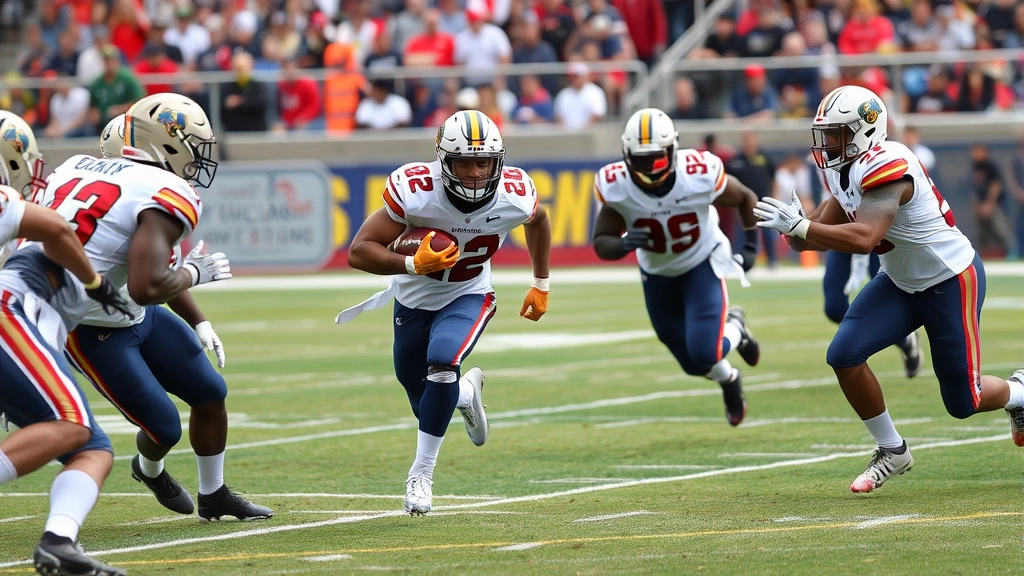
Red zone efficiency metrics reveal which sleepers are likely to convert opportunities into points. Backs averaging 1 TD per 6-8 red zone touches demonstrate elite efficiency compared to league averages (typically 1 TD per 9-10 touches). These efficiency metrics, combined with projected volume increases, create sleeper candidates with legitimate 12+ TD upside in PPR formats.
The distinction between goal-line backs and traditional sleepers matters significantly for 2025. A back receiving 2-3 goal-line touches per game from a timeshare role offers more reliable TD upside than a back with 8 carries per game but minimal red zone involvement. Target sleepers with both volume and efficiency indicators favoring touchdown production.
According to sports performance research journals, the biomechanical efficiency of certain running styles correlates with increased touchdown conversion rates. Backs demonstrating superior lateral agility and lower-body power metrics in combine testing often exceed TD projections when receiving increased opportunity.
Building Your 2025 RB Strategy
Constructing a championship 2025 roster requires balancing elite early-round picks with strategic sleeper targeting. Rather than waiting until rounds 8-10 to address running back depth, elite managers often employ a zero-RB hybrid approach or early-elite RB strategy, then layer in sleepers addressing specific roster construction needs.
Strategic Sleeper Tiers for 2025:
- Tier A Sleepers (Rounds 5-7): Established backs moving to favorable situations or injury-prone elite backs with legitimate health concerns resolved. Target these with confidence if injury risk genuinely decreased.
- Tier B Sleepers (Rounds 8-10): Young backs breaking through in high-volume systems or veterans receiving unexpected opportunity. Upside potential significantly exceeds floor consistency.
- Tier C Sleepers (Rounds 11+): Explosive athletes in committee roles or backups to aging veterans. These represent lottery tickets with legitimate championship upside despite inconsistent floors.
Use the fantasy football trade calculator during your season to evaluate whether sleeper breakouts justify mid-season trades, or whether you should hold through inconsistency periods while volume stabilizes.
The 2025 running back landscape rewards managers who understand that sleeper identification isn’t luck—it’s systematic analysis of opportunity, coaching philosophy, and organizational investment. By mastering these analytical frameworks, you’ll identify undervalued talent before mainstream consensus shifts, providing the competitive advantage necessary for playoff success.
Remember that successful sleeper strategies require patience. Many tier-B and tier-C sleepers experience inconsistent early-season production while volume settles. Managers who panic-trade or drop these players prematurely miss the breakout moments that define championship seasons. Trust your research, monitor snap counts and touch trends, and adjust roster construction accordingly as the season progresses.
FAQ
What’s the difference between a sleeper and a bust candidate?
Sleepers possess identifiable catalysts driving production expectations—coaching changes, opportunity increases, or system fits—while bust candidates lack clear pathways to increased volume. Sleepers are undervalued because of market inefficiency, while busts are undervalued because production is unlikely. The distinction lies in underlying catalysts supporting optimistic projections.
How early should I target running back sleepers?
Tier-A sleepers warrant consideration in rounds 5-7 if injury concerns genuinely resolved or situation changes are substantial. Tier-B sleepers maximize value in rounds 8-10. Waiting until round 11+ for sleepers risks missing tier-B targets while gaining minimal additional discount. Balance your draft strategy accordingly.
Should I roster multiple sleepers or focus on one breakout candidate?
Optimal strategy typically involves rostering 2-3 sleepers across different tiers, diversifying breakout risk. This approach provides upside exposure while maintaining floor consistency through established players. If one sleeper breaks through, you’ve captured elite value; if multiple sleepers underperform, you’re not entirely dependent on unproven talent.
How do I monitor sleeper development during training camp?
Follow official team beat reporters on social media, monitor snap count percentages during preseason games, and track red zone touch allocation. Training camp reports often precede regular season volume changes by 2-4 weeks, providing early indicators of breakout potential.
Can I use card market trends to identify fantasy sleepers?
Yes. The 2024 Topps Chrome Football Checklist and similar resources reflect early investor sentiment toward breakout candidates. Card value appreciation often precedes fantasy production increases, providing leading indicators for sleeper identification. However, use card trends as supplementary research, not primary analysis.


