Best Youth Football Helmets? Expert Reviews & Safety Guide
Selecting the right youth football helmet is one of the most critical decisions a parent or young athlete can make. Your child’s safety depends on choosing equipment that meets rigorous safety standards, fits properly, and provides adequate protection during tackles, collisions, and high-impact plays. With countless brands, models, and price points available, understanding what separates quality helmets from mediocre options is essential before investing in protective gear.
This comprehensive guide breaks down everything you need to know about youth football helmets—from certification standards to fit specifications to our expert-reviewed top picks. Whether your young athlete is just starting youth football or advancing through competitive leagues, we’ll help you make an informed decision that prioritizes protection without compromising comfort or performance on the field.
Safety Standards & Certifications
Before purchasing any youth football helmet, verify that it meets the National Operating Committee on Standards for Athletic Equipment (NOCSAE) certification. This is non-negotiable. NOCSAE testing ensures helmets can withstand impact forces and protect against traumatic brain injuries, skull fractures, and other serious head injuries that occur during football contact.
The NOCSAE standard requires helmets to absorb impact energy, distribute force across the shell and padding system, and maintain structural integrity after multiple impacts. All helmets sold in the United States for football must display the NOCSAE certification stamp. Additionally, look for helmets that meet or exceed the Riddell or Schutt standards, as these manufacturers conduct independent testing beyond minimum requirements.
Recent research from the American College of Sports Medicine emphasizes that proper helmet selection significantly reduces concussion risk in youth athletes. The organization recommends that parents prioritize helmets with advanced padding systems and proper fitting protocols over cheaper alternatives that may not provide adequate protection.
Check for the following certifications when evaluating youth football helmets:
- NOCSAE certification (mandatory)
- Independent testing data from manufacturers
- Multi-impact foam technology
- Recertification dates (helmets should be recertified every 10 years)
Proper Fit & Sizing Guide
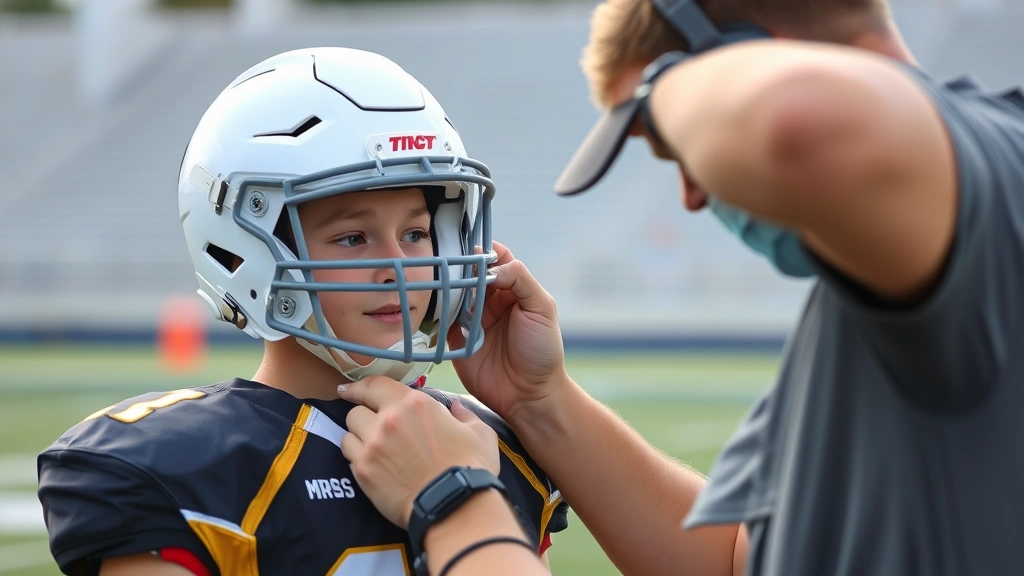
An improperly fitted helmet provides virtually no protection, regardless of its quality or price. A youth football helmet must fit snugly without being uncomfortable, with no gaps between the foam padding and your child’s head. The helmet should sit level on the head—not tilted forward or backward—with the facemask positioned approximately one finger-width above the eyebrows.
To measure your child’s head correctly, use a soft measuring tape around the widest part of the head, approximately one inch above the eyebrows. Record this measurement in both inches and centimeters, as different manufacturers use different sizing scales. Most youth helmets come in sizes ranging from extra small (18.5-19 inches) to large (22-23 inches).
Once you have the measurement, consult the manufacturer’s sizing chart carefully. Many retailers offer fitting services where trained professionals ensure proper helmet placement and padding adjustment. Don’t skip this step—professional fitting can mean the difference between adequate protection and dangerous gaps in coverage.
The chin strap must also be properly adjusted. When fastened, you should only be able to fit one finger between the strap and your child’s chin. The helmet should not shift when your child shakes their head vigorously. If it does, either the size is incorrect or the padding needs adjustment.
Top Youth Football Helmets Reviewed
Riddell Youth SpeedFlex
The Riddell SpeedFlex consistently ranks as the top choice for youth football due to its revolutionary design and superior impact protection. The helmet features an articulated shell that flexes on impact, dissipating energy more effectively than rigid shells. The TPU (thermoplastic polyurethane) facemask is lightweight yet durable, and the padding system includes antimicrobial technology that reduces odor and extends the helmet’s lifespan.
Parents report that young athletes prefer the SpeedFlex for its excellent visibility and reduced neck strain. The helmet’s design allows for better peripheral vision compared to traditional models, giving players confidence and improving on-field performance. While it’s priced at the premium end of the market ($400-$500), the durability and protection justify the investment for serious youth football players.
Schutt Youth Vengeance Z10
Schutt’s Vengeance Z10 offers excellent protection at a mid-range price point ($300-$400). The helmet features a reinforced shell with multiple impact zones and premium padding that conforms to individual head shapes. The adjustable facemask system allows for customization as your child’s face grows, extending the helmet’s usable lifespan.
The Vengeance Z10 includes Schutt’s Caliber system, which uses graduated padding densities to optimize impact absorption. Many youth football programs select this model for team purchases because it balances safety, durability, and affordability. The helmet comes with detailed fitting instructions and sizing guides that make the selection process straightforward for parents new to football.
Xenith Youth Shadow
For budget-conscious families, the Xenith Youth Shadow provides excellent protection without breaking the bank ($250-$350). Xenith’s patented XSLD (Xenith Sublayer Design) technology uses dual-layer padding that absorbs and distributes impact forces effectively. The helmet is lighter than many competitors, reducing fatigue during long practices and games.
The Shadow model appeals to younger players (ages 8-12) who are just beginning their football journey. While it doesn’t have all the premium features of higher-end models, it meets all safety standards and provides reliable protection for recreational and competitive youth leagues. Parents appreciate the straightforward maintenance and the helmet’s resistance to wear and tear.
Rawlings NRG Youth
Rawlings’ NRG youth helmet combines traditional design with modern safety technology at a competitive price ($280-$380). The helmet features a seamless shell construction that provides excellent structural integrity, and the padding system includes moisture-wicking materials that keep young athletes comfortable during intense play.
The NRG includes Rawlings’ signature facemask designs that are customizable based on position and playing style. Wide receivers and defensive backs might prefer different facemask configurations than linemen, and Rawlings offers these options without additional cost. The helmet’s warranty covers manufacturing defects for one year, providing peace of mind for parents.
Materials & Impact Technology
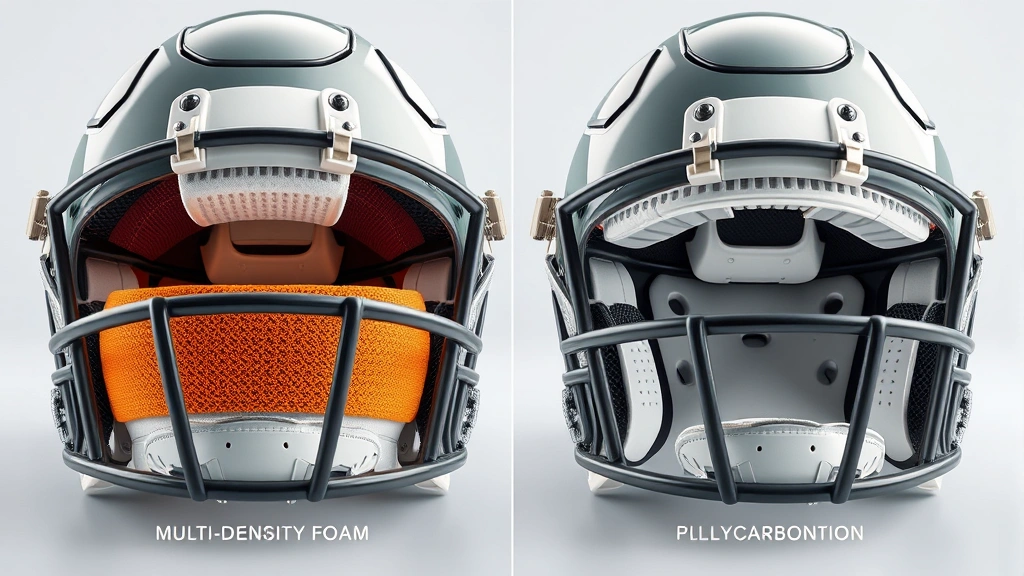
Modern youth football helmets employ sophisticated materials science to maximize protection. The outer shell is typically made from polycarbonate or a polycarbonate composite blend that resists cracking and maintains structural integrity after multiple impacts. This rigid outer shell spreads impact force across a wider area, reducing concentrated pressure on any single point.
The padding system—located between the outer shell and your child’s head—is where most impact energy is actually absorbed. Premium helmets use multi-density foam padding with different hardness levels in different zones. Softer padding on the sides absorbs rotational forces, while firmer padding on top handles direct impacts. Some manufacturers incorporate gel-based padding that adapts to individual head shapes and provides customized protection.
Advanced technology like Riddell’s Revolution IQ and Schutt’s Caliber system use graduated padding to optimize energy absorption across the entire helmet. These systems have been independently tested and shown to reduce peak impact forces by 10-15% compared to traditional single-density padding. For young athletes still developing physically, this incremental improvement in protection is significant.
Ventilation is another critical material consideration. Quality youth football helmets include strategically placed vents that allow airflow without compromising structural integrity. Better ventilation keeps young players cooler during hot-weather practices and games, improving comfort and reducing heat-related illness risk.
Maintenance & Care
Proper helmet maintenance extends its lifespan and ensures consistent protection throughout your child’s youth football career. After each practice or game, wipe down the exterior with a damp cloth to remove dirt, sweat, and grass. Allow the helmet to air dry completely before storing it in a cool, dry location away from direct sunlight.
Inspect the helmet regularly for signs of damage. Look for cracks in the outer shell, compression marks in the padding, or deterioration of the chin strap. If you notice any damage, discontinue use immediately and contact the manufacturer about repair or replacement options. Many manufacturers offer refurbishment services that replace damaged padding or repair minor shell damage.
The facemask should be checked for bent bars or loose fasteners before each use. Ensure that all attachment points are secure and that the mask sits at the correct angle. Bent facemasks reduce visibility and can fail to protect properly during impacts, so straighten or replace them promptly.
Every 2-3 months during football season, deep clean your child’s helmet using mild soap and warm water. Avoid harsh chemicals or high-pressure washers that can damage padding or the outer shell. Antimicrobial padding treatments can be reapplied annually to prevent odor buildup and bacterial growth.
Store the helmet on a helmet stand or rack rather than laying it on its side, which can compress padding unevenly. Keep it away from extreme temperatures and humidity, as these environmental factors can degrade materials over time. Never leave a helmet in a hot car or direct sunlight for extended periods.
Budget-Friendly Options Without Compromising Safety
Quality youth football helmets don’t always require a premium investment. Several manufacturers offer excellent protection at reasonable prices ($250-$350) that rival more expensive options in safety performance. The key is prioritizing NOCSAE certification and proper fit over brand prestige or additional features your child may not need.
Consider purchasing from reputable sporting goods retailers that offer professional fitting services. Many stores provide this service at no additional cost, ensuring your child gets the right size and proper adjustment. This expert guidance can save you money by preventing poor purchases that need to be replaced.
If your child is still growing rapidly (typical for ages 10-14), consider a helmet with adjustable padding systems. This feature extends the usable lifespan by allowing size adjustments as your child’s head grows. While the initial cost might be slightly higher, the longevity makes it more economical than replacing the entire helmet annually.
Many youth football programs negotiate bulk discounts with manufacturers for team purchases. If your child’s program hasn’t explored this option, suggest it to coaches or program directors. Bulk purchases can reduce per-helmet costs by 15-25%, making quality protection more accessible to all families regardless of budget.
Research previous-season models from major manufacturers. Retailers often discount last year’s helmets when new models release, even though the safety technology remains current and effective. A 2-3 year old Riddell or Schutt model will provide equivalent protection to the latest version at significantly lower cost.
FAQ
How often should youth football helmets be replaced?
Helmets should be replaced every 3-5 years or immediately after significant impacts that cause visible damage. The padding degrades over time, reducing effectiveness even if the outer shell appears intact. If your child experiences a concussion or significant head impact, replace the helmet even if damage isn’t visible. Many manufacturers offer replacement programs that provide discounts on new helmets after major impacts.
Can my child wear a hand-me-down helmet?
Only if it’s from a sibling or close family member and fits properly without gaps. Used helmets may have hidden damage to padding or the shell that compromises protection. Always have a used helmet inspected by a professional fitter before allowing your child to wear it. If the helmet has been involved in any significant impacts, it should be replaced rather than reused.
What’s the difference between youth and adult football helmets?
Youth helmets are sized smaller and designed specifically for developing heads. The padding systems in youth models are often softer to account for thinner skulls and less neck strength. Adult helmets are too large and heavy for young athletes, creating safety hazards and discomfort. Always select helmets specifically designed for your child’s age group.
Do expensive helmets always provide better protection?
Not necessarily. All helmets meeting NOCSAE standards provide baseline protection. Premium-priced helmets often offer additional features like advanced padding systems, better ventilation, or superior comfort—but these don’t always translate to significantly better protection. Proper fit matters more than price. A correctly fitted $300 helmet outperforms an expensive helmet that doesn’t fit properly.
How can I tell if my child’s helmet fits correctly?
The helmet should sit level on the head with no gaps between padding and skin. Your child should only be able to fit one finger under the chin strap when fastened. The helmet shouldn’t shift when your child shakes their head vigorously. If these conditions aren’t met, adjust padding or select a different size. Professional fitting services ensure accuracy.
Are reconditioned helmets safe?
Yes, if they’ve been professionally reconditioned by the manufacturer. Many helmet makers offer refurbishment services that replace all padding, inspect the shell for damage, and restore the helmet to like-new condition. This is more economical than purchasing new while maintaining safety standards. Avoid purchasing reconditioned helmets from unknown sources without verification of refurbishment quality.
Should I buy a helmet with extra features I might not need?
Focus on safety and fit rather than unnecessary features. Bells and whistles like premium facemask designs or specialized padding don’t significantly improve protection for most young athletes. However, if your child plays a specific position, certain features (like wider facemasks for linemen) may be worthwhile. Discuss position-specific needs with coaches before purchasing.
How does helmet technology continue to improve?
Research into concussion prevention and impact dynamics continuously leads to better padding materials, shell designs, and overall protection. The Sports Health journal regularly publishes studies on helmet effectiveness. Manufacturers incorporate these findings into new models, so staying current with recent releases ensures access to the latest protective technology.
Can helmet choice really prevent concussions?
Quality helmets significantly reduce the risk of skull fractures and severe traumatic brain injuries, but no helmet eliminates concussion risk entirely. CDC research shows that proper tackling technique, neck strengthening, and overall fitness are equally important for concussion prevention. Use quality helmets as one component of a comprehensive injury prevention strategy, not as a complete solution.


