
Best Youth Football Helmet: Parent Guide
Selecting the right youth football helmet is one of the most critical decisions a parent can make for their young athlete’s safety. With countless options available and varying price points, understanding helmet technology, safety ratings, and proper fit can feel overwhelming. This comprehensive guide breaks down everything you need to know to protect your child while they develop their skills on the field.
Football-related head injuries have become a significant concern for parents, coaches, and medical professionals alike. The American Academy of Pediatrics emphasizes that proper helmet selection and fit can reduce the risk of concussions and traumatic brain injuries by up to 50 percent. Your investment in a quality helmet isn’t just about compliance—it’s about safeguarding your child’s long-term health and cognitive development.
Whether your child is playing Pop Warner, high school football, or competitive youth leagues, this guide will equip you with the knowledge to make an informed decision that prioritizes both safety and performance.

Understanding Helmet Safety Standards
Before purchasing any youth football helmet, you must understand the certifications and safety standards that govern helmet manufacturing. The National Operating Committee on Standards for Athletic Equipment (NOCSAE) establishes the rigorous testing protocols that all football helmets must meet in the United States. Helmets bearing the NOCSAE seal have undergone extensive impact testing to ensure they can withstand the forces generated during football collisions.
The CDC’s Heads Up program provides parents with evidence-based information about concussion prevention and recognition. NOCSAE certification involves dropping helmets from specific heights onto anvils with controlled impact forces, measuring how well the helmet absorbs and dissipates energy. This testing ensures consistent quality across all certified models.
Beyond NOCSAE certification, some manufacturers pursue additional independent testing through organizations like the American College of Sports Medicine (ACSM). These extra measures demonstrate a commitment to youth safety that goes above minimum legal requirements. Always verify that any helmet you consider carries current NOCSAE certification—never purchase outdated or uncertified models, regardless of price.
The Riddell Revolution Speed, Schutt F7, and Xenith Epic models are among the most thoroughly tested youth helmets on the market, with independent research supporting their effectiveness in reducing rotational forces during impact.
Key Features to Look For
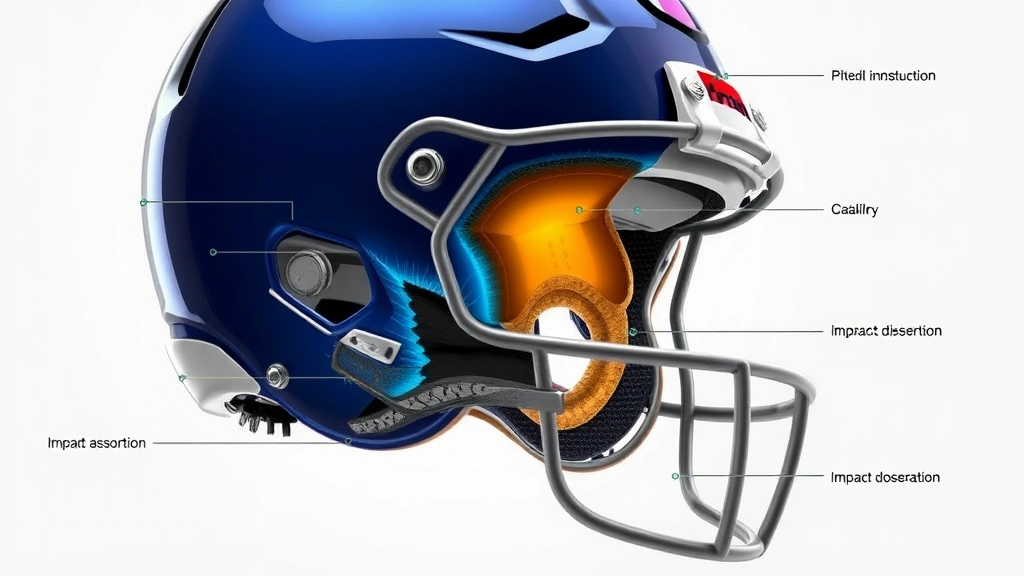
Modern youth football helmets incorporate several advanced features designed to enhance protection. Understanding these features helps you evaluate whether a helmet justifies its price point and matches your child’s specific needs.
Shell Construction: Premium youth helmets use polycarbonate or thermoplastic shells that distribute impact forces more effectively than traditional materials. Dual-density foam liners provide superior shock absorption compared to single-density alternatives. The shell’s design should include proper ventilation channels to prevent heat buildup during practices and games.
Face Mask Design: The face mask protects against direct facial impacts while allowing adequate visibility and airflow. Youth helmets typically feature lighter, more flexible face masks than adult models, reducing neck strain during extended wear. Titanium-coated or stainless steel masks offer superior durability for players who spend significant time in contact drills.
Padding Systems: Quick-release or removable padding allows for easier cleaning and replacement as your child grows. Moisture-wicking materials help prevent bacterial growth and reduce odor—critical for maintaining hygiene throughout a long season.
Chin Strap Configuration: A properly designed chin strap system keeps the helmet secure during play while remaining comfortable enough for all-day wear. Four-point chin straps distribute pressure more evenly than two-point systems, reducing discomfort and preventing helmet rotation during contact.
When evaluating youth helmets, consider your child’s position and playing style. Defensive backs might prioritize visibility and lightweight construction, while linemen benefit from maximum impact protection and stability. Check the WIAA football scores to see which teams use specific helmet models—many youth programs standardize equipment for consistency and team identity.
Top Youth Football Helmet Brands
Several manufacturers dominate the youth football helmet market, each offering distinct advantages:
Riddell: The market leader in youth football helmets, Riddell’s Revolution Speed and Speedflex models combine proven safety technology with comfort features designed specifically for developing athletes. Their extensive research partnerships with universities have contributed significantly to modern helmet design principles.
Schutt Sports: Schutt’s F7 line represents their flagship youth offering, featuring innovative padding systems and shell designs that have earned recognition from sports medicine professionals. Their commitment to customization options allows better personalization for different head shapes and sizes.
Xenith: Xenith helmets emphasize rotational impact reduction through their adaptive head protection system. Their youth models maintain the same core safety philosophy as their adult counterparts, making them excellent choices for developing athletes who prioritize cutting-edge protection technology.
Rawlings: Offering excellent value without compromising safety, Rawlings helmets serve many youth programs looking for NOCSAE-certified equipment at more accessible price points. Their NRG series provides solid protection for recreational and competitive youth players.
Research published in Sports Health: A Multidisciplinary Approach suggests that helmet brand matters less than proper fit and maintenance—a well-fitted Rawlings helmet outperforms a poorly fitted premium model. Your selection should balance brand reputation with individual fit characteristics.
Check Peak Play Arena Blog for reviews and recommendations from coaches who work directly with youth players and understand real-world equipment performance.
Proper Helmet Fitting Guide
Even the most technologically advanced youth football helmet provides inadequate protection if it doesn’t fit correctly. Improper fit accounts for many preventable head injuries in youth football. Follow these steps to ensure optimal fit:
Measure Head Circumference: Use a soft measuring tape to measure around your child’s head approximately one inch above the eyebrows and ears. Record this measurement in both inches and centimeters, as manufacturers use different standards. Most youth helmets accommodate head sizes ranging from 20 to 23.5 inches in circumference.
Test the Shell Fit: Place the helmet on your child’s head without fastening the chin strap. The helmet should sit level, covering the forehead without tilting forward or backward. You should be able to fit one finger between the helmet and forehead—any more space indicates improper fit.
Adjust the Padding: Most youth helmets include adjustable padding systems. Add or remove padding layers until the helmet contacts your child’s head uniformly around the crown. Pressure points indicate padding misalignment that requires adjustment.
Secure the Chin Strap: Fasten the chin strap snugly—you should fit one finger between the strap and chin. Have your child move their head side-to-side and forward-backward. The helmet should move minimally with the head, not shift or rotate independently.
Perform the Fit Test: Have your child wear the properly fitted helmet for 15-20 minutes. Any persistent discomfort, pressure points, or visibility obstruction indicates the need for further adjustment. Growing youth athletes should have their helmets refitted every 6-8 weeks during the season.
Professional fitting services at sporting goods retailers provide invaluable guidance, especially for first-time helmet purchases. Many stores offer free fitting assistance when you purchase a helmet, which justifies shopping locally despite potentially higher prices than online retailers.
Maintenance and Replacement
Proper maintenance extends helmet lifespan and ensures consistent protection throughout your child’s playing career. Establish a regular maintenance routine:
Weekly Cleaning: Wipe down the exterior shell with a damp cloth to remove dirt and grass stains. Clean the interior padding with mild soap and water, ensuring complete drying before the next use. This prevents bacterial growth and odor accumulation.
Inspect for Damage: Before each practice and game, visually inspect the helmet for cracks, dents, or padding deterioration. Any visible damage compromises protection and warrants professional assessment or replacement. Small cracks in the shell can propagate during impacts, potentially causing catastrophic failure.
Replace Padding Seasonally: Most manufacturers offer replacement padding kits designed specifically for their helmet models. Replacing padding annually maintains optimal comfort and impact absorption, even if the shell remains undamaged.
Storage Considerations: Store helmets in cool, dry environments away from direct sunlight. Extreme heat can degrade both shell and padding materials, reducing protective effectiveness. Never store helmets in vehicles where temperature fluctuations cause material degradation.
Replacement Timeline: The National Federation of State High School Associations recommends replacing helmets every 10 years, regardless of condition. Youth players typically need replacement every 2-4 years due to head growth and material degradation from repeated impacts. Document purchase dates and keep receipts for warranty purposes.
After significant impacts or suspected concussions, have helmets professionally evaluated. Some damage isn’t visible to the naked eye but compromises the helmet’s protective capacity. Many manufacturers offer impact assessment services where they examine helmets and certify whether continued use is safe.
Budget Considerations
Youth football helmets range from approximately $150 to $500, depending on brand, materials, and included features. Understanding how to allocate your budget ensures you maximize protection without overspending:
Entry-Level Helmets ($150-$250): NOCSAE-certified models from established manufacturers like Rawlings and older Riddell lines provide solid protection for recreational players. These helmets meet all safety standards and perform adequately for youth who play casually or are new to the sport.
Mid-Range Helmets ($250-$350): This category includes current-generation models from major manufacturers, featuring improved padding systems and construction techniques. Most competitive youth programs standardize equipment in this range, balancing safety investment with program budgets.
Premium Helmets ($350-$500): Top-tier models incorporate the latest impact-reduction technology and customization options. These helmets benefit players with specific needs or those planning multi-year use, as superior durability justifies higher initial investment.
Many youth football programs offer helmet programs where parents pay modest fees ($25-$75) and the program provides NOCSAE-certified equipment. This approach ensures all participants have properly fitted, well-maintained helmets while reducing individual family costs. Investigate whether your child’s program offers such arrangements before making independent purchases.
Consider the total cost of ownership, including replacement padding, professional fitting services, and eventual replacement. A $300 helmet maintained properly and used for three seasons costs $100 annually, while a $200 helmet replaced yearly costs similar amounts. Quality helmets often prove more economical long-term.
Review fantasy football draft strategy discussions where equipment investment strategies are sometimes debated—the principles of allocating resources wisely apply equally to protective equipment selection.
FAQ
At what age should youth players wear football helmets?
Players should wear properly fitted helmets beginning at age 6-7 when they first engage in contact football activities, including tackle football and many flag football leagues. Even recreational and practice environments warrant helmet use whenever contact is possible.
Can my child wear a hand-me-down helmet?
Hand-me-down helmets are generally not recommended unless they’re less than 10 years old, show no signs of damage, and fit your child properly after padding adjustment. Helmets may have sustained impacts you’re unaware of, compromising their protective capacity. When in doubt, purchase a new helmet.
How often should helmets be professionally reconditioned?
Professional reconditioning—where helmets are thoroughly cleaned, inspected, and repadded—should occur annually for heavily used helmets. Youth players benefiting from college football predictions discussions might aspire to collegiate play; investing in helmet maintenance now establishes good equipment stewardship habits.
What’s the difference between youth and adult football helmets?
Youth helmets feature smaller shell sizes, lighter face masks, and padding optimized for developing heads. They’re specifically engineered for the proportions and impact forces experienced by younger athletes, making them essential rather than just convenient alternatives.
Do expensive helmets prevent concussions?
While premium helmets reduce impact forces and rotational acceleration more effectively than budget models, no helmet completely prevents concussions. Concussion prevention requires proper tackling technique, neck strengthening exercises, and overall impact management. Helmets should be one component of a comprehensive safety strategy, not a standalone solution.
How do I know if a helmet is outdated?
Check the manufacturing date on the helmet’s interior. NOCSAE standards evolve approximately every 5-10 years as research advances. Helmets manufactured more than 10 years ago should be replaced regardless of condition, as materials degrade and safety standards have evolved considerably.
Should my child’s helmet match their team colors?
While team aesthetics matter to youth athletes, safety should always take priority. If your program requires specific helmet colors, ensure the color option is available in a properly fitting, NOCSAE-certified model. Never compromise fit or safety for cosmetic preferences.
Can helmets be painted or customized?
Most manufacturers recommend against painting helmets, as paint can degrade shell materials and create additional weight. If customization is essential, use manufacturer-approved decals and custom padding rather than paint. Check your program’s policies before customizing equipment.


