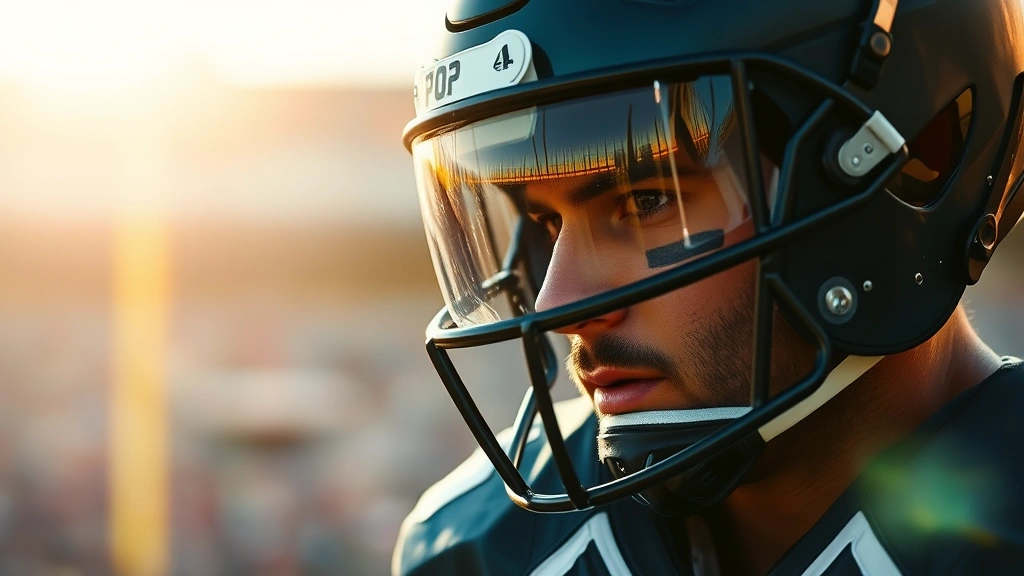
Choosing the Best Visor for Football? Pro Advice
When you step onto the football field, every piece of equipment matters—and your visor is no exception. Whether you’re a quarterback reading the defense, a receiver tracking the ball downfield, or a defensive back in coverage, the right visor can significantly impact your performance and safety. A quality football visor reduces glare, enhances contrast, protects your eyes from UV rays, and gives you that competitive edge when milliseconds matter. The challenge? With dozens of brands, tints, and styles available, finding the perfect visor requires understanding what separates elite equipment from mediocre gear.
This comprehensive guide breaks down everything you need to know about selecting the best visor for American football. We’ll explore the science behind lens technology, help you understand different visor types, and provide expert recommendations based on position-specific needs and playing conditions. By the end, you’ll know exactly which visor matches your game and budget.
Why Football Visors Matter: The Science Behind Eye Protection
Your eyes are your most critical sensory tool in football. Studies from sports vision experts show that the American College of Sports Medicine emphasizes visual performance as fundamental to athletic success. A quality visor does far more than look cool—it’s a performance and safety device that protects your eyes from:
- UV radiation: Extended sun exposure increases cataracts, macular degeneration, and photokeratitis risks
- Glare and brightness: Reduces pupil constriction, allowing better focus and depth perception
- Impact protection: Creates a barrier against fingers, elbows, and accidental contact
- Environmental hazards: Shields against dust, wind, and debris during outdoor games
Research in sports ophthalmology demonstrates that athletes wearing proper eye protection show improved reaction times and ball-tracking accuracy. When you reduce glare and enhance contrast, your brain processes visual information faster—crucial for reading defensive formations or tracking a spiral through the air. The science is clear: investing in the right visor isn’t vanity; it’s performance optimization.
Beyond physical protection, visors affect your mental game. Knowing your eyes are protected allows you to play with confidence and aggression. You won’t hesitate on contact or worry about sun glare affecting crucial plays. That psychological edge translates directly to on-field performance.
Types of Football Visors Explained
Football visors come in several distinct categories, each designed for different needs and preferences:
Full-Face Visors: These extend across your entire face, providing maximum protection and coverage. They’re popular among players who want comprehensive UV protection and maximum glare reduction. However, they can feel heavier and may slightly restrict peripheral vision for some athletes. Full-face visors work exceptionally well in bright, sunny conditions and are often chosen by outdoor position players.
Half-Face Visors: The most popular choice, half-face visors cover the upper portion of your face from the helmet’s front bar downward. They offer an excellent balance of protection, visibility, and comfort. Most professional and college players opt for this style because it provides substantial coverage without sacrificing peripheral vision or adding excessive weight.
Eye-Shield Visors: These are smaller, more minimalist designs that protect primarily around the eye area. They’re lighter weight and offer minimal obstruction, making them ideal for players who prioritize unrestricted vision over maximum coverage. Quarterbacks and some defensive backs prefer this style for enhanced sight lines.
Tinted vs. Clear Visors: Clear visors offer maximum light transmission and are ideal for indoor games or low-light conditions. Tinted visors reduce light transmission (typically 25-60%) and are perfect for bright outdoor games. Some players use multiple visors to swap depending on weather conditions.
Your position, playing environment, and personal preference should guide your choice. Understanding how to avoid sports injuries includes proper eye protection selection for your specific role on the field.
Lens Tints and Light Conditions
Choosing the right lens tint is crucial for optimizing your vision in different lighting scenarios:
Clear Visors (0-10% tint): Best for night games, heavily overcast days, and indoor football. They maximize light transmission, allowing you to see with maximum clarity in low-light conditions. Clear visors are also mandated for certain league competitions where visibility rules apply.
Light Amber/Rose (15-25% tint): Ideal for partly cloudy days and variable lighting. These tints enhance contrast without significantly reducing brightness, making them versatile choices for early morning or late afternoon games. Many players appreciate light amber for increasing ball visibility against the sky.
Medium Smoke (35-50% tint): The most popular choice for bright, sunny conditions. Medium smoke reduces glare effectively while maintaining adequate light transmission for clear vision. This is the go-to option for most outdoor games during mid-day or afternoon schedules.
Dark Smoke (55-75% tint): Reserved for extremely bright conditions—think high-altitude games, desert environments, or intense midday sun. Dark smoke provides maximum glare reduction but requires adequate ambient light to function effectively. Some leagues restrict dark tints due to visibility concerns.
Mirror/Reflective Tints: These advanced coatings reflect light away from your eyes, providing exceptional glare reduction while maintaining good light transmission. Mirror visors are popular among elite athletes because they offer superior performance in extreme brightness. They’re also highly visible to fans and opponents, which some players appreciate.
Pro tip: Many serious players keep multiple visors in their equipment bag. Swap your visor based on weather conditions before the game starts. The 30 seconds you spend changing visors can mean the difference between seeing clearly and squinting through crucial plays.
Position-Specific Visor Recommendations
Quarterbacks: Your primary concern is reading the defense and tracking receivers downfield. Many elite QBs prefer half-face or eye-shield visors in medium smoke for bright games and clear visors for night games. You want maximum visual clarity and minimal obstruction. The ability to see the entire field without any visual interference is paramount.
Wide Receivers and Tight Ends: You need excellent vertical vision for tracking the ball in the air. Half-face visors in medium to dark smoke work well because they reduce glare while allowing you to look upward without obstruction. Mirror tints are popular at this position because they enhance ball visibility against bright skies.
Defensive Backs: Like receivers, you’re constantly tracking the ball vertically and horizontally. Half-face medium smoke or dark smoke visors give you the glare reduction needed for coverage while maintaining the peripheral vision essential for help-over-top situations. Some DBs prefer light amber tints to enhance contrast when reading receiver movements.
Linebackers: You need wide peripheral vision for reading run plays and tracking lateral movement. Many linebackers prefer eye-shield or half-face light amber visors that minimize visual obstruction. You’re less concerned with extreme glare reduction and more focused on unrestricted sight lines across the entire field.
Offensive and Defensive Linemen: Your vision is primarily horizontal and close-range. Eye-shield or light tint visors work well because you need to see hand placement, pad level, and gap assignments clearly. Extreme glare reduction is less critical than maintaining perfect close-range clarity.
Top Visor Brands and Models
Oakley: The gold standard in sports eyewear, Oakley dominates professional football. Their Prizm technology uses advanced lens coatings to enhance color and contrast, giving you superior ball-tracking ability. Oakley visors are premium-priced but offer unmatched durability and optical clarity. Many NFL players swear by Oakley’s performance advantages.
Ridley: Ridley specializes exclusively in football visors and helmets, making them experts in this niche. Their visors are lighter weight than competitors and offer excellent optical clarity. Ridley is the official visor supplier for many college programs and offers position-specific recommendations.
Schutt: Known for football helmets, Schutt also produces quality visors that integrate seamlessly with their helmet systems. Their visors are durable, affordable, and widely available at sporting goods retailers. Schutt is an excellent choice for budget-conscious players without sacrificing quality.
Xenith: Xenith focuses on impact protection technology, and their visors reflect this commitment to safety. Their visors are slightly heavier but offer exceptional durability and protective features. If you prioritize maximum protection over minimal weight, Xenith deserves consideration.
Bauer: While primarily known for hockey equipment, Bauer’s football visors are gaining popularity. They offer competitive pricing and good optical quality, making them accessible to youth and high school players.
Don’t just chase brand names—test visors whenever possible. Optical clarity varies between individuals due to prescription needs and personal preferences. What works perfectly for your teammate might feel wrong for you.
Fit, Comfort, and Installation Guide
Even the best visor performs poorly if it doesn’t fit correctly. Follow these installation guidelines:
Measuring Your Helmet: Most visors attach to the face mask using mounting brackets. Measure the width of your helmet’s front bar to ensure compatibility. Standard football helmets accept universal visors, but oversized or specialty helmets may require specific models.
Mounting Hardware: Visors attach using clips that screw onto your helmet’s face mask bars. Ensure all mounting points are secure before wearing your helmet. Loose visors shift during play, obstructing vision and creating safety hazards. Check hardware tightness before every practice and game.
Visor Height Adjustment: Most visors allow vertical height adjustment. Position your visor so the top edge aligns with your eyebrows when looking straight ahead. Too high and it won’t protect your eyes; too low and it obstructs your vision. Finding the perfect position requires minor trial-and-error.
Angle Adjustment: Many visors tilt slightly forward or backward. Adjust the angle so the lens sits roughly parallel to your face, creating an even distance between your eyes and the visor. Improper angles create optical distortion and uneven protection.
Comfort Considerations: Your visor shouldn’t create pressure points or hot spots on your helmet. If you experience discomfort, adjust the mounting brackets or consider a different visor model. Comfort directly impacts performance—you can’t focus on the game if your equipment bothers you.
After installation, wear your helmet during warm-ups to ensure everything feels right. Make adjustments before your first competitive play, not during the game when stakes are highest.
Maintenance and Durability
Proper maintenance extends your visor’s lifespan and preserves optical clarity:
Cleaning: Use only soft microfiber cloths for cleaning. Never use paper towels, your jersey, or abrasive materials that scratch the lens coating. Rinse with cool water if needed, then dry with your microfiber cloth. Scratched visors reduce optical quality and increase glare.
Storage: Store visors in protective cases when not in use. Avoid leaving visors in hot vehicles or direct sunlight for extended periods, as heat can damage lens coatings and plastic components.
Replacement Schedule: Quality visors last 2-3 seasons with proper care. If you notice scratches affecting vision, clouding, or coating peeling, it’s time for replacement. Don’t compromise on vision quality by using damaged visors.
Coating Damage: Anti-reflective and mirror coatings are durable but not indestructible. Avoid touching the lens surface unnecessarily, and never use abrasive cleaners. If coating damage occurs, replacement is usually more cost-effective than repair.
Hardware Maintenance: Check mounting brackets and screws regularly. Tighten any loose hardware immediately. Corroded brackets should be replaced to maintain secure attachment.
Think of your visor as consumable equipment, like cleats or gloves. Budget for periodic replacement as part of your annual equipment investment. Elite athletes replace visors proactively rather than reactively, ensuring peak optical performance throughout the season.
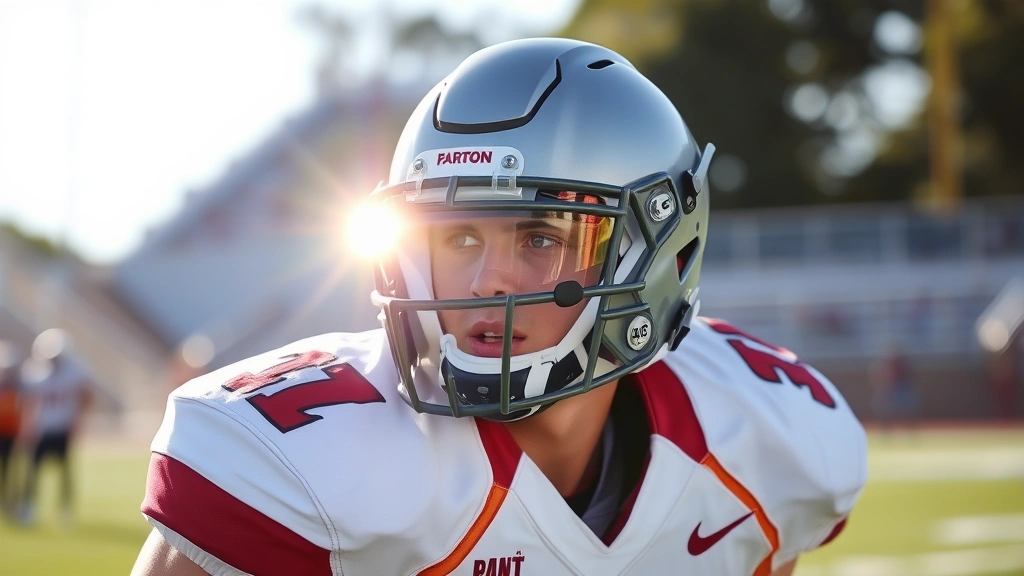
Selecting the best football visor requires balancing protection, performance, and personal preference. The investment you make in quality eye protection pays dividends in confidence, safety, and on-field results. Whether you’re playing high school football or competing at the college level, the right visor elevates your game. Start by identifying your position-specific needs, consider the lighting conditions where you play most frequently, and test multiple options before committing to a purchase. Your eyes are irreplaceable—protect them with the best visor your budget allows.
FAQ
Are all football visors universal?
Most standard football visors are universal and fit standard helmet face masks. However, some specialty helmets (oversized models or certain brands) may require specific visor designs. Always verify compatibility with your helmet model before purchasing.
Can you wear a visor with glasses or contacts?
Yes, absolutely. Many players wear corrective lenses under their visors. If you wear glasses, ensure they fit comfortably inside your helmet with the visor. Contact lenses are often preferred because they eliminate the potential for glasses to shift or fog under the visor.
Do NFL players use different visors for different games?
Absolutely. Professional players typically keep multiple visors in different tints. They assess weather conditions before games and select the visor providing optimal vision for that specific environment. This level of preparation separates elite athletes from casual players.
Can visors be tinted after purchase?
No, visors cannot be effectively tinted after manufacturing. The tint is applied during production as part of the lens material or coating. You must purchase the correct tint initially.
How much do quality football visors cost?
Budget visors range from $30-60, mid-range options cost $60-120, and premium models (Oakley, Ridley) cost $120-200+. While expensive, premium visors offer superior optical clarity and durability that justify the investment for serious players.
Do dark visors really reduce glare?
Yes, dark visors significantly reduce glare by decreasing light transmission to your eyes. However, they also reduce overall brightness, which can impair vision in low-light conditions. Match your visor darkness to your playing environment for optimal results.
What’s the difference between mirror and smoke tints?
Mirror tints use reflective coatings to bounce light away from your eyes, while smoke tints absorb light. Mirror visors provide superior glare reduction in extreme brightness but are slightly more expensive. Smoke tints offer excellent performance at lower cost.
Can you wear a visor in all leagues?
Most leagues allow visors, but some restrict certain colors or tints for visibility reasons. Verify your league’s rules before purchasing. High school and college football typically allow most visor types, while some youth leagues may have restrictions.
How do you remove a visor for cleaning?
Most visors attach with simple screw-on brackets. Use a screwdriver to remove the mounting screws, then gently pull the visor away from the helmet. Reverse the process to reinstall. Never force a visor, as you may damage the brackets or helmet.
Do visors affect your hearing or communication?
Quality visors are designed to not interfere with communication or hearing. However, some players report that certain visor styles create minor acoustic changes. Test your visor during practice to ensure it doesn’t affect your ability to hear play calls or communicate with teammates.


