Is Tackle Football Good Exercise? Expert Opinions on Athletic Benefits and Health Considerations
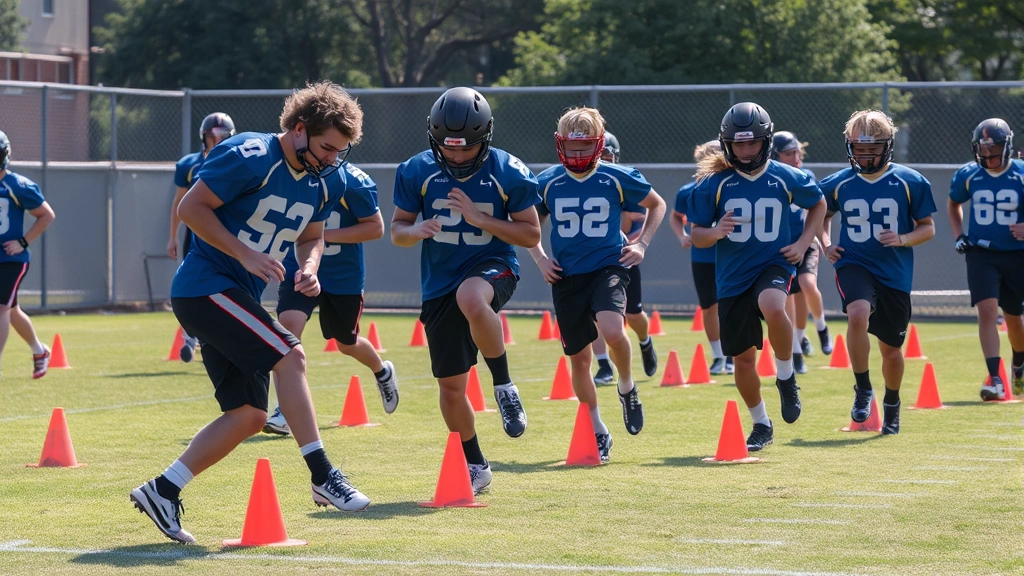
Tackle football stands as one of the most physically demanding sports in the world, engaging athletes in explosive movements, strategic thinking, and intense cardiovascular challenges. Whether you’re considering getting involved in the sport or evaluating its fitness benefits, understanding the comprehensive exercise value of tackle football requires examining both the cardiovascular and muscular advantages alongside legitimate safety concerns. This guide explores what fitness experts, sports scientists, and athletic organizations say about tackle football as a legitimate form of exercise.
The question isn’t simply whether tackle football provides exercise benefits—it clearly does. Rather, the conversation centers on maximizing those benefits while implementing proper injury prevention strategies, understanding position-specific physical demands, and recognizing how football training complements broader fitness goals. Athletes who play tackle football develop explosive power, cardiovascular endurance, agility, and mental toughness that transfer across multiple athletic domains.
Cardiovascular and Metabolic Benefits
Tackle football delivers exceptional cardiovascular conditioning through its unique combination of high-intensity interval training and sustained effort. The American College of Sports Medicine recognizes football as a legitimate cardiovascular exercise modality that significantly improves aerobic and anaerobic fitness. During a typical game or practice, football players experience repeated sprints, directional changes, and recovery periods that mirror scientifically-proven HIIT protocols.
The sport’s intermittent nature—with explosive plays followed by brief recovery periods—forces the cardiovascular system to adapt in ways that traditional steady-state cardio cannot replicate. Players working at the professional and college levels maintain heart rates between 80-90% of maximum during active play sequences, creating substantial cardiovascular demand. Studies published in the Journal of Sports Sciences demonstrate that football players develop superior VO2 max improvements compared to athletes engaged in single-sport endurance training.
Beyond immediate cardiovascular benefits, tackle football enhances metabolic flexibility and caloric expenditure. A 200-pound athlete playing full intensity can burn 400-600 calories per hour during competition, with additional metabolic elevation continuing post-exercise through excess post-exercise oxygen consumption (EPOC). This makes football an efficient tool for body composition management when combined with appropriate nutritional strategies.
Muscular Development and Strength Gains
The resistance demands embedded within tackle football create comprehensive muscular development across all major muscle groups. Unlike isolated strength training, football generates functional strength through dynamic, multi-planar movements against variable resistance (opposing players). This develops practical strength that transfers to real-world athletic applications and daily movement patterns.
Offensive and defensive linemen experience particularly intense muscular demands, generating forces exceeding 1,000 pounds during collision events. These athletes develop exceptional core stability, lower body power, and upper body pressing/pulling strength through repeated game situations. Wide receivers and defensive backs emphasize lower body explosive power and deceleration strength—critical for injury prevention and performance. Proper football training equipment supports systematic development of these position-specific strength qualities.
Research from the National Strength and Conditioning Association confirms that football athletes develop superior relative strength, power output, and muscular endurance compared to non-athletes. The sport’s demands stimulate hypertrophy through mechanical tension, metabolic stress, and muscle damage—the three primary mechanisms driving muscle growth. Collegiate and professional players typically display 15-25% greater muscle mass in primary movers compared to sedentary populations.
Agility, Coordination, and Functional Fitness
Tackle football uniquely develops agility, balance, and coordination through unpredictable, game-speed decision-making and movement execution. Unlike structured gym environments, football requires athletes to process visual information, predict opponent movements, and execute complex motor patterns under fatigue and pressure. This develops superior proprioception and neuromuscular control.
The sport demands rapid deceleration from maximum velocity—a critical component of functional fitness that reduces injury risk in daily activities and other sports. Defensive backs must change direction at 45-90 degree angles while maintaining balance and spatial awareness. Linebackers must accelerate, decelerate, and redirect within seconds. These demands develop functional strength and movement quality that single-plane gym exercises cannot replicate.
Cognitive demands intertwine with physical execution, requiring players to process complex information while maintaining peak physical output. This integration of mental and physical demands creates superior athletic development compared to purely physical training modalities. Understanding how long a football game lasts provides context for the sustained physical and mental demands athletes manage throughout competition.
Injury Risk and Safety Protocols
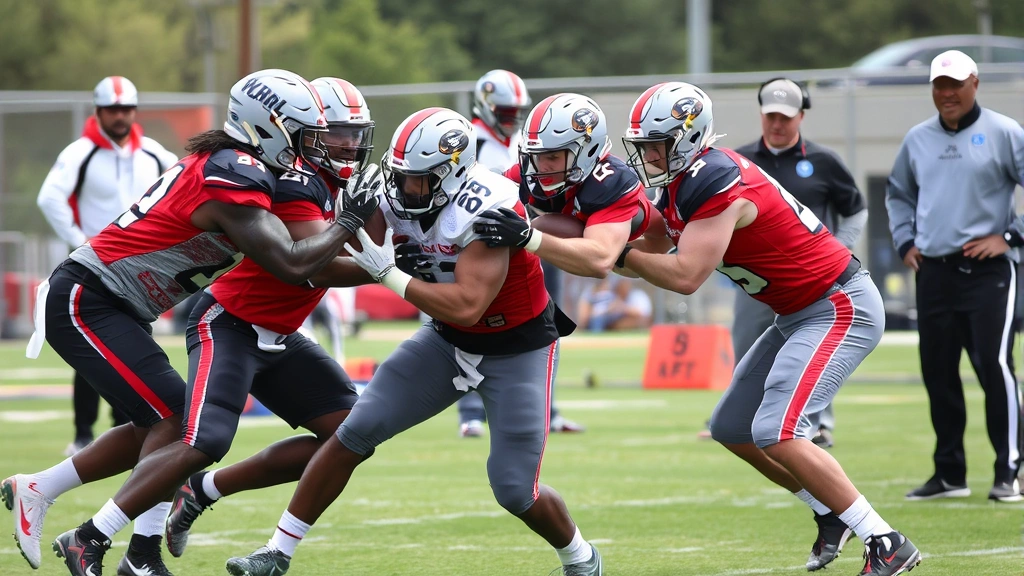
Honest assessment of tackle football’s exercise value requires acknowledging injury risks, particularly regarding head trauma and chronic traumatic encephalopathy (CTE). The Centers for Disease Control and Prevention documents that tackle football carries higher concussion rates than most other youth sports, with approximately 11.2 concussions per 10,000 athletic exposures in high school football.
However, modern injury prevention protocols substantially reduce these risks compared to historical football practices. Proper tackling technique—emphasizing shoulder contact, head positioning, and body leverage—reduces concussion incidence by 30-40% according to research in the American Journal of Sports Medicine. Organizations implementing evidence-based concussion protocols, neck strengthening programs, and appropriate return-to-play guidelines significantly improve safety profiles.
Youth football presents particular considerations, as developing brains may face different injury consequences than adult athletes. The American Academy of Family Physicians recommends comprehensive pre-participation screening, progressive tackling introduction in youth programs, and strict concussion management protocols. Many youth leagues now implement contact restrictions during practices, reducing cumulative head impacts while maintaining skill development.
Non-head injuries—including sprains, strains, and fractures—occur at rates comparable to other contact sports. Proper conditioning, technique development, and appropriate progression reduce these injuries substantially. Understanding football rules helps players recognize unsafe situations and maintain legal, safer play patterns.
Expert Recommendations for Safe Participation
Leading sports medicine physicians and conditioning specialists recognize tackle football’s legitimate exercise benefits while advocating for specific safety enhancements. Their consensus recommendations include:
- Technique-First Approach: Emphasize proper tackling mechanics before introducing contact, reducing improper head positioning and impact forces
- Neck Strengthening Programs: Targeted neck and upper trapezius strengthening improves head stability and reduces concussion susceptibility
- Progressive Introduction: Implement contact restrictions in youth programs, gradually introducing full-contact play as athletes develop physically and technically
- Concussion Protocols: Establish strict baseline testing, sideline assessment, and return-to-play timelines preventing premature return
- Comprehensive Conditioning: Develop cardiovascular fitness, muscular strength, and movement quality before demanding competition
- Appropriate Recovery: Implement rest days and off-season periods preventing cumulative fatigue and overuse injuries
The American Academy of Pediatrics supports youth football participation when programs implement evidence-based injury prevention measures, qualified coaching, and appropriate medical supervision. Organizations following these guidelines demonstrate injury rates comparable to or lower than non-contact sports.
Position-Specific Physical Demands
Different football positions create distinct exercise demands, each developing unique fitness qualities:
- Linemen (Offensive/Defensive): Exceptional lower body power, core stability, and upper body strength. Sustained isometric contractions develop strength-endurance. High collision forces create maximum muscular demands
- Linebackers: Superior agility, lateral quickness, and explosive vertical power. Constant directional changes develop exceptional functional fitness and deceleration strength
- Running Backs: Explosive horizontal power, acceleration, and multidirectional agility. Repeated high-velocity impacts develop lower body strength and power
- Wide Receivers/Defensive Backs: Maximum velocity sprint capability, lateral agility, and deceleration strength. Emphasis on lower body power and ankle stability
- Quarterbacks: Upper body rotational power, shoulder stability, and lower body balance. Emphasis on kinetic chain development and injury prevention
This position-specific variation means tackle football develops comprehensive fitness across diverse athletic qualities—something few single activities accomplish. Athletes training within their position develop highly specialized fitness profiles optimizing performance.
Understanding insights from the Peak Play Arena Blog provides additional context for optimizing football-specific fitness development and performance enhancement strategies.
FAQ
Does tackle football provide sufficient exercise for overall fitness?
Tackle football develops exceptional cardiovascular fitness, muscular strength, power, and agility. However, comprehensive fitness programs benefit from supplementary flexibility work, stability training, and sport-specific conditioning addressing individual weaknesses. Football alone provides excellent exercise but benefits from structured supplementary training.
At what age is tackle football appropriate as exercise?
Youth tackle football is generally appropriate for athletes 10+ years old who have developed sufficient physical maturity, coordination, and cognitive ability to learn proper technique. Younger children benefit from flag football variants emphasizing skill development without collision demands. Proper coaching and progressive introduction of contact remain essential regardless of age.
How does tackle football compare to other sports for exercise benefits?
Tackle football uniquely combines cardiovascular demands, explosive power development, agility training, and functional strength in a single activity. While specialized sports develop specific qualities more intensely (sprinting sports for speed, weightlifting for maximum strength), football develops comprehensive athletic fitness. Individual preference, accessibility, and injury risk tolerance guide sport selection.
Can tackle football cause long-term health problems?
Properly managed tackle football with evidence-based injury prevention protocols demonstrates safety comparable to many sports. However, repeated head impacts carry cumulative risk potential, particularly across multiple seasons. Individual medical history, previous concussions, and family neurological factors should inform participation decisions in consultation with sports medicine professionals.
What training should accompany tackle football for optimal fitness?
Comprehensive programs combine football training with targeted strength development, flexibility work, injury prevention exercises (particularly neck strengthening), and sport-specific conditioning. Following college football predictions and professional athlete development reveals how elite programs integrate structured supplementary training alongside on-field practice. Off-season conditioning, periodized strength programs, and movement quality development optimize results while reducing injury incidence.
Is tackle football safe for female athletes?
Female athletes can safely participate in tackle football with appropriate training, coaching, and injury prevention protocols. Research indicates females may face slightly elevated concussion risk due to neck strength differences, making targeted neck strengthening programs particularly valuable. Inclusive programs providing female-specific coaching and equipment sizing ensure safe, effective participation.


