Serie B Fitness Training: What Coaches Recommend
Serie B, Italy’s second-tier professional football league, demands exceptional physical conditioning from its athletes. Unlike the glamorous Serie A, Serie B players must demonstrate relentless work ethic, superior cardiovascular endurance, and explosive power to compete at this demanding level. Professional coaches across the league have refined their training methodologies over decades, creating a blueprint for success that combines traditional Italian football philosophy with modern sports science.
The fitness requirements for Serie B football are rigorous and multifaceted. Players must maintain peak aerobic capacity while developing anaerobic power for explosive sprints, tackles, and directional changes. Coaches emphasize that raw talent alone cannot sustain a professional career at this level—systematic conditioning, injury prevention, and intelligent periodization separate champions from the rest. This comprehensive guide reveals the exact training protocols, recovery strategies, and nutritional approaches that Serie B coaches implement to maximize player performance.
Aerobic Capacity Development for Serie B Players
Aerobic fitness forms the foundation of football performance at the professional level. Serie B coaches recognize that players must sustain intense effort throughout 90 minutes of competition, covering 10-12 kilometers per match. Building aerobic capacity requires systematic training that gradually increases cardiovascular demands without overloading the central nervous system.
The most effective method coaches employ is continuous moderate-intensity running, typically performed twice weekly. These sessions last 25-35 minutes at 70-80% of maximum heart rate, allowing players to develop aerobic enzymes and mitochondrial density. According to ACSM guidelines, this intensity zone optimizes fat oxidation while building aerobic foundation without excessive fatigue accumulation.
Variable intensity training, known as fartlek sessions, represents another cornerstone of aerobic development. Coaches structure these workouts with alternating hard and easy efforts—for example, 3 minutes at 85% effort followed by 2 minutes at 60% effort. This method mirrors match demands where players experience constant fluctuations in intensity. A typical fartlek session includes 8-10 repetitions over 30-40 minutes, developing the aerobic system’s ability to recover rapidly between efforts.
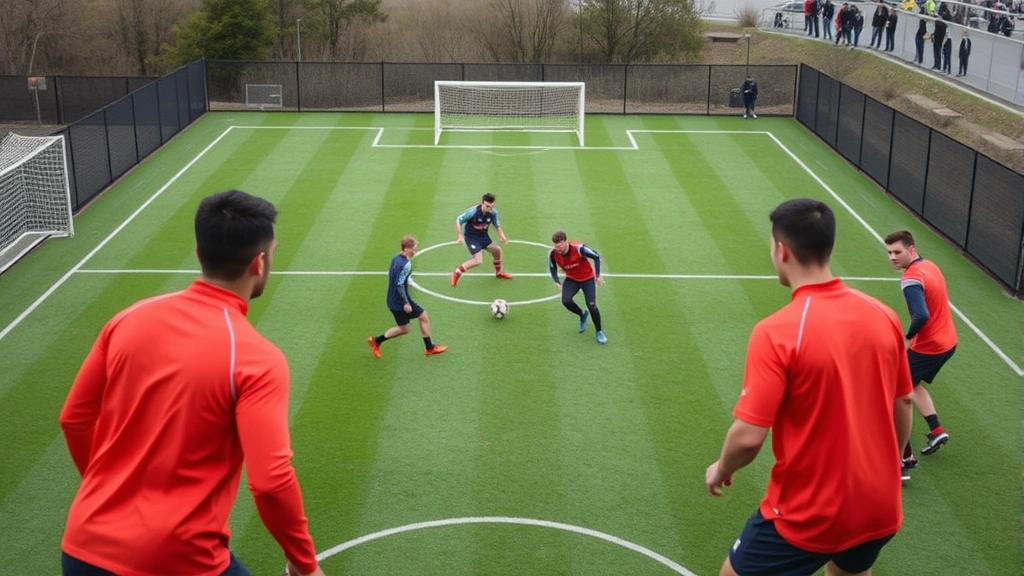
Small-sided games (SSGs) with reduced player numbers prove invaluable for developing aerobic capacity while maintaining tactical relevance. Coaches structure 4v4 or 5v5 matches on condensed pitches, forcing continuous high-intensity movement. Research from British Journal of Sports Medicine demonstrates that SSGs produce comparable aerobic adaptations to traditional running while improving decision-making and technical skills simultaneously.
Progressive overload remains essential throughout the season. Coaches incrementally increase training volume and intensity, monitoring heart rate variability and perceived exertion to prevent overtraining. Players typically complete aerobic development sessions 2-3 times weekly during base-building phases, reducing frequency during competition-heavy periods.
Anaerobic Power and Sprint Training Protocols
Match success in Serie B demands explosive power for sprints, directional changes, and competitive actions. Anaerobic training develops the phosphocreatine system and lactic acid tolerance necessary for repeated high-intensity efforts. Coaches implement specialized sprint protocols that build power while maintaining technical precision under fatigue.
Repeated sprint ability (RSA) training represents the gold standard for developing anaerobic capacity. These sessions involve 5-8 maximal sprints of 20-40 meters separated by short recovery periods (30-60 seconds). Players complete 2-3 sets of these sprint clusters, with 3-4 minutes recovery between sets. This structure forces the body to repeat maximal efforts despite incomplete recovery, mimicking match demands where fatigue accumulates progressively.
Coaches emphasize that sprint technique deteriorates under fatigue, potentially increasing injury risk. Therefore, technical reinforcement occurs throughout anaerobic sessions. Players perform dynamic warm-ups emphasizing proper running mechanics, stride length, and acceleration patterns before attempting maximal efforts. Video analysis helps athletes understand their sprint biomechanics, enabling conscious technique refinement.
Hill sprints offer unique advantages for developing explosive power while reducing impact forces compared to flat-ground sprinting. Coaches incorporate 6-8 hill repeats of 15-25 meters on moderate inclines, with walking recovery between efforts. The increased muscular demands build strength-power simultaneously with anaerobic capacity. Participants in these sessions also experience reduced injury risk due to naturally shortened stride length on inclines.
Contrast training methods—pairing heavy strength exercises with explosive movements—amplify anaerobic power development. A typical sequence involves 3-4 heavy squats followed immediately by 4-5 maximal vertical jumps. The neural potentiation from heavy loading enhances explosive force production during subsequent plyometric movements. Coaches schedule these sessions 48-72 hours apart, allowing complete nervous system recovery.
Strength Training for Football Performance
Professional coaches understand that strength training provides the foundation for injury prevention and power development. Serie B players require functional strength that translates directly to match performance—the ability to maintain possession against physical pressure, win aerial duels, and decelerate rapidly without injury.
Compound movements dominate strength programming. Coaches prioritize exercises like back squats, deadlifts, and bench presses performed for 3-5 sets of 4-8 repetitions at 85-95% of one-repetition maximum. This rep range optimizes strength development while maintaining power output. Players complete these sessions twice weekly, separated by 72 hours to ensure adequate recovery and nervous system adaptation.
Lower body strength training specifically targets the demands of football. Back squats build overall leg strength and stability, deadlifts develop posterior chain power essential for sprinting and jumping, and single-leg variations (Bulgarian split squats, step-ups) address imbalances and enhance unilateral strength. Coaches emphasize that asymmetries between legs increase injury risk, necessitating careful monitoring and targeted corrective work.
Core stability training receives substantial attention in professional programs. Players perform planks, anti-rotation exercises (Pallof presses), and dynamic core work 3-4 times weekly. A strong core improves balance during tackles, enhances force transfer during sprinting and jumping, and protects the lumbar spine during repetitive high-velocity movements. Coaches progress core exercises from static holds to dynamic movements with external resistance.
Plyometric training—explosive jumping and bounding movements—develops the stretch-shortening cycle essential for football performance. Players complete 2-3 plyometric sessions weekly, performing exercises like box jumps, depth jumps, and bounding sequences for 3-5 sets of 3-5 repetitions. These movements must be performed fresh, early in training sessions before fatigue compromises technique. Research from Journal of Sports Science & Medicine demonstrates that plyometric training improves vertical jump height by 8-15% within 8-12 weeks.
Tactical Periodization and Weekly Training Structure
Serie B coaches employ tactical periodization—organizing training around match demands and tactical principles rather than traditional periodization models. This approach ensures that fitness development occurs within contextually relevant football movements and tactical scenarios.
The weekly training structure typically follows this pattern: Match day (Saturday or Sunday) involves recovery protocols; Monday includes technical work at low intensity; Tuesday features high-intensity tactical training and small-sided games; Wednesday combines strength training with technical work; Thursday includes recovery or light technical sessions; and Friday involves tactical preparation for the upcoming opponent. This structure balances high-intensity demands with adequate recovery while maintaining tactical focus throughout.
Coaches carefully manipulate training density and intensity based on competitive schedule. During congested fixture periods with matches every 3-4 days, training volume decreases significantly while maintaining intensity. Single-week breaks between matches allow more comprehensive training blocks addressing specific fitness components.
Periodization phases align with seasonal demands. Pre-season training emphasizes aerobic base development and strength building, typically lasting 4-6 weeks before competitive matches begin. Early season focuses on maintaining fitness while developing tactical cohesion. Mid-season involves careful management of fatigue accumulation through strategic recovery weeks. Late season concentrates on maintaining peak performance through reduced volume and maintained intensity.
Monitoring training load becomes essential in periodized programs. Coaches utilize ACSM-recommended metrics including session RPE (rating of perceived exertion), heart rate variability, and jump performance to assess player readiness. When accumulated fatigue exceeds acceptable thresholds, coaches reduce volume or implement recovery-focused training days.

Injury Prevention and Mobility Work
Professional coaches recognize that injury prevention fundamentally impacts team success. Missing key players to preventable injuries directly undermines competitive performance. Therefore, systematic injury prevention receives equal priority to fitness development.
Dynamic warm-ups precede every training session and match, preparing the neuromuscular system for intense demands. These 10-15 minute protocols include leg swings, walking lunges, lateral shuffles, and progressive running-based movements. Dynamic warm-ups increase core temperature, improve joint mobility, and activate stabilizing musculature more effectively than static stretching.
Mobility work addresses the restricted ranges of motion that develop from intense training. Coaches implement 2-3 dedicated mobility sessions weekly, focusing on hip flexor flexibility, ankle mobility, and thoracic spine rotation. Restricted mobility in these areas increases injury risk and compromises movement quality. Players perform sustained stretches, foam rolling, and dynamic mobility drills, progressing from basic to advanced variations.
Neuromuscular training specifically targets injury mechanisms common in football. Balance and proprioceptive work—standing on unstable surfaces, single-leg exercises, and perturbation training—enhances the nervous system’s ability to prevent ankle and knee injuries. Eccentric strength training (emphasizing the lengthening phase of movements) builds tissue resilience and protects against muscle strains. Coaches incorporate these elements throughout training weeks, not as separate sessions but integrated into regular strength and conditioning work.
Players learn to recognize and report pain or discomfort immediately. Early intervention by sports medicine professionals prevents minor injuries from becoming serious problems. Regular screening assessments identify movement dysfunctions and asymmetries before they manifest as injuries. Coaches prioritize avoiding sports injuries through these proactive measures.
Recovery and Regeneration Strategies
Professional coaches understand that adaptation occurs during recovery, not during training itself. Training provides the stimulus; recovery allows physiological systems to strengthen and adapt. Therefore, sophisticated recovery protocols receive substantial investment and attention.
Sleep represents the most powerful recovery tool available to athletes. Coaches educate players on sleep hygiene, encouraging 8-9 hours nightly. During sleep, growth hormone secretion peaks, facilitating muscle protein synthesis and tissue repair. Sleep also consolidates motor learning and enhances decision-making ability—critical for match performance. Players who sleep insufficiently show decreased vertical jump performance, slower sprint times, and impaired decision-making.
Active recovery sessions promote blood flow to fatigued muscles without creating additional training stress. These sessions involve 20-30 minutes of low-intensity cycling or swimming at conversational pace, accelerating lactate clearance and metabolic waste removal. Coaches schedule active recovery sessions 24-48 hours after high-intensity training, on days when players would otherwise rest completely.
Massage and soft tissue work enhance recovery by improving circulation and addressing muscular tension. Professional massage therapists work with Serie B teams, providing pre-match preparations and post-match recovery treatments. Self-myofascial release using foam rollers allows players to address muscular tightness independently, improving mobility and potentially reducing injury risk.
Cold water immersion (ice baths) remains controversial but popular among elite teams. Coaches implement 10-15 minute immersions at 10-15°C following intense training sessions or matches, theoretically reducing inflammation and accelerating recovery. However, recent research suggests that excessive cold exposure may blunt training adaptations. Teams balance these considerations by using cold immersion strategically rather than routinely.
Nutrition timing supports recovery by providing substrates for muscle repair and glycogen replenishment. Coaches emphasize consuming carbohydrates and protein within 30-60 minutes post-training, when nutrient absorption is maximized. This window of opportunity optimizes muscle protein synthesis and glycogen resynthesis, accelerating adaptation.
Nutrition for Competitive Excellence
Professional football demands exceptional nutrition that fuels intense training and supports recovery. Serie B coaches work with sports nutritionists to develop individualized nutrition plans addressing each player’s unique requirements.
Carbohydrate intake provides the primary fuel for football-specific movements. Coaches recommend 5-7 grams of carbohydrates per kilogram of body weight daily during heavy training periods, increasing to 8-10 grams during intense competition phases. Quality carbohydrate sources include whole grains, fruits, and legumes, providing sustained energy and essential micronutrients.
Protein supports muscle repair and adaptation following intense training. Players consume 1.6-2.2 grams of protein per kilogram of body weight daily, distributed across 4-5 meals. This distribution optimizes muscle protein synthesis throughout the day. Quality protein sources include lean meats, fish, eggs, and plant-based alternatives like legumes and soy products.
Fat intake supports hormone production and provides energy for lower-intensity activities. Coaches recommend 1.0-1.5 grams of fat per kilogram of body weight daily, emphasizing omega-3 rich sources like fish, nuts, and seeds. Adequate fat intake improves nutrient absorption and supports cognitive function essential for tactical decision-making.
Hydration management prevents performance decrements and reduces injury risk. Players develop individualized hydration strategies based on sweat rate testing and environmental conditions. During training and matches, fluid intake should match sweat losses, typically 400-800 milliliters per hour depending on intensity and environmental factors. Sports beverages containing 6-8% carbohydrates and electrolytes enhance performance and recovery more effectively than water alone.
Micronutrient adequacy requires careful attention, as intense training increases requirements for iron, zinc, and antioxidant vitamins. Coaches monitor micronutrient status through periodic blood testing, supplementing when deficiencies appear. Iron deficiency impairs oxygen transport and reduces endurance performance, while zinc deficiency compromises immune function and recovery.
FAQ
What is the typical training volume for Serie B players?
Serie B players typically train 5-6 days weekly, with sessions lasting 90-120 minutes. During match weeks, total training volume decreases compared to non-match weeks, with 3-4 high-intensity sessions and 2-3 lower-intensity technical sessions. Pre-season phases include higher volumes reaching 12-15 hours weekly, while competitive season averages 8-10 hours weekly.
How often should players perform strength training?
Professional coaches recommend 2-3 strength training sessions weekly, separated by 48-72 hours of recovery. Each session lasts 45-60 minutes, combining compound movements with sport-specific exercises. During heavy match schedules, sessions may reduce to 2 weekly while maintaining intensity and load.
What recovery methods are most effective?
Sleep represents the most powerful recovery tool, followed by adequate nutrition and active recovery sessions. Massage and soft tissue work provide benefits when combined with these foundational strategies. Cold water immersion remains useful but shouldn’t replace proven recovery methods.
How do coaches manage fatigue during congested fixture periods?
During congested schedules with matches every 3-4 days, coaches reduce training volume while maintaining intensity. Sessions shift toward technical work and tactical preparation rather than high-volume fitness development. Recovery strategies intensify, with additional massage, earlier bedtimes, and strategic use of active recovery sessions.
What distinguishes Serie B fitness demands from other football levels?
Serie B requires exceptional consistency in high-intensity efforts throughout 90 minutes. Players must demonstrate superior tactical awareness and decision-making under fatigue compared to lower levels. The physical demands approach Serie A standards, with slightly lower absolute intensity but similar match demands.
How important is individual assessment in fitness training?
Individual assessment proves essential, as players possess different baseline fitness levels, injury histories, and adaptation rates. Coaches implement periodic testing of aerobic capacity, anaerobic power, strength, and mobility, adjusting training prescriptions based on individual results. Monitoring tools like heart rate variability and jump performance provide ongoing assessment data guiding training modifications.
Can players train effectively without access to professional facilities?
While professional facilities optimize training quality, fundamental fitness components can develop in basic environments. Essential elements include open space for running and jumping, basic strength equipment (dumbbells, barbells), and systematic programming. However, professional coaching and sports science support significantly accelerate adaptation and reduce injury risk.
How does tactical periodization differ from traditional periodization?
Tactical periodization organizes training around match demands and tactical principles rather than sequential phases emphasizing different fitness components. All fitness components develop simultaneously within contextually relevant football movements. This approach maintains tactical relevance throughout training while developing necessary fitness capacities.
What role does psychology play in Serie B fitness training?
Mental resilience, motivation, and focus significantly impact training quality and performance. Coaches emphasize mental skills training including goal-setting, visualization, and stress management. Players who develop psychological resilience tolerate high training loads more effectively and perform better under competitive pressure.
How do coaches prevent overtraining while maintaining competitive fitness?
Systematic monitoring of training load, recovery markers, and performance metrics helps coaches identify overtraining before severe decrements occur. Flexible periodization allows reducing volume when accumulated fatigue exceeds acceptable thresholds. Regular communication with players about perceived exertion and well-being provides qualitative data complementing objective metrics.


