
Table of Contents
Introduction
Picture this: you’re passionate about your sport, you’ve got college dreams, but the thought of student debt makes your stomach churn. Sound familiar? Here’s some good news—sports scholarships might be your ticket to getting that degree without drowning in loans. Whether you’re dominating the basketball court, flying down the soccer field, or crushing it on the track, there’s likely a scholarship opportunity out there with your name on it.
Let’s get one thing straight though. Sports scholarships aren’t just free money (though that’s definitely nice). They’re recognition that you’ve put in serious work—all those early morning practices, the sweat, the dedication, the times you chose training over hanging out with friends. But here’s the reality: thousands of other student-athletes want the same thing you do. So how do you stand out? It starts with understanding what coaches and recruiters actually look for. Take something like improving your hand-eye coordination—sounds basic, right? But skills like this can seriously boost your recruitment appeal. And it’s not just about being athletic anymore. You’ve got to bring your A-game academically too, which means mastering comprehensive training and preparation techniques that help you excel both on the field and in the classroom.
Now, not all scholarships are created equal. Some are full rides that cover everything—tuition, room, board, the works. Others are partial awards that help but don’t cover it all. And some come with strings attached, like maintaining certain performance levels. The key is knowing what’s out there so you can set realistic goals and target the opportunities that actually fit your situation. Want to cover all your bases? Smart move. Check out student financial aid application guides too—combining athletic scholarships with other financial aid can be a winning strategy.
Here’s something coaches won’t tell you upfront: they’re not just watching how you play. They’re watching how you carry yourself, how you handle setbacks, and whether you seem like someone they can count on for four years. That’s why staying injury-free matters so much—it’s not just about your health (though that’s huge), it’s about showing recruiters you’re reliable and professional. You need to be visible, strategic, and smart about showcasing your talents through highlight reels, social media, and recruitment events.
What You’ll Learn in This Guide
We’re going to walk through this together, step by step. No fluff, no overwhelming jargon—just practical advice you can actually use, whether you’re just starting to think about scholarships or you’re already deep in the recruitment process.
- Understanding the Basics of Sports Scholarships: We’ll break down what these scholarships really are, the different types you’ll encounter, and how they can change your financial and professional future.
- Steps for Qualification: The real stuff—how to prepare academically and athletically, what grades you actually need, training approaches that work, and how to build an athletic profile that makes coaches take notice.
- Application Process: Everything from gathering transcripts and achievement records to writing recommendation letters and nailing those recruitment interviews. We’ll cover the paperwork nobody warns you about.
- Common Pitfalls to Avoid: The mistakes that trip up most student-athletes—missed deadlines, overlooked requirements, and the small stuff that can torpedo your chances if you’re not careful.
As we go through each section, you’ll get the full picture—not just the athletic side, but the academic and strategic pieces that matter just as much. We’ll even touch on broader concepts like education and sustainability because understanding lifelong learning and personal development will serve you well beyond your playing days.
This isn’t about giving you false hope or sugarcoating how competitive this process is. It’s about giving you real, actionable strategies that work. By the time you finish reading, you’ll know exactly how to position yourself as the kind of student-athlete coaches want on their team—and you’ll know how to avoid the mistakes that knock other talented athletes out of the running.
Ready to turn your athletic passion into educational opportunity? Let’s dive in. With the right preparation, smart strategy, and a little persistence, you can absolutely land a sports scholarship that supports your dreams. The competition is tough, but so are you—and now you’ll have the roadmap to prove it.

Landing a sports scholarship? It’s like hitting the jackpot—you get to chase your athletic dreams while earning your degree. But here’s the thing: it’s not just about being fast or strong. You need the right game plan, and that means understanding what scouts are really looking for and how to position yourself as the athlete they can’t ignore. We’re going to break down everything you need to know, from the different types of scholarships available to the concrete steps that’ll put you on their radar.
Understanding Sports Scholarships
Think of sports scholarships as your golden ticket to college—but with strings attached (the good kind). These financial awards go to student-athletes who’ve proven they can dominate on the field while keeping their grades up. The money can be a game-changer, covering everything from tuition to that overpriced cafeteria food, which means you can focus on what really matters: your sport and your studies.
Now, not all scholarships are created equal. Full rides cover everything—and I mean everything. Tuition, room, board, the works. Partial scholarships help with some costs but leave you hunting for additional funding. Then there are conditional scholarships, which keep you on your toes because they depend on your ongoing performance. Know the difference, because it’ll shape your expectations and strategy.
But money’s just the beginning. A scholarship opens doors you didn’t even know existed. Better coaches, top-notch facilities, teammates who push you to your limits—it’s like upgrading from playing pickup games to training with the pros. Plus, you’ll build connections that last way beyond college. Want to stay injury-free through all this? Check out how to avoid sports injuries—trust me, staying healthy is non-negotiable. And if you’re looking to sharpen those reflexes, improving your hand-eye coordination could be the edge that sets you apart.
Key Aspects of Understanding Sports Scholarships
Here’s what you absolutely need to know about sports scholarships before you start your journey:
- Financial Support and Scholarship Types: Full scholarships are the holy grail—they cover all your college expenses. Partial scholarships offer flexible funding options, while conditional scholarships keep you accountable with ongoing performance requirements. Each type demands different strategies and commitment levels.
- Eligibility and Commitment: You’ll be juggling rigorous academics with intense training schedules. This isn’t just about being good at your sport—you need to master time management and know what matters most when everything feels urgent.
- Academic and Athletic Advantages: Scholarship athletes get access to specialized training programs, academic tutoring, and networking opportunities that regular students can only dream about. It’s personal growth on steroids.
- Scholarship Impact on Future Opportunities: Land a scholarship, and you’re not just securing college funding—you’re potentially opening doors to professional sports, coaching careers, or specialized sports education pathways that could define your entire future.
Getting your head around these basics isn’t optional—it’s your foundation. Once you understand what you’re working toward, you can start building the profile that’ll make coaches take notice.
Steps to Qualify for a Sports Scholarship
Here’s where the rubber meets the road. Qualifying for a sports scholarship isn’t just about being naturally gifted (though that helps). You need a game plan that covers academics, athletics, and getting yourself noticed by the right people. Your GPA matters as much as your sprint time, and coaches want to see that you can handle both pressure and responsibility.
The recruiting game has changed, too. Social media isn’t just for posting workout selfies—it’s your personal highlight reel that coaches browse when they’re scouting talent. But don’t neglect the fundamentals: proper nutrition fuels performance, and you can learn more about optimizing your diet through nutrition for athletes. If you’re into endurance sports, understanding how to prepare for a marathon race could give you the mental and physical preparation strategies you need. And if you want to build a supportive community around your training, this guide on how to start a running club shows you how to create the environment that breeds champions.
Key Aspects of Qualifying for a Sports Scholarship
Want to maximize your chances? Focus on these four pillars that separate scholarship winners from everyone else:
- Academic Requirements: Your GPA and test scores aren’t suggestions—they’re requirements. Balancing books and balls requires serious time management skills, but coaches need to know you won’t flunk out after they invest in you.
- Athletic Preparation: Consistent, focused training beats natural talent every time. Compete regularly, document your progress, and create a highlight reel that showcases your best moments. Make it easy for recruiters to see why you’re worth their scholarship money.
- Getting Noticed by Recruiters: Show up to scouting events, use social media strategically (not just for fun), and communicate professionally with coaches. Building relationships is as important as building muscle—maybe more so.
- Maintaining Physical and Mental Health: Injuries can derail everything you’ve worked for, so prioritize proper warm-ups, recovery, and preventive care. Mental toughness matters too—learn to manage stress and stay motivated when the going gets tough.
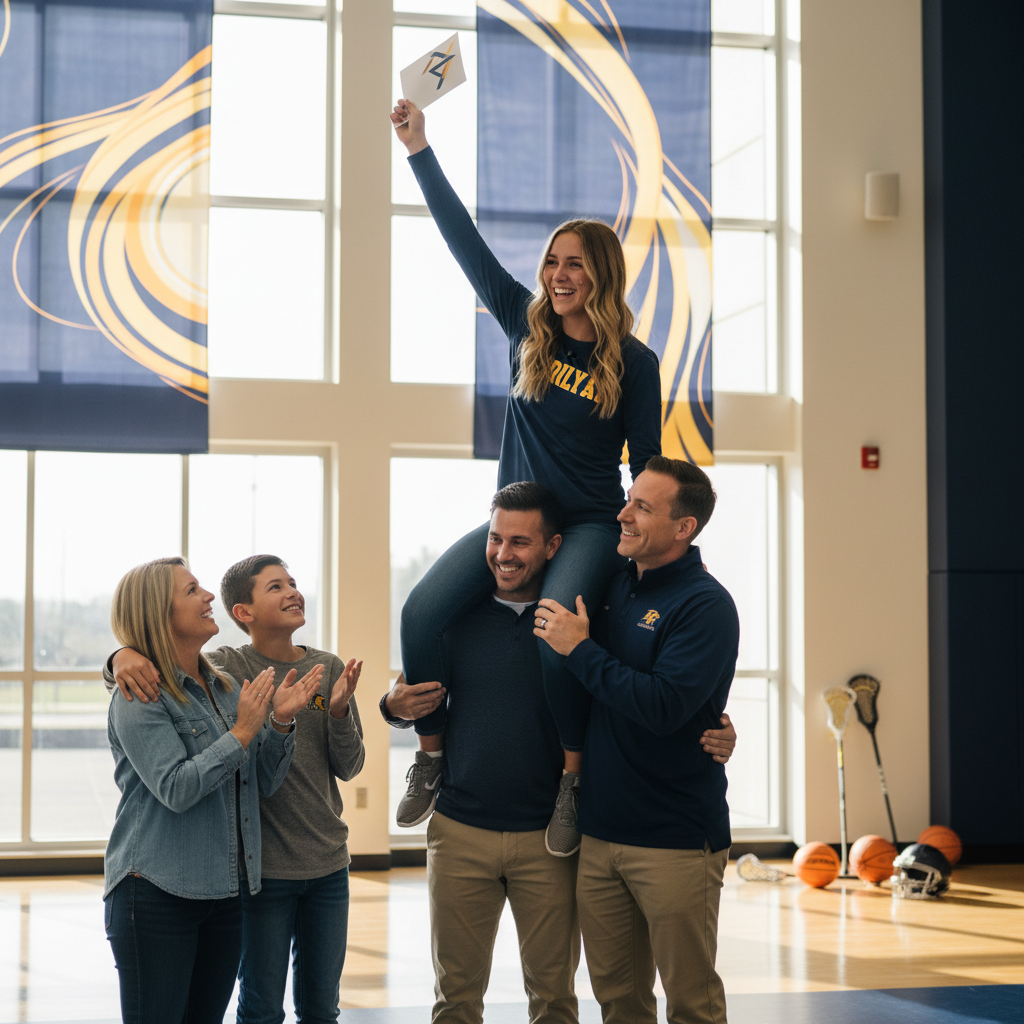
Here’s the reality about sports scholarships: it’s not just about being the fastest runner or the strongest player. Sure, talent matters—but what really sets scholarship winners apart is how they combine that talent with smart planning, academic excellence, and pure determination. You’ve seen the different types of scholarships out there, from those coveted full rides that cover everything to partial awards that still make a huge difference. Each one represents an opportunity, and understanding what’s available helps you aim for the right targets instead of shooting in the dark. But here’s what’s really exciting—these scholarships aren’t just about money. They’re your gateway to better training facilities, connections that last a lifetime, and opportunities that extend far beyond your playing days.
Let’s be honest about what it takes to get there. Natural ability? That’s just your starting point. What coaches really want to see is consistency—in the classroom and on the field. They’re looking for athletes who can juggle a demanding schedule without dropping the ball (literally or figuratively). When you maintain that solid GPA while crushing it in your sport, you’re sending a clear message: “I’m reliable, I’m committed, and I can handle pressure.” And visibility? That’s where strategy comes in. You can be the most talented athlete in your town, but if nobody knows about you, those scholarship opportunities will pass you by. Smart athletes make themselves known through showcases, highlight reels, and genuine relationship-building with coaches.
Now, here’s where things get tricky—and where many promising athletes stumble. Missing deadlines is like showing up late to the championship game. It doesn’t matter how prepared you are if you’re not there when it counts. Those “small” organizational details? They’re actually huge. Use every tool at your disposal: calendars, reminders, mentors who’ve been through this process. Stay on top of requirements because coaches have plenty of organized candidates to choose from. Remember, landing a scholarship is just the beginning. Keeping it means staying injury-free, mentally tough, and constantly improving. That’s the real test.
Ready to take your preparation to the next level? Your physical conditioning can make or break your scholarship dreams. If endurance is part of your sport, check out our guide on how to prepare for a marathon race—it’s packed with training strategies, nutrition insights, and injury prevention tips that’ll boost your performance. Speaking of injuries, they’re every athlete’s nightmare. Protect your future by learning how to avoid sports injuries and recognizing the warning signs before they sideline your dreams. Want to give yourself an extra edge? Master the fundamentals with our guide on how to improve hand-eye coordination—because precision skills separate good athletes from great ones.
Don’t overlook the fuel that powers your performance. Proper nutrition isn’t just about eating healthy—it’s about strategic fueling that maximizes your training and speeds recovery. Dive into expert advice on nutrition for athletes to discover how the right diet can unlock performance levels you didn’t know you had.
Your scholarship journey won’t always be smooth. There will be setbacks, rejections, and moments when you question if it’s worth it. But here’s what I want you to remember: every champion has faced those same doubts. What separates those who succeed from those who give up is simple—they keep going. Stay organized, trust your preparation, and use every resource available to you. Your collegiate athletic dreams aren’t just possible—with the right approach and unwavering persistence, they’re within reach. The future you’re working toward? It’s closer than you think.
Frequently Asked Questions
-
What sports scholarships are available?
- Scholarships vary by sport, level, and institution, including full and partial options.
-
How important is academic performance?
- Academics are crucial to maintain eligibility and impress recruiters alongside athletic skills.
-
Can I apply for multiple scholarships?
- Yes, applying for several scholarships can increase your chances of receiving aid.
-
When should I start the process?
- Begin early in high school or as soon as you commit to pursuing collegiate athletics.
-
What if I don’t get a scholarship immediately?
- Consider walk-on opportunities, continuing to improve your skills, and reapplying later.


