Football Game Duration: What Experts Reveal
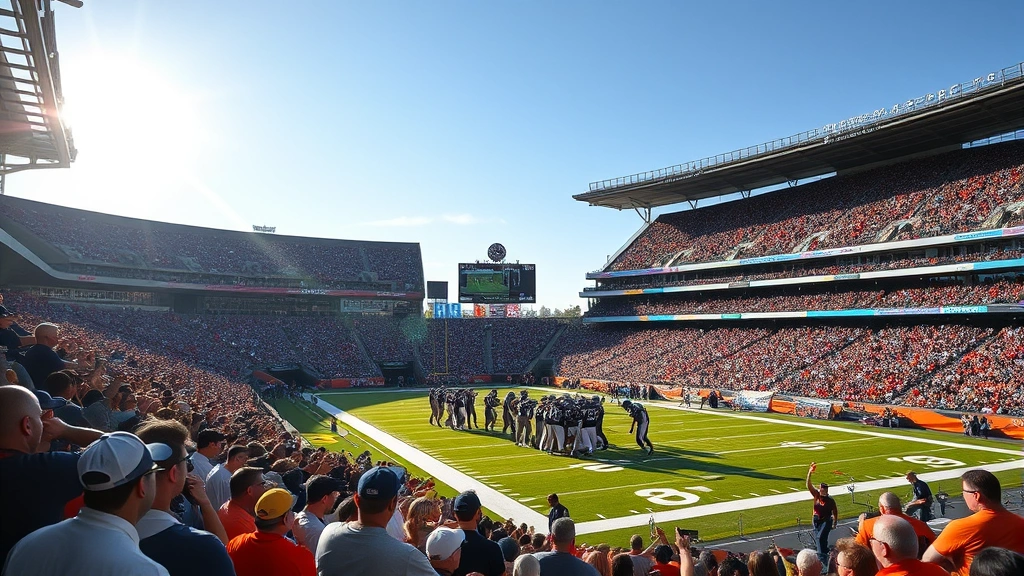
Understanding how long is a football game is essential for fans, players, and anyone planning their Sunday afternoon. Whether you’re a casual viewer or a dedicated enthusiast, the actual time commitment extends far beyond the simple answer of four 15-minute quarters. Professional, college, and high school football games each have distinct durations influenced by gameplay mechanics, broadcasting requirements, and regulatory rules that sports organizations enforce.
The reality is that a football game’s total duration involves multiple layers of complexity. From kickoff to final whistle, you’re looking at anywhere from 2.5 to 4+ hours depending on the level of play, number of stoppages, and whether overtime becomes necessary. This comprehensive guide breaks down exactly what determines football game length and provides expert insights into why your favorite sport demands such a significant time investment.
NFL Game Duration Breakdown
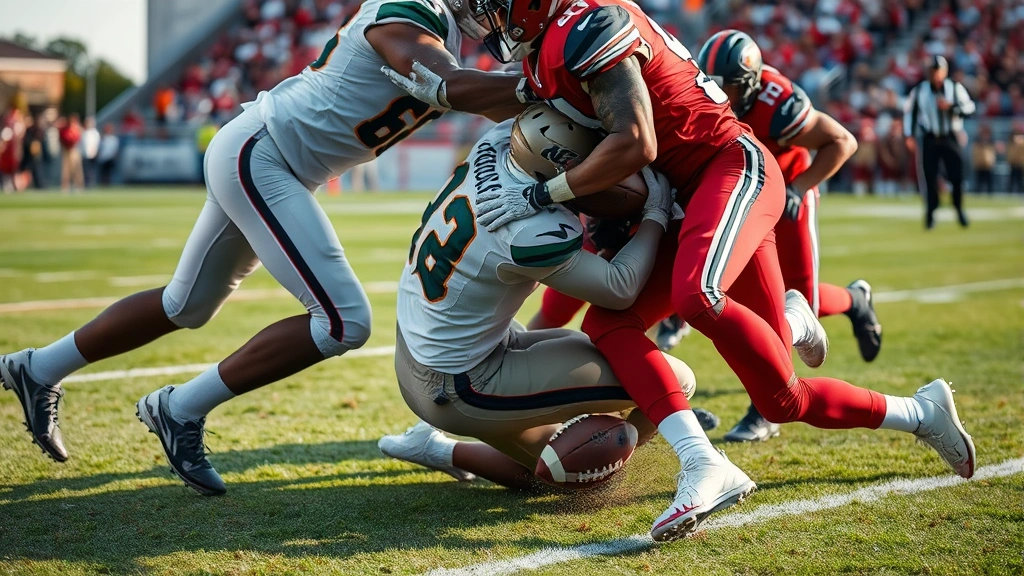
The National Football League operates under strict regulations regarding game length, yet the average NFL game still stretches to approximately 3 hours and 10 minutes. This figure has increased significantly over the past two decades, with the NFL reporting average game times of just 2 hours and 45 minutes in the early 2000s. The four quarters consist of 15 minutes of actual playing time each, totaling 60 minutes of live action—but this represents only about one-third of the total game duration.
Professional football games feature two 30-minute halves broken into 15-minute quarters. Between the second and third quarters, teams receive a halftime break lasting 12 minutes during regular season games, though Super Bowl halftime extends to 30 minutes. Each quarter is separated by a 2-minute break, and the clock management throughout the game creates substantial stoppages. The NFL’s official rules allow for timeout usage—each team receives three timeouts per half—and coaches strategically deploy these to manage clock situations and develop game strategy.
When examining how long college football games last compared to professional contests, you’ll notice college games typically run slightly longer. However, the NFL’s broadcast infrastructure and commercial obligations significantly impact professional game duration. Network television stations allocate specific time slots for games, and the NFL coordinates with broadcasters to manage total game length within reasonable parameters.
College Football Time Considerations
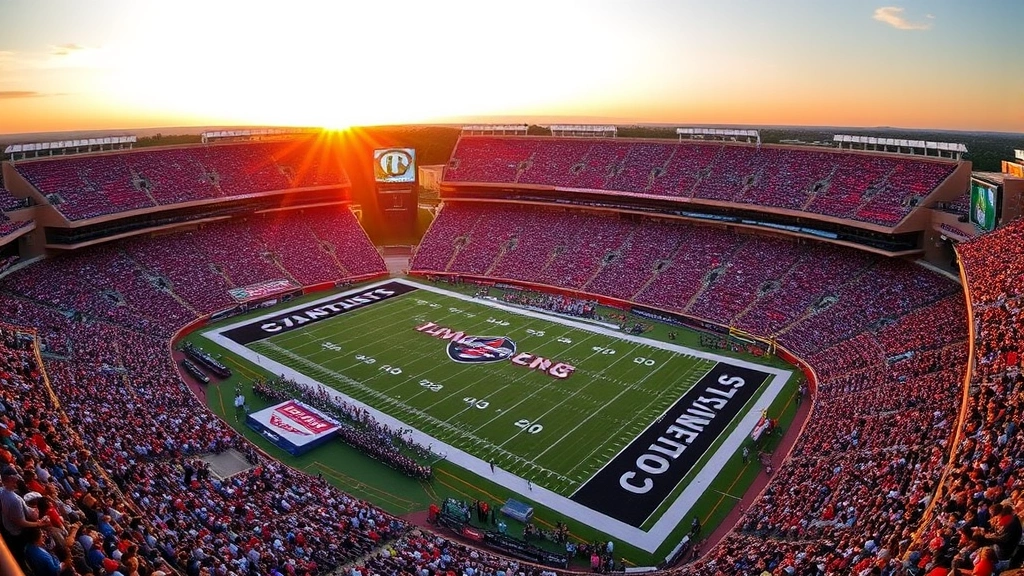
College football games present a unique temporal landscape that often extends beyond professional counterparts. The average college football game lasts approximately 3 hours and 25 minutes, though major conference matchups frequently exceed 3.5 hours. The additional time stems from several factors specific to the college game, including different clock rules, commercial broadcasting patterns, and the NCAA’s regulatory framework.
The duration of college football games is influenced by the running clock rules. In college football, the clock continues running after incomplete passes and when the ball carrier goes out of bounds, unlike the NFL where the clock stops in these situations. This seemingly minor difference dramatically affects total game length. Additionally, college games feature two halves of 30 minutes each, divided into 15-minute quarters, matching the NFL structure—but the operational differences create longer actual durations.
Conference affiliations impact game length as well. Major conferences broadcasting on ESPN, ABC, and regional networks incorporate more commercial breaks than smaller conference games. The SEC, Big Ten, ACC, and Big 12 games typically run longer due to enhanced broadcasting packages and the networks’ advertising commitments. College Football Playoff games represent the longest broadcasts, frequently exceeding 4 hours due to pregame coverage, halftime production, and extensive commercial integration.
High School Football Length
High school football games operate under the shortest time requirements, typically lasting 2 hours to 2.5 hours for regulation games. The structure mirrors professional and college football with four 12-minute quarters (rather than 15 minutes), creating 48 minutes of actual playing time. However, high school games feature fewer stoppages for commercials and broadcasting considerations, allowing for more continuous play and faster overall completion.
State athletic associations regulate high school football game duration through their own rulebooks. The National Federation of State High School Associations (NFHS) establishes guidelines that member states adopt, though individual state variations exist. Halftime breaks at the high school level typically last 10-15 minutes, considerably shorter than professional games. The reduced commercial infrastructure and simpler clock management system contribute to games concluding more expeditiously than their collegiate and professional counterparts.
Youth football leagues operating under Pop Warner or local association rules may feature even shorter games, with 8-10 minute quarters common in younger age groups. Understanding how many quarters are in a football game helps clarify why duration varies so dramatically across different levels of competition.
Factors That Extend Game Time
Multiple variables contribute to games exceeding their theoretical minimum duration. Clock stoppages represent the primary factor, occurring when the ball goes out of bounds, an incomplete pass is thrown, a player is injured, or officials need to measure for a first down. Each stoppage halts the clock, extending the game’s total length. The NFL’s official website indicates that clock stoppages account for approximately 40-45% of total game duration.
Timeout usage strategically extends games as well. Teams deliberately call timeouts during critical moments to stop the clock and allow coaches to communicate plays. The final two minutes of each half involve even more frequent stoppages, as the clock stops automatically on incompletions and out-of-bounds plays, creating the characteristic frantic finish to football games. Coaches managing close scores frequently use all available timeouts to manipulate clock situations.
Penalties and official reviews significantly impact game length. Each penalty requires officials to mark off yardage, reset players, and resume play—a process consuming 30 seconds to 2 minutes per infraction. Modern football’s expanded use of instant replay review has lengthened games considerably. The NFL introduced challengeable plays in 1999, and the system has expanded to include automatic reviews of scoring plays and turnovers. A single review can consume 2-4 minutes as officials examine multiple camera angles in the replay booth.
Injuries necessitate extended stoppages as medical personnel attend to affected players, assess injuries, and potentially remove them from the field. Serious injuries may trigger 5-10 minute delays while emergency protocols activate. Weather conditions can also impact game duration—lightning delays may pause games for 30+ minutes until atmospheric conditions improve sufficiently for safe play resumption.
Television timeouts occur during college and professional games, where broadcasters request stoppages for commercial insertion. These timeouts typically last 2-3 minutes and occur at predetermined intervals, particularly around the 6-minute and 2-minute marks of each quarter. The NFL employs an average of 50-55 television timeouts per game, cumulatively adding 2-2.5 hours to the total broadcast duration.
Overtime Rules and Duration
Overtime scenarios extend games beyond regulation duration, and the rules determining overtime length vary significantly across professional and college football. The NFL’s playoff overtime rules differ from regular season rules, creating additional complexity. Understanding overtime is essential when calculating total football game duration for important matchups.
In the NFL regular season, playoff overtime follows the NFL’s 2022 playoff overtime rule modification, where both teams are guaranteed a possession regardless of the first team’s score. If the first team scores a touchdown, the second team receives a possession. If both teams score a touchdown on their initial possessions, sudden-death rules apply on subsequent possessions. A single overtime period lasts 15 minutes, though games rarely extend that long before resolution. Most NFL overtime games conclude within 5-10 additional minutes, adding 15-30 minutes to total game duration.
College football overtime rules permit teams to alternate possessions starting at the opponent’s 25-yard line (following the 2012 rule change from the 20-yard line). Both teams receive equal possession opportunities, and the game continues indefinitely through successive overtime periods until one team achieves a higher score. The longest college football overtime game occurred in 2006 when Arkansas defeated Ole Miss 53-52 in seven overtime periods, extending the game to over 5 hours total. Most college overtime games conclude within one or two additional periods, adding 20-40 minutes to game length.
High school overtime rules vary by state association but typically mirror college overtime structure. Teams alternate possessions from the opponent’s 25-yard line, and the game continues through successive overtime periods until one team wins. High school overtime rarely extends beyond two periods, keeping total game duration under 3 hours in most cases.
Broadcasting and Commercial Impact
Television broadcasting fundamentally shapes football game duration, particularly at professional and college levels. Networks negotiate broadcast windows with leagues, contractually obligating specific game durations. The NFL’s broadcast agreements with CBS, FOX, NBC, and ESPN dictate that games must complete within predetermined time slots—typically 3 hours and 30 minutes for afternoon games and 3 hours and 45 minutes for evening broadcasts.
Commercial obligations drive much of this extended duration. A typical NFL broadcast incorporates 50-55 television timeouts, during which networks air 2-3 minute commercial blocks. This generates substantial revenue for networks and the league—the NFL’s television contracts exceed $100 billion across multiple networks. College football broadcasts feature similar commercial integration, with major conference games incorporating 40-50 television timeouts. The financial incentive to maintain these commercial intervals explains why leagues resist shortening games despite fan complaints about excessive stoppage time.
High school games lack significant commercial broadcasting infrastructure, allowing them to proceed with minimal artificial stoppages. Local broadcasts or streaming services may include occasional commercial breaks, but these rarely match the frequency of professional broadcasts. This structural difference directly contributes to high school games completing 30-60 minutes faster than professional counterparts.
Expert analysis from sports broadcasters indicates that actual playing time constitutes only 11-12 minutes of the average NFL game’s 3+ hour duration. The remaining time distributes among commercials (50+ minutes), timeouts and stoppages (80-90 minutes), and halftime breaks (15-20 minutes). This reality has prompted ongoing discussions about game pace and fan engagement, with some analysts arguing that excessive stoppages diminish viewer satisfaction despite generating significant broadcast revenue.
FAQ
How long is a typical NFL game from start to finish?
A typical NFL game lasts approximately 3 hours and 10 minutes, though this varies based on game circumstances. Games featuring numerous penalties, injuries, or close scores requiring timeout usage may extend to 3.5+ hours. Playoff games, particularly those involving overtime, can exceed 4 hours. The official playing time consists of 60 minutes across four 15-minute quarters, but stoppages account for the majority of total duration.
Why do college football games last longer than NFL games?
College football games average 3 hours and 25 minutes, slightly longer than NFL games. The primary factors include different clock rules (the college clock continues running after incompletions and out-of-bounds plays), broadcasting requirements from major networks, and NCAA regulatory differences. Additionally, college games often feature more penalties and less efficient game management than professional contests.
What’s the fastest a football game has ever been completed?
The fastest football games typically occur at high school level, occasionally completing in under 2 hours when minimal stoppages occur. Professional and college games rarely finish faster than 2.5 hours due to regulatory requirements and broadcasting obligations. The 2018 NFL game between the New England Patriots and Kansas City Chiefs, lasting 2 hours and 54 minutes, ranks among the shortest modern NFL games.
Do television timeouts significantly extend game duration?
Yes, television timeouts substantially extend games. The NFL incorporates 50-55 television timeouts per game, each lasting 2-3 minutes, cumulatively adding approximately 100-150 minutes to total duration. College broadcasts feature similar patterns with 40-50 timeouts. These commercial breaks generate billions in annual broadcast revenue, making them unlikely to diminish despite fan frustration.
How much of a football game is actual playing time?
Actual playing time constitutes only 11-12 minutes of an average NFL game’s 3+ hour duration. The remaining time distributes among commercials (approximately 50 minutes), timeouts and stoppages (80-90 minutes), and halftime breaks. This statistic highlights the disparity between regulation playing time and total broadcast duration, a reality that has prompted ongoing discussions about game pace optimization.
Can football games end in overtime at the high school level?
Yes, high school football games feature overtime rules that allow games to extend indefinitely through successive overtime periods. Most state associations follow rules similar to college football, with teams alternating possessions from the opponent’s 25-yard line. Overtime rarely extends beyond one or two periods at the high school level, keeping total game duration manageable.


