
GVSU Football: Strength Training Secrets That Transform Champions
Grand Valley State University football has built a reputation as one of the most competitive NCAA Division II programs in the nation. Behind every explosive tackle, powerful sprint, and game-winning drive lies a meticulously designed strength training program that separates elite athletes from the rest. The Lakers’ coaching staff understands that modern football demands more than raw talent—it requires scientific precision in how players develop power, speed, and resilience.
The strength training secrets at GVSU aren’t magic formulas or expensive equipment. They’re evidence-based methodologies grounded in exercise physiology, periodization principles, and individualized athlete assessment. Whether you’re an aspiring Division II player, a high school football prospect, or simply interested in how elite programs build championship teams, understanding GVSU’s approach reveals why this university consistently produces All-Conference performers and professional-caliber athletes.
The GVSU Football Strength Philosophy
GVSU football’s strength program operates on a fundamental principle: every athlete must be stronger, faster, and more resilient than their competition. This isn’t about vanity gains or impressive bench press numbers. The program prioritizes functional strength—the kind that translates directly to on-field dominance.
The coaching philosophy emphasizes compound movements over isolation exercises. Squats, deadlifts, Olympic lifts, and pressing variations form the foundation because they recruit multiple muscle groups simultaneously and build the neuromuscular coordination essential for football. This approach aligns with research from the American College of Sports Medicine, which demonstrates that multi-joint movements produce superior athletic adaptations compared to single-joint exercises.
What makes GVSU’s approach distinctive is the integration of strength training exercises that build functional power across all movement planes. Football isn’t a unidirectional sport. Players must accelerate forward, decelerate rapidly, cut laterally, and rotate explosively. The program reflects this reality by incorporating frontal plane and transverse plane movements alongside traditional sagittal plane lifts.
The strength staff also prioritizes relative strength—how much force an athlete can produce relative to their body weight. A 300-pound lineman doesn’t need to deadlift 700 pounds if a 250-pound linebacker can move similar loads proportionally. This perspective ensures that every position group trains intelligently within their physiological context.
Periodization: Strategic Planning for Peak Performance
GVSU football employs sophisticated periodization strategies that manipulate training variables throughout the year to maximize performance when it matters most—during the competitive season. The program typically follows a block periodization model with distinct phases:
- Off-Season Phase (January-March): Maximum strength development with lower reps (3-6) and longer rest periods (3-5 minutes). Emphasis on building absolute strength foundation and addressing individual weaknesses identified from the previous season.
- Pre-Season Phase (April-July): Transition toward power development, incorporating Olympic lifts and plyometric work. Training volume increases while intensity remains high. This phase bridges the gap between pure strength and sport-specific explosiveness.
- In-Season Phase (August-November): Maintenance and power preservation. Strength sessions reduce in frequency and volume to prevent overtraining while competing. Focus shifts to injury prevention and movement quality.
- Post-Season Phase (December): Active recovery and assessment. Light training, mobility work, and comprehensive testing to identify areas for the next cycle.
This strategic approach prevents the common mistake of training the same way year-round. By aligning training stimulus with competitive demands, GVSU athletes arrive at game day in peak condition rather than fatigued from excessive training.
Position-Specific Training Protocols
One strength training secret that separates elite programs like GVSU is position-specific customization. A defensive end’s strength needs differ dramatically from a center’s, yet many programs train all players identically. GVSU recognizes these distinctions.
Offensive and Defensive Linemen: These positions demand maximum absolute strength and low-body power. Their programs emphasize heavy squats, deadlifts, and bench press variations. Trap bar deadlifts receive particular attention because they develop the posterior chain strength crucial for drive blocking and pass rush penetration. These athletes typically perform 3-4 strength sessions weekly during off-season, with rep ranges of 3-8.
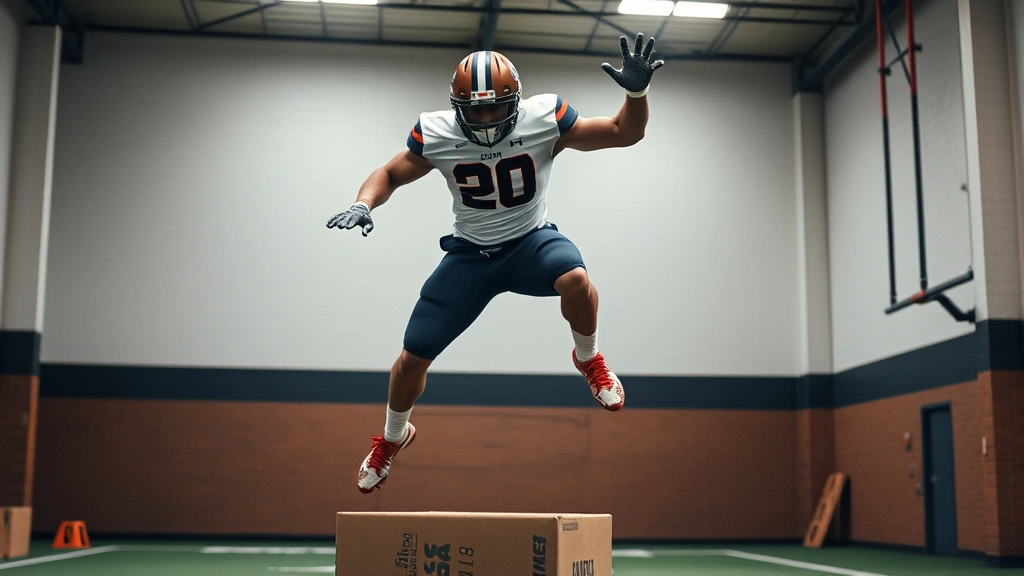
Linebackers and Safeties: These positions require exceptional power-to-weight ratios and multi-directional explosiveness. While still performing heavy lifts, their programs incorporate more Olympic lifting (clean and jerk variations, power cleans). Plyometric work—box jumps, bounding sequences, lateral bounds—receives greater emphasis. These athletes need the ability to generate force quickly from any position.
Skill Position Players (Receivers, Running Backs, Defensive Backs): Maximum velocity and change-of-direction ability take priority. Their strength programs emphasize single-leg work (Bulgarian split squats, single-leg deadlifts) to develop stability and explosive power through one leg. Rotational core work and lateral movements feature prominently. These athletes perform lighter absolute loads but move them with greater speed.
Understanding how to avoid sports injuries through smart training design becomes critical when customizing programs. Position-specific work reduces compensation patterns that lead to injury.
Power Development and Explosive Movements
Strength alone doesn’t win football games. A player must express that strength explosively. This distinction between absolute strength and power output explains why GVSU dedicates significant training time to power development.
Olympic lifting variations form the cornerstone of power training:
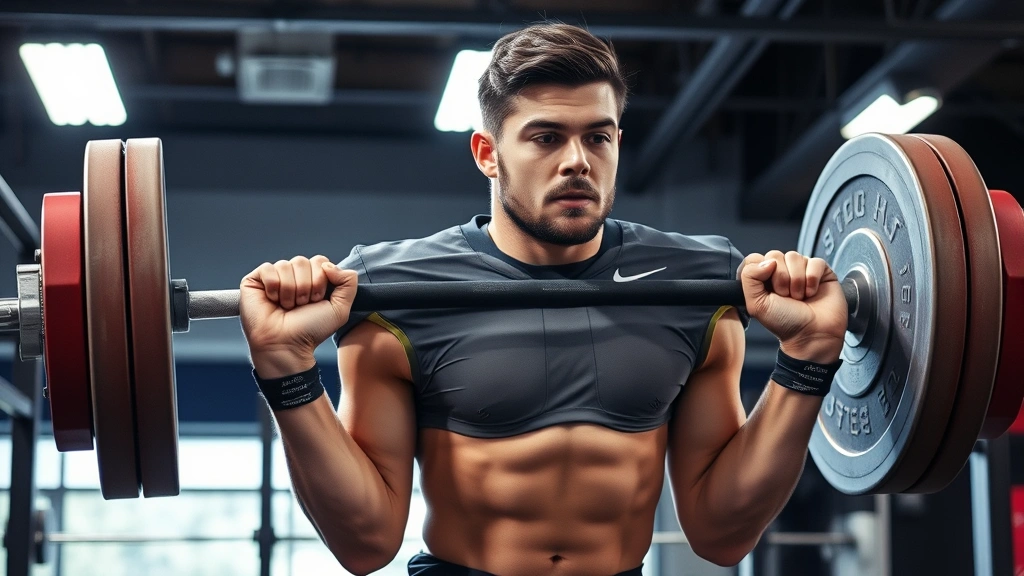
- Power Cleans: Develop triple extension (ankle, knee, hip) explosiveness. The rapid acceleration phase teaches the nervous system to recruit maximum muscle fibers quickly—essential for first-step quickness.
- Push Press: Combines lower body power with upper body pressing strength. Particularly valuable for linemen who must drive opponents backward explosively.
- High Pulls: Lower technical barrier than full cleans while still developing explosive hip extension and upper back power.
Plyometric training complements Olympic lifting by training the stretch-shortening cycle—the ability to absorb force and immediately redirect it explosively. GVSU incorporates:
- Box jumps (developing vertical power for contested catches and blocking effectiveness)
- Depth jumps (training elastic recoil and reactive strength)
- Lateral bounds (building frontal plane power for lateral movements)
- Medicine ball throws (rotational power for throwing and tackle mechanics)
The critical insight is sequencing. GVSU strength coaches place power work early in training sessions when the nervous system is fresh. A typical session might begin with power cleans, progress to heavy strength work, then finish with metabolic conditioning. This approach maximizes adaptation to power development while still building strength.
Research from exercise physiology journals confirms that power output peaks when athletes are adequately recovered and not fatigued. GVSU’s programming respects this science.
Injury Prevention Through Smart Training
Perhaps the most underrated strength training secret is using the program as an injury prevention tool. Every player who stays healthy provides more value than any additional performance gain. GVSU coaches understand this economics of athletics.
The program emphasizes movement quality over quantity. Rather than chasing maximum reps or loads, coaches prioritize perfect movement patterns. This means:
- Detailed coaching cues for every lift
- Regular video analysis of movement mechanics
- Regression to lighter loads when form deteriorates
- Individual mobility assessments and corrective work
Unilateral (single-sided) exercises receive significant attention. Single-leg squats, single-leg deadlifts, single-arm rows, and single-arm pressing variations identify and address strength imbalances. Football is inherently unilateral—players plant one leg to change direction or absorb contact through one side. Training this way prevents compensation patterns that lead to injury.
Core training goes beyond crunches. GVSU incorporates anti-rotation work (Pallof presses, landmine rotations) and anti-extension work (planks, dead bugs) because football demands core stability during dynamic movements. A strong core also protects the spine during heavy lifting and tackling.
For detailed strategies on maintaining health throughout training, review our guide on how to avoid sports injuries. These principles apply whether you’re training at a major university or in a high school weight room.
Recovery and Nutrition Integration
Strength training represents the stimulus; recovery is where adaptation occurs. GVSU recognizes that the best training program fails without proper recovery protocols.
The program integrates:
- Sleep Optimization: Coaches educate players about sleep’s critical role in muscle protein synthesis and hormonal recovery. Most GVSU athletes target 8-9 hours nightly.
- Nutrition Periodization: Caloric intake and macronutrient ratios adjust based on training phase. Off-season phases may emphasize caloric surplus to support muscle gain, while in-season nutrition focuses on maintenance and performance.
- Protein Strategy: Minimum 1.6-2.2 grams per kilogram of body weight daily, distributed across multiple meals to maximize muscle protein synthesis throughout the day.
- Hydration Protocols: Particularly critical during summer training when heat stress and sweat losses increase.
- Active Recovery Days: Light movement, mobility work, and soft tissue therapy facilitate blood flow without adding training stress.
GVSU strength coaches work closely with sports nutritionists and sports medicine staff. This integrated approach ensures that training stimulus, recovery, and nutrition work synergistically rather than in isolation.
Technology and Testing at GVSU
Modern strength training incorporates technology that provides objective performance data. GVSU utilizes:
- Force Plate Analysis: Measures ground reaction forces during jumps and lifts, quantifying power output and identifying asymmetries.
- Velocity-Based Training: Uses linear position transducers to measure bar velocity. When velocity decreases beyond a threshold, the set ends. This approach prevents excessive fatigue while ensuring adequate training stimulus.
- Comprehensive Testing Batteries: Regular assessment of vertical jump, broad jump, 40-yard dash, pro-agility shuttle, and one-rep max lifts. Data trends identify progress and guide programming adjustments.
- Movement Screening: Identifies mobility limitations and movement compensations before they become injuries.
This data-driven approach removes guesswork. Rather than assuming a player improved, GVSU coaches measure improvement objectively. When a player’s jump height decreases or velocity slows, coaches can identify the cause—inadequate recovery, nutrition issues, or overtraining—and adjust accordingly.
The integration of technology with coaching expertise creates a powerful combination. Peak Play Arena’s strength training content explores how data informs modern athletic development, a principle GVSU exemplifies.
Building a Championship Culture
Beyond the specific exercises and periodization strategies, GVSU’s strength training success reflects a deeper cultural commitment. The program emphasizes that strength training isn’t punishment—it’s privilege.
Players understand that access to elite coaching, state-of-the-art facilities, and scientific programming represents a competitive advantage. This mindset transforms training from obligatory to aspirational. Athletes push themselves not because coaches demand it, but because they recognize how strength training directly impacts their performance and career trajectory.
The coaching staff also models the principles they teach. Many GVSU strength coaches compete in powerlifting, CrossFit, or other strength sports. This authenticity—coaches who practice what they preach—builds credibility and inspires athletes.
Team accountability systems reinforce the culture. Players who embrace the program experience success; those who don’t quickly fall behind. This natural selection process ensures that commitment spreads throughout the roster.
For insight into how strength training builds team cohesion, explore our article on sports team bonding activities. Shared commitment to strength training creates bonds that extend beyond the weight room.
Applying GVSU Principles to Your Program
Whether you’re a high school football player, a college athlete, or a coach designing your own program, GVSU’s strength training secrets offer actionable insights:
- Prioritize compound movements. Squats, deadlifts, presses, and rows should form your foundation. Isolation exercises supplement but don’t replace them.
- Implement periodization. Don’t train the same way year-round. Adjust intensity, volume, and exercise selection based on your competitive calendar.
- Customize for your position. A lineman’s program should differ from a defensive back’s. Identify position-specific demands and train accordingly.
- Develop power intentionally. Include Olympic lifts and plyometrics. These aren’t optional accessories; they’re essential for football performance.
- Prevent injuries through smart design. Use unilateral exercises, emphasize movement quality, and integrate mobility work.
- Measure progress objectively. Test regularly and track data. Use velocity-based training if possible.
- Integrate recovery and nutrition. Training is only half the equation. Optimize sleep, hydration, and protein intake.
For additional evidence-based training strategies, consult resources from the National Council on Strength and Fitness and International Sports Sciences Association, which provide certification and education in strength training principles.
The Mental Component of Strength Training
GVSU coaches recognize that strength training develops more than muscles—it builds mental toughness. The weight room is where champions are forged mentally as much as physically.
Facing a heavy barbell, attempting a personal record, or grinding through the final reps of a challenging set builds mental resilience. Athletes learn to embrace discomfort, push through doubt, and persist when success seems uncertain. These mental skills transfer directly to game situations where adversity is inevitable.
Coaches at GVSU intentionally design training to develop this mental fortitude. Periodically, sessions include challenges—maximum effort sets, extended rep ranges, or time-based challenges. These aren’t random; they’re strategic opportunities to develop the psychological strength that separates good players from great ones.
This mental development explains why GVSU athletes often perform well in the fourth quarter and during critical moments. They’ve spent months in the weight room proving to themselves that they can handle pressure and overcome challenges.
Understanding the connection between strategic planning in football and training preparation reveals how GVSU approaches development holistically. Excellence requires more than physical prowess; it demands strategic thinking and mental resilience.
FAQ
What exercises are most important in GVSU’s strength program?
Compound movements—squats, deadlifts, bench press, rows, and Olympic lifts—form the foundation. These exercises develop functional strength applicable to football performance. Accessory work supports these main lifts but doesn’t replace them in importance.
How often do GVSU football players train for strength?
During off-season, most players complete 3-4 strength sessions weekly. In-season, frequency reduces to 2 sessions weekly to prevent overtraining while competing. The specific frequency varies by position and individual response to training.
Do GVSU players use supplements?
The program emphasizes whole food nutrition first. Supplements like protein powder support convenience when whole foods aren’t practical, but they’re secondary to real food. The athletic department carefully monitors supplement use to ensure compliance with NCAA regulations.
How does GVSU prevent overtraining?
Periodization prevents overtraining by varying training stimulus throughout the year. Additionally, coaches monitor performance metrics—if jump height or lifting velocity decreases unexpectedly, training volume reduces. Recovery days and active recovery sessions also prevent accumulated fatigue.
What distinguishes GVSU’s approach from other college programs?
The emphasis on position-specific training and objective measurement through technology differentiates GVSU. Rather than generic programming, each athlete receives customized training based on their position and measured performance data.
Can high school players implement GVSU’s principles?
Absolutely. While high school programs may lack GVSU’s advanced technology, the fundamental principles—periodization, compound movements, power development, and injury prevention—apply at any level. Focus on proper coaching, consistent effort, and intelligent programming.
How important is nutrition to GVSU’s strength training success?
Nutrition is equally important as training stimulus. Without proper nutrition, the body cannot recover or adapt to training. GVSU integrates sports nutrition expertise into every aspect of the strength program.
What’s the role of mobility and flexibility in GVSU’s program?
Mobility receives significant attention because restricted mobility limits performance and increases injury risk. Dynamic warm-ups precede every session, and dedicated mobility work is incorporated 2-3 times weekly. Flexibility is developed through proper training mechanics rather than static stretching.


