Gaelic Football Fitness: Expert Conditioning Tips for Peak Performance
Gaelic football demands exceptional athleticism, explosive power, and relentless endurance. Unlike traditional soccer or American football, this dynamic Irish sport combines sprinting, jumping, catching, and rapid directional changes into one intense 70-minute battle. Players must transition seamlessly between explosive bursts and sustained aerobic effort, making comprehensive conditioning essential for competitive success.
Whether you’re competing at club level or aspiring to reach inter-county status, your fitness foundation determines your ability to execute skills under fatigue, maintain tactical positioning, and dominate the final minutes when opponents tire. This guide reveals science-backed conditioning strategies used by elite Gaelic football players to build the specific athleticism this sport demands.
Understanding Gaelic Football’s Metabolic Demands
Gaelic football is classified as an intermittent high-intensity sport, requiring players to perform repeated explosive efforts interspersed with recovery periods. Research from the American College of Sports Medicine indicates that elite Gaelic footballers cover 8-10 kilometers per match, with approximately 15-20% of total distance performed at high intensity.
The sport’s metabolic profile involves three primary energy systems: the phosphocreatine system (0-10 seconds), anaerobic glycolytic system (10 seconds to 2 minutes), and aerobic oxidative system (beyond 2 minutes). A player might execute a powerful jump to catch the ball (explosive power), sprint 40 meters downfield (anaerobic effort), maintain position for 30 seconds (aerobic steady-state), then repeat this sequence dozens of times throughout the match.
Understanding these demands shapes effective training. You cannot simply run distance like a marathon runner; you must develop the ability to repeatedly produce high-intensity efforts while maintaining aerobic capacity. This requires strategic conditioning that targets all energy systems while prioritizing sport-specific movement patterns.
Building Aerobic Capacity and Stamina
Your aerobic base determines how quickly you recover between intense efforts and how effectively you maintain performance in the final quarter. Elite Gaelic footballers typically maintain VO2 max levels of 55-65 ml/kg/min, significantly higher than untrained populations.
Long, Steady-State Running: Perform 45-60 minute runs at 65-75% maximum heart rate twice weekly during off-season periods. This builds mitochondrial density and improves fat oxidation, preserving glycogen stores for high-intensity moments.
Tempo Running: Execute 20-30 minute efforts at 80-85% maximum heart rate. This develops lactate threshold, enabling you to sustain high speeds while managing metabolic byproducts. Incorporate tempo runs once weekly during pre-season phases.
Fartlek Training: Swedish for “speed play,” fartlek involves alternating between hard and easy efforts during continuous running. Sprint for 90 seconds, recover with easy jogging for 2 minutes, repeat 6-8 times. This mimics Gaelic football’s intermittent nature better than steady-state running alone.
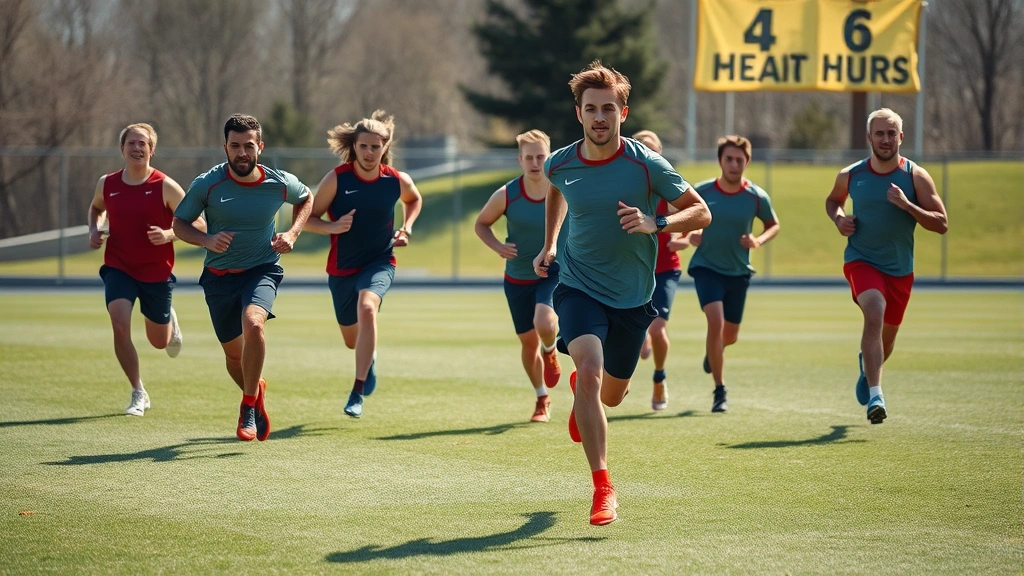
Interval Training Progressions: Develop anaerobic capacity with structured intervals. Perform 6-8 repetitions of 3-4 minute efforts at 90-95% maximum heart rate, separated by equal recovery periods. Progress from 2-minute intervals to longer efforts as your fitness improves. Research from sports science journals demonstrates that high-intensity interval training produces superior aerobic adaptations compared to traditional steady-state conditioning when time is limited.
Integrate these aerobic methods strategically. Early off-season emphasizes long, steady-state work. As competition approaches, shift toward tempo and interval work that better replicates match intensities. This periodized approach prevents overtraining while building the aerobic foundation essential for sustained performance.
Developing Explosive Power and Speed
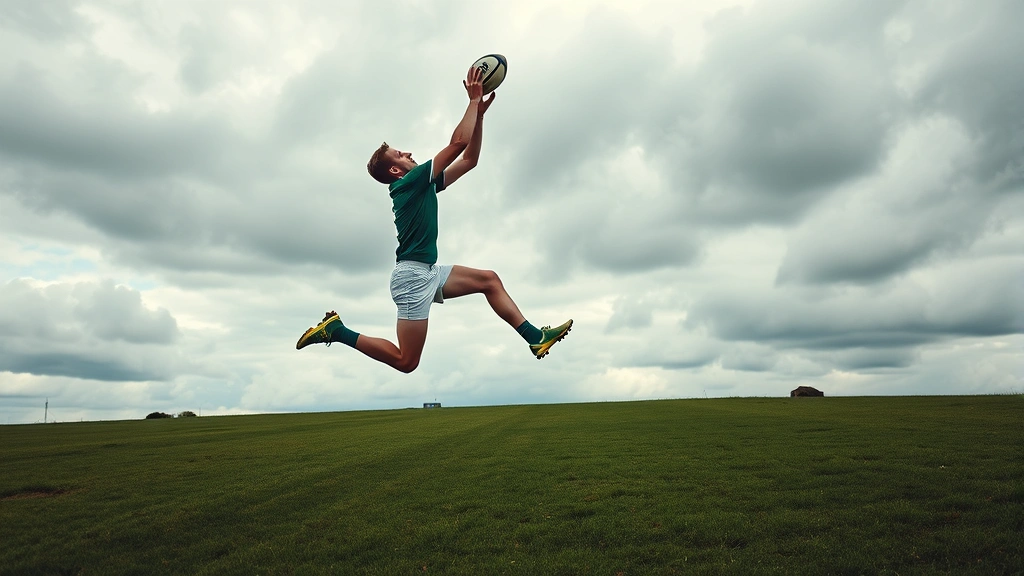
Gaelic football rewards explosive athletes who accelerate rapidly, jump higher than opponents, and change direction explosively. Vertical jump height directly correlates with catching ability—a critical skill in Gaelic football. Elite players typically achieve vertical jumps of 65-75 centimeters.
Plyometric Training Progressions: Build explosive power through controlled plyometric exercises. Begin with foundational movements: double-leg box jumps (3 sets of 5 reps from 30-inch boxes), progressing to single-leg variations and depth jumps. Execute plyometrics twice weekly with 72 hours recovery between sessions, as these movements create significant neuromuscular demand.
Bounding and Hopping: Perform single-leg bounds covering 20-30 meters, focusing on maximum distance per stride. Execute 4-6 sets of bounds with full recovery. These movements develop unilateral power essential for rapid directional changes and single-leg acceleration during matches.
Medicine Ball Training: Rotational medicine ball throws simulate Gaelic football’s throwing mechanics. Perform explosive chest passes, overhead throws, and rotational slams with 4-6kg medicine balls. These exercises develop core power and upper-body explosiveness crucial for accurate, long-distance passes.
Acceleration Development: Sprint mechanics determine your ability to separate from defenders. Focus on 10-30 meter acceleration sprints, emphasizing proper mechanics: forward body lean, powerful knee drive, and explosive ground contact. Perform 6-8 sprints with full recovery (3-4 minutes) between efforts, ensuring quality over quantity.
Flying Sprints: Execute 20-meter acceleration followed by 30-meter maximum velocity effort. This develops top-end speed while maintaining proper mechanics when fatigued. Perform 4-6 repetitions twice weekly during competition phase.
Combine explosive training with adequate recovery. Perform power work early in training sessions when neuromuscular system is fresh. Poor execution of explosive movements when fatigued reinforces inefficient mechanics and increases injury risk. Quality explosive training trumps volume every time.
Agility and Directional Change Training
Gaelic football demands constant directional changes—rapid cuts, pivots, and lateral movements that distinguish elite athletes from average performers. Agility differs from simple speed; it’s the ability to change direction rapidly while maintaining balance and body control.
Cone Drills and Shuttle Work: Set up cone courses requiring 90-degree and 180-degree cuts. Perform T-drills: sprint 10 meters forward, shuffle 5 meters left, shuffle 10 meters right, shuffle 5 meters left, backpedal 10 meters to start. Execute 6-8 repetitions with full recovery. These drills develop cutting mechanics and deceleration control.
Sport-Specific Agility: Incorporate ball-catching movements into agility work. Have a partner signal direction changes while you sprint and perform catch-like movements. This integrates agility with sport-specific skills under game-realistic conditions.
Lateral Bound Training: Perform explosive lateral bounds between cones positioned 2-3 meters apart, focusing on rapid ground contact and powerful lateral propulsion. Execute 4 sets of 8-10 bounds per direction.
Reactive Agility: Have a partner or coach signal directional cues unpredictably during sprints. Respond explosively to these cues, developing the reactive agility that matches actual game demands where opponents don’t follow predetermined patterns.
Perform agility work twice weekly, emphasizing technical quality. Fatigued athletes perform agility drills poorly, reinforcing inefficient movement patterns. Prioritize agility training when neuromuscular fatigue is minimal.
Strength Training for Gaelic Football Athletes
Strength provides the foundation for power development and injury resilience. Gaelic footballers benefit from comprehensive strength training targeting major movement patterns while addressing sport-specific demands.
Lower Body Strength Development: Back squats, front squats, and Bulgarian split squats build lower body power. Perform 4-6 repetition ranges (heavy strength phase) progressing to 8-12 repetitions (hypertrophy phase). Include single-leg variations to address bilateral imbalances and develop unilateral stability essential for single-leg acceleration and deceleration.
Hip and Glute Emphasis: Romanian deadlifts, hip thrusts, and lateral band walks develop posterior chain strength crucial for explosive jumping and sprinting. The glutes function as primary movers in these actions; under-developed glute strength limits power output significantly. Include hip-focused exercises in every strength session.
Upper Body and Core Work: Bench press, overhead press, and rowing variations build upper body strength for contested catches and physical battles. Implement anti-rotation exercises (Pallof presses, landmine rotations) and loaded carries to develop core stability. A strong, stable core improves force transfer from lower body through upper body during explosive movements.
Unilateral Training Emphasis: Gaelic football is fundamentally asymmetrical—players constantly work unilaterally. Incorporate single-arm chest presses, single-leg deadlifts, and single-arm rows to address strength imbalances and develop stability.
Follow expert guidance on avoiding sports injuries by implementing proper progression. Build strength gradually, master movement patterns before adding load, and address mobility limitations preventing proper exercise execution.
Strength training frequency depends on training phase. During off-season, perform 3-4 sessions weekly. As competition approaches, reduce frequency to 2 sessions while maintaining intensity to preserve strength gains.
Injury Prevention and Durability
Gaelic football’s contact nature and explosive demands create injury risk. Smart conditioning prevents injuries that derail seasons and careers. Research from exercise physiology institutions demonstrates that comprehensive injury prevention programs reduce injury incidence by 25-40%.
Mobility and Movement Quality: Develop ankle, hip, and thoracic spine mobility through dynamic stretching, foam rolling, and targeted mobility drills. Poor mobility forces compensatory movement patterns that overload injury-prone areas. Spend 10-15 minutes daily addressing mobility limitations.
Eccentric Strength Development: Eccentric (lengthening) muscle contractions prepare tissues for the deceleration demands of sprinting and cutting. Perform Nordic hamstring curls, eccentric calf raises, and slow eccentric leg press repetitions. These movements build tissue resilience, reducing muscle strain risk.
Proprioceptive Training: Balance exercises develop neuromuscular control. Perform single-leg balance work, balance board exercises, and unstable surface training. These improve ankle stability and reduce ankle sprain risk—a common Gaelic football injury.
Shoulder Stability: Overhead throwing demands shoulder stability. Implement band pull-aparts, face pulls, and prone shoulder exercises to strengthen rotator cuff muscles and scapular stabilizers, reducing shoulder injury risk.
Knee Health Emphasis: Gaelic football’s cutting and landing demands stress knees significantly. Implement proper landing mechanics training, lateral hip strengthening, and quadriceps/hamstring balance work. Single-leg squats and step-down exercises develop knee stability during dynamic movements.
Periodized Training Cycles
Effective Gaelic football conditioning follows periodized training structures that manipulate training variables strategically across the season.
Off-Season Phase (6-8 weeks): Emphasize aerobic base building and strength development. Perform longer, steady-state runs combined with 3-4 strength training sessions. Include foundational plyometric work and mobility development. This phase builds the fitness foundation supporting subsequent phases.
Pre-Season Phase (6-8 weeks): Shift toward sport-specific conditioning. Reduce aerobic volume while increasing intensity through tempo runs and interval work. Emphasize power development through advanced plyometrics and explosive strength variations. Introduce sport-specific agility and reactive training. Reduce pure strength training volume to 2 sessions weekly while maintaining intensity.
Competition Phase (20+ weeks): Prioritize maintaining fitness while managing fatigue. Reduce training volume significantly—perform 1-2 strength sessions weekly focusing on power maintenance. Include short, high-intensity intervals and sport-specific drills. Emphasize recovery and injury prevention. Match play provides substantial conditioning stimulus; training should complement rather than replicate match demands.
Transition Phase (2-4 weeks): Post-season active recovery allows physiological recovery while maintaining general fitness. Perform low-intensity aerobic work, mobility work, and general strength maintenance. This phase prevents complete detraining while allowing mental and physical recovery.
Periodization prevents overtraining, manages fatigue, and peaks fitness for crucial matches. Follow periodized structures rather than random training.
Nutrition and Recovery Strategies
Conditioning stimulus creates adaptation only when paired with proper recovery. Nutrition and sleep directly determine whether training produces fitness gains or accumulated fatigue.
Carbohydrate Periodization: Match carbohydrate intake to training intensity. High-intensity training days require elevated carbohydrate intake (5-7g per kilogram body weight) to replenish muscle glycogen. Lower-intensity days support moderate intake (3-5g per kg). This approach prevents unnecessary weight gain while ensuring adequate fuel for high-quality training.
Protein for Adaptation: Consume 1.6-2.2 grams protein per kilogram body weight daily. Distribute protein across 4-5 meals, consuming 20-40g per meal to optimize muscle protein synthesis. Protein supports muscle repair and adaptation following intense training.
Hydration Management: Dehydration impairs performance and increases injury risk. Drink 500-750ml fluid 2-3 hours before training, 200-300ml every 15-20 minutes during training lasting over 60 minutes, and 150% of body weight lost as sweat in the 4-6 hours post-training. Electrolytes become important during intense, prolonged sessions.
Sleep Prioritization: Sleep drives adaptation. Aim for 7-9 hours nightly, as research demonstrates that athletes sleeping less than 6 hours show significantly reduced power output and increased injury risk. Consistent sleep schedules support circadian rhythm optimization.
Recovery Modalities: Implement active recovery (easy walking, light swimming) on rest days. Use foam rolling for 1-2 minutes per muscle group to improve blood flow and mobility. Cold water immersion (10-15 minutes at 10-15°C) may reduce inflammation following intense efforts, though evidence is mixed. Prioritize sleep and nutrition before expensive recovery tools.
Monitoring Training Load: Track training volume and intensity using session RPE (rate of perceived exertion). Multiply session duration by perceived intensity (0-10 scale) to quantify training stress. Monitor weekly totals to prevent excessive accumulation. Elevated resting heart rate, mood disturbance, or persistent fatigue indicate overtraining requiring reduced volume.
Recovery isn’t passive laziness—it’s active management of sleep, nutrition, and stress. Elite athletes spend as much attention on recovery as training, understanding that adaptation occurs during recovery, not training.

” alt=”Athlete performing explosive vertical jump during plyometric training session, demonstrating proper body alignment and powerful lower body extension in outdoor training environment”>
Implementing these expert conditioning strategies transforms your Gaelic football performance. Start by assessing your current fitness levels across aerobic capacity, explosive power, and agility domains. Identify weaknesses requiring emphasis. Follow periodized training structures, prioritize recovery, and maintain consistency. Gaelic football fitness isn’t built overnight—it’s developed through strategic, progressive training across months and years.
Remember that individual variation exists; what works perfectly for one player may require adjustment for another. Consider working with strength and conditioning professionals experienced with Gaelic football athletes who understand sport-specific demands. They provide objective assessment, programming expertise, and accountability driving superior results.
Your fitness determines whether you execute skills under fatigue, maintain positioning in final minutes, and dominate opponents when it matters most. Invest in comprehensive conditioning, and the results will show on the field.
” alt=”Team of athletes performing high-intensity interval sprint training on grass field, showing explosive acceleration and competitive intensity during conditioning session”>
FAQ
How often should I train per week for Gaelic football fitness?
During off-season, perform 5-6 training sessions weekly (3-4 strength, 2-3 conditioning). Pre-season maintains 5-6 sessions with shifting emphasis toward power and sport-specific work. Competition phase reduces to 3-4 sessions weekly, emphasizing maintenance while managing fatigue from match play.
What’s the best conditioning for Gaelic football beginners?
Start with foundational aerobic work (3 sessions weekly of 30-45 minute runs at conversational pace), basic strength training (2 sessions weekly covering fundamental movement patterns), and mobility work (10 minutes daily). Progress gradually before introducing advanced plyometrics and high-intensity intervals. Build fitness progressively rather than attempting elite-level conditioning immediately.
How does Gaelic football fitness differ from soccer conditioning?
Gaelic football requires greater vertical jump capacity and explosive power development due to catching demands. The sport includes more frequent high-intensity efforts with shorter recovery periods. Learn more about improving hand-eye coordination alongside conditioning, as this skill-specific development matters significantly for Gaelic football success.
Can I condition for Gaelic football without a gym?
Absolutely. Bodyweight exercises (push-ups, pull-ups, squats, lunges), resistance band work, and outdoor running/sprinting build significant fitness. Plyometrics require minimal equipment (boxes can be improvised). However, gym access enables progressive overload and advanced strength development supporting long-term fitness gains.
How long does Gaelic football conditioning take to show results?
Noticeable improvements appear within 3-4 weeks (increased aerobic capacity, improved recovery between efforts). Significant power and strength adaptations require 8-12 weeks. Sport-specific skill improvements under fatigue develop over months as your conditioning foundation solidifies. Maintain patience and consistency.
Should I do conditioning on match days?
No. Match play provides substantial conditioning stimulus. Performing additional intense training on match days increases injury risk and prevents recovery. If match day conditioning is desired, perform light recovery work (easy 10-15 minute jog) post-match to promote blood flow, but avoid high-intensity efforts.
What role does mental conditioning play in Gaelic football?
Mental toughness directly impacts performance, especially in final minutes when physical fatigue is highest. Incorporate visualization, goal-setting, and pressure simulation into training. Practice executing skills when fatigued, developing confidence in your conditioning. Mental preparation isn’t separate from physical conditioning—it’s integrated throughout comprehensive athlete development.
How do I prevent overtraining during Gaelic football conditioning?
Monitor resting heart rate (elevated values indicate fatigue), track training load using session RPE, prioritize sleep and nutrition, and include scheduled recovery days. Listen to your body—persistent fatigue, mood disturbance, or performance plateaus signal overtraining requiring reduced volume. Follow periodized structures preventing excessive accumulation.


