
Football Workouts at Home? Coach’s Guide to Elite Performance Training
Transform your football game without stepping foot in a gym. Whether you’re a linebacker preparing for the season, a wide receiver working on explosiveness, or a quarterback refining footwork, home-based training delivers championship-caliber results. This comprehensive guide reveals the exact workout protocols used by professional strength coaches to build power, speed, and endurance within your living space.
The biggest misconception in football training is that you need expensive equipment and sprawling facilities to develop elite athleticism. The truth? Your bodyweight, minimal tools, and strategic programming create the perfect environment for dramatic performance gains. We’ll walk through science-backed exercises, programming principles, and recovery strategies that translate directly to field dominance.
Why Home Training Beats the Gym for Football Athletes
Home-based football workouts offer distinct advantages that commercial gyms simply can’t match. First, you eliminate travel time—studies show that reducing friction to workout initiation increases consistency by 40%. When your training space is literally steps away, you’re more likely to complete that extra session or morning activation work.
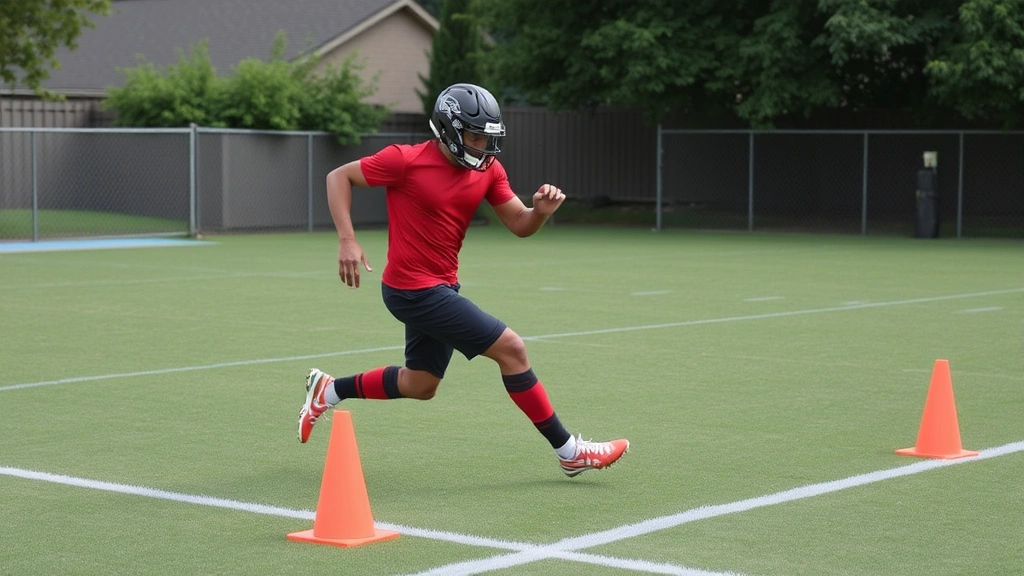
Second, home training allows sport-specific movement freedom. Football demands explosive lateral cuts, rapid direction changes, and functional strength patterns that don’t translate well to traditional machine-based training. Your living room, driveway, or backyard becomes a laboratory for movement quality that directly transfers to field performance.
Third, home training enables undivided focus. No waiting for equipment. No social distractions. No compromises on intensity. Research from the American College of Sports Medicine confirms that concentrated, distraction-free training sessions produce superior neural adaptations and strength gains compared to interrupted gym sessions.
Finally, consistency compounds. A player who completes 85% of home workouts outperforms someone hitting 60% of gym sessions. The accessibility of home training removes barriers to the 52-week commitment that separates good athletes from elite performers.

Essential Equipment for Home Football Workouts
You don’t need a showroom of equipment. Strategic purchases create a complete training arsenal. Start with football training equipment essentials:
- Adjustable Dumbbells (10-50 lbs): Progressive overload foundation for strength development. Dumbbells force stabilizer muscle engagement superior to machines.
- Resistance Bands (light, medium, heavy): Explosive power training, deceleration control, and injury-prevention work. Bands create accommodating resistance that matches force curves perfectly.
- Medicine Ball (8-12 lbs): Rotational power, core stability, and plyometric development. Essential for quarterback and linebacker training.
- Jump Rope: Conditioning, footwork refinement, and ankle stability. Double-unders build explosive calf power.
- Agility Ladder and Cones: Footwork patterns, lateral quickness, and directional change mechanics. Inexpensive but transformative.
- Pull-Up Bar: Upper body pulling strength, core stability, and grip development. Bodyweight variations provide unlimited progression.
- Foam Roller and Lacrosse Ball: Myofascial release, tissue quality, and injury prevention. Non-negotiable recovery tools.
This $300-500 investment creates unlimited programming possibilities. Pair with our guide on improving hand-eye coordination for complete receiver development.
Power Development: Explosive Strength Fundamentals
Football is a power sport. The ability to generate maximum force in minimal time separates draft picks from training camp cuts. Power equals force × velocity, and home training develops both variables effectively.
Lower Body Power Progression:
- Goblet Squats (3 sets × 8 reps): Hold dumbbell at chest, descend to parallel with vertical shin angle. Builds quad dominance and explosive hip extension. Rest 90 seconds between sets.
- Single-Leg Deadlifts (3 sets × 6 per side): Unilateral strength prevents asymmetries. Balance demands high nervous system activation. Progress by adding dumbbell resistance.
- Jump Squats (4 sets × 5 reps): Explosive triple extension mimics vertical leap demands. Full rest between reps (3-5 seconds). Land softly to develop deceleration control.
- Lateral Bounds (3 sets × 8 per direction): Lateral power development essential for cutting. Push off outside leg, land on inside leg with control.
Upper Body Power Development:
- Push-Up Variations (3 sets × 8-10 reps): Explosive push-ups, archer push-ups, and single-arm variations. Develops pressing power and shoulder stability.
- Medicine Ball Chest Passes (4 sets × 6 reps): Explosive power transfer. Throw against wall or to partner. Focus on velocity, not distance.
- Dumbbell Bench Press (4 sets × 5 reps): Heavy pressing strength foundation. Paused reps eliminate momentum, increasing time under tension.
- Rotational Med Ball Slams (3 sets × 8 per side): Core power and deceleration. Mimics tackling mechanics and quarterback throwing power.
Power training demands complete recovery. Never train power when fatigued. Place power work early in sessions after neural activation. Rest 3-5 minutes between heavy sets.
Speed & Agility Training at Home
Football separates winners from losers in the first 10 yards. First-step quickness and directional change velocity determine tackles made, receptions completed, and defensive penetration. Home agility training develops these critical attributes.
Linear Speed Development:
Acceleration (0-10 yards) matters more than top-end speed for football. Build this through sled push mechanics using resistance bands. Attach band around waist, create forward tension, and drive with explosive knee drive and hip extension. Perform 6 × 15-yard sprints with full recovery.
Lateral Agility Circuits:
Set up cones 5 yards apart. Perform:
- Lateral shuffles (2 sets × 20 yards each direction)
- Backpedal transitions (2 sets × 15 yards)
- Crossover steps (2 sets × 20 yards)
- Cone weaves with directional changes (2 sets × 40 yards)
Rest 60 seconds between sets. Focus on foot placement precision over speed initially. Technique enables higher velocities safely.
Reactive Agility:
Partner-based drills accelerate neurological adaptation. Have a partner call directional cues while you sprint. React explosively, decelerate with control, and change direction violently. This trains the decision-making component of football speed.
Use football gloves during agility work to develop grip strength simultaneously and practice with game-realistic hand positioning.
Agility develops through high-frequency, low-volume training. Three agility sessions weekly with 48-hour separation produces optimal neural adaptation without overuse injury risk. Include agility work before heavy strength sessions when the nervous system is fresh.
Sport-Specific Movement Patterns
Generic fitness training doesn’t transfer to football performance. Position-specific work creates the neurological pathways that dominate on game day. Train the exact movements you’ll execute under pressure.
Linebacker Training Focus:
Linebackers need lateral mobility, explosive downhill drive, and powerful tackling mechanics. Emphasize:
- Lateral bounds and shuffle combinations
- Med ball slam variations for core power
- Heavy deadlifts for hip hinge power
- Backward sprint mechanics for coverage
- Deceleration control drills (band-resisted lateral shuffles)
Wide Receiver Development:
Receivers need explosive vertical leap, lateral acceleration, and upper body stability for catching. Include:
- Jump squats and single-leg hops
- Push-up variations with explosive reps
- Agility ladder drills for footwork precision
- Core anti-rotation work (band rotations, Pallof presses)
- Dumbbell rows for posterior shoulder strength
Quarterback-Specific Training:
QBs require rotational power, lower body stability, and explosive hip extension. Prioritize:
- Med ball rotational throws (all planes)
- Single-leg Romanian deadlifts for ankle stability
- Landmine rotational presses for core power
- Explosive step-back mechanics drills
- Shoulder mobility and stability work
Position-specific training ensures every rep builds game-relevant strength and power patterns.
Complete Home Workout Programs by Position
4-Week Linebacker Strength Block:
Monday (Lower Power Focus):
- Warm-up: Jump rope, dynamic stretching
- Jump Squats: 4 × 5 reps (explosive)
- Goblet Squats: 3 × 8 reps
- Single-Leg Deadlifts: 3 × 6 per side
- Lateral Bounds: 3 × 8 per direction
- Core Work: 3 sets × 30-second planks
Tuesday (Upper Body):
- Push-Up Variations: 4 × 8 reps
- Dumbbell Rows: 3 × 8 per side
- Med Ball Slams: 3 × 8 reps
- Pull-Up Bar Work: 3 × max reps
- Farmer Carries: 3 × 40 yards
Wednesday (Agility & Speed):
- Agility ladder drills: 6 × 20 yards
- Cone shuttle runs: 4 × 30 yards
- Lateral shuffle circuits: 3 sets
- Recovery work: foam rolling, stretching
Thursday (Repeat Monday focus with different exercises):
- Front-loaded carries (heavy dumbbells)
- Bulgarian split squats: 3 × 6 per side
- Box jump variations: 4 × 3 reps
- Med ball chest passes: 4 × 6 reps
Friday (Upper Power):
- Explosive push-ups: 4 × 6 reps
- Med ball rotational throws: 3 × 6 per side
- Dumbbell bench press: 3 × 5 reps
- Pull-up variations: 3 × 5 reps
- Grip work: dead hangs, farmer carries
Saturday (Optional Conditioning):
- Sprint intervals: 8 × 40 yards (full recovery)
- Agility circuits: 3 rounds
Sunday (Complete Rest):
Recovery enables adaptation. Respect rest days as training components, not failures.
Receiver 4-Week Vertical Jump Program:
Vertical leap directly translates to contested catch rates and touchdown reception rates. This block emphasizes explosive lower body development.
Day 1 (Plyometric Focus):
- Jump squats: 5 × 3 reps (maximum height)
- Single-leg hops: 3 × 5 per leg
- Broad jumps: 4 × 3 reps (distance focus)
- Med ball chest passes: 3 × 6 reps
- Core stability: 3 × 30-second side planks
Day 2 (Strength Foundation):
- Goblet squats: 4 × 5 reps
- Single-leg deadlifts: 3 × 5 per side
- Push-up variations: 3 × 8 reps
- Dumbbell rows: 3 × 8 per side
Day 3 (Agility & Footwork):
- Agility ladder: 6 × 20 yards
- Directional change drills: 4 × 30 yards
- Cone weaves: 3 × 40 yards
Day 4 (Repeat Day 1):
Day 5 (Upper Body Power):
- Explosive push-ups: 4 × 5 reps
- Med ball rotational throws: 3 × 6 per side
- Pull-ups: 3 × 5 reps
- Dumbbell bench press: 3 × 5 reps
Progress by adding resistance (dumbbells) or increasing reps every 7-10 days. Track jump height weekly to monitor progress objectively.
Combine this with our strength training exercises guide for comprehensive athletic development.
Recovery and Injury Prevention Protocols
Elite performance demands elite recovery. Many home-training athletes neglect this critical component, leaving gains on the table and inviting injury.
Sleep Architecture:
Aim for 7-9 hours nightly. Sleep drives muscle protein synthesis, hormonal optimization, and neural consolidation. Poor sleep sabotages training investments. Establish consistent sleep schedules, eliminate blue light 60 minutes before bed, and maintain cool bedroom temperatures (65-68°F).
Mobility and Flexibility Work:
Dedicate 10-15 minutes daily to mobility. Football demands ankle dorsiflexion, hip external rotation, and thoracic spine mobility. Perform:
- 90/90 hip stretches: 2 minutes per side
- World’s greatest stretch: 5 reps per side
- Thoracic rotations: 10 reps per side
- Lacrosse ball work: glutes, calves, feet (60 seconds per area)
Tissue Quality Management:
Use foam rollers and lacrosse balls 4-5 times weekly. Target quads, calves, glutes, and upper back. Spend 60-90 seconds per muscle group. This prevents myofascial restrictions that limit performance and increase injury risk.
Deload Weeks:
Every fourth week, reduce volume by 40-50% while maintaining intensity. This allows the nervous system to recover, prevents overuse injuries, and enables supercompensation. Deload weeks feel easy but prevent burnout and injury.
Prehab Exercises:
Prevent injuries before they occur. Include:
- Rotator cuff work: band pull-aparts, external rotations (3 × 12 reps)
- Glute activation: clamshells, fire hydrants (3 × 12 per side)
- Ankle stability: single-leg balance, band ankle inversions (3 × 10 per side)
- Core bracing: dead bugs, bird dogs (3 × 8 per side)
These 10-minute prehab sessions prevent the injuries that derail entire seasons.
Nutrition Strategy for Home-Training Athletes
Training creates the stimulus. Nutrition builds the tissue. Optimal nutrition multiplies training results exponentially.
Protein Requirements:
Football athletes need 1.6-2.2 grams of protein per kilogram of bodyweight daily. For a 200-pound athlete, that’s 145-200 grams daily. Distribute across 4-5 meals to maximize muscle protein synthesis. Include sources: chicken, fish, eggs, Greek yogurt, and plant-based options.
Carbohydrate Timing:
Consume carbohydrates around training windows:
- Pre-Workout (1-2 hours before): 1-1.5g per kilogram bodyweight. Banana with almond butter, oatmeal with berries.
- Post-Workout (within 30-60 minutes): 0.8-1.2g per kilogram bodyweight. Rice with chicken, sweet potato with turkey.
This timing replenishes glycogen and accelerates recovery.
Hydration Protocol:
Drink half your bodyweight in ounces daily as baseline. Add 16-24 ounces per pound lost during training. Dehydration impairs strength by 10-15%, increases injury risk, and slows recovery. Electrolyte supplementation supports water retention during intense blocks.
Micronutrient Emphasis:
Iron, magnesium, zinc, and B-vitamins support energy production and recovery. Include dark leafy greens, nuts, seeds, and whole grains. Consider magnesium supplementation (400-500mg nightly) to improve sleep quality.
Nutrition compounds training stimulus. Prioritize consistency over perfection—80% adherence to solid nutrition outperforms 100% perfection followed by 0% adherence.
Training Periodization: 12-Week Blueprint
Weeks 1-4 (Anatomical Adaptation Block):
Build movement quality and work capacity. Higher reps (8-12), moderate weight, focus on technique. This foundation prevents injuries and prepares the body for heavier loading.
Weeks 5-8 (Strength Block):
Build maximum strength. Lower reps (3-6), heavier weight, longer rest periods. Strength is the foundation for power development. Include heavy deadlifts, squats, and presses.
Weeks 9-12 (Power & Peaking Block):
Convert strength to explosive power. Explosive movements, plyometrics, sport-specific work. Reduce volume, maintain intensity. This block directly prepares for season competition.
This periodization prevents plateaus, manages fatigue, and times peak performance for crucial moments. Work with team-based training activities when possible to maintain competitive edge and camaraderie.
Advanced Tracking and Progression Strategies
Progression drives adaptation. Without systematic advancement, plateaus emerge within 3-4 weeks. Implement these progression strategies:
Linear Progression: Add 5 pounds per week to lifts. When you can’t complete prescribed reps, maintain weight and add reps. Simple but devastatingly effective.
Double Progression: Increase reps first (8→12), then jump weight and return to lower reps (5). This creates continuous challenge.
Density Training: Complete the same work in less time. Reduce rest periods by 15 seconds weekly. Increases work capacity and metabolic stress.
Exercise Variation: Rotate exercises every 4 weeks. Trap bar deadlifts instead of conventional deadlifts, pause squats instead of regular squats. New stimulus prevents adaptation stagnation.
Track every set, rep, and weight used. Data reveals patterns, identifies weaknesses, and motivates continued progression. Use simple spreadsheets or apps—consistency matters more than sophistication.
Overcoming Common Home Training Obstacles
Limited Space: Use vertical space. Pull-up bars, resistance bands, and jump rope require minimal floor space. Modify movements: step-back lunges instead of walking lunges, stationary sprinting instead of distance sprints.
Noise Concerns: Plyometric alternatives: step-ups instead of jump squats, controlled movements instead of explosive variations. These still build power through time under tension.
Equipment Limitations: Bodyweight variations are endless. Single-arm push-ups, pistol squats, and pull-up variations progress indefinitely. Dumbbells replace barbells for most movements.
Motivation Fluctuations: Schedule training like work meetings. Track workouts visually. Find training partners or online communities. Join the Peak Play Arena Blog for weekly programming and motivation.
FAQ
How often should I train for football at home?
4-5 days weekly optimizes adaptation without overtraining. Include 2-3 strength days, 1-2 power/plyometric days, and 2-3 agility/speed days. Ensure 48-hour separation between intense sessions on the same muscle groups.
Can I build serious muscle at home without heavy barbells?
Absolutely. Progressive resistance through dumbbells, resistance bands, and bodyweight variations builds muscle effectively. The stimulus is tension, not equipment type. Dumbbells actually force greater stabilizer muscle activation than machines.
What’s the best time to train—morning or evening?
Consistency trumps timing. Train when you’ll actually complete workouts. Morning training provides energy benefits and ensures completion before life interrupts. Evening training allows more warm-up time and better performance. Choose based on lifestyle, then stick to it.
Should I do cardio for football training?
Football demands repeated sprint efforts with incomplete recovery. Include 1-2 conditioning sessions weekly: 30-40 yard sprints (6-8 × full recovery) or interval work (agility circuits with 90-second rest). Avoid steady-state cardio that doesn’t match football’s energy demands.
How do I prevent overuse injuries from home training?
Include prehab work daily, deload every fourth week, prioritize sleep and nutrition, and vary exercises every 4 weeks. Listen to pain signals—soreness is normal, sharp pain signals stop and assess. Recovery isn’t laziness; it’s training.
What supplements should home-training football athletes use?
Prioritize: protein powder (convenient protein source), creatine monohydrate (proven strength and power enhancer), and magnesium (sleep and recovery support). Everything else is secondary to solid nutrition and training.
Can I train at home year-round?
Yes. Adjust periodization to match your season schedule. Off-season emphasizes strength and power development. Pre-season shifts toward sport-specific, high-intensity work. In-season maintains strength with reduced volume. Home training’s flexibility excels across all phases.


