
Famous Footballer Brothers: A Legacy in Sports
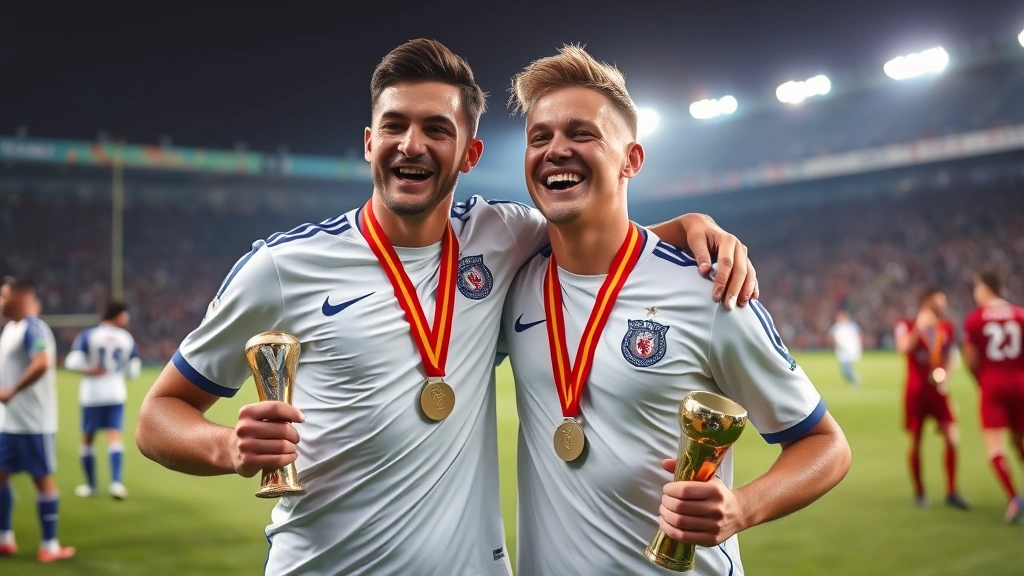
The world of professional football has witnessed some of the most extraordinary family dynasties, where brothers have not only shared the same bloodline but also dominated the pitch with remarkable skill, determination, and competitive spirit. These footballer brothers have created legacies that extend far beyond individual achievements, inspiring millions of fans worldwide and establishing themselves as icons in sports history. From the early days of football to the modern era, sibling partnerships have proven that greatness can run in families, and when combined with proper training, dedication, and mental fortitude, brothers can achieve unprecedented success together.
The phenomenon of successful footballer brothers goes beyond mere coincidence. It reflects the power of shared upbringing, competitive household dynamics, and mutual support systems that push athletes to excel. Whether they played together on the same teams or competed as rivals, these brothers have demonstrated that familial bonds can be both a motivating force and a driving factor in achieving excellence. This comprehensive exploration delves into the most celebrated footballer brothers throughout history, examining their contributions to the sport and the unique dynamics that made them legendary.
The Neville Brothers: Manchester United’s Defensive Pillars
Gary and Phil Neville represent one of the most iconic pairs of footballer brothers in Premier League history. Both emerged from Manchester United’s legendary youth academy during the 1990s, becoming integral parts of Sir Alex Ferguson’s dynasty. Gary Neville, the right-back, became renowned for his defensive prowess, leadership qualities, and remarkable consistency over two decades. Phil Neville, the left-back, showcased similar defensive intelligence while adding versatility to his game by playing in midfield when required.
What made the Neville brothers exceptional was not merely their individual talents but their ability to understand each other’s movements instinctively. They shared countless training sessions, understood the club’s philosophy deeply, and developed a telepathic understanding that translated into seamless performances on match days. Their partnership helped Manchester United win three Premier League titles together, alongside numerous domestic cups and European accolades. The brothers’ commitment to football training equipment and conditioning protocols set new standards for defensive excellence in the Premier League during their era.
Beyond their playing careers, both brothers transitioned into coaching and management roles, extending their influence in professional football. Gary Neville became a respected pundit and coach, while Phil Neville managed various international teams. Their journey demonstrates how footballer brothers can leverage their shared experiences and knowledge to contribute to the sport beyond their active playing years. The Neville legacy continues to inspire younger generations of defenders who aspire to achieve similar levels of consistency and excellence.
The Van der Sar Legacy: Dutch Goalkeeping Excellence
Edwin van der Sar and his brother Frank both pursued professional goalkeeping careers, though Edwin achieved far greater prominence at the highest levels of football. Edwin van der Sar became one of the most decorated goalkeepers in football history, winning multiple Premier League titles with Manchester United and establishing himself as one of the most reliable shot-stoppers in European football. His career spanned over two decades, during which he consistently demonstrated exceptional reflexes, distribution, and game-reading abilities.
Frank van der Sar, while less celebrated than his brother Edwin, still maintained a respectable career in professional football, playing for several Dutch clubs. The brothers’ shared goalkeeping background created a unique dynamic where they could discuss techniques, positioning strategies, and mental approaches to the demanding role. Both understood the psychological demands of goalkeeping and the importance of maintaining peak physical condition. Their story illustrates how footballer brothers can pursue similar positions while achieving different levels of success, yet still maintaining mutual respect and support throughout their careers.
Edwin van der Sar’s longevity and consistency at Manchester United, where he played alongside fellow defenders, demonstrated the importance of understanding how to avoid sports injuries through proper technique and preventative measures. His approach to fitness and injury prevention became a template for aspiring goalkeepers worldwide, emphasizing that longevity in professional football requires more than natural talent—it demands discipline, intelligent training, and continuous self-improvement.
The Bosnich Brothers: Australian Football Icons
Mark and Danny Bosnich represent Australia’s most successful footballer brothers, both achieving prominence in Australian football and making significant impacts in the domestic league. Mark Bosnich, the goalkeeper, became one of Australia’s most capped players and represented his country with distinction at the highest levels of international competition. His performances in the A-League and earlier competitions established him as a reliable and skilled shot-stopper who understood the technical aspects of modern goalkeeping.
Danny Bosnich, while less prominent than his brother Mark, also pursued a professional football career in Australia. The brothers’ shared commitment to developing Australian football during a period when the domestic league was establishing itself internationally helped elevate the sport’s profile within their home nation. Their achievements contributed to the growing recognition of Australian football talent on the global stage, inspiring countless young athletes to pursue professional careers in the sport.
The Bosnich brothers exemplify how footballer brothers can contribute to their national football development while pursuing individual excellence. Their dedication to the sport, combined with their willingness to compete at the highest levels, helped establish Australia as a nation capable of producing world-class footballers. Their legacy extends beyond their individual achievements to include their role in developing football infrastructure and mentoring younger Australian players who followed in their footsteps.

The Simeone Family: Coaching and Playing Prowess
Diego Simeone stands as one of modern football’s greatest coaches, while his brother Carlos pursued a professional playing career with less prominence. The Simeone family represents a different dynamic among footballer brothers—one where siblings achieve success in different capacities within the sport. Diego’s legendary status as Atletico Madrid’s manager, where he won La Liga and reached multiple Champions League finals, demonstrates how football excellence can manifest through coaching brilliance rather than solely through playing ability.
Carlos Simeone, while less celebrated than his brother Diego, still maintained a professional football career and contributed to his team’s success during his playing years. The brothers’ relationship showcases how footballer brothers can support each other’s careers even when pursuing different paths within professional football. Diego’s coaching philosophy, influenced by his playing experience and family background, emphasizes tactical discipline, physical conditioning, and mental resilience—values that likely developed through his competitive relationship with his brother.
The Simeone legacy demonstrates that football excellence extends beyond the pitch into strategic thinking and team management. Diego Simeone’s emphasis on college football 26 playbooks and tactical formations, while focused on a different sport, reflects the same principles of strategic planning that he applies in professional football. His success illustrates how understanding competitive dynamics and family influences can shape an individual’s approach to sports excellence.
The Toure Brothers: African Football Dominance
Yaya Toure and Kolo Toure represent one of Africa’s most successful footballer brothers, both achieving extraordinary success at the highest levels of European football. Yaya Toure, the midfielder, became one of the most dominant midfield players of his generation, winning multiple Premier League titles with Manchester City and achieving individual recognition through numerous awards. His physical presence, technical ability, and goal-scoring prowess made him one of the most complete midfielders in modern football history.
Kolo Toure, the defender, established himself as one of the Premier League’s most reliable center-backs, winning titles with Arsenal and Manchester City alongside his brother Yaya. Both brothers demonstrated exceptional athleticism, tactical intelligence, and commitment to excellence that transcended typical performance expectations. Their simultaneous presence at Manchester City created a powerful sibling dynamic that contributed to the club’s dominance during that period. Together, they won multiple trophies and established themselves as cornerstones of their team’s success.
The Toure brothers’ achievements extended beyond their club success to include significant contributions to the Ivory Coast national team. They represented their country with pride and distinction, helping elevate African football’s profile on the global stage. Their story demonstrates how footballer brothers can achieve unprecedented success when combined with exceptional talent, dedication, and mutual support. The brothers’ ability to compete at the highest levels while maintaining their relationship showcases the strength of familial bonds in professional sports.
The Silva Brothers: Portuguese Precision and Artistry
David Silva and his brother Uilson represent Portuguese football excellence, though David achieved far greater prominence on the global stage. David Silva became one of the Premier League’s most technically gifted midfielders during his time with Manchester City, known for his precise passing, intelligent movement, and ability to create opportunities for teammates. His artistry on the pitch inspired millions of fans and established him as one of Spain’s most valuable assets during their period of international dominance.
Uilson Silva, while less celebrated than his brother David, pursued a professional football career and contributed to his teams’ success in Portuguese and international competitions. The brothers’ shared Portuguese heritage and football background created a unique perspective on the sport’s technical and tactical elements. David’s evolution from a young talent in Spain to becoming one of Europe’s elite midfielders reflected the influence of his family background and competitive household dynamics that likely shaped his approach to excellence.
The Silva brothers exemplify how footballer brothers can pursue football excellence while developing distinct individual identities within the sport. David’s success at Manchester City and subsequent moves to other elite clubs demonstrated the importance of continuous development, adaptability, and maintaining peak physical and mental condition. His approach to training and match preparation influenced countless younger players who sought to emulate his technical proficiency and game intelligence.
Training Regimens of Elite Footballer Brothers
The success of elite footballer brothers stems partly from their shared training environments and understanding of optimal conditioning protocols. Most successful footballer brothers benefit from similar coaching influences during their formative years, developing comparable movement patterns and tactical awareness. Their training regimens typically emphasize multi-directional agility, explosive power development, and sport-specific endurance that translates directly to match performance.
Professional footballer brothers typically engage in periodized training programs that vary intensity and volume throughout the season. These programs incorporate strength and conditioning work, technical skill development, tactical team training, and recovery protocols that maximize performance while minimizing injury risk. The brothers’ mutual understanding of these training demands often creates accountability mechanisms where each sibling motivates the other to maintain peak condition.
Access to elite football training equipment and professional coaching staff significantly enhanced the development of successful footballer brothers. Many came through academy systems that provided world-class facilities and expert instruction from an early age. The combination of genetic advantages, environmental factors, and access to elite training resources created optimal conditions for developing exceptional athletes. Their training methodologies often become templates for younger players aspiring to reach similar levels of excellence.
The psychological component of training deserves particular attention among footballer brothers. Training alongside a sibling creates unique competitive dynamics that can enhance motivation and performance intensity. Brothers who train together develop deeper understanding of each other’s strengths and weaknesses, allowing them to provide targeted feedback and support that accelerates improvement. This internal competition, when channeled productively, becomes a powerful development tool that external coaches cannot fully replicate.
Mental Resilience and Competitive Advantage
The psychological advantages possessed by successful footballer brothers extend far beyond typical competitive motivation. Growing up in households where football excellence is valued creates a unique mental framework where high performance becomes normalized and expected. Brothers who compete against each other from youth develop exceptional resilience, learning to handle pressure, disappointment, and competition in ways that translate directly to professional success.
Mental resilience among footballer brothers often develops through shared experiences of success and failure. When one brother achieves recognition or success, it motivates the other to pursue similar accomplishments. Conversely, when one brother faces setbacks, the other provides support and perspective that helps maintain confidence and determination. This mutual support system creates psychological stability that enables both brothers to pursue ambitious goals and overcome obstacles that might otherwise prove insurmountable.
The competitive dynamic between footballer brothers can either strengthen or strain their relationship depending on how they manage rivalry and success. The most successful brothers maintain balance between supporting each other and competing for individual recognition. This delicate equilibrium requires emotional intelligence, maturity, and genuine commitment to each other’s success—qualities that distinguish exceptional families from those where sibling rivalry becomes destructive.
Understanding how to avoid sports injuries mentally involves recognizing the psychological factors that contribute to injury risk. Footballer brothers who maintain positive relationships and mutual support systems typically experience lower rates of stress-related injuries and psychological burnout. The emotional support provided by a sibling who understands the unique pressures of professional football creates a protective factor that enhances overall wellbeing and career longevity.
Professional footballer brothers often develop distinctive leadership styles influenced by their family dynamics. Those who grew up competing with siblings typically demonstrate stronger assertiveness, clearer communication, and more developed conflict resolution skills than athletes without sibling competitors. These leadership qualities translate into enhanced team dynamics and improved performance when brothers play alongside each other on professional teams.
The legacy of famous footballer brothers extends beyond their individual achievements to encompass their influence on football culture, youth development, and the sport’s global expansion. Their stories inspire young athletes worldwide to pursue excellence, demonstrate the importance of family support systems, and illustrate how competitive dynamics can fuel extraordinary achievement. The brothers examined throughout this exploration have collectively contributed immeasurably to football’s development and remain inspirational figures for future generations of athletes.
For aspiring athletes seeking to develop similar excellence, studying the training approaches and mental frameworks of successful footballer brothers provides valuable insights. Consulting resources like the American College of Sports Medicine for evidence-based training principles, combined with understanding family dynamics and competitive psychology, creates a comprehensive approach to athletic development. The combination of proper conditioning, technical skill development, and psychological preparation forms the foundation upon which legendary careers are built.
FAQ
What makes footballer brothers successful together?
Successful footballer brothers typically benefit from shared upbringing, similar coaching influences, mutual support systems, and competitive dynamics that enhance motivation. Their understanding of each other’s strengths and weaknesses allows them to function with exceptional synchronization on the pitch, while their familial bond provides psychological stability that enables pursuit of ambitious goals.
Can footballer brothers play on the same team effectively?
Yes, many famous footballer brothers have played together successfully, including the Neville brothers at Manchester United and the Toure brothers at Manchester City. When managed properly, playing alongside a sibling can enhance team chemistry and performance, though it requires maturity and clear communication to prevent personal relationships from interfering with professional responsibilities.
Do footballer brothers have genetic advantages?
While genetics certainly play a role in athletic ability, the success of footballer brothers typically results from a combination of genetic factors, environmental influences, access to elite coaching and facilities, and personal dedication to excellence. Shared upbringing and training environments often prove equally important as genetic predispositions in determining ultimate success.
How do footballer brothers handle rivalry?
The most successful footballer brothers maintain balance between supporting each other and competing for individual recognition. They typically develop emotional intelligence and mature approaches to rivalry that strengthen rather than strain their relationships. Clear communication, mutual respect, and genuine commitment to each other’s success characterize the healthiest sibling dynamics in professional football.
What training principles do elite footballer brothers follow?
Elite footballer brothers typically engage in periodized training programs emphasizing multi-directional agility, explosive power development, and sport-specific endurance. Their training includes strength and conditioning work, technical skill development, tactical team training, and comprehensive recovery protocols designed to maximize performance while minimizing injury risk. Access to professional coaching staff and world-class facilities significantly enhances their development.
How do footballer brothers maintain peak physical condition?
Successful footballer brothers maintain peak condition through disciplined training regimens, proper nutrition, adequate recovery, and consistent engagement with sports science professionals. Their shared understanding of conditioning demands often creates mutual accountability, with each brother motivating the other to maintain optimal physical preparation. Access to elite Peak Play Arena Blog resources and professional guidance enhances their approach to fitness and injury prevention throughout their careers.


