Master the Passing Tree: Coach Insights on Football’s Most Essential Offensive Framework
The passing tree represents one of football’s most fundamental yet misunderstood offensive concepts. Whether you’re a defensive coordinator trying to diagnose patterns or an offensive coordinator designing your next championship system, understanding the nuances of route progression is critical to modern football success. This comprehensive guide breaks down the passing tree architecture, explores how elite coaches implement it, and reveals the science behind effective quarterback-receiver synchronization that separates championship teams from the rest.
At its core, the passing tree is a visual diagram showing numbered routes that receivers run at specific depths and angles. However, it’s far more than just pretty lines on a whiteboard—it’s a complete communication system between quarterback and receiver that requires thousands of practice repetitions to master. The beauty of the passing tree lies in its scalability; whether you’re running a high school spread offense or an NFL west coast system, the fundamental principles remain constant: clarity, depth variation, and systematic progression.
Understanding the Passing Tree Foundation
The passing tree emerged from the west coast offense principles popularized by coaches like Bill Walsh, who revolutionized how teams thought about systematic offensive progression. Rather than relying solely on improvisation or complex disguises, Walsh’s system emphasized precise route numbers, predictable spacing, and quarterback-receiver timing that could be practiced and perfected to near-mechanical levels.
Modern coaching has evolved this foundation considerably. Today’s passing tree integrates elements from multiple offensive philosophies—spread concepts, vertical spacing, and motion-based route adjustments. The tree typically features routes numbered 0-9, each representing a specific combination of direction and depth. This standardization allows coaches to communicate complex plays using shorthand terminology, enabling rapid play-calling and adjustment during games.
Elite programs understand that mastering the passing tree requires three interconnected components: receiver responsibility clarity, quarterback decision-making frameworks, and extensive rep-based practice. When these elements align, teams develop an offensive efficiency that’s difficult for defenses to disrupt. The data supports this: teams with standardized, well-practiced passing trees show significantly higher completion percentages and lower interception rates than teams relying on improvisation-heavy systems.
Your football gloves play a subtle but important role in executing the tree—proper grip affects receiver confidence in route execution and catch probability. When receivers feel secure in their equipment, they focus entirely on route precision rather than worrying about ball security concerns.
Route Numbering Systems Explained
The numerical route system provides the linguistic foundation for passing tree communication. Understanding these numbers isn’t merely academic—it’s essential for any coach or player serious about offensive development. Let’s break down the standard numbering convention:
- Route 0 (Flat/Quick): Receiver runs horizontally 3-5 yards downfield, typically used for quick game concepts and timing passes
- Route 1 (Slant): Sharp 45-degree cut inside toward the quarterback, executed at 3-5 yards depth for quick-hitting plays
- Route 2 (Quick Out): Receiver sprints 5 yards upfield, plants, and cuts sharply outside toward sideline
- Route 3 (Comeback): Vertical stem 8-12 yards, then sharp plant and break back toward line of scrimmage at 45-degree angle
- Route 4 (Dig/In): Deep vertical stem 12-16 yards, then sharp inside cut creating intermediate middle-field option
- Route 5 (Out): Deeper version of quick out, vertical stem 12+ yards before outside break toward sideline
- Route 6 (Curl): Vertical stem 10-15 yards, plant, and curl back toward quarterback at 45-degree angle opposite direction of dig
- Route 7 (Corner/Flag): Deep vertical stem 12-18 yards, then diagonal break toward corner of endzone
- Route 8 (Post): Vertical stem 12-18 yards, then diagonal break toward opposite hash mark creating high-percentage deep ball
- Route 9 (Go/Fade): Vertical stem straight downfield, receiver runs toward endzone creating deep passing option
These routes form the foundational vocabulary. However, modern offenses add complexity through route adjustments, motion-based modifications, and stack releases that create infinite variations from these base concepts. The key principle: standardization enables complexity. When everyone understands the baseline routes, coaches can layer adjustments and progressions without overwhelming players.
Many coaches structure their football training programs around systematic route installation, beginning with individual route technique before progressing to combination concepts and full-system integration. This scaffolded approach ensures comprehensive understanding before introducing advanced concepts.
Depth and Spacing Principles
Route depth and spacing represent the geometric foundation of passing tree effectiveness. Coaches who master these principles create passing games that naturally generate separation and create decision-making advantages for quarterbacks. This isn’t theoretical—research in sports cognition demonstrates that quarterbacks process information faster when routes occupy distinctly different depths and horizontal positions.
The vertical spacing principle suggests routes should occupy different layers: short (0-5 yards), intermediate (8-12 yards), and deep (15+ yards). This vertical separation prevents traffic jams in specific areas and gives quarterbacks clear decision trees. When receivers run routes at identical depths, defensive backs can play more efficiently, and quarterback confusion increases significantly.
Horizontal spacing follows similar logic. Routes should spread defenders laterally, creating separation and reducing defensive clustering. A well-designed play typically features receivers distributed across the field width, forcing defenders to make difficult coverage decisions. The classic concept: three receivers spread wide with one intermediate and one short creates spacing that’s defensively problematic for nearly every coverage structure.
Temperature plays an underrated role in route execution precision. Avoiding sports injuries through proper warm-up protocols ensures receivers maintain the flexibility and responsiveness necessary for sharp route breaks. Cold muscles don’t execute precise cuts, leading to timing issues and failed concepts.
Elite coaches like Kyle Shanahan have revolutionized spacing through motion concepts that adjust receiver positioning pre-snap. By moving receivers into optimal spacing positions after defensive alignment is set, modern offenses gain significant advantages. This represents the evolution of traditional passing tree concepts—static routes enhanced through strategic motion and positioning adjustments.
Quarterback Reads and Progressions
The passing tree only functions effectively when quarterbacks execute disciplined read progressions. This separates elite quarterback play from average performance: the ability to move through reads with precision and timing, making decisions based on defensive structure before it fully develops.
Progression structure typically follows one of several frameworks: sequential reads (primary to secondary to tertiary based on predetermined order), spatial reads (reading defenders in specific field areas), or coverage reads (identifying defensive structure and responding accordingly). Elite systems often blend these approaches, creating sophisticated decision-making frameworks that appear simple externally but require extensive mental processing.
The science of quarterback decision-making reveals that successful players process information at exceptional speeds—approximately 200-400 milliseconds from snap to release. This extraordinary processing speed develops through deliberate practice focusing on route recognition, defender positioning, and decision triggers. Quarterbacks who master their passing tree can operate on instinct, responding to defensive adjustments without conscious deliberation.
Key progression principles include:
- Primary Read Clarity: Quarterback immediately identifies the primary receiver, tracking his route development and defensive coverage
- Timing Synchronization: Delivery occurs at precise moments when receivers reach break points, requiring thousands of reps for calibration
- Progression Discipline: Moving through secondary and tertiary reads without fixating on covered primaries, a discipline that separates professionals
- Scramble Awareness: Understanding how routes break down when protection fails and recognizing extended-play opportunities
- Two-Minute Awareness: Adjusting reads based on game situation, clock management, and strategic imperatives
The football mouthpiece serves functional purposes beyond protection—proper fit ensures quarterbacks maintain clear communication with receivers and coaches throughout execution. When equipment fits correctly, cognitive resources focus entirely on play execution rather than equipment adjustment.
Receiver Techniques and Execution
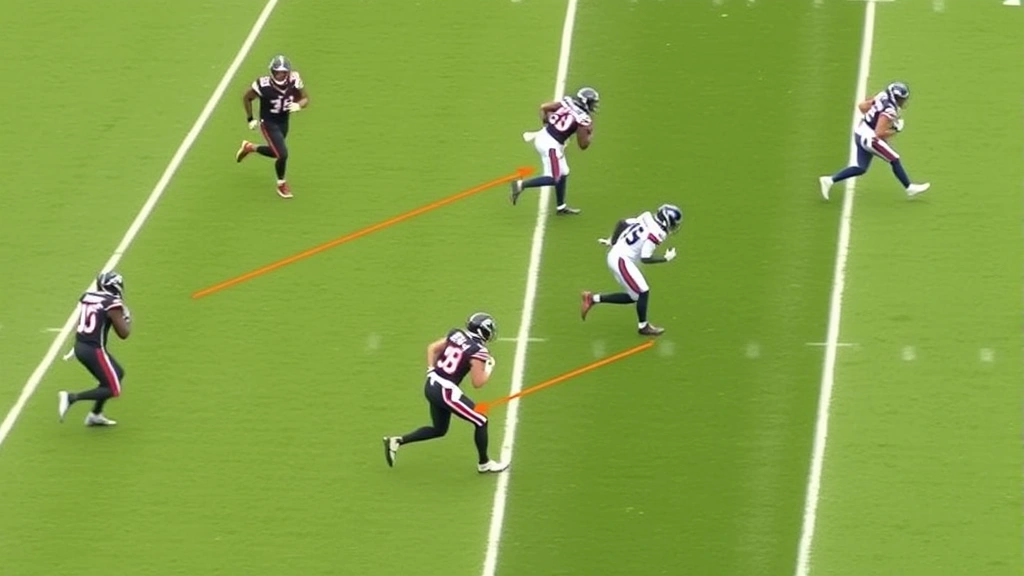
Receivers represent the passing tree’s execution layer. No matter how sophisticated the quarterback’s read progression, inconsistent receiver technique creates failure. Elite receivers possess several distinguishing characteristics: precise route discipline, timing synchronization, and exceptional body control.
Route precision begins with the release. Receivers must attack defensive backs with explosive first steps, gaining vertical or lateral separation before committing to their assigned route. This initial advantage determines whether receivers can execute routes cleanly against press coverage. Coaches spend enormous practice time refining releases because this single element separates average receivers from exceptional ones.
Break point execution represents the next critical skill. Receivers must decelerate, plant, and change direction at precise moments to maximize separation and timing with quarterbacks. The physics is straightforward: faster deceleration creates sharper cuts, but excessive deceleration reduces route depth. Elite receivers balance these competing demands through technique refinement and thousands of repetitions.
Body control during breaks determines catch probability. Receivers who maintain vision downfield while cutting, who position their bodies to receive passes while moving, and who adjust to ball placement demonstrate the physical sophistication that separates professional from amateur execution. This requires exceptional proprioceptive awareness—the body’s sense of its position in space—developed through consistent practice.
The psychological dimension of receiver execution often gets overlooked. Receivers must maintain complete confidence in their routes even when defensive backs jam them at the line. They must execute assignments without seeing the quarterback, trusting that proper execution creates separation. This mental resilience develops through coaching emphasis and consistent positive reinforcement during practice.
Implementing Your System
Translating passing tree concepts into organizational implementation requires systematic planning. Elite coaching staffs follow structured implementation frameworks that ensure comprehensive understanding before advancing complexity.
Phase 1: Individual Route Installation focuses on teaching base routes to each receiver position. Coaches break routes into component parts: release, vertical stem, break point, and finish. This methodical approach ensures precision before combining routes into concepts. Typically, coaches dedicate 2-3 weeks to individual route mastery before progressing.
Phase 2: Combination Concepts introduces how routes interact within play designs. Coaches teach simple two-receiver combinations before advancing to three-receiver plays. This phase emphasizes spacing principles and how receiver positioning creates passing lanes for quarterbacks. Typically 3-4 weeks of focused installation occurs during this phase.
Phase 3: Full-System Integration combines all elements: quarterback reads, receiver routes, protection schemes, and motion adjustments. This phase requires extensive team periods where all eleven players execute synchronized assignments. Realistic competitive reps during this phase accelerate development significantly.
Phase 4: Situational Mastery emphasizes execution in specific game situations: two-minute drills, red zone plays, third-down conversions, and pressure scenarios. This phase develops mental resilience and situational awareness necessary for game-time success.
Effective implementation requires dedicated practice time. Research suggests that mastering a complete passing tree system requires approximately 200-300 high-quality team reps distributed across a season. Teams attempting to implement systems without sufficient practice time inevitably experience inconsistent execution and missed opportunities.
Consider how sports team bonding activities contribute to passing tree execution. When quarterbacks and receivers develop strong communication and trust relationships, play execution improves noticeably. Teams that invest in relationship-building experience fewer miscommunications and greater play consistency.
Common Mistakes Coaches Make
Decades of coaching observation reveal consistent implementation mistakes that undermine passing tree effectiveness. Understanding these pitfalls helps coaches avoid expensive errors.
Mistake 1: Over-Complexity Without Foundation represents the most common implementation error. Coaches introduce advanced concepts before players master base routes. This creates confusion and inconsistent execution. The principle: simplicity creates consistency, complexity creates confusion. Elite coaches build sophisticated systems on top of simple, well-executed foundations.
Mistake 2: Insufficient Practice Reps affects even well-designed systems. Quarterbacks and receivers need thousands of reps to develop timing synchronization. Coaches who minimize practice time to preserve player health inevitably sacrifice execution quality. The solution: prioritize quality over quantity, ensuring that available reps receive maximum focus and intensity.
Mistake 3: Inadequate Defensive Simulation prevents realistic execution development. Receivers practicing against air don’t experience the spatial awareness challenges that game situations create. Elite programs invest in defensive scout teams that simulate game-speed coverage, forcing receivers to adjust routes and quarterbacks to process defensive looks realistically.
Mistake 4: Poor Communication Systems create alignment failures. When coaches use ambiguous terminology or fail to establish clear communication protocols, players develop different interpretations of assignments. The solution: establish explicit terminology, provide written documentation, and verify understanding through consistent testing.
Mistake 5: Neglecting Individual Receiver Differences limits system optimization. Receivers possess different physical tools, processing speeds, and learning styles. Elite systems maintain core concepts while allowing position-specific adjustments that leverage individual strengths. A receiver with exceptional vertical ability might emphasize fade routes, while a slot receiver might emphasize quick-game concepts.
Mistake 6: Insufficient Pressure Adaptation leaves systems vulnerable. When defenses add pressure, route timing changes and progressions become invalid. Coaches must teach hot routes, sight adjustments, and protection-related modifications that maintain system integrity under pressure. Teams lacking these adjustments experience dramatic execution drop-offs against aggressive defenses.
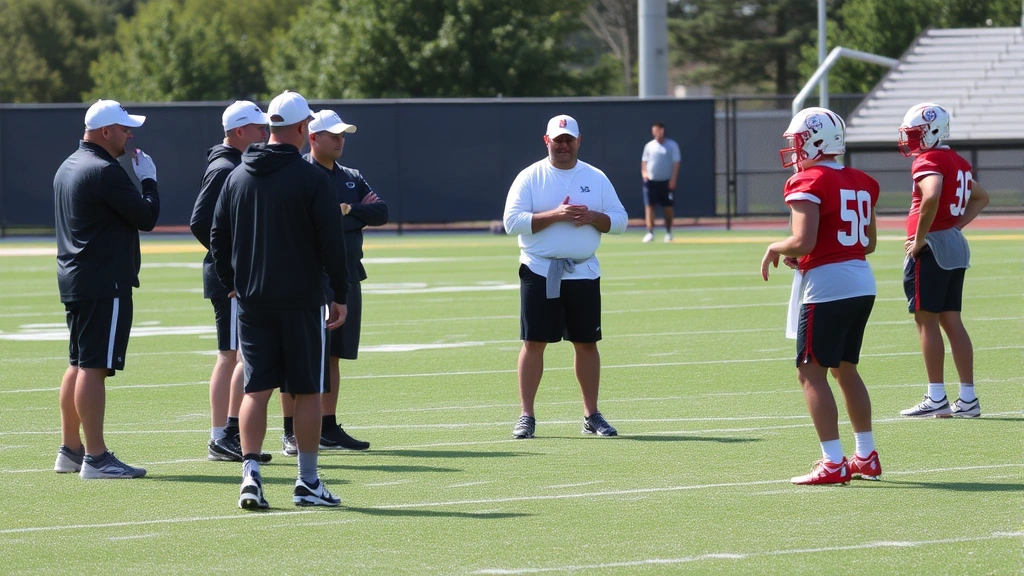
The passing tree represents a complete offensive philosophy, not merely a route diagram. Coaches who understand its comprehensive nature—from individual route technique through full-system integration—develop offenses capable of sustained success. The teams that dominate their competitions typically excel at passing tree execution: precise routes, synchronized timing, and disciplined quarterback decisions.
Your commitment to mastering these principles directly impacts your program’s success. Whether coaching at youth, high school, or collegiate levels, the fundamental principles remain constant. Invest in systematic implementation, emphasize quality practice, and maintain relentless focus on execution precision. The results will demonstrate themselves through improved completion percentages, fewer turnovers, and increased offensive efficiency.
FAQ
What’s the difference between a passing tree and a route tree?
The terms are often used interchangeably, but technically a route tree shows individual receiver routes while a passing tree illustrates complete play concepts with multiple receivers. A passing tree is more comprehensive, showing how multiple routes interact within a single play design.
How long does it take to master a passing tree system?
Complete mastery typically requires 8-12 weeks of consistent installation and practice. However, basic competency develops within 3-4 weeks. The timeline depends on team experience level, available practice time, and coaching quality. Professional teams may require 4-6 weeks, while youth programs might need 12-16 weeks.
Can I modify the standard route numbering system?
Yes, many successful programs use modified numbering systems adapted to their specific philosophy. The important principle: consistency within your program. Whatever system you choose, ensure all players understand it completely before implementing it.
How do I teach receivers to understand route adjustments?
Begin with base routes, then introduce simple adjustments based on defensive structure. Use film study to show how routes adjust against different coverages. Practice these adjustments repeatedly until they become instinctive. Most importantly, establish clear communication protocols for how adjustments are signaled.
What’s the relationship between passing tree concepts and modern spread offenses?
Modern spread offenses are built on passing tree foundations but emphasize horizontal spacing and motion-based adjustments. The core principles remain identical: numbered routes, systematic progressions, and precise execution. The primary difference involves greater emphasis on pre-snap motion and spacing adjustments.
How do I evaluate quarterback mastery of passing tree concepts?
Assessment should include: completion percentage accuracy, decision-making consistency under pressure, progression discipline, and protection recognition. Film study reveals whether quarterbacks execute progressions correctly or fixate on covered receivers. Testing should include pressure scenarios where progressions become invalid.
Should I teach the complete passing tree to youth players?
Absolutely, but with age-appropriate modifications. Young players can master base routes and simple concepts. As they mature, introduce complexity gradually. The foundation developed early accelerates advanced learning in high school and college programs.


