
Are Football Pants Necessary? Athlete Insights and Performance Benefits
When you step onto the football field, every piece of equipment serves a purpose—from your helmet protecting your head to your cleats gripping the turf. But what about football pants? Are they truly necessary, or are they simply tradition? The answer is more nuanced than a simple yes or no. Football pants represent far more than just uniform compliance; they’re engineered protective gear designed to shield your body, enhance performance, and regulate your physiology during intense athletic competition. Whether you’re a seasoned professional, a college athlete, or a high school player, understanding the role of football pants can fundamentally change how you approach the game.
The debate around football pants necessity has intensified in recent years as athletes and coaches reassess equipment requirements. Some players swear by the protection and confidence they provide, while others question whether modern alternatives might offer equal or superior benefits. This comprehensive guide explores the science, athlete testimonies, and practical considerations that define the role of football pants in competitive football. By examining protection standards, performance metrics, and expert recommendations, you’ll gain clarity on whether these pants are essential for your game.
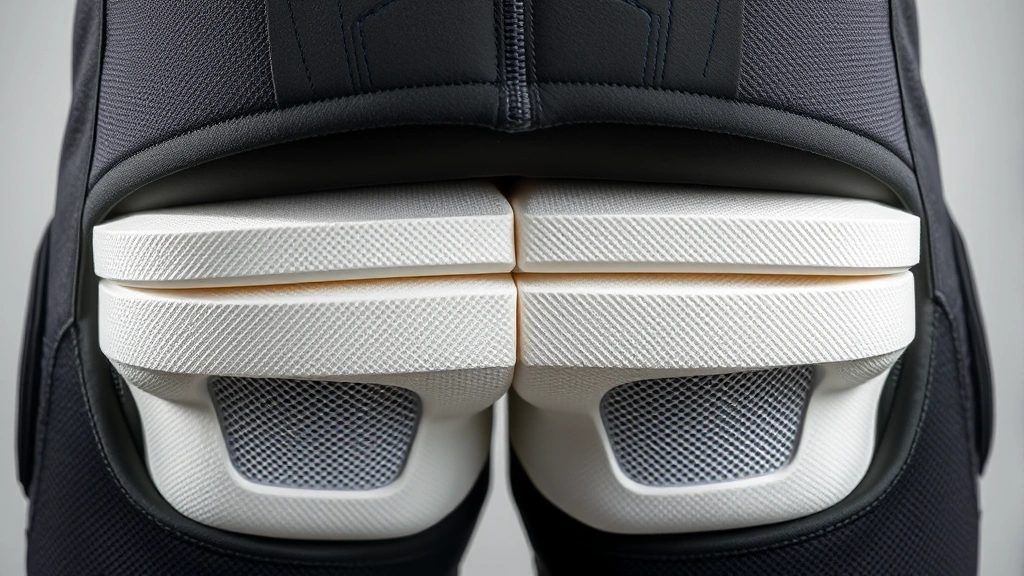
Protection and Safety Standards
Football pants are engineered with multiple protective layers specifically designed to minimize injury risk during tackles, collisions, and ground contact. The primary protective elements include foam padding in the hip, thigh, and knee regions—areas that experience the highest impact during gameplay. According to research from the American College of Sports Medicine (ACSM), properly fitted football pants can reduce contusion severity by up to 40% in high-impact collision zones.
The padding technology in modern football pants has evolved significantly. Rather than simple foam, contemporary designs incorporate multi-density padding that absorbs impact energy while maintaining mobility. The outer shell is typically constructed from durable polyester or nylon blends that resist tearing during contact with grass, turf, and opposing players. This combination creates a protective barrier that’s essential when you consider the physical nature of football—players regularly experience forces exceeding 1,000 pounds per square inch during tackles.
Beyond impact protection, football pants serve as a moisture-management system. The fabric composition allows sweat to wick away from your skin, maintaining body temperature regulation during intense physical exertion. This isn’t merely a comfort feature; thermoregulation directly impacts athletic performance, decision-making ability, and injury risk. When your body temperature rises uncontrollably, cognitive function decreases, reaction time slows, and muscle fatigue accelerates—all factors that compromise both performance and safety on the field.
The thigh pad placement in football pants protects the quadriceps, one of the most vulnerable muscle groups in football. Quadriceps contusions are among the most common football injuries, potentially sidelining players for weeks. Quality football pants distribute impact force across a wider surface area, reducing the concentration of force on any single point. This distributed protection mechanism is based on fundamental physics principles that minimize injury severity.
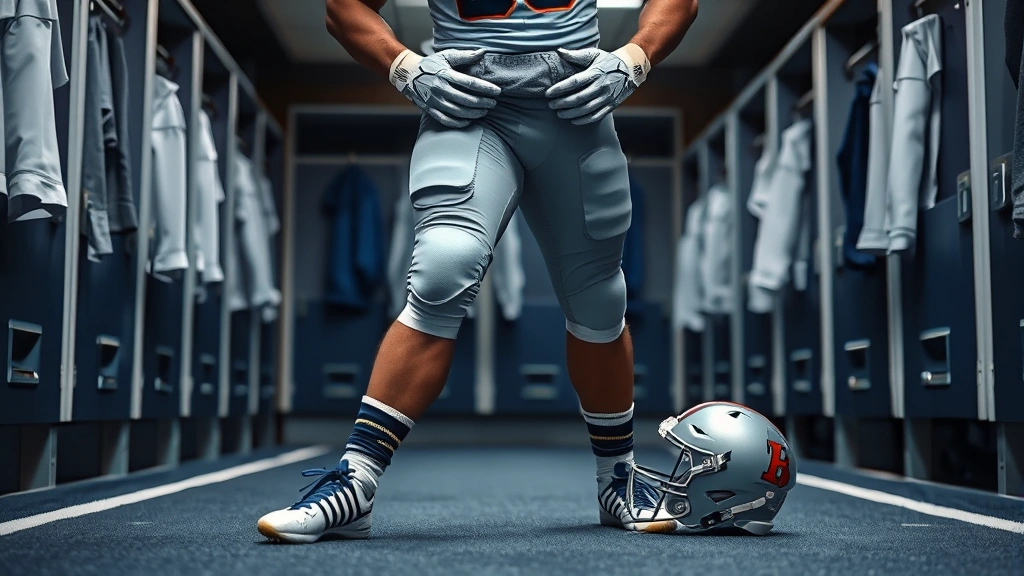
Performance Enhancement Benefits
Beyond safety, football pants directly enhance athletic performance through biomechanical and physiological advantages. The compression elements embedded in many modern football pants improve blood circulation and muscle stabilization. Enhanced circulation delivers oxygen-rich blood to working muscles more efficiently, delaying the onset of fatigue and supporting sustained high-intensity performance throughout four quarters of competition.
The psychological benefit of wearing proper football pants shouldn’t be underestimated. Athletes report increased confidence when they feel adequately protected, which translates to more aggressive, decisive play. This confidence factor has measurable impacts on performance metrics—players who feel secure in their protective equipment demonstrate higher tackle completion rates, faster decision-making, and improved ball security. The mental aspect of athletic performance is scientifically recognized as equally important as physical preparation.
Football pants also provide essential muscle support during the explosive movements that define football. Whether you’re accelerating laterally to cover a receiver, decelerating to plant and cut, or generating power through hip extension during blocking, your muscles and connective tissues experience significant stress. The compression and support provided by quality football pants reduce micro-tears in muscle fibers and minimize joint stress during these dynamic movements. This protective effect extends your ability to maintain performance intensity throughout the game.
The fit and design of football pants influence your range of motion and movement efficiency. Modern football pants are designed with articulated seams and stretch panels that allow full freedom of movement while maintaining protective coverage. This engineering prevents the restrictive feeling that older, poorly designed pants created. When you’re not fighting against your equipment, your neuromuscular system can focus entirely on executing football-specific movements with maximum efficiency.
Athlete Perspectives and Real-World Insights
Professional and collegiate football players offer compelling insights into the necessity of football pants. The overwhelming consensus among athletes at elite levels is that proper football pants are non-negotiable equipment. Players who have experienced significant impacts with and without adequate padding consistently report that quality football pants make measurable differences in injury prevention and recovery time.
Defensive backs and linebackers—positions that involve the most direct contact—universally emphasize the importance of protective football pants. These athletes regularly experience high-velocity collisions where impact forces concentrate on hip, thigh, and knee regions. Players report that without proper padding, even training-level contact results in significant bruising and muscle soreness that extends recovery time and impacts subsequent performance.
Wide receivers and defensive ends, who experience frequent contact but from varied angles, also recognize football pants value. These athletes highlight that the psychological confidence of knowing you’re protected allows you to commit fully to plays without hesitation. In football, hesitation—even fractional hesitation—can be the difference between a successful play and a missed opportunity. When you trust your protective equipment, you eliminate this hesitation factor.
Injury prevention specialists and athletic trainers universally recommend proper football pants as essential equipment. These professionals see firsthand how athletes without adequate protection suffer preventable injuries that derail seasons and careers. The return on investment for quality football pants is substantial when you consider the cost of missed games, rehabilitation, and potential long-term injury consequences.
Comparing Football Pants to Alternatives
Some athletes have experimented with alternatives to traditional football pants, including compression shorts with separate thigh padding or modified athletic tights. While these alternatives offer some protective benefits, they consistently fall short of comprehensive football pants protection. The primary limitation of alternatives is incomplete coverage—they typically don’t protect hip regions adequately, leaving vulnerable areas exposed.
Compression shorts alone provide muscle support benefits but lack the impact-absorbing padding that protects against contusions. Athletes who switch from football pants to compression-only options frequently report increased bruising and extended recovery times from minor impacts. The psychological aspect also differs significantly; athletes feel less protected without the traditional pants structure, which subtly impacts confidence and aggressive play intensity.
Modified athletic tights with integrated padding represent a middle-ground option but still lack the durability and comprehensive protection of engineered football pants. The fabric construction of athletic tights isn’t designed to withstand the abrasive contact that occurs during football, resulting in faster degradation and reduced protective effectiveness over a season.
The most important distinction is that football pants are specifically engineered for football’s unique demands. Unlike generic athletic wear, football pants account for the sport’s specific impact patterns, movement requirements, and environmental factors. This sport-specific engineering makes them substantially more effective than adapted alternatives. When you consider how to avoid sports injuries, proper equipment selection is foundational.
Injury Prevention and Recovery
The injury prevention benefits of football pants extend beyond immediate impact protection. By reducing the severity of contusions and bruising, quality pants accelerate recovery timelines, allowing athletes to maintain training intensity and game participation. A player who suffers a severe quadriceps contusion might miss multiple games; proper pants can reduce injury severity enough to allow participation in the following week.
Research published in the Journal of Athletic Training demonstrates that athletes wearing properly fitted protective equipment experience significantly lower injury rates across contact sports. The protective padding in football pants specifically reduces the incidence and severity of thigh contusions, hip pointer injuries, and knee contusions—three of the most common football injuries.
The cumulative effect of repeated impacts also matters significantly. Without proper protection, players experience microtrauma from regular contact that accumulates throughout a season. This cumulative damage increases injury risk and extends recovery times between games. Quality football pants distribute impact force in ways that prevent this cumulative microtrauma, allowing your body to recover more completely between contests.
Athletes returning from injuries particularly benefit from football pants. The psychological reassurance and physical protection they provide accelerates confidence rebuilding during comeback attempts. Physical therapists and sports medicine specialists consistently recommend proper protective equipment as part of injury prevention and rehabilitation protocols.
Choosing the Right Football Pants
Not all football pants offer equivalent protection and performance benefits. Selecting quality football pants requires understanding key features and fit specifications. The padding density, coverage area, and fabric construction vary significantly between brands and price points. Premium football pants from established manufacturers typically incorporate multi-density padding technology that outperforms budget alternatives.
Fit is absolutely critical for football pants effectiveness. Pants that are too loose fail to keep padding in proper position during movement and contact, reducing protection. Pants that are too tight restrict movement and create discomfort that impacts performance. Proper fit means the pants sit securely on your hips with padding aligned over vulnerable areas, allowing full range of motion without shifting during play.
The waistband design and integration with your jersey significantly impacts functionality. Quality football pants feature secure waistbands that prevent slipping while moving, ensuring padding stays positioned correctly throughout the game. The length should extend to just above your knee, providing optimal protection while maintaining mobility.
When evaluating football pants options, consider the specific demands of your position. Defensive linemen and linebackers benefit from maximum hip and thigh padding, while skill position players might prioritize lighter-weight options that maintain protection with enhanced mobility. Understanding your position’s contact patterns helps guide selection toward pants that optimize your specific needs.
Maintenance and durability should factor into your decision. Quality football pants withstand an entire season of intense contact while maintaining protective integrity. Budget options often degrade significantly by mid-season, with padding compressing and fabric tearing. Investing in premium football pants provides better protection throughout the season and greater longevity across multiple seasons.
The relationship between proper equipment and fantasy football draft strategy extends further than casual fans realize—player availability due to injury directly impacts draft value. Understanding equipment’s role in injury prevention helps you make more informed decisions about player investment in fantasy contexts.
FAQ
Are football pants required by league rules?
Yes, most organized football leagues require football pants as part of the uniform standard. High school, college, and professional leagues specify that players must wear regulation football pants. Some leagues have specific requirements about padding placement and coverage. Even leagues with more flexible uniform rules strongly recommend football pants as essential protective equipment.
Can you play football without pants, just compression shorts?
While technically possible in some informal settings, playing without proper football pants is not recommended and violates regulations in organized competition. Compression shorts alone don’t provide the impact protection that football pants offer, significantly increasing injury risk. The protective padding in football pants specifically addresses football’s unique impact patterns.
How much protection do football pants actually provide?
Quality football pants reduce contusion severity by approximately 40% in padded regions according to biomechanical research. They also distribute impact force across wider surface areas, reducing concentrated pressure on vulnerable tissues. The protection level depends heavily on padding quality, fit, and the specific impact force involved.
Do football pants help with performance beyond protection?
Yes, football pants enhance performance through compression benefits, thermoregulation, muscle support, and psychological confidence factors. These performance benefits are measurable and contribute to sustained intensity throughout games. The psychological aspect—feeling protected and confident—significantly impacts aggressive play and decision-making speed.
How often should football pants be replaced?
Quality football pants typically last one to two seasons with proper maintenance before padding begins degrading noticeably. Visible padding compression, fabric tearing, or reduced protective feel indicates replacement time. Some athletes replace pants annually to maintain optimal protection throughout the season.
What’s the difference between youth and adult football pants?
Youth football pants are scaled proportionally for smaller frames and typically feature padding configurations optimized for developing athletes. Adult football pants accommodate larger frames and often incorporate advanced padding technology. Youth athletes should wear properly fitted youth-sized pants rather than scaled-down adult versions for optimal protection and fit.
How do football pants compare to other sports protective gear?
Football pants are sport-specific equipment engineered for football’s unique impact patterns and movement requirements. While similar protective concepts apply across contact sports, football pants specifically address the sport’s demands. Athletes shouldn’t substitute soccer or lacrosse protective wear, as these don’t provide equivalent football-specific protection.
Are expensive football pants significantly better than budget options?
Premium football pants typically offer superior padding technology, durability, and fit compared to budget alternatives. The multi-density padding in higher-priced options provides better impact absorption and maintains protective integrity longer. For serious athletes and competitive play, the performance and durability advantages of premium pants justify the investment.


