
Draft Strategy for Fantasy Football: Expert Advice to Dominate Your League
Fantasy football draft season represents the most critical moment of your entire season. The decisions you make in those few hours will determine whether you’re competing for a championship or scrambling for relevance by Week 8. Unlike seasonal sports where you can recover from early mistakes, your fantasy football draft sets the foundation for success or failure. This comprehensive guide breaks down proven fantasy football draft strategy techniques that separate champions from the rest of the pack.
The fantasy football landscape has evolved dramatically over the past decade. Player values shift annually, injury patterns emerge unpredictably, and league dynamics change based on scoring formats and roster sizes. What worked in 2019 won’t necessarily work today. That’s why understanding core drafting principles while staying flexible with your approach is essential. Whether you’re in a PPR league, standard scoring, or a unique custom format, the fundamental strategies outlined here will elevate your draft performance and give you a competitive edge from day one.

Understanding Draft Strategy Fundamentals
Before diving into specific tactics, you need to understand the foundational principles that underpin all successful fantasy football strategy. Every draft involves managing scarcity, value, and positional need simultaneously. The core principle is simple: maximize the total production of your roster by acquiring players at points in the draft where their value exceeds their average draft position (ADP).
Value-based drafting focuses on the concept that you should select whoever offers the best value available, rather than forcing a specific position. This counterintuitive approach works because the difference between the 5th-best quarterback and the 15th-best quarterback is minimal, whereas the difference between the 1st-best running back and the 5th-best running back is substantial. By targeting positions with steep production drops, you maximize your overall roster strength.
Your draft strategy must account for league-specific factors. Is your league aggressive at a particular position? Do your opponents tend to handcuff their running backs? Do people reach for defense early? These observations inform your decisions throughout the draft. Additionally, understand your league’s scoring system thoroughly. PPR (points per reception) leagues value pass-catching running backs and slot receivers differently than standard scoring leagues. Half-PPR creates another dynamic entirely.
Tier-Based Drafting: The Scientific Approach
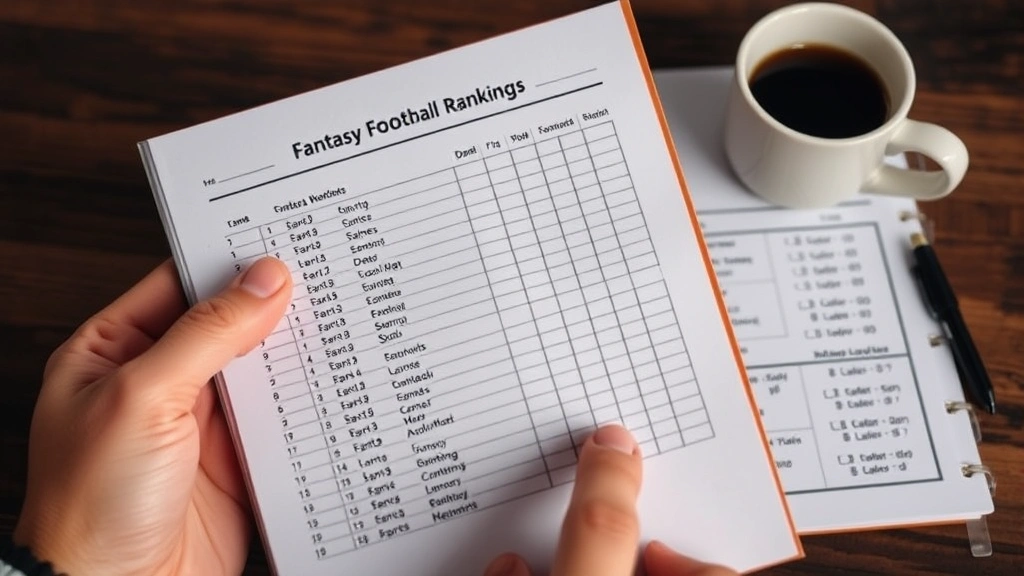
Tier-based drafting represents one of the most effective strategic frameworks available. Rather than viewing players as a linear ranked list, organize them into tiers of similar production potential. For example, the elite tier of running backs might include four players projected to exceed 300 touches and 1,500 total yards. The next tier drops to players projected for 250-300 touches with slightly lower efficiency. This visual framework clarifies when to attack positions and when to wait.
The magic of tier-based thinking emerges when you identify tier cliffs—points where production drops significantly. If five elite wide receivers are projected for 120+ receptions and 1,400+ yards, but the sixth-ranked receiver drops to 95 receptions and 1,100 yards, that cliff represents a critical drafting moment. You want to acquire players before tier cliffs, not after them. This approach prevents reaching for players while ensuring you don’t get caught waiting too long for a position.
Create your own tier system before draft day. Use expert consensus rankings, but adjust based on your league’s tendencies and scoring format. A player who’s consensus 8th overall might be 12th in your system if you recognize league tendencies to reach for running backs. Conversely, a player ranked 15th might be 10th in your rankings if you’ve identified a position shortage. Your personalized tier system becomes your draft roadmap.
Position Scarcity and Value Analysis
Understanding position scarcity is absolutely critical for draft success. Some positions have dramatic talent cliffs while others offer relatively consistent production across dozens of players. Running back and wide receiver typically feature the steepest production drops from tier to tier. Quarterback, tight end, and defense show flatter curves, meaning later selections at these positions retain more value than earlier selections.
This scarcity analysis directly informs your best fantasy football picks strategy. You should target running backs and wide receivers earlier because the production delta is severe. You can afford to wait on quarterback, tight end, and defense because the drop-off is gradual. A quarterback taken in round 5 might produce nearly as many points as one taken in round 1. The same cannot be said for running backs.
Calculate the positional scarcity by examining your league’s roster construction and scoring system. If your league starts 2 running backs, 3 wide receivers, 1 tight end, and 1 quarterback, then you need 12 running backs and 18 wide receivers across your entire league. That means approximately 24% of drafted players should be running backs and 36% should be wide receivers. Use this math to identify when positions will become depleted and adjust your draft accordingly.
Early Round Strategy: Securing Elite Talent
The first three rounds of your draft determine your ceiling. These selections should target the players with the most significant production advantages over their position group. In most years, this means securing elite running backs and wide receivers. The consensus strategy of taking a running back in round 1 holds merit because elite backs provide such significant production advantages.
However, elite wide receivers in recent years have challenged this conventional wisdom. A top-tier wide receiver like a Tyreek Hill or Justin Jefferson provides remarkable consistency and ceiling potential. The key is identifying which elite players offer the best value in your specific draft position. If you pick 1st overall, an elite running back makes sense. If you pick 12th, a tier-2 wide receiver might offer better value than a tier-3 running back.
Avoid the temptation to reach for “your guy” in early rounds. If you have a strong conviction about a player, you’ll likely get another opportunity to draft them later. Early rounds should focus on acquiring the safest, most productive players available. Save your conviction picks for middle rounds where you can take more risk. This disciplined approach prevents catastrophic draft mistakes that haunt you all season.
Consider handcuffing your elite running back in round 2 or 3 if the backup opportunity is premium. A player like the backup to an injury-prone star provides exceptional insurance. However, don’t sacrifice overall roster construction for handcuffs. Your goal is a balanced, productive team, not a concentrated bet on one player staying healthy.
Middle Rounds: Building Depth and Flexibility
Rounds 4-8 represent your opportunity to build sustainable depth. This is where you address any positional gaps while capitalizing on value opportunities. If you’ve taken two running backs and two wide receivers through three rounds, you might target a tight end, quarterback, or defense in round 4. Alternatively, if a premium wide receiver falls, continue stacking that position.
The middle rounds offer the most flexibility in fantasy football calculator strategies because you’re not forced to reach for scarcity and you’re not yet dependent on late-round lottery tickets. Target players with clear roles, favorable matchups, or injury-related opportunity. A backup running back who might inherit a starting role offers tremendous upside in round 6. A wide receiver entering their prime production years provides stability in round 5.
Pay attention to bye weeks during middle rounds. If you’ve drafted three players with the same bye week, you’re creating unnecessary positional vulnerability. Try to distribute bye weeks across your roster to ensure you maintain starting-level depth throughout the season. This requires tracking bye weeks as you draft, but the organizational payoff is substantial.
Consider stacking your quarterback with one of their top receivers in the middle rounds. A stack provides correlated upside—when your quarterback has a great game, your receiver likely does too. This strategy maximizes ceiling games and makes your weekly lineup decisions more straightforward. However, don’t force a stack if better value exists elsewhere.
Late Round Gems and Streaming Strategies
Rounds 9-12 separate championship teams from mediocre ones. This is where you find sleepers, backup players with opportunity, and breakout candidates. Late-round picks require more research and conviction, but the payoff can be enormous. A player taken in round 10 who finishes as a top-20 producer at their position provides massive value.
Identify backup running backs in favorable situations. If a starter is aging, injury-prone, or underperforming, the backup represents a potential league-winner. Similarly, young wide receivers in high-volume offenses might break out in their second or third season. Tight ends show the most variance, making late-round selections at the position particularly high-risk, high-reward.
Streaming defenses has become increasingly popular. Rather than drafting a defense early, wait until the final rounds to grab a defense facing a weak offense. Your defense will change week-to-week based on matchups, but this flexibility prevents wasting early draft capital on a volatile position. Check fantasy football defense rankings throughout the season to optimize your streaming approach.
Don’t neglect kickers despite their late-round status. A kicker from a high-scoring offense or a player with a history of accuracy provides more consistent production than random selections. Kickers are often interchangeable, but elite kickers from elite offenses provide slight edges worth capturing.
Draft Day Psychology and Adjustments
Your draft strategy means nothing if you can’t execute it under pressure. Draft day involves unexpected developments—players get injured, coaches change, and league tendencies surprise you. Successful drafters remain flexible while maintaining core strategic principles. If an elite running back falls to you unexpectedly, grab them even if you planned to take a wide receiver. Value always trumps position planning.
Avoid falling in love with pre-draft rankings. The draft room environment creates new information constantly. If everyone reaches for quarterbacks in round 3, that presents an opportunity to grab receivers at value. Conversely, if running backs last longer than expected, you can wait longer to address that position. Adapt to real-time information while maintaining your tier-based framework.
Manage league dynamics intelligently. If you notice a competitor always takes backup running backs, you might beat them to a preferred backup. If someone consistently waits on tight end, you can secure a premium option before they draft. Understanding opponent tendencies and adjusting accordingly provides significant edge.
Stay emotionally disciplined. It’s easy to panic when a position runs out or to reach for a “sure thing.” The best drafters maintain psychological control, understanding that draft scarcity is artificial and created by league behavior. You’ll always find productive players if you remain patient and value-focused.
Tools That Enhance Your Draft Performance
Modern fantasy football provides numerous tools to optimize your draft. Auction value calculators help you understand player worth in auction leagues. Mock drafts allow you to practice your strategy against realistic competition. Expert rankings from sports science research organizations and fantasy football specialists provide consensus benchmarks.
Create a custom draft board reflecting your tier system and adjustments. Digital draft boards allow real-time updates and notes about player situations. Having your personalized board visible during the draft prevents emotional decisions and keeps you focused on your strategy. Many platforms offer built-in draft boards; use them.
Research injury reports obsessively in the days before your draft. A player’s status change dramatically impacts their value. A running back recovering from a serious injury might fall further than their talent suggests, creating value. Conversely, a player with emerging injury concerns might be overvalued. Access to the latest information provides crucial advantages.
Consider using sports performance research databases to understand player workload trends and injury risk factors. Historical data about players in similar situations provides context for your decisions. A player entering their age-29 season after heavy usage might face increased injury risk, impacting their draft value.
Use live draft tracking tools that show ADP movement and help you identify reaches and values in real-time. These tools help you understand when you’re getting genuine value versus when you’re reaching. They also provide data about league tendencies that inform your future adjustments.
Advanced Strategies for Competitive Leagues
In highly competitive leagues, basic strategy isn’t sufficient. You need advanced techniques that separate you from informed competition. One sophisticated approach involves leverage-based drafting—understanding that different opponents have different roster needs and draft patterns. If you know one opponent will aggressively pursue running backs, you can exploit that by waiting on backs while securing receivers.
Another advanced technique is target accumulation—identifying specific offenses that will be high-volume and stacking multiple players from those offenses. If the Kansas City Chiefs project for 30+ passing attempts per game with a dynamic passing game, accumulating Patrick Mahomes, Travis Kelce, and a receiver from that offense provides correlated upside. When that offense explodes, your roster explodes with them.
Understand playoff schedule strength when making late-round decisions. A player with an easy playoff schedule provides advantage in weeks 15-17 when championships are decided. Conversely, avoid players facing elite defenses in the playoffs unless their regular-season production justifies it. This forward-thinking approach provides subtle edge in close competitions.
Study Vegas projections for team win totals and game scripts. Teams projected for high win totals will score more points, benefiting their offensive players. Teams projected for low win totals might see negative game scripts where they play from behind. These macro factors influence individual player production significantly.
Post-Draft Optimization and Waiver Strategy
Your draft determines your foundation, but waiver wire management determines your championship. Immediately after your draft, identify bench players who might become trade assets or fill unexpected needs. Set your waiver priorities for the first few weeks based on injury developments and breakout candidates.
The waiver wire rewards preparation. Identify backup running backs likely to inherit starting roles, young receivers entering breakout seasons, and tight ends with upcoming opportunity. When injuries inevitably occur, you’ll be ready to capitalize while unprepared opponents scramble. This preparation starts during draft research and continues through waiver strategy.
Track bye weeks and plan ahead. Before week 4, identify which players you’ll need to replace in weeks 9-11. This allows you to acquire depth strategically rather than reactively. Championship teams plan for bye weeks during the offseason and execute that plan consistently.
FAQ
What’s the best overall fantasy football draft strategy for beginners?
Focus on value-based drafting using tier systems. Take the best player available at positions with steep production drops (running back, wide receiver). Wait on quarterback, tight end, and defense since the drop-off is gradual. Research your league’s scoring format and adjust your tier system accordingly. Practice with mock drafts before your actual draft.
Should I reach for my favorite team’s players?
Generally, no. Reaching for favorite team players clouds judgment and prevents you from acquiring optimal value. You’ll have numerous opportunities to draft your team’s players later if they’re worth owning. Emotion-based decisions lead to suboptimal rosters. Stay disciplined and let value guide your selections.
How important is handcuffing in fantasy football?
Handcuffing is moderately important but shouldn’t dominate your draft strategy. If you’ve secured elite running backs, dedicating a mid-round pick to their backup provides insurance. However, never sacrifice overall roster construction for handcuffs. Balance insurance with positional diversity and depth.
What’s the optimal strategy for auction leagues?
In auction leagues, use dollar values based on projected production and positional scarcity. Allocate approximately 60% of your budget to the first three rounds (elite talent), then build depth with remaining budget. Wait on positions with gradual production drops, allowing you to acquire them cheaper. Use fantasy football calculator tools to establish values before your auction.
How do I adjust my strategy if I draft late in the round order?
Late draft positions require more aggressive position stacking and value hunting. You’ll miss some elite players, so focus on securing consistent depth and identifying breakout candidates others overlook. Exploit league tendencies by waiting on positions others reach for, then acquiring quality players at value. Late positions reward preparation and research.
Should I draft a backup quarterback early?
No. Quarterback production is relatively consistent across the position, meaning you can wait until rounds 7-9 without sacrificing significant points. Early quarterback selections waste valuable capital that could secure elite running backs or receivers. The difference between a round-1 quarterback and a round-8 quarterback is minimal.
What’s the streaming defense strategy?
Rather than drafting a specific defense early, wait until the final rounds to grab any defense. Throughout the season, stream defenses based on weekly matchups—target defenses facing weak offenses. This flexibility prevents wasting early capital on a volatile position. Check fantasy football defense rankings weekly for optimal streaming options.


