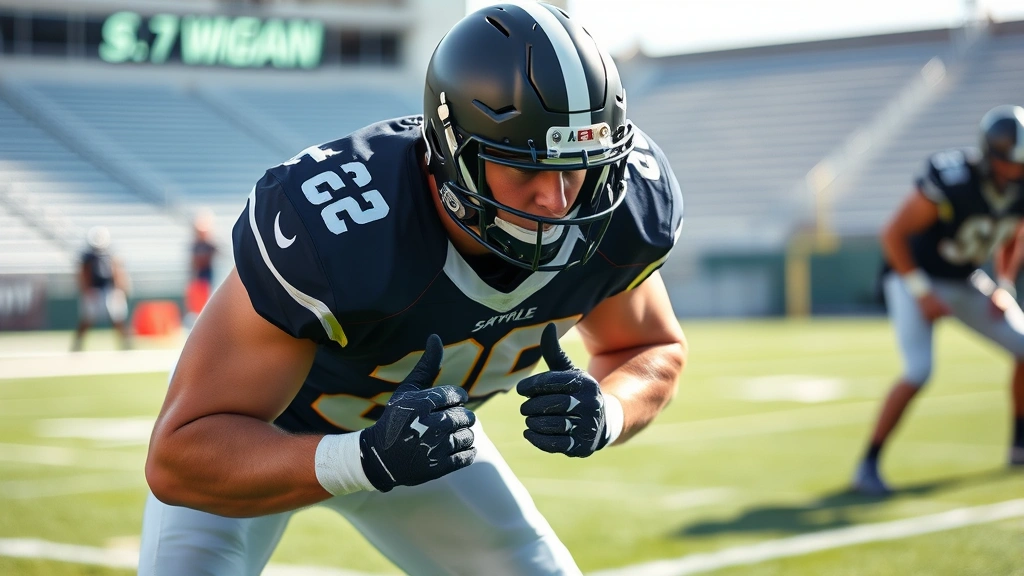
Dynasty Football Rankings: Expert Analysis 2023
Dynasty football has evolved into one of the most strategic and rewarding formats in the fantasy sports landscape. Unlike traditional redraft leagues that reset annually, dynasty leagues demand a long-term vision that balances immediate competitive needs with sustainable roster construction. Our comprehensive expert analysis of 2023 dynasty football rankings provides the framework you need to dominate your league for years to come.
Building a championship-caliber dynasty roster requires understanding player trajectories, age curves, opportunity metrics, and offensive line dynamics. This guide breaks down the essential ranking principles that separate elite dynasty managers from casual competitors, incorporating data-driven insights with real-world context that shapes player value in keeper-format environments.
Understanding Dynasty Football Valuation
Dynasty football rankings fundamentally differ from redraft strategies because you’re investing in players’ remaining career value rather than single-season production. The mathematical foundation of dynasty valuation centers on remaining productive years, age trajectory, and organizational stability. A 22-year-old wide receiver entering his rookie season carries exponentially more dynasty value than a 32-year-old running back in his twilight years, even if the veteran outproduces the rookie in year one.
The ADP (Average Draft Position) curves in dynasty leagues reflect this temporal dimension beautifully. Young players with proven NFL opportunity command premium picks because they represent 10+ years of potential production. Conversely, aging stars who might still dominate in redraft formats drop significantly in dynasty rankings as their remaining window closes. This creates unique arbitrage opportunities for managers who understand fantasy football draft strategy principles applied specifically to dynasty contexts.
Several critical factors influence dynasty player rankings beyond traditional fantasy metrics. Organizational commitment matters tremendously—a player drafted by a franchise signals long-term investment in that position. Salary cap implications affect roster construction decisions. Injury history becomes more consequential when you’re planning five-year horizons. Contract situations dictate when players might enter free agency and create uncertainty in dynasty valuations.
Top-Tier Quarterback Rankings 2023
Quarterback valuation in dynasty leagues emphasizes longevity and sustained excellence over peak production years. The elite tier of dynasty quarterbacks includes Patrick Mahomes, Josh Allen, and Jalen Hurts—players whose combination of age, skill, and organizational support projects them as franchise cornerstones for the next decade.
Tier 1 Dynasty Quarterbacks:
- Patrick Mahomes – Age 27, already a two-time Super Bowl champion with MVP credentials and a 10-year contract ensuring Kansas City stability
- Josh Allen – Age 27, dual-threat dominance with rushing upside and sustained Buffalo commitment through the mid-2020s
- Jalen Hurts – Age 24, ascending star with Philadelphia’s full organizational backing and years of prime production ahead
- Lamar Jackson – Age 26, MVP-caliber performer with Ravens investment, though injury durability questions slightly reduce dynasty value
- Joe Burrow – Age 26, emerging elite talent with Cincinnati’s offensive infrastructure supporting his development
Second-tier dynasty quarterbacks like Justin Herbert, Trevor Lawrence, and Tua Tagovailoa offer compelling value propositions. Herbert’s age (25) combined with elite arm talent justifies premium dynasty consideration despite recent injury setbacks. Lawrence’s trajectory in Jacksonville mirrors Burrow’s emergence pattern, making him a dynasty target in mid-rounds. Tagovailoa’s efficiency metrics and Miami’s commitment suggest undervaluation in many dynasty formats.
The quarterback position in dynasty leagues rewards patience and organizational faith. Unlike redraft formats where streaming works effectively, dynasty requires identifying which young quarterbacks will maintain elite production for 8+ years. This explains why Mahomes commands first-round dynasty consideration—his age, skill, and team environment create a rare convergence of factors supporting sustained excellence.
Elite Running Back Analysis
Running back rankings in dynasty formats emphasize youth and workload opportunity more heavily than traditional PPR scoring. The position’s physical demands mean even elite backs decline faster than skill position players, making age a critical ranking variable. A 23-year-old back with 15 carries weekly carries more dynasty value than a 28-year-old with 20 carries, assuming equivalent efficiency metrics.
Dynasty Running Back Tier Rankings:
Tier 1 (Elite Dynasty Assets): Christian McCaffrey remains the dynasty RB1 despite age considerations, given his proven durability, coaching stability, and three-down role. Josh Jacobs’ combination of youth (24), Las Vegas commitment, and consistent workload creates elite dynasty appeal. Breece Hall’s rookie season trajectory positions him as a generational dynasty asset if Philadelphia’s offensive line sustains its elite performance.
Tony Pollard’s elevation to Dallas lead back status creates dynasty intrigue, though his age (27) limits ceiling compared to younger alternatives. Kenneth Walker III’s Seattle investment and bruising running style support dynasty value despite limited early-career production samples.
Tier 2 (Strong Dynasty Plays): Travis Etienne’s Jacksonville opportunity, Derrick Henry’s age and declining workload, and Rhamondre Stevenson’s New England trajectory create differentiated value depending on league context. Managers seeking draft strategy optimization should recognize that running back value compresses significantly after the elite tier, making later-round youth selections more valuable than aging veterans.
Dynasty running back rankings require accepting that elite backs decline predictably. Rather than chasing fading studs, successful dynasty managers acquire young players with growth trajectories, understanding that a 22-year-old back with 8 carries weekly offers more dynasty value than a 30-year-old with 16 carries.
Wide Receiver Hierarchy and Breakdowns
Wide receiver depth in dynasty formats creates complex ranking decisions because the position offers multiple viable paths to elite production. Unlike running back, where early-career workload heavily predicts success, receiver value depends on quarterback stability, route tree development, and opportunity expansion. This complexity rewards managers who understand receiver aging curves and organizational commitment patterns.
Dynasty WR1 Tier: Justin Jefferson’s combination of elite production, youth (24), and Minnesota’s offensive commitment creates consensus dynasty WR1 status. Tyreek Hill’s production excellence and Miami investment support elite ranking despite age considerations. Stefon Diggs’ Kansas City move enhanced his dynasty value through Patrick Mahomes’ support system. CeeDee Lamb’s Dallas trajectory and youth (24) position him for sustained elite production across the dynasty timeline.
Tier 2 Dynasty Wide Receivers: A.J. Brown’s Philadelphia elevation, Brandon Aiyuk’s emerging role, and Amon-Ra St. Brown’s Detroit opportunity create compelling dynasty alternatives to consensus studs. Jaylen Waddle’s Miami situation and injury recovery trajectory warrant mid-tier dynasty consideration. Garrett Wilson’s rookie success and Jets opportunity suggest sustainable production growth.
The wide receiver position rewards patience in dynasty leagues because route tree development extends across 3-4 seasons. Young receivers who appear limited in year one often emerge as alpha options by year three as they develop chemistry with quarterbacks and expand their role responsibilities. This explains why early-career receiver acquisitions frequently outperform veteran trades in dynasty formats.
Dynasty wide receiver rankings emphasize quarterback stability heavily. A young receiver paired with an elite quarterback like Mahomes offers substantially more dynasty value than an equally talented player with a mediocre signal-caller. This creates opportunities to acquire undervalued receivers by trading away aging players whose quarterback situations deteriorated.
Tight End Rankings and Value Plays
Tight end dynasty rankings compress dramatically because elite production concentrates among fewer players than any other position. The positional scarcity creates either premium value for genuine elite options or minimal value for mid-tier performers, with few middle-ground candidates. This bimodal distribution means dynasty managers either target generational talents or wait until late rounds for value plays.
Elite Dynasty Tight Ends: Travis Kelce’s age-defying excellence and Kansas City environment create dynasty intrigue despite his 34-year-old status. Mark Andrews’ elite production, youth (25), and Baltimore investment represent generational dynasty tight end value. George Kittle’s injury durability concerns complicate his dynasty ranking despite elite ceiling. Kyle Pitts’ youth (24) and Atlanta opportunity create the highest dynasty ceiling among tight ends, assuming his production matches his prospect pedigree.
Tier 2 and Value Selections: T.J. Hockenson’s trade to Detroit enhanced his dynasty value through better quarterback support. Darren Waller’s Las Vegas production and age suggest declining dynasty value. Cole Kmet’s Chicago opportunity and youth (24) offer compelling mid-round dynasty value. Evan Engram’s Jacksonville role and proven reliability create late-round dynasty consideration.
Dynasty tight end strategy often involves identifying young talents with emerging roles rather than paying premium prices for established elite options. The position’s concentration of value among few players creates inefficiencies that reward patient managers willing to develop young talent across multiple seasons.
Defense and Special Teams Strategy
Defense rankings in dynasty formats differ substantially from redraft approaches because team composition changes dramatically year-to-year. Rather than ranking specific defenses by 2023 production, dynasty managers evaluate organizational defensive philosophies, coaching stability, and talent acquisition patterns. This forward-looking approach emphasizes which franchises build sustainable defensive excellence versus those experiencing temporary surges.
Buffalo’s defensive infrastructure, San Francisco’s talent development, and Denver’s coaching commitment represent dynasty defensive anchors offering multi-year value stability. Conversely, defenses experiencing coaching changes or significant free agent departures carry dynasty uncertainty regardless of recent production success.
Many elite dynasty managers treat defense as a streaming position, acquiring defenses matched against weak offenses rather than holding premium defensive assets. This strategic flexibility preserves roster spots for position players with 8+ year windows while maintaining competitive weekly production. The Peak Play Arena Blog regularly discusses optimal streaming approaches that balance dynasty depth requirements with competitive weekly demands.
Rookie Class Evaluation
Dynasty football’s greatest strategic advantage emerges during rookie evaluation periods when prospect pedigree, landing spot, and organizational investment combine to create long-term value. The 2023 rookie class featured elite quarterback prospects, dynamic receiver talents, and proven running back producers whose dynasty value extended across multiple seasons.
Evaluating rookie dynasty value requires understanding three critical dimensions: prospect pedigree from college performance, NFL landing spot quality, and organizational commitment signals. A consensus elite prospect landing with a franchise offering poor offensive line protection carries less dynasty value than a mid-round prospect joining an elite offensive system. This explains why successful dynasty managers obsess over rookie landing spots and coaching staff changes that dramatically alter player trajectories.
2023 Rookie Class Dynasty Highlights:
- Elite quarterback prospects offered franchise-changing value in dynasty formats
- Dynamic receiver prospects with elite quarterbacks commanded premium early-round selections
- Running back prospects with defined roles justified high dynasty draft capital
- Tight end prospects with elite pedigrees offered multi-year development windows
Dynasty managers should evaluate rookies across multiple seasons rather than expecting immediate fantasy production. The player who struggles year one often emerges as an elite asset by year three as they develop NFL acclimation, route precision, and positional mastery. This temporal dimension rewards patient dynasty managers who understand developmental trajectories.

Trade Value Charts and Negotiation
Dynasty trade success depends on understanding relative player value across different timeline perspectives. A manager competing immediately might overpay for aging veterans, while a rebuilding franchise justifies acquiring young assets at premium costs. These divergent valuations create negotiation opportunities when managers understand how timeline perspectives alter perceived value.
Successful dynasty trades involve identifying situations where both managers improve their position through different value interpretations. Trading a 28-year-old elite producer for a 22-year-old prospect with development potential benefits both teams if one prioritizes immediate competition while the other builds long-term excellence. The fantasy football draft strategy principles that guide draft decisions also illuminate optimal trade structures.
Dynasty Trade Value Framework:
- Establish each team’s timeline (competing now vs. rebuilding)
- Calculate remaining productive years for each player
- Evaluate organizational stability and opportunity quality
- Consider injury history and durability concerns
- Account for positional scarcity and league-specific needs
Dynasty trade charts provide baseline value references but shouldn’t dictate negotiations. The most successful trades reflect individual team circumstances, competitive timelines, and perceived value differences. A player ranking 15th in one manager’s dynasty valuation might rank 8th in another’s assessment based on timeline alignment and organizational confidence.
Strategic dynasty trades often involve veteran depth consolidation—packaging multiple aging players to acquire one young elite asset. This approach improves long-term roster construction while reducing bench spots wasted on declining veterans. Similarly, trading away young prospects during down seasons creates opportunities to acquire proven producers without waiting through development timelines.
Understanding sports betting odds and value assessment principles enhances dynasty trade negotiation skills. The same probabilistic thinking that guides optimal betting decisions illuminates which trades create genuine value advantage versus those that merely feel good emotionally. Elite dynasty managers separate emotional attachment from strategic asset evaluation, enabling consistent trade success across multiple seasons.
FAQ
What’s the difference between dynasty and redraft fantasy football rankings?
Dynasty rankings emphasize remaining career value and long-term production potential, while redraft rankings prioritize single-season performance. A 24-year-old player with moderate current production ranks higher in dynasty formats because they offer 8+ years of potential value. Conversely, aging stars rank higher in redraft because they’ll likely decline after the current season.
How should I evaluate rookie dynasty value?
Assess three dimensions: prospect pedigree from college, NFL landing spot quality, and organizational commitment signals. A consensus elite prospect with an elite quarterback offers more dynasty value than a mid-round prospect with a weak offense. Consider multi-year development timelines rather than expecting immediate production.
Should I hold aging veterans in dynasty leagues?
Generally, trading aging veterans for young assets improves long-term dynasty rosters. However, if your team competes immediately, holding elite producers makes sense. The optimal approach depends on your competitive timeline and remaining roster depth.
How do I calculate dynasty trade value?
Consider remaining productive years, organizational stability, injury history, and positional scarcity. Compare each player’s value in your specific league context rather than relying solely on trade value charts. The best trades reflect divergent timeline perspectives where both teams improve.
Which positions should I prioritize in dynasty drafts?
Quarterbacks and running backs offer the highest value concentration because elite options become scarce quickly. However, wide receiver depth allows later-round acquisitions without compromising production. Tight end and defense should typically be addressed in middle-to-late rounds.
How do organizational changes affect dynasty rankings?
Coaching changes, quarterback transitions, and offensive line improvements dramatically alter player value. A receiver with a new elite quarterback gains significant dynasty value. Conversely, coaching departures or quarterback downgrades reduce dynasty prospects substantially.


