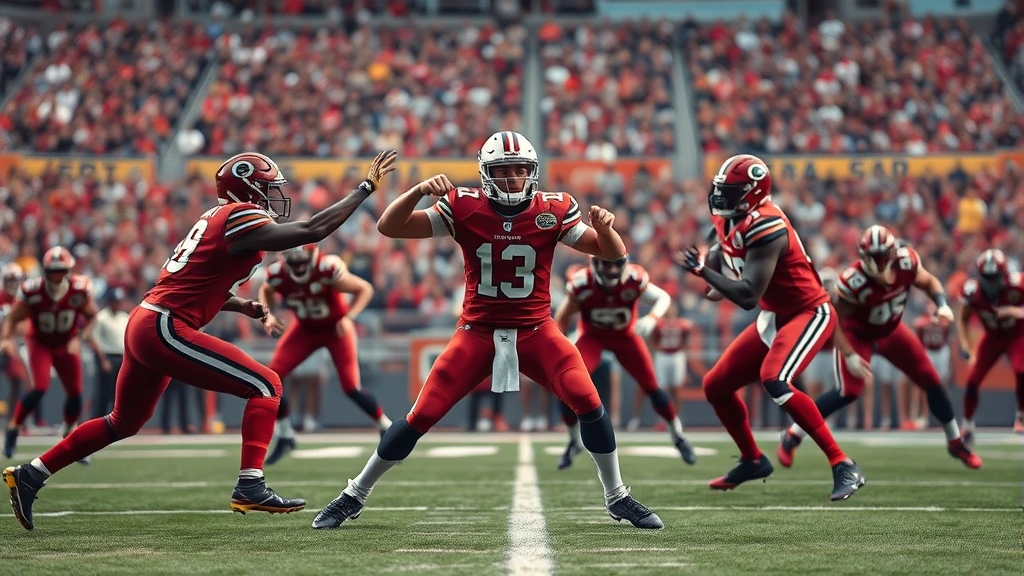
Top College Football Playbooks: Coach Insights & Strategic Breakdowns
College football playbooks represent the strategic foundation of winning programs, blending offensive innovation, defensive schemes, and game management philosophy. The best playbooks in college football aren’t simply collections of plays—they’re comprehensive systems designed by elite coaches who understand personnel, opponent tendencies, and situational football. Whether you’re a fan analyzing team strategy or an aspiring coach studying championship-winning systems, understanding these playbooks provides invaluable insight into modern football excellence.
The evolution of college football playbooks has accelerated dramatically over the past decade. Coaches now integrate analytics, film study technology, and player specialization into intricate systems that demand precision execution. From spread offenses to multiple-look defenses, today’s playbooks represent years of refinement and adaptation. This comprehensive guide explores the most effective college football playbooks, featuring insights from coaching staffs, strategic principles, and real-world implementation that separates championship programs from the rest.
The Evolution of College Football Playbooks
College football playbooks have undergone revolutionary transformation since the early 2000s. Traditional pro-style offenses dominated for decades, emphasizing power running, play-action passes, and controlled tempo. However, the introduction of spread formations by coaches like Mike Leach fundamentally changed how programs approach offensive strategy. The spread offense forced defenses to adapt, creating a cascade of innovation that continues reshaping the sport.
Modern playbooks now incorporate elements from multiple systems simultaneously. Coaches blend spread principles with traditional power running concepts, creating hybrid approaches that maximize personnel flexibility. The strategic thinking required in football extends beyond individual plays—it encompasses entire offensive and defensive philosophies. Advanced analytics now inform play-calling decisions, with coaches analyzing success rates, expected points, and down-and-distance efficiency.
The defensive side has evolved equally dramatically. Coaches moved away from rigid schemes toward multiple-look defenses that disguise coverage intentions. Teams like Alabama, Georgia, and Ohio State deploy sophisticated defensive systems featuring seamless transitions between coverage types, blitz packages, and defensive line assignments. These defensive playbooks demand extensive practice repetition and player intelligence.
Elite Offensive Playbook Systems
Air Raid Offense represents one of college football’s most influential playbook innovations. Developed by Mike Leach and refined by coaches like Lincoln Riley and Dave Christensen, the Air Raid emphasizes horizontal spacing, receiver separation, and explosive passing plays. The system features:
- Four and five-receiver formations creating defensive mismatches
- Quick slant and bubble screen routes generating yards after catch
- Deep vertical routes stretching defenses horizontally
- Minimal running back utilization, focusing on passing efficiency
- Tempo management controlling game pace
The Air Raid’s success comes from forcing defenses into uncomfortable personnel groupings. When teams substitute defensive backs for linebackers, they sacrifice run defense. When they keep run-stopping linebackers, they struggle covering receivers. This strategic dilemma creates consistent offensive advantages.
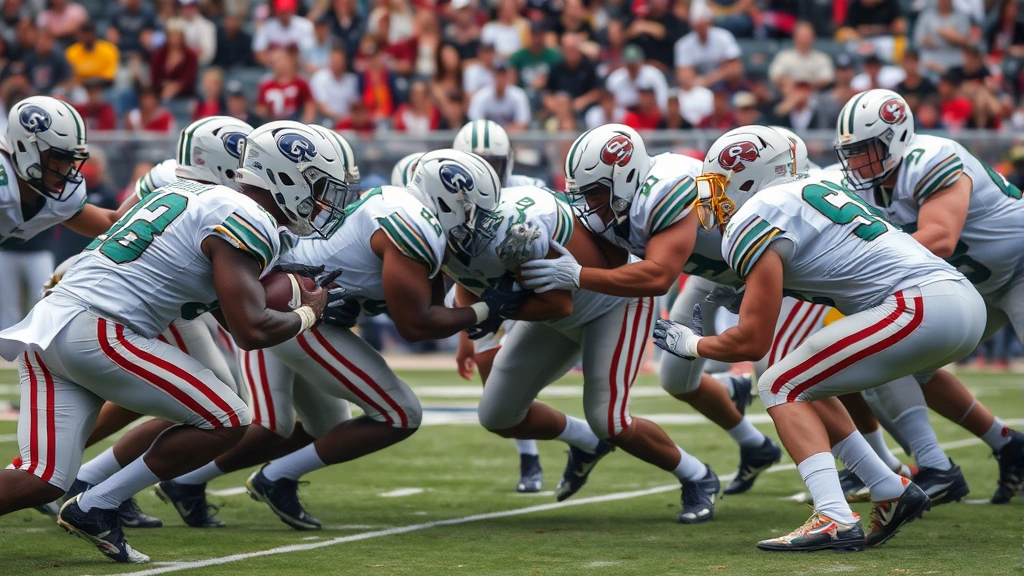
Power Running Systems remain fundamental to championship programs. Schools like Iowa, Wisconsin, and Alabama build playbooks around physical downhill running, tight end involvement, and play-action passes. These systems feature:
- Gap-scheme blocking creating predetermined running lanes
- Outside zone runs stretching plays horizontally
- Trap and counter plays attacking backside pursuit
- Play-action passes leveraging defensive run-stopping focus
- Short-yardage power packages guaranteeing forward progress
Effective running playbooks require exceptional offensive line coordination and running back vision. Coaches emphasize footwork, hand placement, and gap recognition. The physical nature of power systems appeals to programs prioritizing tough, disciplined football.
Spread-to-Run Hybrid Offenses represent modern college football’s most balanced approach. Programs like Texas A&M and Oklahoma State integrate spread formations with significant running game emphasis. These systems combine:
- Multiple receiver formations maintaining passing threat
- Gap-scheme running plays from spread alignments
- RPO (Run-Pass Option) plays creating quarterback decision-making opportunities
- Zone-read concepts exploiting defensive end assignment
- Tempo flexibility adjusting to game situations
Dominant Defensive Schemes
Modern defensive playbooks emphasize adaptability and disguise. Coaches design schemes allowing defensive units to present multiple looks before snap, preventing offensive pre-snap reads. College football predictions often hinge on defensive scheme sophistication and execution capability.
Multiple-Look Defenses dominate championship programs. Georgia’s defense under Kirby Smart exemplifies this approach, featuring:
- Disguised coverage intentions changing at snap
- Flexible defensive line responsibilities based on offensive formation
- Linebacker and safety assignments shifting based on receiver routes
- Cornerback positioning preventing receiver separation
- Pass rush timing coordinating with coverage assignments
Pressure-Oriented Schemes attack offensive lines aggressively. Programs like Texas A&M and Clemson employ defensive playbooks emphasizing calculated blitzes, defensive line penetration, and coverage support. These systems feature:
- Coordinated blitz packages from multiple defensive positions
- Defensive line gap integrity preventing running lanes
- Coverage disguise hiding blitz intentions
- Linebacker flow toward ball carriers
- Safety support preventing explosive passing plays
Coverage-Focused Defenses prioritize preventing big plays. Programs emphasizing secondary talent develop playbooks featuring:
- Man-to-man coverage with safety help
- Zone coverage combinations confusing receivers
- Press coverage at line of scrimmage
- Pattern-matching concepts reacting to receiver routes
- Two-high safety looks preventing vertical passing attacks
Read-Option and Modern Hybrid Offenses
The read-option revolutionized college football by creating defensive dilemmas for opposing coordinators. When quarterbacks read defensive ends, they force defenders into impossible choices: defend the run and allow passing completions, or defend the pass and surrender running yards. Programs like Oregon, Auburn, and Clemson built championship playbooks around read-option concepts.
Modern implementations feature sophisticated variations:
- Inside Zone Read: Quarterback reads backside defensive end, keeping ball on outside zone runs
- Inverted Veer: Dive back runs inside zone while quarterback reads linebacker
- RPO (Run-Pass Option): Quarterback executes run play then transitions to passing if defensive alignment dictates
- Designed Quarterback Runs: Called running plays maximizing mobile quarterback athleticism
- Jet Sweeps: Quick-hitting perimeter plays with motion creating numbers advantages
Executing read-option systems demands quarterback intelligence and decisiveness. Coaches emphasize film study, pre-snap recognition, and decisive ball security. When executed properly, read-option offenses generate consistent offensive advantages regardless of defensive scheme.
Special Teams Strategy Integration
Championship playbooks extend beyond offensive and defensive phases. Elite programs integrate special teams strategy as critical components of overall success. Kicker performance in football significantly impacts game outcomes, making special teams playbooks essential.
Effective special teams playbooks feature:
- Field goal protection schemes preventing blocks
- Punt coverage assignments containing returners
- Kickoff formation variations creating coverage advantages
- Fake punt and field goal packages for situational opportunities
- Return schemes maximizing yardage on punts and kickoffs
Programs like Alabama and Ohio State dedicate substantial practice time to special teams execution. These details frequently determine close games, making special teams playbook sophistication a championship differentiator.
Coaching Philosophy & Playbook Implementation
Successful playbooks reflect coaching philosophy and program identity. Understanding football strategy requires recognizing how coaches’ core beliefs shape system design. Nick Saban emphasizes disciplined execution and personnel versatility. Kirby Smart prioritizes defensive sophistication and balanced offense. Lincoln Riley builds around explosive passing plays and tempo management.
Implementation requires comprehensive staff coordination. Offensive coordinators design plays maximizing personnel strengths while exploiting defensive weaknesses. Defensive coordinators create schemes preventing opponent strengths while attacking weaknesses. Quality control coaches ensure consistency during practice and games. Strength and conditioning coaches develop athletes capable of executing demanding systems.
Effective playbook implementation demands:
- Extensive practice repetition building muscle memory
- Film study developing opponent awareness
- Communication clarity ensuring everyone understands assignments
- Accountability systems maintaining execution standards
- Flexibility allowing in-game adjustments
Adapting Playbooks for Player Personnel
The most sophisticated coaches adapt playbooks to available talent rather than forcing players into predetermined systems. A program with elite quarterback athleticism emphasizes read-option and designed runs. A team with exceptional receivers prioritizes spread formations and vertical passing concepts. Programs with dominant defensive lines feature aggressive gap-penetration schemes.
Quarterback-Specific Adaptations: Elite dual-threat quarterbacks enable read-option and zone-read concepts. Immobile pocket passers require quick-hitting plays and screen passes. Accurate arm talent supports deep vertical passing. Decision-making ability enables complex RPO packages.
Receiver-Specific Concepts: Elite receiver talent justifies isolation routes and man-coverage attacks. Tight end excellence enables play-action passes and intermediate passing concepts. Running back receiving ability supports check-down passes and short-yardage conversions.
Defensive Personnel Matching: Multiple elite cornerbacks enable aggressive man coverage. Exceptional pass-rushing ability supports blitz-heavy schemes. Versatile linebacker talent enables multiple-look defenses. Elite safety talent supports two-high safety coverage concepts.
The best football equipment complements playbook execution, providing athletes optimal performance conditions. However, talent evaluation and system matching prove more critical than equipment quality.
External Validation: The American College of Sports Medicine emphasizes that athletic performance optimization requires aligning training systems with sport-specific demands. ACSM research demonstrates that periodized training programs specifically designed for football demands significantly enhance performance outcomes. Similarly, sports science research confirms that strategic alignment between athlete capabilities and system demands produces superior results.
Coaching staffs increasingly employ advanced analytics platforms analyzing player performance data. These tools identify which playbook concepts generate optimal results with specific personnel, enabling data-driven system refinement.
FAQ
What makes college football playbooks different from NFL playbooks?
College playbooks emphasize player development and system flexibility, accommodating varying skill levels and experience. NFL playbooks assume elite execution and focus on exploiting professional-level opponent tendencies. College coaches frequently adjust systems based on available talent, while NFL teams maintain more consistent approaches across seasons.
How long does it take to install a college football playbook?
Installing complete playbooks requires 6-8 months of intensive practice. Spring ball introduces foundational concepts. Summer training develops consistency. Fall camp refines execution and adds situational variations. Even during seasons, coaches continuously expand playbook packages.
Which college football playbook is most effective?
No single playbook proves universally superior. Effectiveness depends on personnel, coaching quality, and opponent adjustments. Programs like Alabama, Georgia, and Ohio State succeed with different playbook philosophies, demonstrating that excellent execution matters more than specific system choice.
How do defensive coordinators counter innovative offensive playbooks?
Defensive adaptation involves studying offensive tendencies, disguising coverage intentions, and applying strategic pressure. Coordinators analyze down-and-distance patterns, personnel groupings, and field position tendencies. Advanced defenses disguise pre-snap looks preventing quarterback reads.
Can high school programs effectively implement college-level playbooks?
High school football programs can implement college playbook principles, though simplified versions suit younger athletes’ development levels. Emphasizing foundational concepts—gap integrity, coverage responsibilities, assignment discipline—builds progression toward college-level sophistication.
How important is playbook complexity compared to execution?
Execution vastly outweighs complexity. Simple plays executed excellently beat complex plays executed poorly. Championship programs often feature straightforward playbooks executed with exceptional precision. Complexity without execution creates confusion and turnovers.


