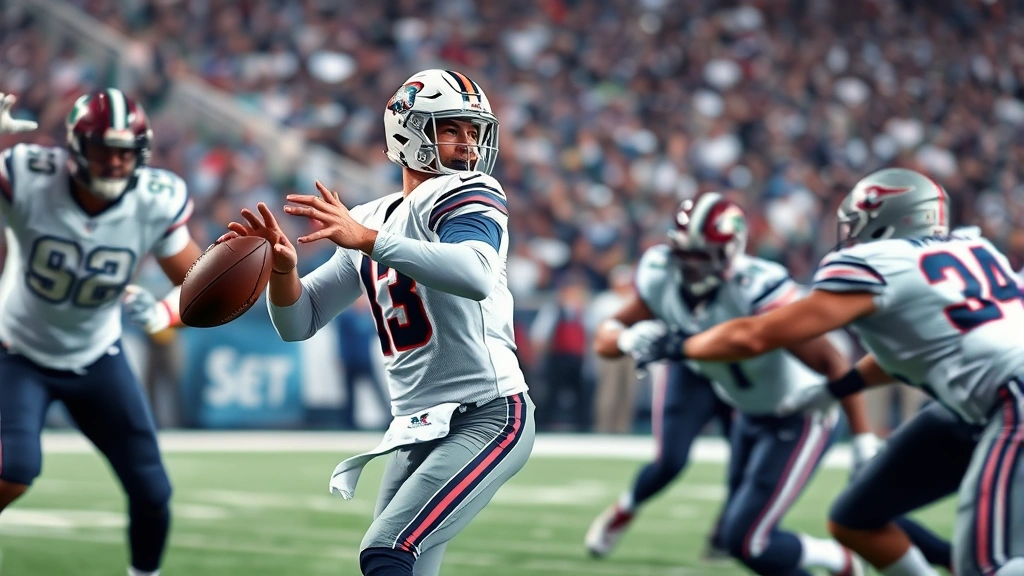
Top Fantasy Football Picks: Expert Insights for Winning Your League
Fantasy football has evolved into a sophisticated game where success depends on data-driven decision-making, player performance analysis, and strategic timing. Whether you’re a seasoned veteran or entering your first draft, understanding how to identify the best fantasy football picks separates champions from middle-of-the-pack finishers. This comprehensive guide breaks down expert strategies, player evaluation frameworks, and actionable insights to help you build a championship roster.
The difference between a winning fantasy football team and a struggling one often comes down to three critical factors: pre-draft preparation, understanding positional scarcity, and adapting to in-season dynamics. Top fantasy football analysts spend countless hours evaluating player metrics, injury reports, and offensive line changes to project performance. By implementing these expert methodologies, you’ll gain a competitive edge and make informed decisions that maximize your team’s potential throughout the season.

Understanding Player Evaluation Metrics
Expert fantasy football analysis relies on quantifiable metrics that predict real-world performance. The most successful fantasy managers don’t rely on intuition alone—they evaluate snap counts, target share, red zone opportunities, and efficiency ratings. These advanced statistics reveal which players are positioned to produce consistent fantasy points regardless of team circumstances.
Snap count percentage tells you how often a player takes the field. A running back with 70% snap count and high rushing attempts is more valuable than one with 40% snap count, even if both have similar yards. Target share represents the percentage of team passing attempts directed to a specific receiver. A wide receiver commanding 25% of team targets has significantly more scoring opportunities than one with 10% target share.
Red zone opportunity percentage measures how frequently a player touches the ball in scoring position (inside the opponent’s 20-yard line). This metric directly correlates with touchdown probability. Efficiency metrics like yards per attempt for quarterbacks and yards per carry for running backs indicate quality of performance independent of volume. Understanding these frameworks helps you identify expert fantasy football analysis and separate elite performers from mediocre ones.
Air yards, yards after catch, and player separation metrics have become essential for evaluating wide receivers. A receiver with high separation rates consistently creates distance from defenders, leading to higher completion percentages and yards after catch. Advanced metrics available through Pro Football Reference and ESPN’s fantasy suite provide the data foundation for expert picks.

Quarterback Selection Strategy
Quarterback selection represents one of fantasy football’s most debated topics. While elite quarterbacks like Patrick Mahomes and Josh Allen provide consistent scoring, the position offers exceptional value in mid-rounds. The difference between a third-round quarterback and a twelfth-round selection often amounts to only 2-3 points per week.
Expert strategy emphasizes waiting on quarterback selection, allowing you to build strength at positions with greater scarcity. Target quarterbacks with multiple elite receiving weapons, strong offensive lines, and pass-heavy coaching philosophies. Check recent college football predictions to identify which college systems produce successful NFL quarterbacks.
Matchup-based quarterback streaming—selecting different quarterbacks weekly based on defensive matchups—has become increasingly viable. Quarterbacks facing bottom-10 defenses with pass-friendly schemes generate significantly higher fantasy points. Monitor weather reports before games, as wind and rain dramatically reduce passing volume and accuracy. Backup quarterback analysis matters too; knowing who fills in during injuries helps you identify potential league-winners on the waiver wire.
The most underrated aspect of quarterback selection involves understanding coaching system changes. New offensive coordinators or head coaches often implement pass-heavy schemes that boost quarterback efficiency. Research coaching hires during the offseason and identify quarterbacks positioned to benefit from strategic changes.
Running Back Landscape Analysis
Running back represents fantasy football’s deepest position, with significant value available throughout the draft. The position’s volatility stems from injury risk, committee situations, and coaching changes that can drastically alter workload distribution. Expert picks focus on identifying which running backs command clear backfield workloads and red zone opportunities.
Workhorse running backs—those receiving 50+ carry attempts weekly—provide the most reliable scoring. These elite backs combine rushing volume with pass-catching opportunities, creating ceiling-raising fantasy performances. However, committee situations can produce valuable fantasy players if they specialize in specific roles. A running back handling all red zone touches and goal-line carries generates touchdown upside despite limited overall volume.
Preseason performance matters significantly for identifying running back breakouts. Players who consistently gain yards and score touchdowns during preseason often receive increased regular-season workload. Coaching comments about running back performance and offensive philosophy provide valuable insights into usage patterns. Monitor beat reporters and team-specific coverage for details about backfield competition and potential workload changes.
Second-half running back value emerges as injuries create opportunities. Identifying backup running backs with explosive skill sets positioned to inherit heavy workloads creates championship-winning trades. Maintain a watch list of backup running backs on teams with injury-prone starters. When injuries occur, you’ll be prepared to claim elite talent on the waiver wire before other managers react.
Wide Receiver Depth and Opportunity
Wide receiver depth has expanded dramatically, creating exceptional value opportunities throughout the draft. The position’s strength allows you to wait until later rounds while still securing elite fantasy performers. Target receivers with clear alpha status in their offense, commanding the highest target share and air yards.
Slot receivers versus boundary receivers exhibit different performance patterns. Slot receivers typically accumulate more receptions with shorter average depths of target, producing PPR (points per reception) league value. Boundary receivers generate more yards and touchdowns despite fewer receptions. Understand your league’s scoring format and target receivers whose profiles match scoring incentives.
Breakout wide receiver identification involves analyzing second-year receiver development. Players who struggled as rookies often explode in year two as they master route concepts and build quarterback rapport. Study training camp reports, preseason performance, and quarterback compatibility to identify emerging stars before draft day. Red flag concerns include quarterback changes, offensive coordinator departures, or coaching system shifts that disrupt receiver development.
Stack your roster strategically by pairing elite wide receivers with their quarterbacks, or correlating your wide receiver with running backs from the same offense. Stacking amplifies ceiling upside during explosive offensive performances while maintaining floor consistency through diversified production sources.
Tight End Value Picks
Tight end represents fantasy football’s most volatile position, with massive performance gaps between elite and average producers. Expert strategy emphasizes securing one of the top-tier tight ends or waiting until the final rounds for value picks. The middle tier of tight ends—those drafted in rounds 5-8—rarely outperforms late-round selections significantly enough to justify draft capital investment.
Elite tight ends like Travis Kelce and Mark Andrews command target share and red zone opportunities that generate consistent 15+ point performances weekly. These premium tight ends justify early-round selections by providing positional security and ceiling upside. However, tight end injuries occur frequently, making backup tight end identification crucial for season-long success.
Value tight ends emerge from teams with weak passing games, where tight ends become primary receiving options. Analyze offensive schemes emphasizing tight end usage—teams running two-tight-end sets or utilizing tight ends in space-creating concepts. Preseason performance matters significantly for tight end evaluation, as explosive preseason performers often translate to regular-season success.
Streaming tight ends throughout the season capitalizes on matchup advantages. Target tight ends facing defenses allowing high target share and yards to the position. Week-to-week flexibility at tight end allows you to optimize lineup decisions without investing significant draft capital in a single player.
Defense and Special Teams
Defense and special teams selection often receives minimal attention despite significant weekly scoring variance. Expert fantasy managers wait until the final rounds to select defense, targeting units with favorable playoff schedules and consistent defensive strength. Defensive scoring depends heavily on opponent offensive efficiency, making matchup analysis critical.
Defenses facing backup quarterbacks, injured offensive lines, or struggling offenses generate inflated sack and interception totals. Identify defenses with strong pass-rushing units and secondary depth, as these factors independently produce fantasy points regardless of opponent. Monitor injury reports for offensive line disruptions that increase sack opportunities.
Streaming defenses based on weekly matchups outperforms holding a single unit throughout the season. Target defenses facing teams with high turnover rates, poor offensive line performance, or struggling quarterbacks. Analyze recent performance trends, as defenses trending upward often maintain momentum against weaker opponents. Defense selection timing matters—wait until the final rounds when all premium positions are addressed, then pivot to matchup-based defense strategy.
Draft Strategy and Timing
Draft strategy separates elite fantasy managers from casual participants. Value-based drafting emphasizes selecting players whose projected production exceeds their draft position cost. Rather than following positional rankings strictly, evaluate each player’s upside relative to position alternatives and opportunity cost.
Early-round strategy focuses on securing elite talent at positions with significant production gaps. The difference between the first-round running back and the fifth-round running back exceeds the difference between the first-round tight end and the tenth-round tight end. Exploit positional scarcity by addressing premium positions early, then building depth at abundant positions later.
Middle-round strategy involves identifying undervalued players with breakout potential. Target second-year players entering their prime, players changing teams to better situations, and receivers benefiting from offensive line improvements. Connect with college football predictions to identify which prospects translate successfully to the NFL level.
Late-round strategy emphasizes upside over consistency. Target young players with elite athleticism, backup players positioned to inherit heavy workloads, and specialists with unique skill sets. Late-round picks often produce league-winning value through injury replacements or unexpected breakout performances. Maintain a deep bench of upside-focused players rather than redundant depth at established positions.
Understand your league’s draft tendencies and exploit inefficiencies. If your league reaches for quarterbacks early, wait and capitalize on running back value. If tight end gets ignored, secure premium options others overlook. Adapt your strategy based on draft flow and capitalize on market inefficiencies created by other managers’ decisions.
Waiver Wire Management
Waiver wire management often determines championship outcomes more than draft performance. The best fantasy managers remain actively engaged throughout the season, constantly identifying breakout players and capitalizing on injuries. Waiver wire success requires understanding sports betting odds and probability analysis to identify undervalued assets.
Waiver wire priority strategy emphasizes address immediate needs while maintaining upside optionality. After injuries occur, backup players with breakout potential become invaluable. Prioritize waiver claims for players who’ve demonstrated performance capability and inherit significant workload increases. Target players from high-powered offenses, as system strength often elevates backup performance.
Trade deadline strategy complements waiver wire management. Identify teams ahead in playoff seeding willing to trade away depth for premium talent. Propose trades acquiring injured players during recovery phases at discount prices, then sell high when they return to form. Monitor injury prevention and recovery timelines to anticipate return dates and capitalize on value discrepancies.
Bench management involves balancing depth with upside. Maintain roster flexibility by avoiding redundant backups at established positions. Instead, reserve bench spots for upside-focused young players and potential breakout candidates. When injuries occur, you’ll have the flexibility to address multiple positions without sacrificing depth.
Playoff preparation begins mid-season through waiver wire optimization. Identify players with favorable playoff schedules and trade for them before other managers recognize value. Similarly, trade away or drop players facing brutal playoff matchups, even if they’ve performed well early. Playoff-focused thinking separates championship teams from first-round exits.
FAQ
What makes someone an expert in fantasy football picks?
Expert fantasy football analysts combine statistical analysis with qualitative evaluation. They study snap counts, target share, and efficiency metrics while understanding team dynamics, coaching philosophies, and injury impacts. Experts maintain current knowledge about rule changes, personnel moves, and league trends, continuously adapting strategies as circumstances evolve. Check ACSM resources for athlete performance science principles applicable to player evaluation.
How early should I draft a quarterback?
Expert strategy recommends waiting until rounds 10-12 for quarterback selection. The positional drop-off between elite and above-average quarterbacks rarely justifies early-round investment. Focus early rounds on running backs and wide receivers with greater production variance, then secure a reliable quarterback in the middle rounds. Stream defenses and tight ends rather than investing early capital in these positions.
Should I draft running backs or wide receivers early?
This depends on available talent and league tendencies. Generally, elite running backs with clear workloads offer better value early, as positional scarcity increases significantly after the first few rounds. However, if your league reaches for running backs, pivot to elite wide receivers. Value-based drafting suggests targeting whichever position offers the best production advantage relative to draft cost.
What’s the best strategy for identifying waiver wire breakouts?
Monitor snap count trends, target share changes, and injury reports continuously. When backup players receive significant workload increases, evaluate whether they possess the skill to capitalize on opportunities. Target players from high-powered offenses, as system strength often elevates performance. Engage with ESPN Fantasy analysis and expert commentary to identify emerging talents before they become consensus picks.
How should playoff schedules influence draft decisions?
While playoff schedules matter, draft value takes priority. Selecting a player with excellent playoff schedule but low early-season production creates unnecessary risk. Instead, focus on consistent early performers, then use trades and waiver moves to optimize playoff matchups mid-season. Target players from teams likely to secure high playoff seeding, as their playoff schedule becomes more favorable.
What role does team situation play in fantasy football success?
Team situation profoundly impacts fantasy production. Offensive line quality affects running back efficiency and quarterback protection. Coaching philosophy determines whether teams emphasize running or passing. Receiver talent influences target distribution. Monitor team changes including coaching hires, free agent acquisitions, and offensive line upgrades. These factors often create value opportunities for informed managers who recognize situational improvements early.


