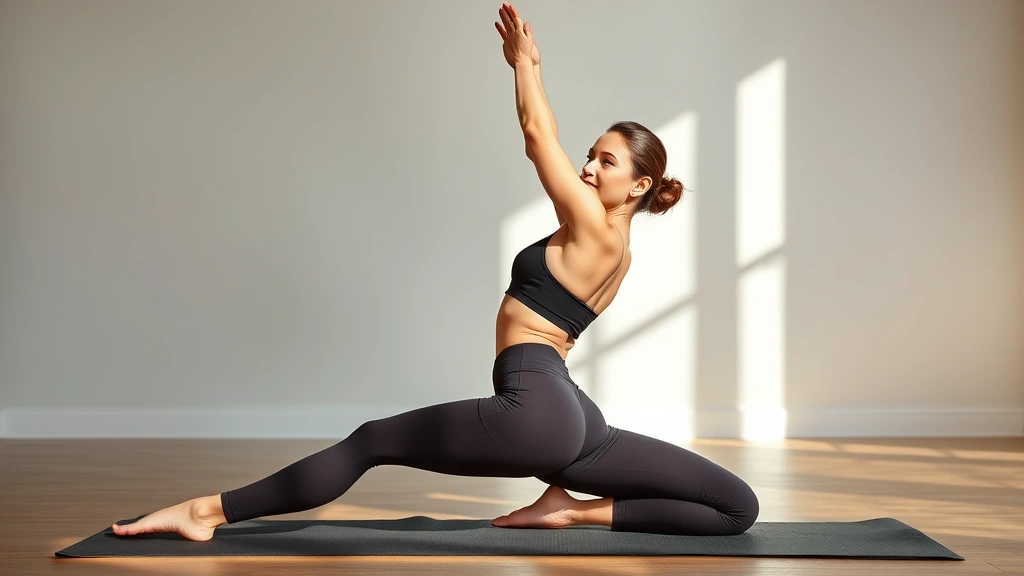
Can Yoga Improve Flexibility? Expert Advice for Athletes and Fitness Enthusiasts
Flexibility is one of the most overlooked components of athletic performance and overall fitness, yet it’s absolutely critical for preventing injuries, improving range of motion, and maximizing your training potential. Whether you’re a competitive athlete, weekend warrior, or someone just starting their fitness journey, the question of whether yoga can genuinely improve flexibility deserves a comprehensive, science-backed answer. The truth is that yoga has been proven to be one of the most effective methods for increasing flexibility when practiced consistently and with proper form.
In this guide, we’ll explore the mechanics of how yoga improves flexibility, examine the scientific evidence supporting these claims, and provide you with expert strategies to maximize your results. We’ll also discuss how flexibility training complements other aspects of athletic performance and why it should be a cornerstone of your overall fitness program.
How Yoga Works to Improve Flexibility
Flexibility is the ability of your muscles and connective tissues to lengthen and allow your joints to move through their full range of motion. When you practice yoga, you’re systematically stretching muscle fibers, fascia, tendons, and ligaments in ways that gradually increase their elasticity. The key mechanism behind this improvement is something called proprioceptive neuromuscular facilitation (PNF), which is how your nervous system learns to relax muscles during stretching.
Yoga works on multiple levels simultaneously. First, the physical practice of holding poses places gentle, sustained tension on muscles, encouraging them to lengthen over time. Second, the breathing techniques emphasized in yoga—particularly deep diaphragmatic breathing—activate your parasympathetic nervous system, which signals your muscles to relax. This relaxation is absolutely essential because tight muscles resist lengthening. Third, yoga builds active flexibility, which means you develop the strength and control to move through ranges of motion safely, not just passive stretching ability.
The connective tissue adaptation that occurs through consistent yoga practice is remarkable. Collagen fibers in your tendons and ligaments remodel themselves to accommodate increased range of motion. This process takes time—typically 4-8 weeks to notice significant changes—but the results are lasting when you maintain your practice.

Scientific Evidence Supporting Yoga for Flexibility
Numerous peer-reviewed studies have demonstrated that yoga significantly improves flexibility. Research published by the American College of Sports Medicine shows that participants engaging in regular yoga practice experience measurable increases in joint range of motion across multiple body areas. One study found that individuals practicing yoga three times per week improved their hamstring flexibility by an average of 24% within eight weeks.
A landmark study from the Journal of Physical Activity and Health documented that Hatha yoga practitioners showed improvements in both static and dynamic flexibility, with the most significant gains occurring in hip and spine mobility. The research also revealed that these flexibility improvements translated into enhanced athletic performance and reduced injury rates among athletes who incorporated yoga into their training regimens.
The American Yoga Alliance and sports medicine experts consistently recommend yoga as a primary method for flexibility development because it addresses not just muscle length, but also neuromuscular control and tissue adaptation. Unlike ballistic stretching (bouncing), which can actually increase injury risk, yoga’s sustained, controlled stretches allow for safer, more sustainable improvements.
If you’re interested in understanding how flexibility connects to broader athletic performance, our guide on how to improve hand-eye coordination discusses how proprioceptive awareness—developed through yoga—enhances overall movement quality.
Types of Yoga Best for Flexibility Gains
Not all yoga styles are equally effective for flexibility development. Here’s what you need to know about different approaches:
- Hatha Yoga: The gold standard for flexibility training. Hatha emphasizes holding poses longer (typically 30 seconds to several minutes), allowing deep tissue adaptation. This style is ideal if flexibility is your primary goal.
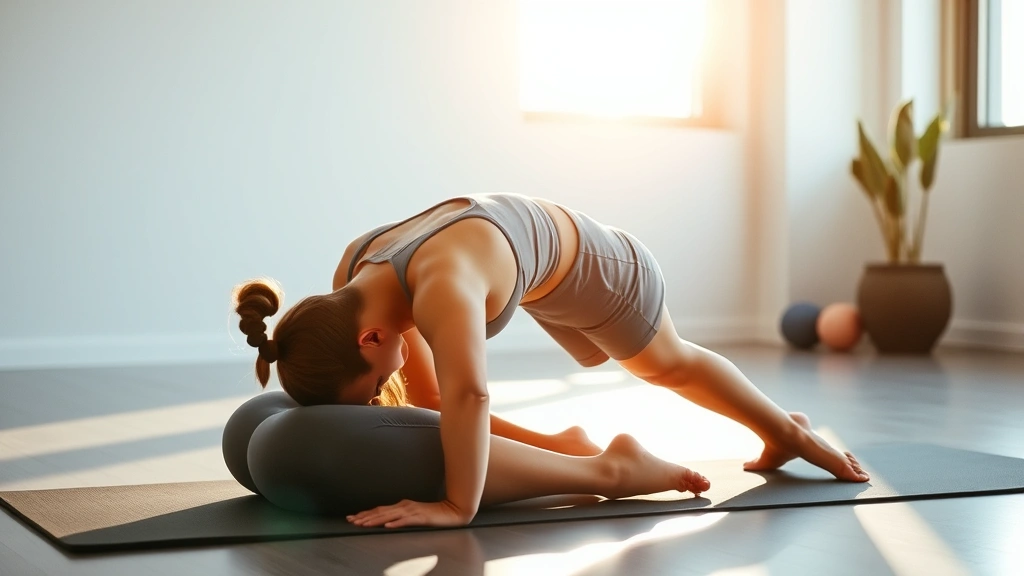
- Yin Yoga: Specifically designed for flexibility development, yin yoga involves holding passive poses for 3-5 minutes. This targets deep connective tissues and is excellent for athletes who want dramatic range-of-motion improvements.
- Restorative Yoga: While less intense than Hatha, restorative yoga still builds flexibility while reducing stress and promoting recovery. Perfect for active recovery days.
- Vinyasa Yoga: A more dynamic, flowing style that builds flexibility while also developing strength and cardiovascular fitness. Less ideal as a standalone flexibility program but excellent for athletes.
- Power Yoga: Combines flexibility work with strength building. Useful for athletes wanting balanced development but less effective for pure flexibility gains.
For maximum flexibility improvement, most experts recommend combining Hatha or Yin yoga (2-3 sessions weekly) with dynamic stretching as part of your warm-up routine.
Key Yoga Poses for Maximum Flexibility Development
These evidence-based poses deliver the most significant flexibility improvements when performed correctly and consistently:
Forward Fold (Uttanasana): Targets hamstrings, calves, and lower back. Hold for 1-2 minutes, breathing deeply. This single pose can increase hamstring flexibility dramatically within weeks.
Pigeon Pose (Eka Pada Rajakapotasana Prep): The most effective hip opener in yoga. The deep external hip rotation targets the piriformis muscle and opens hip flexors. Athletes who sit frequently absolutely need this pose.
Downward Dog (Adho Mukha Svanasana): A full-body flexibility developer that stretches calves, hamstrings, shoulders, and chest simultaneously. Hold for 1-2 minutes.
Low Lunge (Anjaneyasana): Specifically targets hip flexors, which are chronically tight in most people. Essential for athletes and anyone with desk-bound work.
Butterfly Pose (Baddha Konasana): Opens hips and inner thighs. Hold for 2-3 minutes for maximum benefit.
Spinal Twist (Parivrtta Sukhasana): Increases spinal rotation and flexibility. Crucial for athletes in rotational sports.
Shoulder Opener (Gomukhasana Arms): Dramatically improves shoulder and chest flexibility. Hold each side for 1-2 minutes.
Proper form is absolutely critical. Pushing too hard or forcing range of motion can cause injury. Instead, move to a point where you feel gentle tension, never pain, and breathe into the stretch.
Creating Your Yoga Flexibility Program
To achieve maximum flexibility gains, structure your practice strategically:
Frequency: Practice 3-4 times weekly for noticeable results within 4-6 weeks. More frequent practice (5-6 days weekly) accelerates improvements but requires proper recovery.
Duration: Each session should last 45-90 minutes. Shorter sessions (20-30 minutes) still provide benefits but require longer overall timelines for significant improvement.
Progression: Start with beginner-level holds (30 seconds) and gradually increase to 2-3 minutes as your flexibility improves. Don’t rush this progression.
Consistency: This is non-negotiable. Sporadic practice won’t produce lasting results. Commit to a regular schedule and treat it like any other important training component.
Sample Weekly Structure:
- Monday: Full-body flexibility-focused Hatha yoga (60 minutes)
- Tuesday: Dynamic stretching and light yoga (30 minutes)
- Wednesday: Yin yoga targeting lower body (75 minutes)
- Thursday: Active recovery yoga (45 minutes)
- Friday: Full-body flexibility Hatha (60 minutes)
- Saturday: Restorative yoga (45 minutes)
- Sunday: Rest or gentle stretching
This structure balances intensive flexibility work with recovery while maintaining consistency. You can adjust based on your schedule, but maintain this frequency for optimal results.
Combining Yoga with Other Training Methods
While yoga is exceptionally effective for flexibility, combining it with complementary training methods accelerates results and prevents plateaus. Understanding how to avoid sports injuries is directly connected to maintaining proper flexibility, which yoga uniquely provides.
Dynamic stretching before workouts and static stretching after training sessions complement your yoga practice. Foam rolling and self-myofascial release techniques enhance flexibility gains by addressing muscle tension and fascial restrictions that yoga alone might not fully resolve. Strength training, particularly through full ranges of motion, actually improves flexibility when performed correctly.
For athletes specifically, integrating flexibility work with sport-specific training is essential. A soccer player, for instance, benefits enormously from hip and hamstring flexibility work, which directly improves agility and reduces injury risk. Understanding current competitive dynamics—like analyzing fantasy football picks requires understanding player performance metrics—similarly, athletic flexibility improvements directly correlate with performance metrics.
Cross-training with activities like swimming and cycling also supports flexibility development while providing cardiovascular benefits. The key is creating a comprehensive training program where flexibility work is integrated, not isolated.
Common Mistakes That Limit Flexibility Progress
Even with dedicated practice, many people fail to achieve their flexibility potential. Avoid these critical mistakes:
Pushing Too Hard: The most common error. Aggressive stretching triggers protective muscle contractions that actually prevent lengthening. Gentle, sustained stretches are far more effective. Never push into pain.
Inconsistent Practice: Flexibility improvements require consistency. Practicing intensely once weekly while skipping other days produces minimal results. Regular, moderate practice beats sporadic intense sessions.
Neglecting Breathing: Shallow breathing keeps your nervous system in a sympathetic (fight-or-flight) state, which prevents muscle relaxation. Deep, conscious breathing is essential for flexibility gains.
Insufficient Hold Times: Holding stretches for only 15-20 seconds provides minimal benefit. Research shows 30-90 seconds minimum for noticeable tissue adaptation, with 2-3 minutes being optimal.
Poor Form and Alignment: Incorrect positioning reduces effectiveness and increases injury risk. Invest in instruction from qualified yoga teachers, particularly when learning new poses. Consider visiting our Peak Play Arena Blog for additional fitness guidance.
Ignoring Warm-Up: Never stretch cold muscles. Always warm up with 5-10 minutes of light movement before yoga practice.
Unrealistic Expectations: Flexibility improvements take time. Expecting dramatic changes in two weeks sets you up for disappointment. Most people see significant improvements within 6-8 weeks of consistent practice.
Understanding the intersection between flexibility training and overall athletic development helps you stay motivated. Just as analyzing college football predictions requires understanding multiple performance factors, improving flexibility requires understanding how it connects to your broader fitness goals.
FAQ
How quickly will I see flexibility improvements from yoga?
Most people notice measurable flexibility improvements within 4-6 weeks of consistent practice (3+ sessions weekly). Dramatic improvements typically occur within 8-12 weeks. Individual results vary based on starting flexibility level, consistency, and natural mobility.
Can yoga improve flexibility at any age?
Absolutely. Age is not a barrier to flexibility improvement. In fact, older adults often see more dramatic percentage improvements because they typically start with lower baseline flexibility. Your nervous system remains capable of adaptation throughout life.
Is yoga enough for flexibility, or do I need other stretching methods?
Yoga alone is sufficient for most people’s flexibility goals. However, combining yoga with dynamic stretching and foam rolling optimizes results and addresses different tissue types. The combination approach typically produces faster improvements than yoga alone.
Can I do yoga every day?
Yes, daily yoga is beneficial when properly structured. However, ensure variety—alternate intensive flexibility-focused sessions with gentler restorative practice. Daily practice accelerates improvements but requires adequate recovery and proper form to prevent overuse injuries.
What if I’m already very tight and inflexible?
Starting flexibility level doesn’t limit your potential improvement. In fact, very tight individuals often see the most dramatic percentage improvements. Start with beginner-level poses, hold them for shorter durations, and gradually progress. Work with a qualified instructor to ensure proper form and prevent injury.
Does flexibility improvement help athletic performance?
Yes, significantly. Improved flexibility enhances range of motion, reduces injury risk, improves movement efficiency, and allows better force production through full ranges of motion. Athletes across all sports benefit from flexibility training. For comprehensive athletic development strategies, explore our resources on sports performance fundamentals.
Can yoga improve flexibility if I’m already doing strength training?
Yoga and strength training complement each other perfectly. Strength training through full ranges of motion builds flexibility, while yoga improves mobility and reduces muscle tension from training. Combining both creates superior results compared to either alone.
Is hot yoga better for flexibility?
Hot yoga (practiced in heated studios) allows slightly easier movement in the moment, but research shows similar long-term flexibility improvements compared to room-temperature yoga. The heat doesn’t fundamentally change tissue adaptation. Choose the environment where you’ll practice most consistently.
Yoga unquestionably improves flexibility when practiced consistently with proper form and realistic expectations. The science is clear, the benefits are substantial, and the practice is accessible to virtually everyone. Whether you’re an athlete seeking performance enhancement or someone prioritizing overall fitness and health, incorporating yoga into your training program will deliver measurable, lasting flexibility improvements. Start today, stay consistent, and prepare to be amazed by your body’s capacity for positive change.


