
How to Improve Flexibility? Expert Advice for Peak Athletic Performance
Flexibility is one of the most overlooked components of fitness, yet it’s absolutely essential for athletic performance, injury prevention, and overall quality of life. Whether you’re a competitive athlete, weekend warrior, or someone simply looking to move better, improving your flexibility should be a non-negotiable part of your training regimen. Many people mistakenly believe that flexibility is something you’re born with—that you’re either naturally limber or forever stiff. The truth is far more empowering: flexibility is a trainable skill that responds remarkably well to consistent, intelligent practice.
The science is clear: enhanced flexibility correlates directly with improved range of motion, reduced muscle tension, better posture, and decreased injury risk. When you combine flexibility work with strength training and cardiovascular conditioning, you create a comprehensive fitness foundation that supports longevity and performance. This expert guide will walk you through evidence-based strategies to systematically improve your flexibility, whether you’re recovering from an injury, preparing for competition, or simply wanting to feel more mobile in your daily life.

Understanding Flexibility: The Science Behind Movement
Before diving into specific techniques, it’s crucial to understand what flexibility actually is and why it matters for your fitness goals. Flexibility refers to the maximum range of motion available at a joint or series of joints. It’s determined by several factors: the structure of your bones and joints, the elasticity of your muscles, the extensibility of your tendons and ligaments, and your nervous system’s willingness to allow movement through that range.
The connective tissues surrounding your muscles—particularly the fascia—play a significant role in your flexibility. This three-dimensional web of connective tissue can become restricted through repetitive movement patterns, inactivity, or accumulated tension. When you consistently work to improve flexibility, you’re essentially remodeling these tissues, making them more supple and responsive. Research from the American College of Sports Medicine (ACSM) demonstrates that regular flexibility training increases sarcomere length and improves the viscoelastic properties of muscle tissue.
There’s also a neurological component to flexibility. Your nervous system has built-in protective mechanisms that limit range of motion when it perceives instability or threat. This is called the stretch reflex. Through patient, consistent stretching, you can train your nervous system to feel more comfortable in extended ranges of motion, gradually expanding what your body considers “safe.” Understanding how to avoid sports injuries starts with recognizing that inadequate flexibility is a major risk factor for strains, sprains, and overuse injuries.
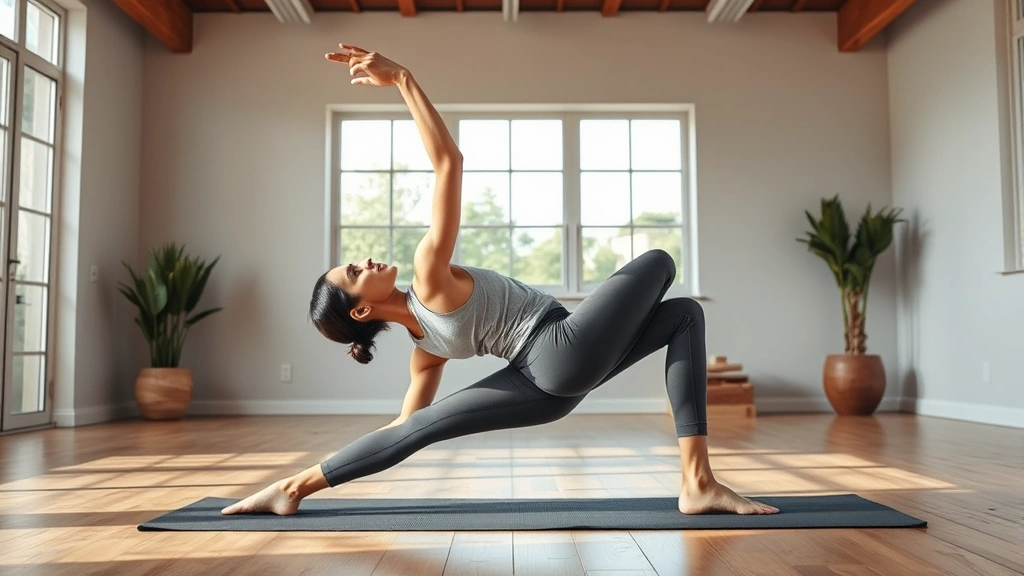
Dynamic Stretching: Your Pre-Workout Secret Weapon
Dynamic stretching involves moving through your available range of motion with controlled, purposeful movements. Unlike static stretching (holding a position), dynamic stretching increases heart rate, activates your nervous system, and prepares your muscles for work. This is why dynamic stretching is the gold standard for pre-workout routines. When done properly, dynamic stretching actually improves performance and doesn’t compromise strength output the way prolonged static stretching can.
Key dynamic stretching movements include:
- Leg swings: Forward-backward and side-to-side swings that mobilize the hip joint through its full range
- Walking lunges: Combine strength and flexibility while improving hip and ankle mobility
- Arm circles: Prepare the shoulder joint for overhead pressing and pulling movements
- Cat-cow stretches: Mobilize the entire spine through flexion and extension
- Inchworms: Challenge hamstring flexibility while engaging core stability
- World’s greatest stretch: A comprehensive full-body dynamic stretch combining lunging, rotation, and extension
The ideal approach is to spend 5-10 minutes performing dynamic stretches before your main workout. Perform 8-12 repetitions of each movement, focusing on smooth, controlled motion rather than bouncing. This prepares your joints, increases synovial fluid production (which lubricates your joints), and mentally primes you for training. Research published in the Journal of Strength and Conditioning Research shows that dynamic stretching improves athletic performance metrics including vertical jump height and sprint speed.
Static Stretching for Long-Term Gains
While dynamic stretching is superior pre-workout, static stretching—holding a stretch position for 20-60 seconds—is where you achieve lasting flexibility improvements. Static stretching should be performed post-workout when muscles are warm and your nervous system is less protective. This is when you’ll make genuine progress in expanding your range of motion.
The mechanism behind static stretching’s effectiveness lies in what’s called stress relaxation. When you hold a stretch, you’re applying sustained tension to muscle tissue. Over time, this tension causes the muscle spindles (sensory organs that detect stretch) to adapt and accept the new length as normal. With consistent repetition, this becomes your new baseline range of motion.
Essential static stretches for comprehensive flexibility include:
- Hamstring stretch: Seated or standing, reaching toward your toes to address the posterior chain
- Hip flexor stretch: Half-kneeling position to counteract sitting and improve anterior hip mobility
- Quad stretch: Standing or lying, pulling your heel toward your glutes
- Chest and shoulder stretch: Doorway stretch or cross-body shoulder pull
- Spinal twist: Supine or seated rotation to mobilize the thoracic spine
- Calf stretch: Wall stretch or step stretch for ankle mobility
Hold each stretch for 30-60 seconds, reaching a point of mild tension (not pain). Perform 2-3 sets of each stretch, ideally 5-7 days per week. This frequency is crucial because flexibility gains are transient—if you don’t maintain them, they regress. The consistency of your stretching program matters far more than the intensity. A person who stretches moderately for 20 minutes daily will achieve superior flexibility compared to someone doing intense stretching once weekly.
PNF Stretching: Advanced Technique for Rapid Progress
Proprioceptive Neuromuscular Facilitation (PNF) stretching is an advanced technique that leverages your nervous system to achieve greater range of motion gains. It’s particularly effective for stubborn areas that haven’t responded well to conventional stretching. PNF combines static stretching with isometric contractions, using neuromuscular principles to override protective mechanisms.
The most common PNF technique is the contract-relax method: you stretch a muscle to mild tension, then isometrically contract that muscle for 6-10 seconds, then relax and stretch deeper. This process essentially “tricks” your nervous system into allowing greater range of motion. Studies show PNF stretching produces more dramatic flexibility gains than static stretching alone, though it requires more attention and ideally a trained partner or coach.
A practical example: for hamstring flexibility, lie on your back with one leg extended up. Have a partner (or use a resistance band) provide gentle resistance as you push your leg down against that resistance for 8 seconds without moving. Then relax, and your partner gently deepens the stretch. You’ll notice you can reach significantly deeper after the isometric phase. Perform PNF stretching 2-3 times weekly on your most restricted areas for optimal results without overtraining.
Yoga and Mobility Work
Yoga deserves special attention because it combines flexibility training with strength, balance, and mindfulness in a comprehensive package. Unlike isolated stretching, yoga poses typically engage multiple muscle groups simultaneously while moving through complex patterns. This functional approach to flexibility translates directly to real-world movement quality.
Different yoga styles offer different benefits for flexibility. Yin yoga and restorative yoga emphasize long-held passive stretches, perfect for deep tissue work. Vinyasa and power yoga incorporate dynamic movement patterns that build strength while improving flexibility. Hatha yoga offers a balanced approach suitable for most fitness levels. The key is finding a style that resonates with you and committing to consistent practice.
Beyond traditional yoga, mobility work has emerged as an essential component of modern training. Mobility differs from flexibility in that it encompasses flexibility plus strength plus control through that range of motion. You might be flexible enough to achieve a deep squat, but lack the strength and control to move safely through that position. Mobility training addresses this gap. Movements like goblet squats, scapular push-ups, and bear crawls build strength while simultaneously improving flexibility.
Foam Rolling and Self-Myofascial Release
Foam rolling has become ubiquitous in fitness facilities, and for good reason: it’s an effective tool for improving flexibility and reducing muscle tension. When you roll a muscle over a foam roller, you’re applying pressure to trigger points and breaking up adhesions in the fascia—the connective tissue surrounding muscles. This self-myofascial release improves tissue quality and can increase range of motion within minutes.
The mechanism isn’t entirely clear, but research suggests foam rolling reduces muscle tension through several pathways: mechanical deformation of tissue, nervous system relaxation, and potential improvements in tissue hydration. What’s certain is that it works, particularly when combined with stretching. A study published in the Journal of Sports Medicine and Physical Fitness found that foam rolling followed by static stretching produced superior flexibility gains compared to stretching alone.
Use a foam roller on major muscle groups for 1-2 minutes per muscle, moving slowly and pausing on tender points. Perform this 3-4 times weekly, ideally post-workout. Avoid rolling directly on joints or the lower back. For even more targeted work, consider massage balls or specialized tools like lacrosse balls for smaller muscle groups.
Flexibility Training Program Design
Creating an effective flexibility program requires understanding the principles of progressive overload and periodization. You can’t just stretch randomly and expect optimal results. Your flexibility training should be systematic, progressive, and aligned with your overall training goals. Check out our Peak Play Arena Blog for additional training insights that complement your flexibility work.
A comprehensive weekly flexibility protocol might look like:
- Pre-workout dynamic stretching: 5-10 minutes before every training session
- Post-workout static stretching: 10-15 minutes after every training session
- Dedicated flexibility session: One 20-30 minute session focusing on problem areas
- Foam rolling: 10-15 minutes, 3-4 times weekly
- Yoga or mobility work: One 30-60 minute session weekly
- PNF stretching: 1-2 sessions weekly on stubborn restrictions
Progressive overload in flexibility training means gradually increasing the depth of your stretches, extending hold times, or increasing frequency. Track your flexibility metrics—perhaps measure how far you can reach in a sit-and-reach test, or how deep you can squat—and aim for measurable improvements every 4-6 weeks. This prevents plateaus and maintains motivation.
Periodization is equally important. Just as you wouldn’t train strength at maximum intensity year-round, flexibility training benefits from strategic variation. Dedicate 4-6 week blocks to emphasizing different areas: one block might focus on lower body flexibility, the next on upper body and spine. This systematic approach prevents overuse of specific tissues while ensuring comprehensive development.
Common Mistakes That Limit Progress
Even with good intentions, most people make mistakes that sabotage their flexibility improvements. Understanding these pitfalls helps you avoid them and accelerate your progress toward your goals.
Stretching cold muscles: Attempting to stretch before warming up is ineffective and potentially dangerous. Always perform 5-10 minutes of light cardiovascular activity to increase core temperature and blood flow before stretching. Cold muscles are more prone to injury and less responsive to stretching stimuli.
Bouncing during stretches: Ballistic stretching (bouncing) triggers the stretch reflex, causing muscles to contract protectively rather than relax. This actually limits flexibility gains and increases injury risk. Always use slow, controlled movements and static holds.
Overstretching to pain: Flexibility improvements happen at the edge of your comfortable range, not at the edge of pain. Stretching to sharp pain can cause micro-tears and actually reduce flexibility. Aim for mild tension—a 5-6 out of 10 on a discomfort scale.
Inconsistency: This is the most common mistake. Flexibility gains require consistent practice. Sporadic stretching produces minimal results. Commit to daily dynamic stretching and post-workout static stretching as non-negotiable components of your routine.
Ignoring strength balance: Excessive flexibility without corresponding strength creates instability and injury risk. Always pair flexibility work with appropriate strength training. A comprehensive injury prevention program includes both flexibility and strength development.
Static stretching before performance activities: Pre-competition, static stretching can temporarily reduce muscle power output. Reserve static stretching for post-workout sessions. Dynamic stretching is appropriate pre-workout and pre-competition.
Neglecting the nervous system: Your nervous system determines how much range of motion you’ll access. Breathing deeply during stretches activates the parasympathetic nervous system, promoting relaxation and deeper stretching. Poor breathing patterns keep you tense and limit flexibility gains.
If you’re interested in understanding how flexibility connects to injury prevention in sports contexts, our guide on how to avoid sports injuries provides comprehensive insights into building a resilient, injury-resistant body. Additionally, if you’re tracking athletic performance across sports, check out our college football predictions and high school football scores for staying updated on athletic performance metrics.
FAQ
How long does it take to see flexibility improvements?
With consistent daily practice, most people notice meaningful flexibility improvements within 2-3 weeks. Significant changes typically appear within 6-8 weeks. However, flexibility is a long-term development—continued progress occurs over months and years of consistent practice. Your genetics influence your baseline flexibility, but virtually everyone can substantially improve through dedicated training.
Can flexibility training replace strength training?
No. Flexibility and strength are complementary but distinct components of fitness. Optimal athletic performance and injury prevention require both. A balanced program includes strength training, cardiovascular conditioning, and flexibility work. They work synergistically—strength through full range of motion is more functional than strength at limited ranges.
Is it ever too late to improve flexibility?
Absolutely not. Your body retains the ability to improve flexibility throughout life. Older adults may progress more slowly than younger individuals, but age is not a barrier to meaningful flexibility gains. In fact, flexibility training becomes increasingly important with age for maintaining mobility and independence.
Should I stretch when injured?
This depends on the injury type. For acute injuries (recent sprains, strains), avoid stretching the injured area initially. Once acute inflammation subsides (typically 48-72 hours), gentle stretching under professional guidance can support recovery. Always consult a physical therapist or sports medicine professional before stretching an injured area.
Can flexibility improve athletic performance?
Yes. Improved flexibility enhances athletic performance by increasing range of motion, reducing muscle tension, improving movement efficiency, and supporting force production through optimal ranges. Athletes with better flexibility typically demonstrate better agility, reduced injury rates, and improved technique in sport-specific movements. For those interested in athletic tracking, explore our best sports streaming sites guide to watch professional athletes demonstrating optimal movement patterns.
How does flexibility relate to sports betting and performance prediction?
While flexibility itself isn’t directly tracked in sports betting odds, it’s a fundamental component of athlete health and performance. Professional analysts consider injury history and movement quality (which correlates with flexibility) when assessing athlete availability and performance potential. Better-conditioned athletes with superior flexibility profiles represent lower injury risk.


