
Best Protein for Muscle Gain? Nutritionist Insight
Building muscle mass requires more than just hitting the gym hard—your nutrition strategy is equally critical to achieving your fitness goals. Protein stands as the cornerstone macronutrient for muscle development, repair, and growth. Whether you’re a competitive athlete, weekend warrior, or someone looking to transform your physique, understanding which protein sources deliver the best results can accelerate your progress significantly. This comprehensive guide explores the science behind protein for muscle gain and provides actionable nutritionist recommendations backed by research.
Athletes and fitness enthusiasts often wonder whether they should prioritize whole food sources, protein supplements, or a combination of both. The truth is that the best protein for muscle gain depends on your individual goals, lifestyle, training intensity, and dietary preferences. What works perfectly for a professional bodybuilder might differ from what suits a busy professional juggling work and training. Let’s dive into the evidence-based strategies that will help you make informed decisions about your protein intake.
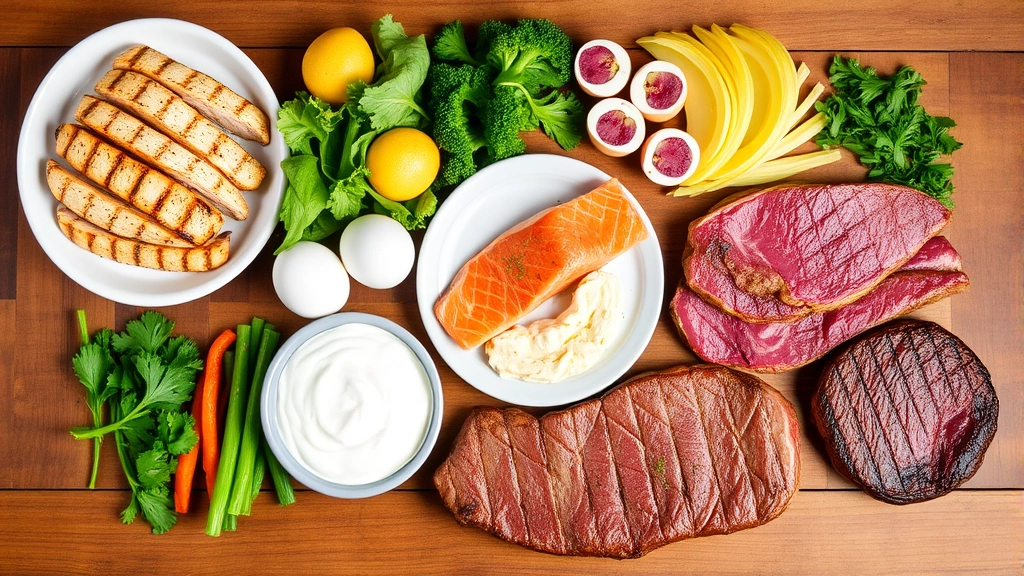
Understanding Protein’s Role in Muscle Growth
Protein is composed of amino acids, which are organic compounds that your body uses to build and repair muscle tissue. When you perform resistance training, you create micro-tears in muscle fibers. During recovery, your body synthesizes new protein to repair these tears, resulting in larger and stronger muscles. This process, called muscle protein synthesis (MPS), is directly stimulated by adequate protein consumption combined with progressive overload training.
Research from the American College of Sports Medicine (ACSM) demonstrates that protein consumption immediately after training enhances the muscle-building response. The amino acid leucine plays a particularly important role in triggering MPS, acting as a signaling molecule that activates the mTOR pathway—a critical mechanism for muscle growth. Without sufficient protein intake, your body cannot efficiently repair and build new muscle tissue, regardless of how hard you train.
The difference between building muscle and simply working out lies in your nutrition strategy. Many people invest countless hours in the gym but fail to see results because they neglect their protein intake. A comprehensive review in the Journal of the International Society of Sports Nutrition found that individuals consuming adequate protein while resistance training gained significantly more lean muscle mass compared to those with insufficient protein intake.
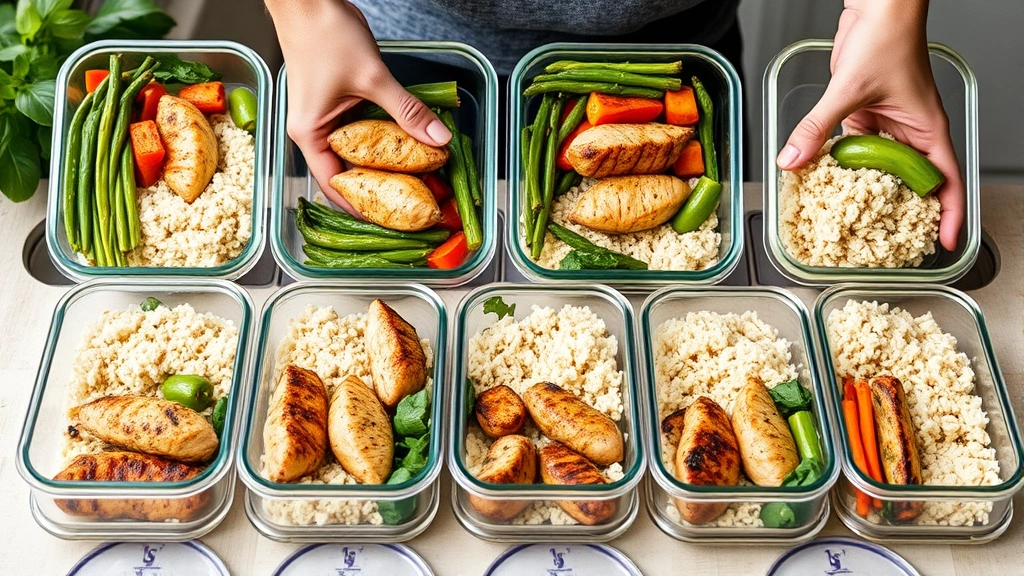
Top Whole Food Protein Sources
Whole food proteins offer not just amino acids but also micronutrients, minerals, and vitamins essential for overall health and athletic performance. These sources provide sustained satiety and support metabolic health beyond simple muscle building.
Chicken Breast: The gold standard for lean muscle building, chicken breast contains approximately 31 grams of protein per 100-gram serving with minimal fat. It’s affordable, versatile, and provides B vitamins crucial for energy metabolism. Consider incorporating injury prevention strategies when training intensely on chicken-based diets.
Eggs: One of nature’s most complete proteins, eggs contain all nine essential amino acids. The yolk provides choline for brain health and lutein for eye health. Three large eggs deliver approximately 18 grams of protein along with beneficial fats and micronutrients.
Beef: Rich in iron, zinc, B12, and creatine, beef supports muscle growth and recovery. Lean cuts like sirloin and tenderloin provide 26 grams of protein per 100 grams with moderate fat content. The micronutrient profile makes beef particularly valuable for strength athletes.
Fish: Salmon, tuna, and cod provide high-quality protein (20-25 grams per 100 grams) alongside omega-3 fatty acids that reduce inflammation and support cardiovascular health. These anti-inflammatory properties accelerate recovery between training sessions.
Greek Yogurt: Offering 10 grams of protein per 100 grams, Greek yogurt provides probiotics for gut health and calcium for bone density. The casein protein in yogurt digests slowly, providing sustained amino acid release.
Cottage Cheese: With approximately 11 grams of protein per 100 grams and slow-digesting casein, cottage cheese makes an excellent evening protein source. The high calcium content supports skeletal health during intense training.
Protein Supplements: Whey, Casein, and Plant-Based Options
While whole foods should form your nutritional foundation, protein supplements offer convenience and cost-effectiveness for meeting daily protein targets. Understanding each type helps you choose the best option for your lifestyle.
Whey Protein Isolate: The fastest-digesting protein available, whey isolate reaches muscles within 30-60 minutes post-workout. It contains all essential amino acids with exceptional leucine content (approximately 11% by weight), making it ideal for triggering muscle protein synthesis. Whey isolate is lactose-free and provides 25+ grams of protein per serving with minimal carbohydrates.
Whey Protein Concentrate: Slightly less processed than isolate, concentrate contains 70-80% protein with more lactose and carbohydrates. It’s more affordable while still delivering excellent amino acid profiles and remains popular among athletes seeking budget-friendly options.
Casein Protein: This slow-digesting milk protein releases amino acids gradually over 6-8 hours, making it perfect for overnight recovery or meal replacement. Casein provides sustained muscle protein synthesis throughout extended periods without eating, supporting muscle maintenance during sleep.
Plant-Based Proteins: Pea, rice, hemp, and soy proteins offer excellent options for vegans and those with dairy sensitivities. Soy protein is a complete protein containing all essential amino acids, while combining pea and rice proteins creates a complete amino acid profile. Plant-based options typically require slightly higher consumption volumes to match whey’s leucine content but remain highly effective for muscle building.
Optimal Daily Protein Intake for Muscle Gain
The question of how much protein you need depends on your training intensity, body composition, and goals. Research provides clear guidelines for maximizing muscle growth.
The American College of Sports Medicine recommends 1.2-2.0 grams of protein per kilogram of body weight daily for individuals engaged in regular resistance training. For a 180-pound (82 kg) athlete, this translates to 98-164 grams of protein daily. Most muscle-building athletes perform optimally at approximately 1.6-2.2 grams per kilogram, especially during phases emphasizing hypertrophy.
Studies published in sports nutrition journals demonstrate that protein intake above 2.2 grams per kilogram provides minimal additional muscle-building benefits, as your body can only synthesize muscle at a certain rate regardless of excess protein consumption. Consuming excessive protein beyond your needs simply increases caloric intake without additional muscle-building advantages.
Your individual protein needs also depend on your training status. Beginners can build muscle effectively with 1.2-1.6 grams per kilogram, while advanced athletes may require 1.8-2.2 grams per kilogram to continue making progress. Age also matters—older adults (over 65) may benefit from slightly higher protein intake to combat age-related muscle loss.
Body composition goals influence protein requirements as well. If you’re in a caloric deficit for fat loss while maintaining muscle, prioritize the higher end of recommendations (1.8-2.2 grams per kilogram) to preserve lean mass. During muscle-building phases with adequate calories, 1.6-2.0 grams per kilogram typically suffices.
Timing and Distribution Strategies
While total daily protein matters most, how you distribute protein throughout the day significantly impacts muscle protein synthesis rates. Strategic timing maximizes your body’s ability to build muscle.
Post-Workout Nutrition: Consuming 20-40 grams of protein within 1-2 hours after resistance training accelerates muscle recovery. This window provides optimal conditions for muscle protein synthesis, especially when combined with carbohydrates that elevate insulin levels and enhance amino acid transport into muscle cells. A combination of whey protein and simple carbohydrates (like dextrose or fruit) creates the ideal post-workout meal.
Protein Distribution Across Meals: Rather than consuming all your protein in one or two meals, distributing 25-35 grams across four to five meals maximizes muscle protein synthesis throughout the day. Research indicates that spacing protein intake evenly promotes better overall MPS compared to clustering consumption.
Pre-Workout Nutrition: Consuming 20-30 grams of protein 2-3 hours before training provides amino acids available during the workout. This strategy ensures adequate amino acid availability during the critical post-workout window without the digestive discomfort of eating immediately before exercise.
Overnight Recovery: Consuming casein protein or cottage cheese before bed provides sustained amino acid release throughout sleep, supporting muscle recovery during the night when anabolic processes accelerate.
Combining Proteins for Maximum Results
Strategic combination of different protein sources creates synergistic benefits that exceed what any single source provides. This approach optimizes both muscle building and overall health outcomes.
Combining fast and slow-digesting proteins extends the muscle protein synthesis window. For example, post-workout meals combining whey protein (fast) with oats and almonds (slow) create sustained amino acid availability. The fast protein triggers immediate MPS while slower components sustain elevated amino acid levels for extended periods.
Mixing animal and plant-based proteins addresses nutritional gaps while supporting sustainable eating patterns. A meal combining chicken (complete amino acids, B vitamins, iron) with quinoa (complete plant protein, magnesium, fiber) provides comprehensive nutrition. This combination supports digestive health through increased fiber while delivering all essential amino acids.
Pairing high-protein foods with vegetables enhances micronutrient absorption and supports training recovery. Beef with broccoli delivers not just protein but also vitamin C (enhancing iron absorption), folate, and cancer-fighting compounds. This synergy supports both muscle building and long-term health.
Consider exploring sports nutrition resources for additional meal planning strategies that optimize your training results.
Common Protein Mistakes Athletes Make
Neglecting Total Daily Intake: Many athletes focus on post-workout nutrition while consuming insufficient protein throughout the day. Consistent daily protein intake matters more than any single meal. Track your total consumption using nutrition apps to ensure you’re hitting your targets.
Choosing Low-Quality Protein Sources: While cheaper protein options exist, they often contain excessive fillers, additives, and incomplete amino acid profiles. Investing in quality protein sources delivers superior results and supports better health outcomes. Reading labels helps identify products with minimal ingredients and high protein concentrations.
Ignoring Individual Tolerance: Some people experience bloating, digestive discomfort, or allergic reactions to specific protein sources. Whey protein may cause issues for some while plant-based proteins work perfectly. Others thrive on dairy while experiencing problems with plant sources. Experimenting with different options helps identify your optimal choices.
Overconsuming Protein Supplements: Whole foods should comprise 70-80% of your protein intake, with supplements filling gaps when convenient. Relying entirely on shakes and powders misses valuable micronutrients and satiety factors that whole foods provide. Supplements enhance your nutrition plan but shouldn’t replace real food.
Pairing Protein Without Strength Training: Protein alone doesn’t build muscle—you must combine adequate protein with progressive resistance training. Without the stimulus of challenging your muscles, excess protein simply increases caloric intake without muscle-building benefits.
Neglecting Recovery Nutrition: Building muscle requires more than protein alone. Adequate carbohydrates, healthy fats, micronutrients, sleep, and stress management all contribute to muscle growth. A comprehensive approach addressing all recovery factors outperforms protein-focused strategies alone.
For athletes balancing training with other responsibilities, understanding sports performance strategies helps optimize recovery alongside protein nutrition.
Professional athletes and serious fitness enthusiasts should consider consulting sports nutritionists who can personalize recommendations based on your specific circumstances. Organizations like the American College of Sports Medicine provide evidence-based guidelines that certified professionals use to develop customized nutrition plans.
FAQ
How much protein do I need daily for muscle gain?
Most research supports 1.6-2.2 grams of protein per kilogram of body weight daily for optimal muscle growth. A 180-pound athlete should consume approximately 120-180 grams daily. Individual needs vary based on training intensity, age, and current body composition.
Is whey protein better than whole food sources?
Whey protein offers convenience and rapid absorption but lacks the micronutrients and satiety benefits of whole foods. Ideally, combine both—use whey for post-workout convenience while prioritizing whole food sources for 70-80% of daily intake.
Can I build muscle on a plant-based protein diet?
Absolutely. Plant-based proteins like soy, pea, and hemp provide complete amino acid profiles when properly combined. Consuming adequate total protein and training progressively produces excellent muscle-building results regardless of protein source.
What’s the best time to consume protein?
Post-workout consumption (within 1-2 hours) is important, but total daily intake matters most. Distribute protein evenly across meals (25-35 grams per meal) to maximize muscle protein synthesis throughout the day.
Does excess protein damage kidneys?
Research in healthy individuals shows no kidney damage from high protein intake. People with existing kidney disease should consult healthcare providers, but athletes with normal kidney function safely consume 2+ grams per kilogram daily.
Should I use protein supplements or whole foods?
Both serve important roles. Whole foods provide superior nutrition, but supplements offer convenience for meeting daily targets. Use supplements strategically to fill gaps rather than replacing whole food sources.


