Italy vs Germany: Fitness Impact on Player Performance
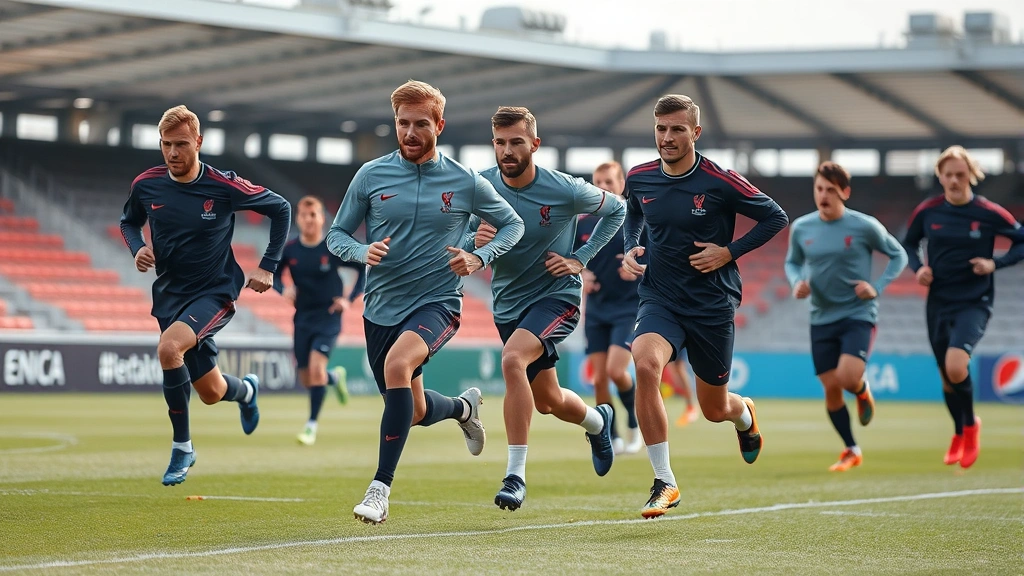
When the Italian and German national football teams clash, the match transcends tactical formations and technical skill—it becomes a test of physical conditioning and athletic endurance. Both nations have produced world-class athletes whose fitness levels directly determine their ability to execute strategies, maintain possession, and capitalize on scoring opportunities throughout the demanding 90 minutes of professional football.
Fitness isn’t merely about running speed or cardiovascular capacity. It encompasses aerobic power, anaerobic threshold, muscular strength, agility, and mental resilience. Players from both Italy and Germany undergo rigorous conditioning programs designed to maximize their physical potential while minimizing injury risk. Understanding how fitness impacts player performance reveals why these European powerhouses consistently compete at the highest levels of international football.
The difference between victory and defeat often comes down to which team maintains superior fitness levels in the final minutes of play. This comprehensive analysis explores how conditioning directly influences tactical execution, player availability, and ultimately, match outcomes when these two football giants meet.
Fitness Demands of Modern Football
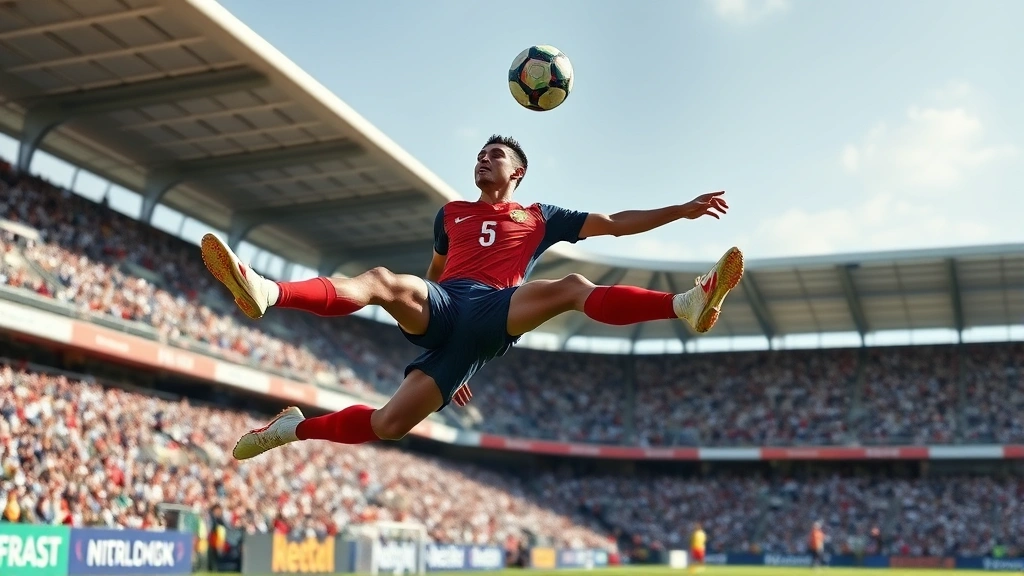
Professional football demands exceptional multi-directional fitness capabilities that extend far beyond simple running endurance. Modern players must execute rapid acceleration, deceleration, lateral movements, and explosive jumps while maintaining tactical awareness and technical precision. A typical match requires covering 10-13 kilometers, with elite players performing this distance across varying intensities.
The fitness demands break down into several critical components: aerobic capacity (sustained effort over 90 minutes), anaerobic power (explosive sprints and tackles), muscular strength (resisting opponents and maintaining position), flexibility (injury prevention and range of motion), and agility (directional change efficiency). When Italy and Germany lineup for international competition, each team’s coaching staff has optimized these fitness components to their tactical philosophy.
Italian football traditionally emphasizes defensive organization and controlled possession, requiring players with exceptional positional awareness and efficient movement patterns. German football, conversely, prioritizes high-intensity pressing and rapid transitions, demanding players with superior anaerobic capacity and explosive power. These philosophical differences directly influence conditioning priorities within each national team’s fitness programs.
Research from the American College of Sports Medicine demonstrates that elite football players maintain heart rates between 160-180 beats per minute during competitive matches, requiring months of systematic training to develop this aerobic foundation. Both Italian and German programs incorporate sport-specific conditioning that mimics match demands, ensuring players can sustain peak performance across all 90 minutes.
Italian Squad Conditioning Programs
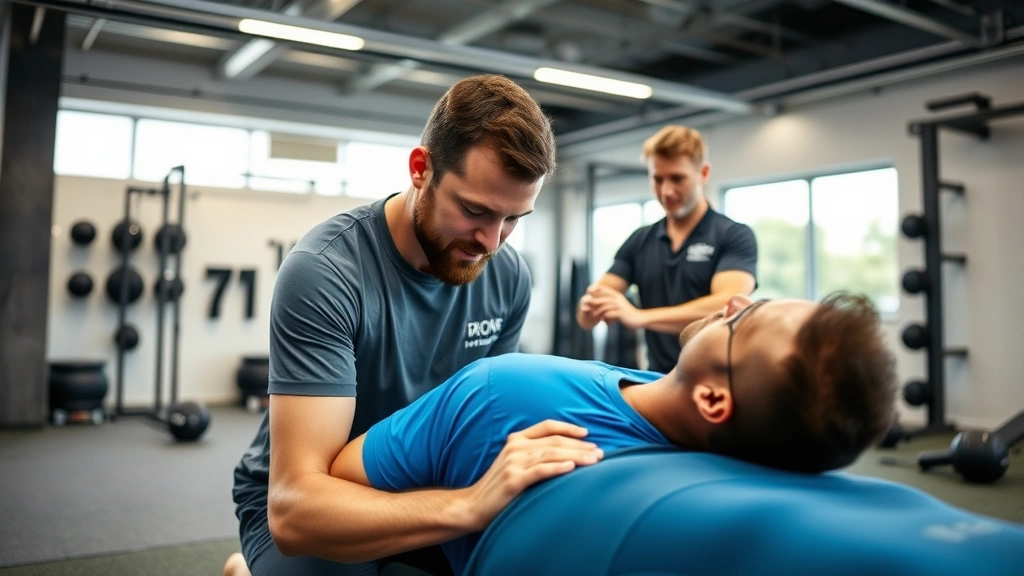
The Italian national football team has developed sophisticated conditioning methodologies rooted in periodization principles and individual player assessment. Italian coaching staff emphasize technical efficiency combined with tactical fitness—training players to execute complex movements while managing energy expenditure throughout matches.
Italian fitness programs typically incorporate:
- Possessional Training: Extended possession drills that develop aerobic capacity while maintaining technical proficiency
- Interval Work: High-intensity intervals combined with recovery periods mimicking match intensity variations
- Strength Circuits: Functional strength exercises targeting core stability and lower body power essential for maintaining possession
- Positional Conditioning: Sport-specific fitness tailored to defensive, midfield, and attacking roles
Italian players typically demonstrate exceptional efficiency metrics—covering required distances while performing fewer high-intensity efforts compared to other European teams. This reflects the Italian tactical philosophy emphasizing controlled football and strategic energy management. When reviewing how long football games last, Italian conditioning programs ensure players maintain this efficiency throughout the entire duration.
The Italian squad emphasizes injury prevention through comprehensive mobility work and targeted flexibility training. Italian players often demonstrate superior resilience to muscle injuries due to emphasis on movement quality and gradual training load progression. This approach proves particularly valuable during tournament play when multiple matches occur within short timeframes.
German Training Methodologies
German football culture emphasizes systematic, science-based training approaches grounded in exercise physiology principles. German national team conditioning programs integrate advanced performance monitoring, biomechanical analysis, and individualized training prescription to maximize player development.
German fitness protocols focus on:
- High-Intensity Interval Training (HIIT): Repeated maximal-effort sprints with short recovery periods, developing anaerobic power crucial for pressing systems
- Plyometric Development: Explosive power training enhancing vertical jump, lateral quickness, and acceleration capacity
- Periodized Strength Training: Systematic progression of resistance exercises building maximum strength and power transfer to football movements
- Metabolic Conditioning: Training protocols targeting specific energy systems required for high-pressing football
German players typically demonstrate superior absolute power metrics and faster sprint times compared to counterparts from other nations. This reflects German training emphasis on explosive development and high-intensity work capacity. German conditioning produces athletes capable of maintaining aggressive pressing for extended periods—a tactical requirement of modern German football philosophy.
German programs incorporate advanced recovery modalities including cryotherapy, hyperbaric oxygen chambers, and sophisticated sleep optimization protocols. This comprehensive approach to recovery allows German players to tolerate higher training loads while maintaining performance consistency. When examining Peak Play Arena resources, similar science-backed principles emerge across elite training environments.
Cardiovascular Endurance and Match Performance
Cardiovascular fitness represents the foundational fitness quality determining performance sustainability throughout 90-minute matches. Players with superior aerobic capacity maintain higher work rates in final minutes when fatigue typically degrades performance. This quality directly influences tactical execution—players cannot maintain pressing systems or attacking runs if cardiovascular conditioning proves inadequate.
Elite football players typically demonstrate VO2 max values between 55-65 ml/kg/min, representing exceptional aerobic capacity. Both Italian and German national teams include players within this elite range, reflecting years of systematic training beginning in youth development systems. However, absolute VO2 max represents only one fitness component; lactate threshold (the intensity sustainable without excessive lactate accumulation) and movement economy (efficiency of movement at given intensities) prove equally important.
Italian players often demonstrate superior movement economy—accomplishing tactical objectives with lower metabolic cost compared to other teams. This efficiency allows sustained performance with lower absolute cardiovascular demands. German players, conversely, often demonstrate higher absolute power outputs but require greater cardiovascular capacity to sustain aggressive playing styles.
Research from exercise physiology journals demonstrates that cardiovascular fitness improvements require consistent training spanning 12-16 weeks minimum. National team coaches structure training camps specifically to develop cardiovascular qualities during preparation periods preceding major tournaments or qualifying matches. The timing of these fitness-focused blocks influences squad readiness when Italy and Germany lineup for international competition.
Match analysis reveals that teams maintaining superior cardiovascular fitness typically outperform opponents in final 15-20 minutes, when fatigue-related performance decrements become most pronounced. This temporal pattern explains why fitness conditioning represents such critical competitive advantage in elite football.
Strength and Power Development
Muscular strength and power production distinguish elite football players from solid performers. Strength provides foundation for resisting opponent challenges, maintaining balance during technical execution, and generating force for accelerations and jumps. Power—the rate of force production—determines acceleration capacity, jump height, and explosive movement capability essential for football’s intermittent demands.
Italian national team strength training typically emphasizes functional, multi-planar movements reflecting football demands. Italian programs incorporate compound exercises (squats, deadlifts, lunges) combined with explosive variations (jump squats, bounding) and rotational movements (wood chops, pallof presses) developing integrated strength patterns. This approach ensures strength gains transfer directly to football performance rather than creating artificial gym-specific strength.
German strength programs often incorporate higher training volumes and greater emphasis on maximum strength development as foundation for power production. German coaches recognize that maximum strength improvements create ceiling for power development—stronger athletes can produce greater absolute power outputs. German programs systematically progress training loads, intensities, and movement complexity throughout training cycles.
Both nations recognize that lower body strength proves particularly critical for football performance. Leg strength determines running velocity, jumping height, kicking power, and ability to resist challenges during competitive play. National team strength coaches prescribe individualized programs addressing player-specific weaknesses while maintaining positions’ unique demands. Forward positions require different strength emphasis compared to defensive midfielders or fullbacks.
Power development requires explosive training performed when athletes demonstrate optimal nervous system recovery—typically early in training sessions following comprehensive warm-up protocols. Both Italian and German programs structure training to maximize power development opportunities, recognizing that power proves difficult to maintain and easily degraded by inadequate recovery or excessive training fatigue.
Recovery Protocols and Injury Prevention
Modern elite football recognizes that training stimulus only represents one component of adaptation equation; recovery determines whether training produces desired fitness improvements or excessive fatigue and injury. Italian and German national teams employ comprehensive recovery strategies acknowledging that international competition schedules (multiple matches within short timeframes) necessitate sophisticated recovery management.
Recovery modalities employed by elite programs include:
- Sleep Optimization: Coaches prioritize sleep quantity and quality, recognizing that 7-9 hours nightly proves essential for hormonal balance, immune function, and neural recovery
- Nutrition Timing: Systematic carbohydrate and protein consumption around training and matches replenishes energy stores and facilitates muscle protein synthesis
- Active Recovery: Low-intensity movement (walking, easy swimming, cycling) on non-training days enhances blood flow without imposing additional fatigue
- Flexibility and Mobility Work: Daily stretching and mobility drills maintain range of motion and reduce injury risk
- Cold Water Immersion: Strategic ice bath exposure reduces inflammation and accelerates recovery between intense sessions
Italian coaches historically emphasize recovery and injury prevention, reflecting cultural values prioritizing longevity and sustainable performance. Italian national team players often demonstrate low injury rates compared to other nations, attributable partly to conservative training progression and emphasis on movement quality. This approach sacrifices some acute fitness gains for superior injury resilience and consistency across extended competition periods.
German programs increasingly incorporate similar recovery emphasis, recognizing that injury prevention determines overall competitive success more than marginal fitness improvements. Both nations employ medical staff including physicians, physiotherapists, and strength coaches coordinating comprehensive injury prevention strategies.
When examining football field dimensions and match structure, the substantial distances covered and physical demands imposed underscore recovery importance. Players cannot maintain fitness levels without adequate recovery between training sessions and competitive matches.
Lineup Fitness Considerations
When Italy and Germany lineup for international matches, coaching staff field players representing various fitness levels and readiness states. Injuries, recent suspension, or insufficient training time can compromise player fitness, forcing substitutions that disrupt tactical balance. National team coaches carefully manage player fitness throughout qualification campaigns, ensuring key personnel maintain optimal readiness for tournament competition.
Squad rotation represents critical fitness management tool. Coaches strategically rest key players in lower-stakes matches to preserve fitness and reduce injury risk ahead of critical fixtures. This approach requires balancing development needs of squad depth players against maintaining competitive performance in each match. Italian and German coaches employ sophisticated rotation strategies reflecting their squads’ specific characteristics and upcoming competition calendar.
Fullback positions typically demand superior fitness compared to other roles, requiring sustained high-intensity efforts throughout matches. Central defenders must demonstrate explosive power and rapid directional changes despite larger body masses. Midfielders—particularly box-to-box players—require exceptional aerobic capacity and power to cover vast distances while executing technical tasks. Forward positions demand different fitness emphasis, prioritizing explosive power and accelerative capacity over sustained aerobic efforts.
When reviewing national team lineups, fitness considerations often prove invisible to casual observers but profoundly influence match outcomes. A player recovering from injury may lack full fitness despite possessing superior technical ability compared to replacement. Conversely, a less technically gifted player at peak fitness might outperform superior technicians operating below fitness capacity. This dynamic explains why coaching staff sometimes field unexpected lineups—fitness considerations often supersede pure technical rankings.
International football’s compressed schedule—multiple matches within 7-10 day periods—creates unique fitness challenges. Players cannot fully recover between matches using standard protocols, necessitating specialized recovery strategies and careful training load management during tournament play. Fitness levels achieved during preparation periods largely determine tournament performance, as limited time exists for fitness development once competition commences.
Advanced monitoring systems now track player fitness throughout seasons, measuring factors like heart rate variability, sleep quality, and training load. Coaches utilize this data to predict injury risk and optimize match participation decisions. When Italy and Germany field lineups, coaching decisions reflect data-driven fitness assessments rather than purely subjective judgment.


