
Football Game Duration: Expert Breakdown of How Long Are Football Games
Whether you’re planning your Sunday afternoon, scheduling workout recovery time, or simply curious about the sport, understanding how long football games actually last is more complex than you might think. A football game isn’t just about the 60 minutes of regulation play—there’s clock stoppage, commercial breaks, halftime festivities, and countless other factors that extend the total viewing experience. Professional games typically run 3 to 3.5 hours, while college and high school versions have their own unique timing dynamics. This comprehensive breakdown explores every element that contributes to football game duration, helping you better plan your schedule and appreciate the sport’s intricate timing mechanics.
Understanding game length matters for fans, athletes, and anyone involved in football culture. From high school football scores to professional broadcasts, duration impacts everything from player conditioning to broadcast scheduling. Let’s dive deep into what determines how long these games actually take.
NFL Game Duration Breakdown
National Football League games represent the longest version of American football you’ll encounter. An average NFL game lasts between 3 hours and 10 minutes to 3 hours and 30 minutes, though recent seasons have seen games extending beyond this range. The regulation time consists of four 15-minute quarters, totaling 60 minutes of actual play. However, the actual clock time from kickoff to final whistle typically doubles or triples this duration.
The primary culprit behind extended NFL game times is the television broadcast schedule. Networks structure commercial breaks around play stoppages, with each team receiving three timeouts per half. These timeouts, combined with mandatory TV timeouts, create natural breaks in action. The NFL officially regulates that teams receive two minutes and 00 seconds for timeout periods, allowing players to regroup, coaches to strategize, and networks to air advertisements.
Halftime in the NFL lasts exactly 12 minutes during regular season games, though Super Bowl halftime extends to approximately 30-40 minutes due to elaborate musical performances. This halftime period is crucial for player recovery, coaching adjustments, and the famous Super Bowl halftime show spectacle. Between plays, the play clock allows 40 seconds (or 25 seconds after certain situations) for teams to snap the ball, adding another layer of timing complexity.
Penalties, challenges, and injuries significantly impact total game duration. An official review or coach’s challenge can add 2-3 minutes per occurrence. Injuries requiring medical attention create additional stoppages. Scoring plays, particularly touchdowns, trigger extended celebration periods and potential penalty reviews, further extending the game clock.
College Football Game Length
College football games typically run 3 to 3.5 hours on average, though many exceed 4 hours, making them comparable to or sometimes longer than NFL games. The regulation consists of four 15-minute quarters, identical to professional football. However, college football operates under different timing rules that can significantly alter total duration.
One major difference involves the clock management rules. In college football, the play clock stops when a player goes out of bounds during the first half, but this rule changes in the second half depending on conference regulations. These variations create unpredictable timing patterns. Additionally, college games often feature more penalties and stoppages due to less experienced officiating crews and younger players still learning proper techniques.
Television timeouts in college football are similar to the NFL, with networks inserting commercial breaks during natural play stoppages. However, college broadcasts sometimes feature more frequent timeouts, extending overall game duration. The halftime break in college football typically lasts 20 minutes, slightly longer than the NFL’s 12 minutes, allowing bands to perform their elaborate halftime shows—a cherished tradition in college athletics.
Check out our college football predictions to better understand the competitive landscape where these extended games occur. College football’s unpredictability extends beyond just game outcomes—duration varies wildly based on team styles, conference rules, and coaching philosophies.
Overtime rules dramatically affect college game duration. College football’s overtime system, where teams alternate possessions from the opponent’s 25-yard line, can add 15-30 minutes per overtime period. Some memorable games have gone five or more overtimes, creating marathon contests that test both player endurance and fan patience.
High School Football Timing
High school football games represent the most variable game length across all levels of American football. Most high school games last between 2 to 2.5 hours, making them notably shorter than college and professional contests. The regulation consists of four 12-minute quarters (compared to 15 minutes at higher levels), reducing base playing time by 12 minutes.
High school football operates with different clock rules than college and professional leagues. The play clock is 40 seconds, similar to the NFL, but timeout allocations differ. Each team receives three timeouts per half, though some state associations modify this rule. The high school football scores you see reported often reflect games that concluded in reasonable timeframes, allowing communities to gather and participate in Friday night traditions.
Television timeouts are minimal in high school football, as most games aren’t broadcast nationally. This significantly reduces total game duration compared to college and professional games. Halftime in high school football typically lasts 10-15 minutes, allowing for band performances and brief coaching adjustments without the elaborate productions seen at higher levels.
High school overtime rules vary by state association, but most employ sudden-death or modified overtime formats that are quicker than college football’s system. This keeps games from extending excessively late, respecting school night schedules and parental pickup times. However, playoff games sometimes feature extended overtime periods, pushing total duration closer to 3 hours.
International and Youth Football
Youth football leagues introduce even shorter game formats. Pop Warner and youth league games typically last 1.5 to 2 hours, featuring shorter quarters (often 10-12 minutes) and fewer commercial breaks. These shorter formats protect developing athletes from overexertion while maintaining the fundamental football experience.
Youth football’s reduced duration reflects the developmental nature of these programs. Younger players require more frequent rest periods, and coaches prioritize skill development over extended competitive play. The importance of avoiding sports injuries during youth development makes shorter game formats particularly valuable, reducing cumulative fatigue and injury risk.
International variations of football, including Australian Rules Football and Canadian Football, feature different durations entirely. Australian Rules Football matches last approximately 2 hours with four 20-minute quarters. Canadian Football games run similarly to American football but with 12 players per side and a larger field, typically lasting 2.5 to 3 hours.
Flag football, growing rapidly in youth and recreational settings, features even shorter games—often 30-45 minutes total. This accessibility makes football available to more participants regardless of age, size, or experience level. These variations demonstrate how game duration scales across different competitive levels and formats.
Factors That Extend Game Time
Understanding what extends football games beyond their theoretical duration helps explain why actual game time often doubles the regulation play time. Multiple factors combine to create the extended viewing experiences fans know well.
Commercial Breaks and Television Timeouts: Networks schedule mandatory timeouts after each score, at the start of each quarter, and at regular intervals during play. These breaks, typically 2-3 minutes each, accumulate significantly across a 3+ hour broadcast. A single game might feature 15-20 commercial breaks, adding 30-60 minutes to total duration.
Penalties and Stoppages: Illegal motion, holding, pass interference, and other infractions require officiating time and potential replay reviews. Each penalty adds 30 seconds to 2 minutes depending on complexity. Games with numerous penalties can extend significantly—a heavily penalized game might add 20-30 minutes to total duration.
Injuries and Medical Attention: Player injuries require medical staff to assess and potentially remove players from the field. Serious injuries might halt play for 5-10 minutes while medical professionals evaluate conditions. The sports medicine research on football injuries shows that proper medical evaluation is non-negotiable, even if it extends game duration.
Scoring Plays: Touchdowns and field goals trigger extended celebrations, potential penalty reviews, and extra point attempts. These plays naturally create stoppages, with replay reviews potentially adding 2-3 minutes per scoring play.
Weather Delays: Lightning, heavy rain, or extreme temperatures can halt play temporarily. These delays, while unpredictable, can add 15-30 minutes or more to total game duration.
Overtime Periods: Games extending to overtime add 15-30+ minutes depending on the format. College football overtime, where teams alternate possessions, can dramatically extend game length compared to NFL sudden-death rules.
The Physical Demands of Game Duration
Extended game duration creates unique physiological challenges for football players. Understanding these demands illuminates why coaches emphasize conditioning and recovery. A 3+ hour game requires sustained athletic performance across multiple energy systems, demanding exceptional cardiovascular fitness and mental resilience.
Players experience significant cardiovascular stress during extended games. Research from exercise physiology studies demonstrates that football players maintain elevated heart rates throughout competition, with peaks during active plays and sustained elevation during huddles and play stoppages. The cumulative stress across 3+ hours taxes the aerobic system extensively.
Muscular fatigue compounds as games extend. Each play demands explosive power from legs, core, and upper body. While play stoppages provide brief recovery windows, the accumulated fatigue from hundreds of plays across 3+ hours significantly impacts performance in final quarters. This is why teams with superior conditioning often finish stronger—their players’ muscles recover faster during stoppages.
Hydration and nutrition become critical factors in extended games. Players lose fluids through perspiration, particularly in warm weather conditions. Inadequate hydration during a 3+ hour game can impair cognitive function, reduce muscular performance, and increase injury risk. Coaching staffs manage fluid and electrolyte replacement strategically during timeouts and halftime.
Mental fatigue accompanies physical demands. Maintaining focus and decision-making accuracy across 3+ hours of intense competition challenges cognitive reserves. This is why quarterback performance often dips in final quarters—mental fatigue compounds with physical exhaustion. Coaches emphasize mental conditioning alongside physical preparation.
Recovery between plays becomes crucial for performance maintenance. The 40-second play clock allows players to recover aerobic capacity partially, but incomplete recovery accumulates across hundreds of plays. This is why conditioning coaches emphasize interval training—it specifically prepares athletes for the repeated high-intensity efforts separated by incomplete recovery periods that characterize football.
Strategic Time Management
Coaches employ sophisticated time management strategies to maximize competitive advantage, particularly in final minutes when game duration becomes a strategic weapon. Understanding these tactics reveals the complexity underlying seemingly simple game clocks.
Two-Minute Drill Strategy: In final game minutes, teams employ specific strategies based on remaining time. Coaches call timeouts strategically to preserve time while advancing the ball. Understanding clock rules—when the clock stops versus continues—becomes critical for execution. This is where coaching expertise separates championship teams from others.
Timeout Allocation: Each team receives three timeouts per half for strategic use. Coaches must decide: use timeouts to stop the clock during opponent drives, or preserve them for crucial final moments? This decision-making reflects the strategic depth underlying football’s time management.
Play Selection and Clock Management: Different plays have different time implications. Running plays consume more clock time than passing plays, giving coaches another strategic variable. Late-game situations often feature specific play-calling designed around clock management rather than pure offensive efficiency.
Spike Plays: Quarterbacks can spike the ball to stop the clock, consuming a down but preserving time. This maneuver reflects the intricate relationship between play execution and time management.
These strategic elements transform game duration from a simple measure into a complex competitive variable. Understanding time management helps fans appreciate the chess-like strategic battles occurring beneath football’s physical competition. This is why detailed football analysis remains valuable—it illuminates these hidden strategic dimensions.
For fantasy football participants, understanding game duration and time management strategies becomes valuable for predicting player performance in clutch situations. Creative fantasy football names often reference these clutch moments and time management scenarios that define football drama.
Understanding the Complete Football Experience
Game duration extends beyond just competitive play time. The complete football experience includes arrival time, parking, concessions, and departure—making the total time commitment significantly larger than the 3+ hour broadcast. Many fans arrive 30-60 minutes before kickoff, adding to their total time investment.
Television viewers experience additional time through pre-game shows, which typically begin 30-60 minutes before kickoff, and post-game analysis afterward. The complete NFL Sunday experience might span 5-6 hours from pre-game show start to post-game analysis conclusion.
Understanding football’s place among world sports highlights how duration compares to other athletic competitions. While longer than many sports, football’s extended duration reflects the complexity, strategic depth, and physical demands that make it uniquely compelling.
For athletes considering football participation, understanding game duration helps with training preparation. The extended competitive window demands specific conditioning approaches—interval training, aerobic base building, and muscular endurance work all prepare athletes for the demands of 3+ hour competitions.
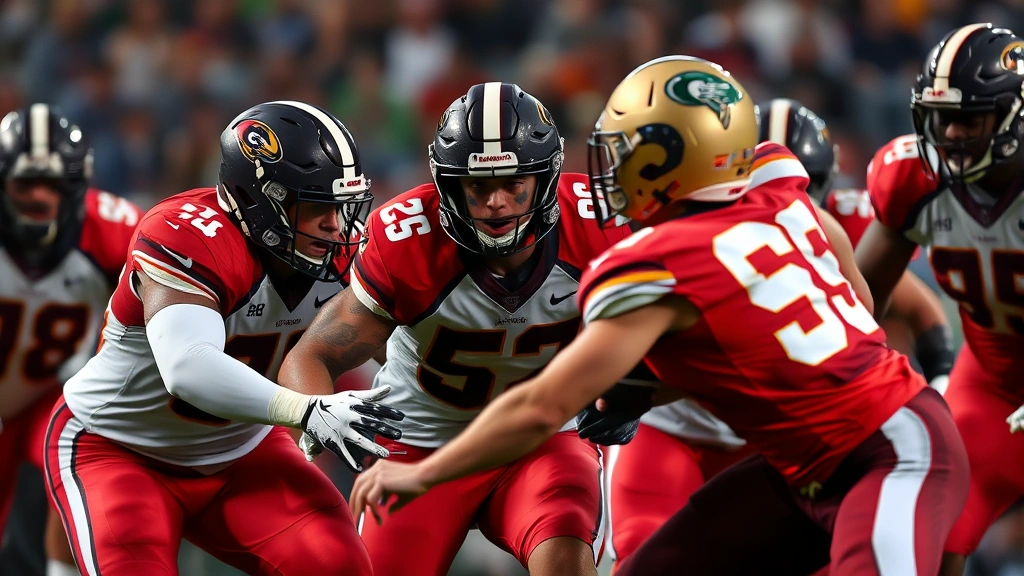
” alt=”Football players in intense competitive action during mid-game play, showing athlete conditioning and physical engagement” />
Maximizing Your Football Experience
Whether attending games in person or watching broadcasts, understanding game duration helps optimize your experience. Plan accordingly: bring entertainment for potential delays, stay hydrated, and manage bathroom breaks strategically around natural stoppages.
For fantasy football managers, game duration awareness helps with playoff strategy. Understanding that certain teams’ games typically extend longer helps predict cumulative scoring and manage roster decisions. Weather delays and overtime potential become factors in playoff preparation.
Coaches and players can leverage game duration knowledge for training optimization. Conditioning programs should specifically prepare athletes for the physiological demands of 3+ hour competitions, incorporating interval training that mirrors the intense play-stoppage-recovery cycle characterizing football.
Broadcasters and event planners use game duration data for scheduling. Understanding that NFL games typically last 3.5 hours while high school games run 2-2.5 hours helps coordinate pre-game and post-game activities. This scheduling complexity explains why football remains one of broadcasting’s most challenging sports to schedule.

” alt=”Professional football stadium packed with enthusiastic fans during evening game, showcasing the complete game-day atmosphere and community engagement” />
FAQ
How long is an average NFL game?
An average NFL game lasts between 3 hours and 10 minutes to 3 hours and 30 minutes. While regulation play consists of 60 minutes (four 15-minute quarters), television timeouts, commercial breaks, halftime (12 minutes), and potential stoppages extend the total viewing time significantly. Recent seasons have seen some games exceed 3 hours and 40 minutes.
Why are football games so long?
Football games are long primarily due to television commercials and timeouts. Networks schedule mandatory TV timeouts after scores and at regular intervals. Teams receive three timeouts per half. Additionally, the play clock (40 seconds) between snaps, penalties, injuries, and potential replay reviews all contribute to extended duration. These factors combine to roughly double the regulation play time.
How long is a college football game?
College football games typically last 3 to 3.5 hours, though many exceed 4 hours. The regulation consists of four 15-minute quarters like the NFL. However, college football’s different clock rules, increased penalties, and elaborate halftime shows (featuring marching bands) can extend duration. Overtime periods significantly increase total length, with some games exceeding 5 hours.
Are high school football games shorter?
Yes, high school football games are noticeably shorter, typically lasting 2 to 2.5 hours. High school quarters are 12 minutes (versus 15 minutes at higher levels), and television timeouts are minimal since most games aren’t broadcast. Halftime is shorter (10-15 minutes), and fewer stoppages occur overall, making high school football more time-efficient than college or professional versions.
What’s the longest football game ever played?
The longest college football game ever played was the 2018 Military Bowl between East Carolina and Marshall, which went 7 overtimes and lasted approximately 5 hours and 55 minutes. In NFL history, the longest game was the 1981 AFC Championship Game between Cincinnati and San Francisco, which lasted 3 hours and 52 minutes with one overtime period. These marathon games demonstrate how overtime rules can dramatically extend football competition.
Do NFL games ever go over 4 hours?
While uncommon, NFL games occasionally exceed 4 hours when multiple factors combine: numerous penalties, injuries, replay reviews, weather delays, and overtime periods. Most regular season games stay within the 3 to 3.5 hour range, but playoff games and Super Bowl broadcasts sometimes extend beyond 4 hours due to the magnitude of events and associated ceremonies.
How does weather affect football game duration?
Severe weather can significantly extend game duration. Lightning delays often halt play for 30 minutes or more, as safety protocols require stopping competition during electrical storms. Extreme cold, heat, or heavy rain might necessitate additional medical attention or equipment adjustments, adding 10-20 minutes or more to total duration. Weather-related delays are unpredictable factors affecting game length.
Why do football games have so many commercials?
Television networks fund football broadcasts through advertising revenue. Networks schedule commercials during natural play stoppages (after scores, at quarter transitions, during timeouts) to minimize disruption while maximizing commercial minutes. A single game might feature 40-50 minutes of total commercial time, significantly contributing to the 3+ hour duration fans experience. This commercial integration is essential for the economic model supporting professional football.


