
Furman Football: A Fitness Coach’s Guide to Peak Athletic Performance
Furman University’s football program has established itself as a powerhouse in the Football Championship Subdivision (FCS), demanding elite-level conditioning and strength development from every athlete. As a fitness coach working with football players, understanding the specific physical demands of Furman’s competitive environment is essential for building championship-caliber athletes. The Paladins’ aggressive style of play, combined with the rigorous SoCon conference schedule, requires a comprehensive approach to periodized training, injury prevention, and performance optimization.
The fitness landscape for college football has evolved dramatically, with programs like Furman implementing cutting-edge sports science methodologies to gain competitive advantages. This guide synthesizes evidence-based training principles specifically tailored to the demands of Furman football, providing fitness professionals with actionable strategies to develop stronger, faster, and more resilient athletes. Whether you’re conditioning defensive linemen for explosive gap penetration or engineering wide receivers for sustained high-intensity efforts, the principles outlined here will transform your approach to college football strength and conditioning.
Understanding Furman Football’s Physical Demands
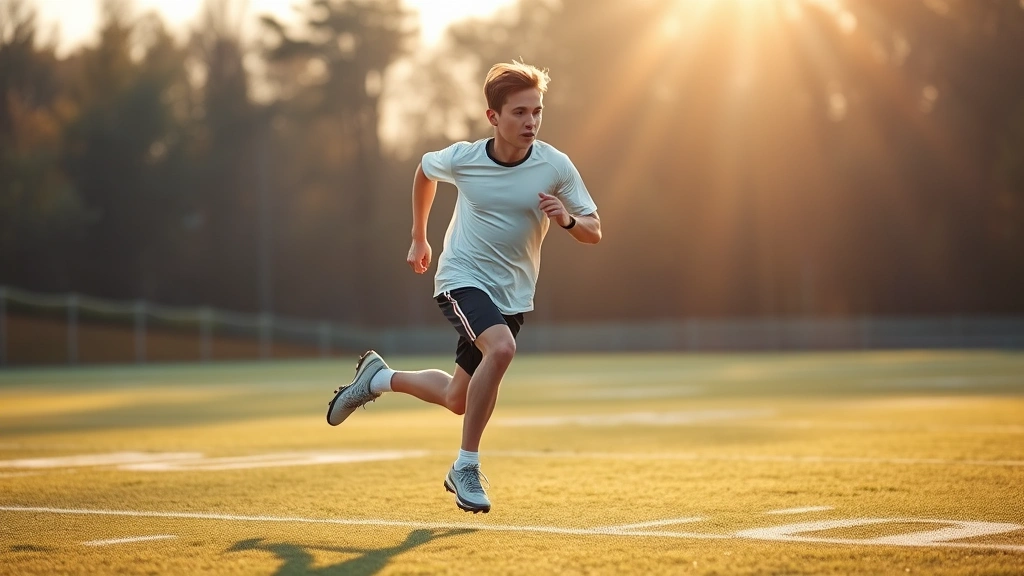
Furman football operates within the competitive FCS landscape, where athletes must demonstrate exceptional versatility across multiple physical domains. The Paladins compete in the Southern Conference (SoCon), a conference known for its physical, defensive-oriented football philosophy. This competitive environment demands that fitness coaches understand the specific metabolic, neuromuscular, and cardiovascular requirements that separate elite college football players from average competitors.
The sport itself imposes unique demands that differ significantly from individual athletic pursuits. Football players experience repeated high-intensity efforts lasting 4-6 seconds, separated by 30-40 second recovery periods across a 60-minute contest. This interval-based energy system requires development of both phosphocreatine (PCr) systems and aerobic power capacity. Additionally, the sport demands exceptional absolute strength, explosive power, deceleration control, and lateral agility—a constellation of physical qualities that must be developed simultaneously without creating interference effects.
Furman’s specific organizational culture emphasizes toughness, accountability, and continuous improvement. Your conditioning program must reflect these values while leveraging college football predictions and performance analytics to identify emerging trends in player development. The program’s success depends on creating training environments where athletes internalize the demands of championship-level football while building the physical resilience necessary for sustained performance.
Periodized Strength Training Architecture
The foundation of any effective Furman football fitness program rests on strategic periodization that aligns training stimuli with competitive demands. Rather than random training variation, sophisticated periodization orchestrates progressive overload across multiple training phases, each targeting specific adaptations that accumulate toward peak performance during conference play and postseason competition.
Macrocycle Organization
A comprehensive annual plan divides into distinct macrocycles: off-season development (January-March), spring football transition (April-May), summer preparation (June-August), and in-season maintenance (September-November). Each macrocycle emphasizes different training qualities, with off-season focusing on absolute strength and hypertrophy, spring emphasizing power development, and summer integrating sport-specific movement patterns. Understanding this comprehensive training philosophy shared on Peak Play Arena helps contextualize individual workouts within the broader competitive calendar.
Off-Season Strength Development
The off-season represents your opportunity to build the strength foundation that enables all subsequent power and speed development. Implement a lower/upper split or full-body rotation using compound movements as primary drivers:
- Lower Body Primary Movements: Back squats (3-5 sets × 3-6 reps at 85-92% 1RM), deadlifts (3-4 sets × 2-4 reps), and trap bar deadlifts (3-4 sets × 3-5 reps)
- Upper Body Primary Movements: Bench press (4-5 sets × 3-5 reps), incline press (3-4 sets × 4-6 reps), and weighted dips (3-4 sets × 5-8 reps)
- Accessory Development: Rows (4 sets × 6-8 reps), pull-ups/chin-ups (3-4 sets × 6-10 reps), leg press (3-4 sets × 8-10 reps)
- Single-Leg Integration: Bulgarian split squats (3 sets × 8-10 per leg), single-leg deadlifts (3 sets × 6-8 per leg)
Progress through 4-week blocks, increasing load by 2-5% weekly or adding reps within prescribed ranges. This systematic approach to strength development helps prevent sports injuries by building structural resilience and movement quality alongside raw force production.
Spring Power Transition
As athletes develop strength capacity, transition toward power-dominant training using Olympic lift variations and plyometric progressions. Implement complex training protocols pairing heavy strength movements with explosive derivatives:
- Power cleans (5 sets × 2-3 reps) followed immediately by box jumps (5 sets × 3-5 reps)
- Back squats (3 sets × 3 reps) followed by broad jumps (3 sets × 3 reps)
- Bench press (4 sets × 3 reps) followed by medicine ball chest passes (4 sets × 5 reps)
These neurologically demanding sessions should occur when central nervous system fatigue is minimal, typically early in the training week following adequate recovery.
Metabolic Conditioning for SoCon Excellence
While strength and power receive significant attention, the metabolic demands of 60-minute football competition require systematic conditioning development. Furman football demands exceptional capacity to repeat high-intensity efforts throughout contests, particularly in fourth-quarter situations where fatigue creates decisive competitive advantages for the fittest teams.
Interval Training Protocols
Implement sport-specific interval training that mimics the work-to-rest ratios of football competition. These sessions develop both lactate threshold and aerobic power while maintaining sport-specific movement patterns:
- 40-Yard Sprint Intervals: Perform 8-12 maximal-effort 40-yard sprints with 45-second recovery between repetitions. This develops phosphocreatine system capacity and maintains sprint speed under fatigue.
- 300-Yard Shuttle Series: Execute 6-8 repetitions of 300-yard shuttles (50-yard distances × 3) with 2-minute recovery between efforts. This develops capacity for repeated high-intensity movement.
- Grinder Circuits: Combine football-specific movements into 45-second work intervals: 15 seconds sled pushes, 15 seconds battle ropes, 15 seconds jump squats, followed by 90 seconds active recovery. Repeat 6-8 rounds.
Aerobic Base Development
Contrary to outdated beliefs that aerobic training impairs football performance, strategic aerobic development enhances recovery between high-intensity efforts and provides work capacity for practice demands. Implement 2-3 sessions weekly of steady-state conditioning:
- Tempo running at 70-75% maximum heart rate for 20-30 minutes
- Swimming or pool running at conversational intensity for 20-25 minutes
- Bike intervals at moderate intensity for 30-40 minutes total (including warm-up/cool-down)
These sessions develop mitochondrial density and enhance parasympathetic recovery capacity, critical for managing the chronic fatigue of competitive football seasons.
Position-Specific Development Protocols
While foundational strength and conditioning applies to all Furman athletes, position-specific demands require tailored training emphasis. Different positions demand different physical qualities, and sophisticated programs recognize these distinctions while maintaining balanced athletic development.
Defensive Line Development
Defensive linemen require exceptional absolute strength, explosive power off the snap, and lateral quickness. Training emphasis includes:
- Heavy compound lifting emphasizing hip and knee extension power
- Sled work for acceleration development and pad level maintenance
- Lateral shuffle intervals for directional change capacity
- Medicine ball rotational work for core power and collision tolerance
Linebacker and Edge Development
Linebackers and edge rushers need balanced development across multiple qualities: lateral agility, vertical power for gap penetration, and sustained effort capacity. Emphasize:
- Olympic lift variations for explosive triple extension
- Lateral bounding and lateral shuffle work
- Plyometric progressions including depth jumps and bound variations
- Extensive interval conditioning for sustained performance
Receiver and Defensive Back Development
Speed-position athletes require exceptional acceleration, maximum velocity sprint capacity, and deceleration control. Training priorities include:
- Maximal sprint development with emphasis on 10-40 yard acceleration
- Resisted running for force development
- Lateral agility work including cone drills and shuttle variations
- Lower body power emphasizing single-leg development
Offensive and Defensive Line Specificity
Linemen require different training emphasis than skill position athletes. Implement position-specific performance metrics to track progress in lineman-specific qualities: bench press and squat strength benchmarks, sled push velocity, and lateral movement capacity.
Injury Prevention and Recovery Strategies
Furman football’s demanding schedule necessitates proactive injury prevention and strategic recovery implementation. Elite programs recognize that injury prevention isn’t separate from performance training—it’s integrated throughout every program component.
Movement Quality and Corrective Exercise
Implement comprehensive movement screening identifying asymmetries, mobility restrictions, and motor control deficits. Address these limitations through targeted corrective work:
- Ankle Mobility: 90/90 stretches, banded ankle mobilizations, and dorsiflexion strengthening for ankle stability
- Hip Mobility: 90/90 hip stretches, couch stretches, and deep squat holds for hip flexibility and internal rotation access
- Shoulder Health: Band pull-aparts, reverse flies, and external rotation work for rotator cuff resilience
- Core Stability: Dead bugs, bird dogs, and sled drags for anti-rotation and anti-extension capacity
ACL Injury Prevention Programs
Anterior cruciate ligament injuries remain prevalent in football. Implement evidence-based prevention protocols including:
- Single-leg balance work and proprioceptive training
- Deceleration and landing mechanics training with emphasis on knee alignment
- Nordic hamstring curls for eccentric strength development
- Lateral band walks and clamshells for hip abductor activation
Learn more about comprehensive strategies to avoid sports injuries that apply directly to football-specific demands.
Recovery Implementation
Strategic recovery accelerates adaptation and maintains performance consistency:
- Sleep Optimization: Target 8-10 hours nightly with consistent sleep schedules during competitive season
- Contrast Therapy: Implement ice baths (10-15 minutes at 50-59°F) post-game for inflammation management
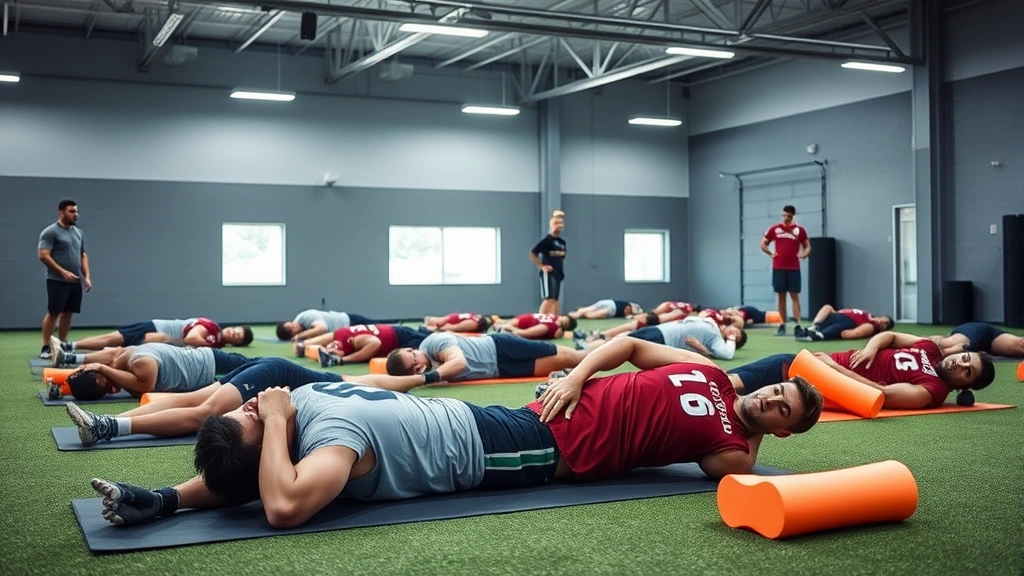
- Massage and Soft Tissue Work: Schedule regular massage therapy and foam rolling for tissue quality maintenance
- Nutrition Timing: Implement post-training nutrition within 30-60 minutes for glycogen restoration and protein synthesis
Nutritional Optimization for Football Athletes
Training stimulus creates the opportunity for adaptation, but nutrition provides the building blocks for actual physiological change. Furman football athletes require sophisticated nutritional strategies supporting heavy training demands while maintaining optimal body composition.
Macronutrient Framework
Establish individualized macronutrient targets based on body weight, training phase, and position-specific demands:
- Protein: 1.6-2.2 grams per kilogram body weight daily, distributed across 4-5 meals for optimal muscle protein synthesis
- Carbohydrates: 6-10 grams per kilogram during heavy training phases, emphasizing pre-training and post-training timing
- Fat: 1.0-1.5 grams per kilogram for hormonal health and nutrient absorption
Micronutrient Considerations
College football athletes often present micronutrient deficiencies that impair performance and recovery. Prioritize:
- Iron status monitoring, particularly for endurance-focused conditioning
- Vitamin D supplementation (1000-2000 IU daily) for immune function and bone health
- Electrolyte management during high-temperature training periods
- Omega-3 supplementation for inflammation management and cognitive function
Hydration Strategy
Implement sport-specific hydration protocols accounting for sweat rate, environmental conditions, and training duration. Monitor body weight changes (target <2% loss during practice) and adjust fluid intake accordingly.
Game Week Preparation and Tapering
The days immediately preceding Furman football games require strategic training modifications balancing continued stimulus with adequate recovery. Improper game-week management can sabotage weeks of accumulated training benefit.
Monday and Tuesday Training
Following competitive games, implement active recovery emphasizing movement quality and parasympathetic activation:
- Light swimming or pool running for 15-20 minutes
- Dynamic stretching and mobility work
- Corrective exercise addressing accumulated movement restrictions
Wednesday and Thursday Emphasis
Mid-week sessions maintain training stimulus while respecting recovery demands:
- Reduced volume strength training (60-70% of typical weekly volume)
- Position-specific skill work with reduced intensity
- Targeted conditioning maintaining work capacity without excessive fatigue
Friday Preparation
The day before competition should emphasize readiness and confidence:
- Light activation work focusing on movement patterns
- Short sprint work maintaining neural activation (3-4 × 20-30 yards at 90% effort)
- Mobility and stretching for tissue quality
- Psychological preparation and visualization work
Understanding these nuanced preparation strategies separates elite programs from average competitors in critical moments.
In-Season Maintenance Philosophy
During the competitive season, strength training transitions from development to maintenance. Reduce volume by 40-50% while maintaining intensity, prioritizing movement quality and injury prevention. Implement 2-3 strength sessions weekly rather than 4-5, focusing on primary compound movements and position-specific demands.
FAQ
What’s the optimal training frequency for Furman football players during off-season?
Most athletes benefit from 4-5 structured strength training sessions weekly during off-season, organized as upper/lower splits or full-body rotations. This frequency allows adequate recovery between sessions while accumulating sufficient training volume for strength development. Combine these with 2-3 metabolic conditioning sessions for comprehensive physical development.
How should training adjust for injuries during the season?
Implement modified training maintaining adjacent body parts while protecting injured structures. For example, a knee injury doesn’t necessitate complete training cessation—athletes can maintain upper body strength, perform single-leg work on uninjured limbs, and implement core stability work. Work closely with sports medicine professionals to determine appropriate exercise modifications.
What distinguishes Furman football’s training from other FCS programs?
While fundamental principles apply universally, Furman’s specific culture, coaching philosophy, and competitive environment shape program implementation. The Southern Conference’s physical, defensive-oriented football emphasizes different qualities than spread-heavy conferences. Tailor your program to Furman’s specific organizational values and competitive context.
How important is single-leg training for football athletes?
Single-leg training is essential for football development, addressing inherent asymmetries and improving deceleration control. Implement Bulgarian split squats, single-leg deadlifts, single-leg Romanian deadlifts, and step-ups as primary accessory movements. These movements develop unilateral strength capacity critical for sport-specific demands.
Should Furman football players perform Olympic lifts?
Olympic lift variations (power cleans, hang cleans, push presses) provide excellent power development when executed with proper technique. However, technical proficiency requires significant coaching investment. If technical expertise isn’t available, substitute with dumbbell clean variations or kettlebell movements providing similar benefits with lower technical demands.
What recovery modalities provide the greatest return on investment?
Prioritize sleep quality and quantity above all other recovery interventions—no supplement or modality replaces adequate sleep. Following sleep, implement strategic nutrition timing, adequate hydration, and regular soft tissue work. Additional modalities like contrast therapy and massage provide benefits but shouldn’t distract from foundational recovery strategies.


